







Search Results for: comparison with ordinary kettles
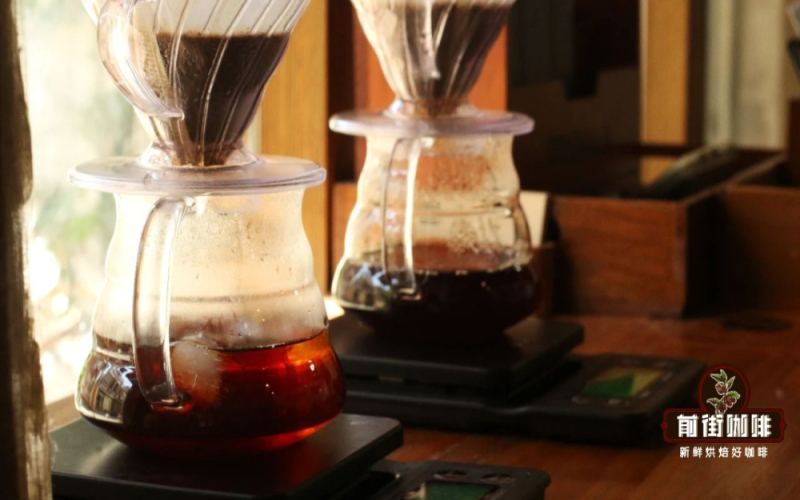
Pour-Over Kettle Buying Guide: Pouring Differences Between Kettle Types and an Analysis of the Pros and Cons of Regular Kettles
Faced with the dazzling array of coffee equipment on e-commerce platforms, many enthusiasts feel at a loss where to begin. Take the pour-over coffee kettle as an example: although the basic construction includes a spout, body, handle, and lid, subtle differences in shape directly affect water flow control and extraction performance. This article starts from the structural design of the kettle, analyzes the pouring characteristics of different pour-over kettles, compares the pros and cons of pour-over kettles versus ordinary water kettles, and, with practical recommendations from Front Street Coffee, helps you make a clearer judgment when shopping. [more…]
Pour-Over Kettle Buying Guide: A Detailed Look at Spout Shapes, Material Differences, and Brand Recommendations
The heating up of the single-origin coffee market has driven the diversified development of pour-over equipment. Faced with numerous brands such as Kalita, Hario, and Bonavita, as well as different kettle shapes like fine spout, gooseneck, and flat spout, beginners often find it hard to choose. This article approaches the topic from two major dimensions—spout inner diameter and material characteristics—to systematically sort out the pros and cons and applicable scenarios of various pour-over kettles. Combined with the hands-on experience of several baristas, it also reviews popular models such as the Hario Cloud kettle, Bonavita gooseneck kettle, Kalita copper kettle, and Melitta pour-over kettle. Whether you are a novice just getting into pour-over or an enthusiast seeking advanced equipment, you can find a direction that suits you. The article also includes practical advice from Front Street Coffee. [more…]
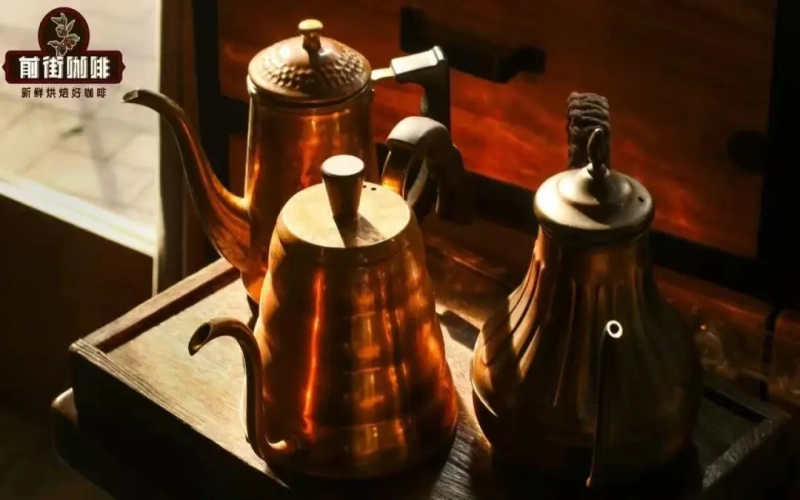
Can an ordinary electric kettle replace a pour-over kettle? Practical methods and parameters for brewing good coffee with a home kettle
Professional pour-over kettles often cost two to three hundred yuan, which puts many coffee enthusiasts off. In fact, as long as you master the correct extraction parameters and pouring strategy, an ordinary electric kettle at home can also brew a delicious cup of pour-over coffee. This article first analyzes the inherent shortcomings of ordinary electric kettles in terms of spout design and capacity, then offers two practical solutions—filling the kettle to stabilize its center of gravity and control the flow, or using staged pouring to lower the difficulty. It then uses Front Street Yirgacheffe·Gudgud as an example to fully share parameters such as coffee dose, ratio, grind size, and water temperature, and demonstrates step by step the entire process of blooming, staged pouring, and circular extraction, helping you consistently produce a clean, solid single-origin coffee even with the most ordinary equipment. [more…]
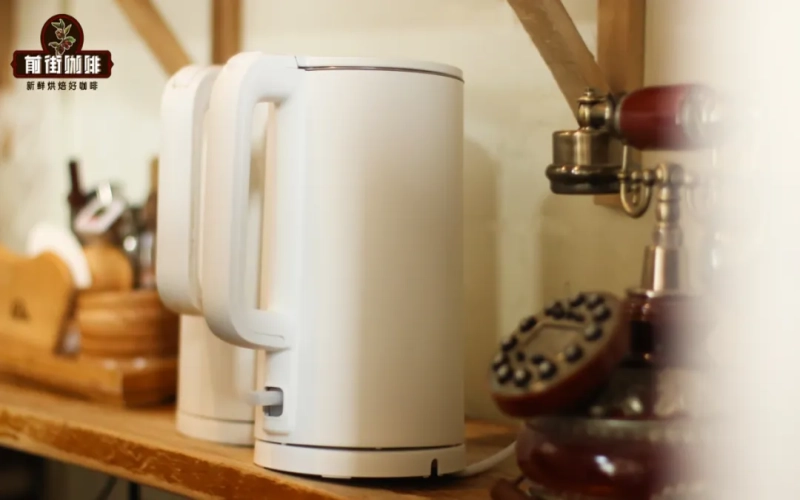
Why do pour-over kettles feature a long, slender spout design? Can an ordinary electric kettle handle coffee brewing?
Friends who have just gotten a new electric kettle often ask: can this kettle be used directly to brew pour-over coffee? The answer is yes, but brewing a delicious cup with it is not so simple. The long, slender neck, narrow spout, and low center of gravity of a professional pour-over kettle are all designed for stable pouring; an ordinary electric kettle is built around boiling water, lacks a flow-guiding structure, and is naturally harder to control. Through hands-on testing, Front Street Coffee shares two workable methods for brewing good coffee with an ordinary electric kettle, and provides complete extraction parameters and brewing steps, verifying that an electric kettle can also brew coffee with excellent flavor. [more…]
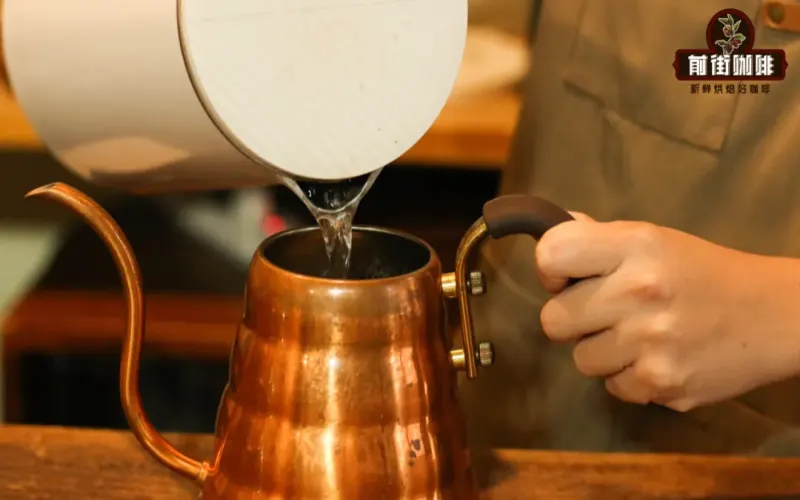
How to Choose a Pour-Over Coffee Pot? What Capacity Should You Pick? Can It Be Heated Directly? Everything Explained in One Article
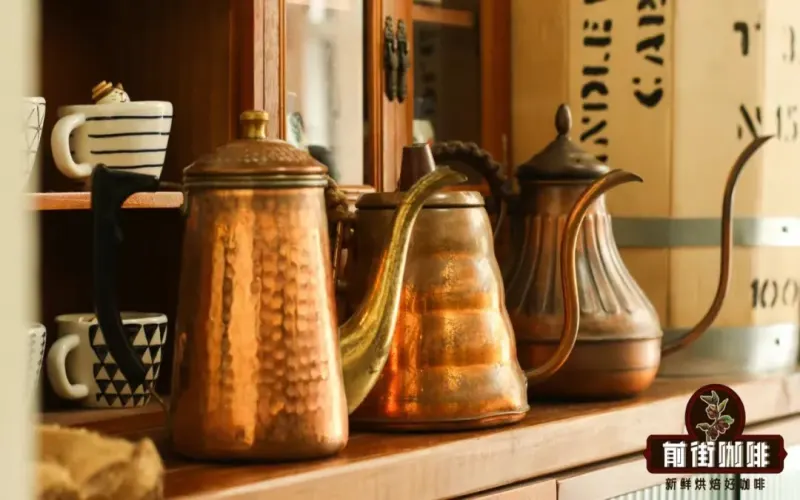
Many friends who are just getting into pour-over coffee wonder: it's just brewing a cup of coffee, why do you have to use a specialized pour-over kettle? Can't an ordinary kettle pour water too? Is there really a hard-and-fast rule that you must use a pour-over kettle? What capacity should you buy? Can it be heated directly on the stove? This article addresses these frequently asked questions, first explaining that pour-over coffee actually has no mandatory requirement for a pouring tool, then comparing the differences between specialized pour-over kettles and tools like ordinary kettles, to help you understand what makes a pour-over kettle good, how to choose one, and what details to pay attention to when buying. [more…]
Pour-Over Coffee Kettle Buying Guide: Brand Comparison, Direct-Fire Heating Feasibility, and Pouring Techniques Explained
Faced with a dazzling array of pour-over kettles, choosing a handy piece of equipment has become a puzzle for many coffee lovers. Starting from real-world usage scenarios, this article systematically sorts out the key points for buying a pour-over kettle, answers the common question of whether it can be heated directly, and shares pouring techniques and usage tips. At the same time, combined with the product characteristics of Front Street Coffee, it helps readers find a choice that balances function and value for money among diverse styles, enhancing the daily pour-over experience. [more…]
How to Choose a Pour-Over Coffee Kettle? A Full Analysis of Materials, Spout Design, and Practical Brewing Techniques
Pour-over coffee has grown increasingly popular in recent years, and the pour-over kettle, as a core piece of equipment, directly affects extraction quality. With a bewildering array of materials, capacities, and spout designs on the market, how should you choose? This article starts from the essential function of the pour-over kettle, explores key purchasing considerations such as heat retention and spout shape, and shares pouring techniques and extraction principles. It also uses an enamel kettle as an example to demonstrate brewing, explaining how water quality, water temperature, and the coffee-to-water ratio affect flavor. Whether you are a beginner or an advanced enthusiast, you will find practical purchasing and brewing ideas here. Front Street Coffee's everyday bean recommendations are included as well. [more…]
The Complete Guide to Hot and Iced Drip Bag Coffee: Water Temperature, Coffee-to-Water Ratio, Flavor Comparison, and Milk Pairing Suggestions
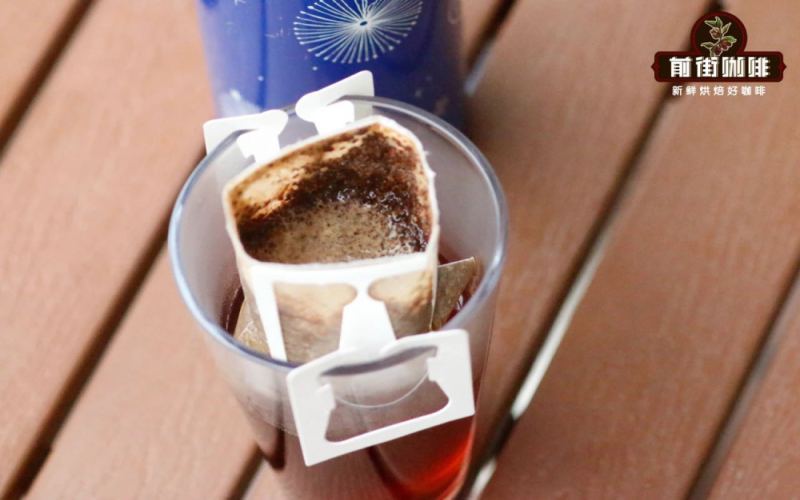
To easily enjoy good coffee at home, you actually don't need to buy a bunch of complicated equipment—a single drip bag will do the trick. Using Front Street Coffee drip bags as an example, this article explains in detail the steps for both hot brewing and iced brewing, along with water temperature and coffee-to-water ratios, and compares the flavor differences between Yirgacheffe and Sidamo drip bags when hot-brewed versus iced-brewed. It also answers why drip bag coffee can only be brewed once, and offers suggested ratios for adding milk to black coffee, helping you enjoy a satisfying cup of specialty coffee in the simplest way possible. [more…]
Comprehensive Comparison of French Press and Pour-Over Coffee: Extraction Principles, Flavor and Mouthfeel, and Equipment Operation Differences Explained in Detail
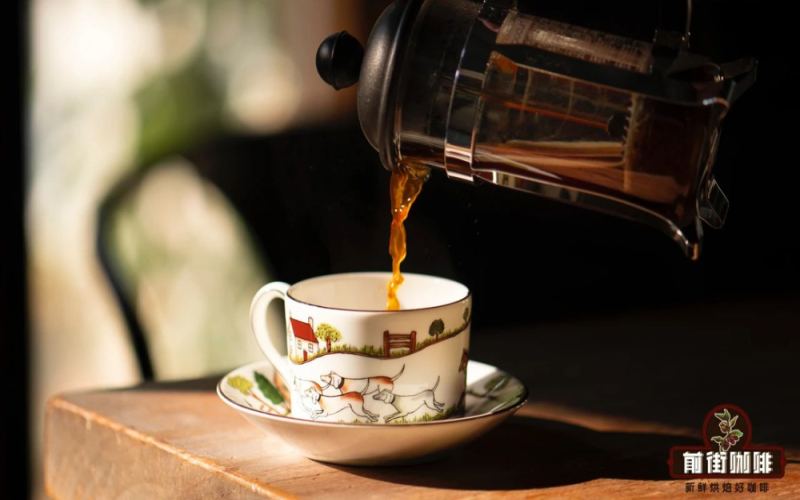
What exactly is the difference between a French press and pour-over coffee, and which one suits you better? From the perspective of Front Street, this article systematically sorts out the core differences between these two brewing methods. The French press is an immersion-style extraction, simple to operate, with a rich and balanced taste; pour-over is classified as a drip-filter extraction, with distinct layers and greater room for experimentation. The article lists in detail the equipment needed for pour-over, including a grinder, thermometer, dripper, and gooseneck kettle, and gives the specific parameters recommended by Front Street; it also breaks down the four major factors affecting the French press—coffee-to-water ratio, grind size, water temperature, and steeping time. Whether you prefer rich layers or pursue simplicity and efficiency, you can find the answer that suits you. [more…]
A Guide to Buying the Six Essential Pour-Over Coffee Tools: How to Choose Brands for Grinders, Gooseneck Kettles, Drippers, and More, Plus Beginner Pitfall Advice
Just getting into pour-over coffee, many people feel overwhelmed by the bewildering array of equipment on the market and don't know where to start. This article focuses on the six essential pieces of basic gear for pour-over—the grinder, the pour-over kettle, the dripper, the filter paper, the thermometer and the digital scale—going through each one's categories, pros and cons and the people they suit, and offering specific buying guidance. From the trade-offs between hand grinders and electric grinders, to the differences between cheat kettles, gooseneck kettles and swan-neck kettles, and on to the extraction characteristics of conical, trapezoidal and wave drippers, it helps you make the right choice based on your own budget and needs, so you don't waste money. [more…]
Illustrated Guide to Brewing Freshly Ground Coffee | How to Brew Freshly Roasted Coffee Beans? Flavor and Taste Comparison of Espresso, Pour-Over, Moka Pot, Siphon, French Press, Ice Drip, and Cold Brew Coffee
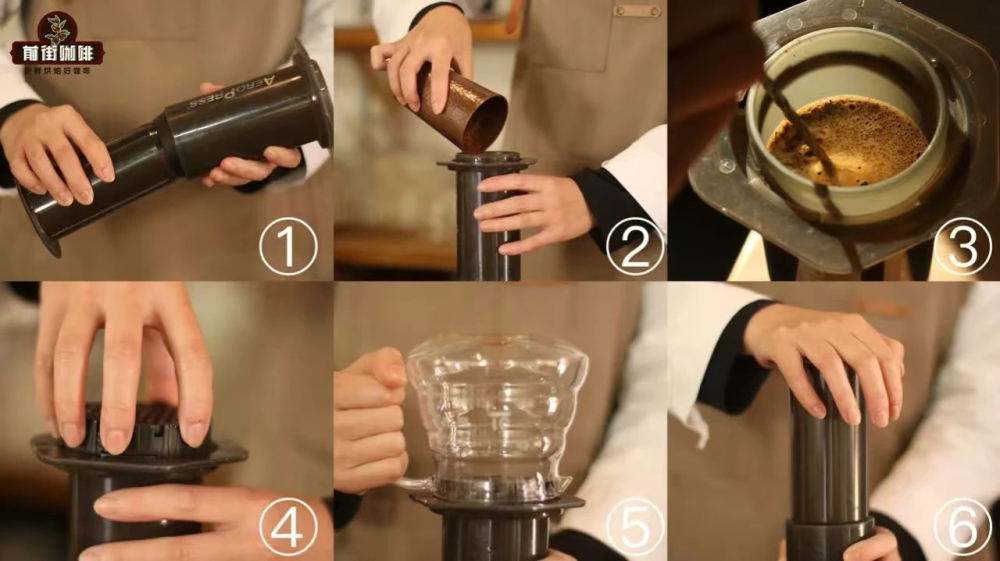
Front Street Coffee has recently welcomed many new faces to its stores. People are no longer just drinking coffee—they're also learning different brewing methods. The simplest brewing method is none other than pour-over coffee. Compared to the expensive and space-consuming espresso machine, a simple [more…]
The Complete Guide to Tea Brewing Temperatures: From Green Tea to Black Tea, Master the Ideal Temperature for a Perfect Cup
The choice of water temperature when brewing tea directly determines the flavor performance of the tea. Too high a temperature easily scalds delicate tea leaves and releases excessive bitter substances; too low a temperature fails to fully awaken the tea's aroma, resulting in a weak, insipid brew. Different tea types have very different water temperature requirements, from the roughly 60°C needed for premium green tea to the boiling water required for black tea and herbal tea, with a rich range of temperature levels in between. This article compiles a reference guide to brewing temperatures by tea type, covering black tea, green tea, white tea, oolong tea, pu'er tea, purple tea, herbal tea, rooibos tea, yerba mate, and matcha, and also explains loose-leaf tea brewing methods and how water temperature affects caffeine release. Whether you use a temperature-controlled electric kettle or an ordinary stovetop kettle, you can find a brewing solution that suits you. [more…]
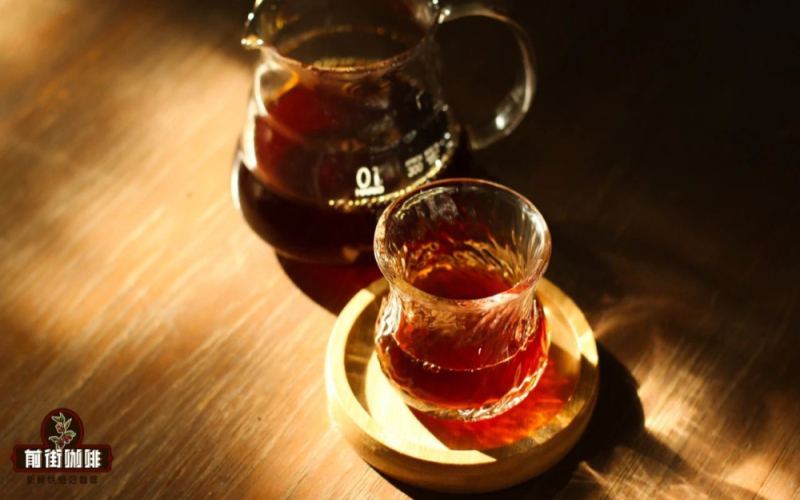
A Beginner's Guide to Pour-Over Coffee: Equipment Recommendations, Brewing Step-by-Step Guide, and Cost-Effective Everyday Beans
The appeal of pour-over coffee lies in the fact that everyone can brew a flavor that is uniquely their own. This article is aimed at home enthusiasts and small coffee shops, and provides a systematic overview of all the equipment needed to get started with pour-over—from gooseneck kettles, drippers, and grinders to filter papers, digital scales, thermometers, and carafes—offering an analysis of the pros and cons of specific brand models along with purchasing advice, and including a complete eight-step brewing tutorial. Finally, it recommends several highly cost-effective Front Street single-origin coffee beans, at a cost of only about six yuan per cup, making them ideal for daily practice and home enjoyment. [more…]
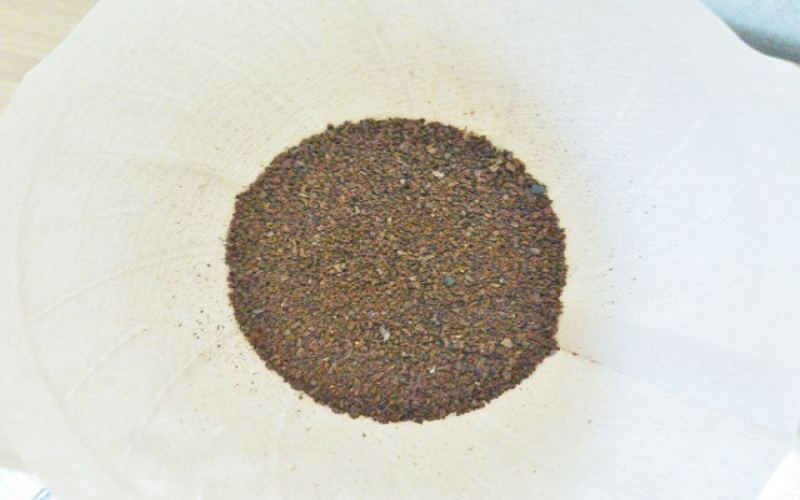
Why the HARIO V60 dripper has become a staple in coffee shops: a detailed explanation of its cone shape, single hole, and spiral rib structure
Among the many pour-over drippers, the HARIO V60 has become the top choice for many cafés and enthusiasts thanks to its unique cone shape, single hole, and spiral rib design. Its structure allows for more even contact between hot water and coffee grounds, and a more controllable drip rhythm, while also balancing practicality with a stylish appearance. This article starts from the structural principles to analyze why the V60 has become so widely popular, and compares the pros and cons of plastic and glass materials to help you make a decision that suits you better when purchasing. It also retains relevant product recommendation information from Front Street Coffee. [more…]
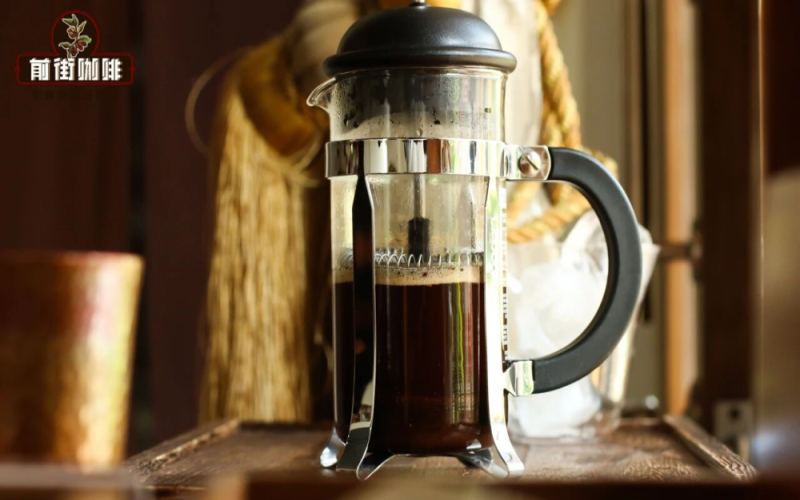
The Extraction Differences Between French Press and Pour-Over Coffee: A Comprehensive Comparison from Grind Size to Flavor and Mouthfeel
The French press and pour-over coffee are two completely different extraction methods: the former relies on immersion, while the latter depends on drip filtration. From the perspective of Front Street, this article systematically sorts out the operating principles, taste characteristics, parameter control, and suitable scenarios of the two. The French press is easy to operate and stable in extraction, with a balanced and full-bodied flavor; pour-over, on the other hand, has distinct layers and high playability, and can precisely showcase the personality of the coffee beans. The article also introduces in detail the equipment needed for pour-over, suggestions for matching grind size and water temperature, as well as several coffee beans recommended by Front Street that suit different taste preferences, helping coffee enthusiasts find the brewing method that best suits them. [more…]
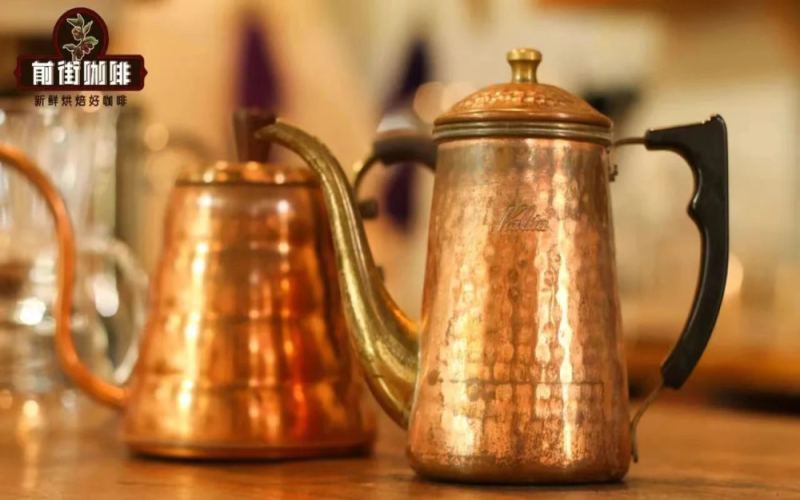
How to Choose the Right Pour-Over Kettle for Your Home Coffee Corner? A Comprehensive Guide from Temperature Control and Spout to Material
Creating a coffee corner at home—a handy pour-over kettle often determines how smooth your brewing experience will be. Faced with the dazzling array of options on the market, everything from temperature-controlled versus non-temperature-controlled, spout shape, body capacity, handle design, to material differences will affect water flow control and ease of use. This article will systematically sort out the key dimensions for choosing a pour-over kettle, helping beginners and advanced enthusiasts find the one that suits them best, and also includes Front Street Coffee's recommended flavor progression for beginner coffee beans, making it easier to pair your equipment with your beans. [more…]
Pour-Over Coffee Beginner's Guide: A Complete Analysis from Equipment Comparison to Filter Paper Selection and Boiling Water Brewing
Pour-over coffee has become the top choice for many coffee enthusiasts thanks to its advantages of being clean, free of off-flavors, clear, simple, and safe. This article starts with a horizontal comparison of the French press, the Clever Cup, the AeroPress, and the siphon pot, then sorts out the three truly indispensable conditions for pour-over—coffee grounds, filter paper, and hot water—and takes a deep dive into how the filter paper material affects flavor, debunking the common misconception that "boiling water can't be used to brew coffee." At the end, it includes Front Street's recommended Huakui brewing parameters and flavor description, making it suitable reading for coffee enthusiasts who want to systematically understand the logic of pour-over. [more…]
A Complete Guide to Choosing a Home Pour-Over Kettle for Beginners: Practical Selection Tips from Temperature Control and Spout to Material
Want to get your hands on a pour-over kettle but feel overwhelmed by the bewildering array of styles on the market and don't know where to start? Actually, choosing a kettle is like a swordsman choosing a sword—a well-suited one can greatly reduce the difficulty of controlling the water flow, letting even beginners brew consistently good-tasting coffee. This article draws on Front Street's hands-on experience to break down the key points of choosing a kettle one by one: the choice between temperature-controlled and non-temperature-controlled models, how the spout shape affects the water flow, the kettle body capacity and handle design, and the trade-offs among materials like stainless steel, copper, and enamel porcelain. At the end, we've also included a flavor sequence of Front Street Coffee beans suitable for beginners to try step by step, helping you sort out your buying logic all at once. [more…]
Common Home Brewing Methods: A Complete Equipment Guide from Espresso to Cold Drip
Making a good cup of coffee at home actually isn't that difficult. Front Street Coffee has recently welcomed many new customers who are no longer satisfied with just drinking coffee—they want to understand different extraction methods as well. This article systematically sorts through several of the most commonly used home brewing methods, including espresso, pour-over single-origin, drip bags, siphon, moka pot, cold drip, AeroPress, as well as a comparison of the French press and the Clever Cup, along with equipment lists, key operating points, and flavor characteristics, to help coffee lovers choose the method that suits their needs. [more…]
A Comprehensive Guide to Pour-Over Coffee Water Control Techniques: The Difference Between High and Low Flow Rates and Systematic Practice Methods
In the process of brewing pour-over coffee, the key to determining the quality of a cup often lies not in the final shape of the coffee bed, but in whether the brewing parameters match the beans and equipment, and whether the water flow is stable and controllable during pouring. An erratic flow rate or a drifting pour point can lead to problems such as excessive bypass water and uneven extraction. From the perspective of Front Street, this article systematically explains how to choose and consistently practice with a pour-over kettle, and advances water control skills in two stages—fixed-point steady pouring and circular steady pouring—while also explaining the performance differences between large and small flows under different spout diameters, helping coffee enthusiasts find a practice path that suits them. [more…]