







Search Results for: combine
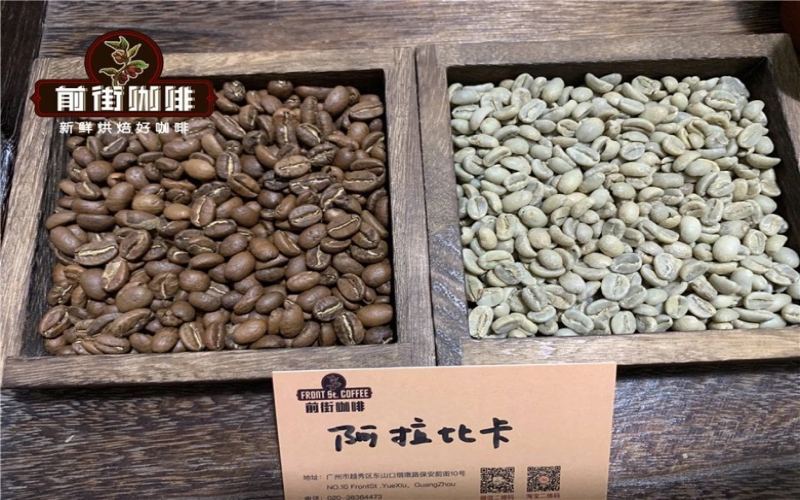
Bean blend combinations for commercial espresso blends: the ratio logic of Arabica and Robusta
There is a clear difference between commercial blends and home-use beans: they must simultaneously satisfy three conditions—flavor, cost, and consistency. And the combination of bean varieties in a blend, especially the ratio of Arabica to Robusta, is often the key to whether these three conditions can be balanced. Arabica beans are the flavor powerhouse. They bring floral notes, fruity acidity, and a solid [more…]
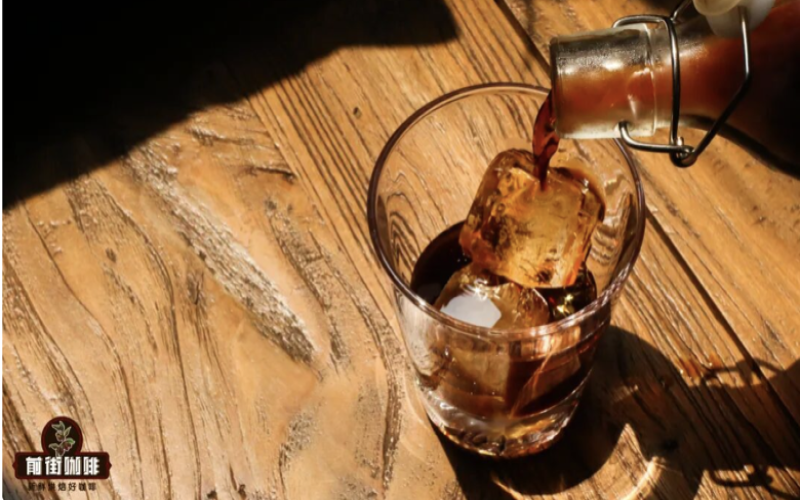
The Source of Sweetness in Cold Brew Beans: The Combination of Processing Method and Roast Level
The gentleness of cold brew lies in the low temperature: acidity is blunted, bitterness is weakened, and the bean's sweetness takes center stage. Cold-brewing Front Street Strawberry Candy, the sweet aroma of strawberry gummy candy soaks in the cold brew pitcher for over a dozen hours, yielding a pink fruit coffee with built-in sweetness; after cold brewing, the passion fruit notes of Sidra become much gentler in acidity, so even those who dislike acidity can enjoy it. [more…]
Coffee Bean Blending Methods | What Is the Key to Rich Crema in Espresso? Recommendations for Affordable, Great-Tasting Home Blend Coffee Beans Suitable for Espresso Extraction
Since it is a blend, it naturally refers to a combination of coffee beans from two or more origins, but coffee beans of the same type roasted to different degrees can also be blended together. Therefore, the "types" referred to in blending are no longer a narrow combination of varieties, but broadly extend to coffee flavors. When blending, 2 to 6 types of coffee are generally used. [more…]

How to Choose High-Cost-Performance Espresso Blend Beans: Combining Flavor, Processing Method, and Roast Level
The drinking scenario is the first question to settle when choosing beans: is this day going to start with black coffee, or will it be enjoyed with milk? Will it be slowly brewed by pour-over, or does the machine need to deliver it right away? When the scenario changes, the suitable roast level, flavor intensity, and brewing method change along with it. Espresso is all about the dynamic balance among dose, grind size, liquid weight, and time. The firm [more…]
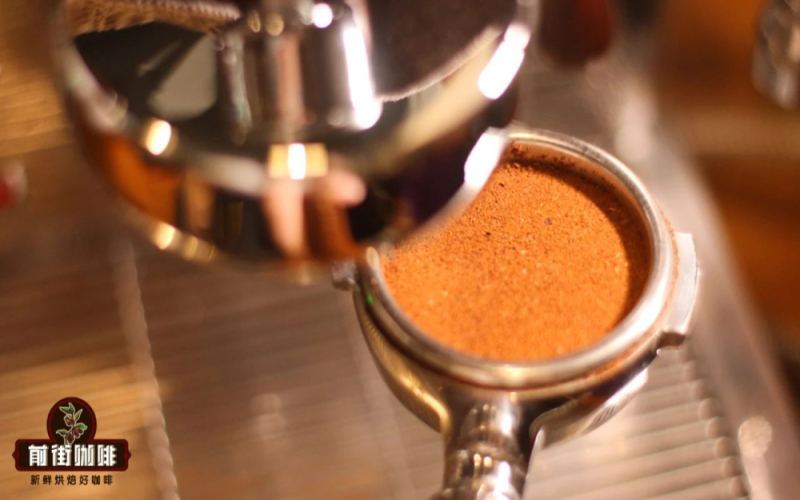
How to choose coffee beans for home use? Pick the right Front Street Coffee espresso blend beans by taste and scenario.
When making coffee at home, choosing the right beans is the first step. There are many types of coffee beans on the market: by use case, they can be divided into commercial beans and home-use beans; by extraction method, there are pour-over beans, espresso beans, and cold brew beans; and by category, they are further divided into single-origin beans and blended beans. Single-origin beans come from a single region or estate, with a clean and clear flavor, suitable for pour-over, cold brew, and similar methods; blended beans usually refer to espresso blends, which maintain flavor stability through a combination of multiple regions and have a rich, solid mouthfeel. Different taste preferences correspond to different bean choices. This article recommends suitable Front Street Coffee espresso blends one by one according to needs, from classic rich-crema types to high-value beginner options, to help you find the bag that best suits your home. [more…]
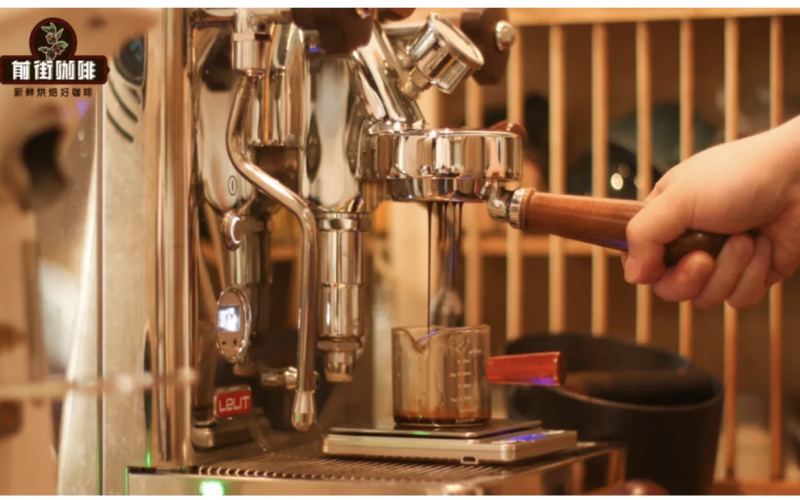
Bean pairing ideas for a coffee shop's espresso line
An espresso line at a coffee shop typically accounts for over 70% of total drink output. The quality of core beverages like Americano, latte, cappuccino, and Dirty largely depends on whether the right beans are chosen. The mature approach to bean selection for an espresso line is a "base blend + specialty blend" combination: one stable base bean to support [more…]

Bean blend for commercial espresso: how to balance the ratio of Arabica to Robusta
In the formulation design of espresso blends, the ratio of Arabica to Robusta beans has always been an unavoidable topic. Each of the two bean types has its own advantages, and how to combine them to ensure both the thickness of the crema and control costs is the core of a commercial blend formula. Arabica beans are the mainstay of espresso blends. They have rich flavor layers and bright acidity. [more…]
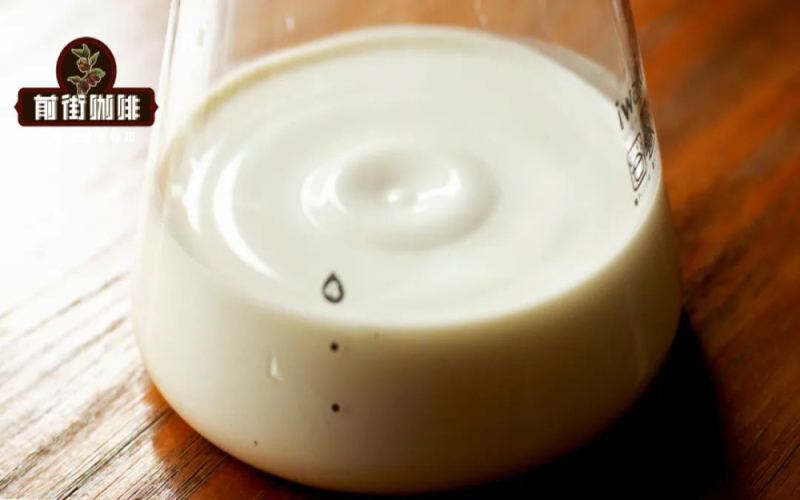
Water Buffalo Milk Latte and Dirty: Can Milk Foam Latte Art, Sweetness, and Coffee Flavor Coexist?
Buffalo milk has long been a specialty dairy product in the Guangdong and Guangxi regions, and in recent years it has been increasingly used by coffee enthusiasts to pair with espresso. It contains higher levels of protein, fat, and calcium than regular milk, with a lower water content, making it sweeter and silkier to drink. So, is buffalo milk actually suitable for latte art? And what does it taste like in an iced latte or a Dirty? This time, Front Street Coffee selected the refrigerated fresh buffalo milk from the local Foshan brand Baifulu, paired with Front Street Coffee's classic blend coffee beans, to make three drinks: a flat white, an iced latte, and a Dirty. From milk foam texture and latte art performance to the flavor on the palate, we tested each one to see whether the combination of buffalo milk and coffee can achieve an effect where 1+1>2. [more…]
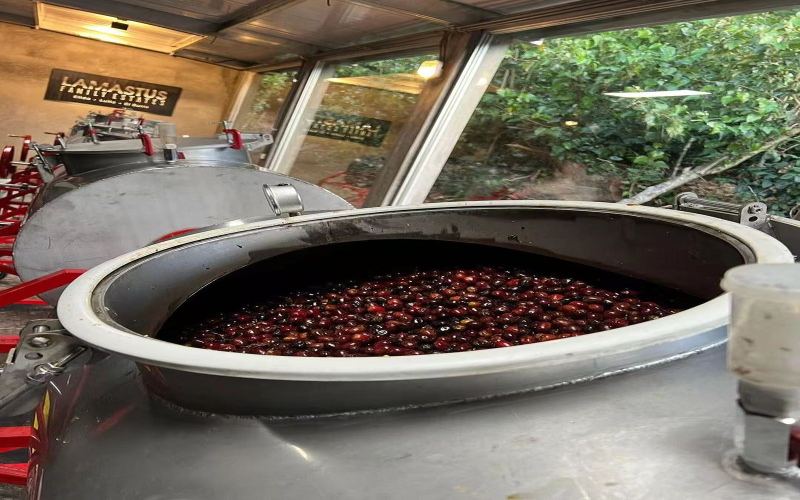
Fruity Coffee Beans Recommendation: Balancing Budget and Drinking Frequency
Fruity coffee beans aren't something you can master just by memorizing a few names. When buying beans day to day, you need to consider how quickly you'll drink them, how much to buy at once, and whether you mainly make black coffee or milk coffee at home. What's truly worth referencing is the sweet-to-sour ratio on the palate, the body's thickness or thinness, and the lingering finish once the coffee cools—then, combined with your brewing habits, your range of choices will gradually [more…]
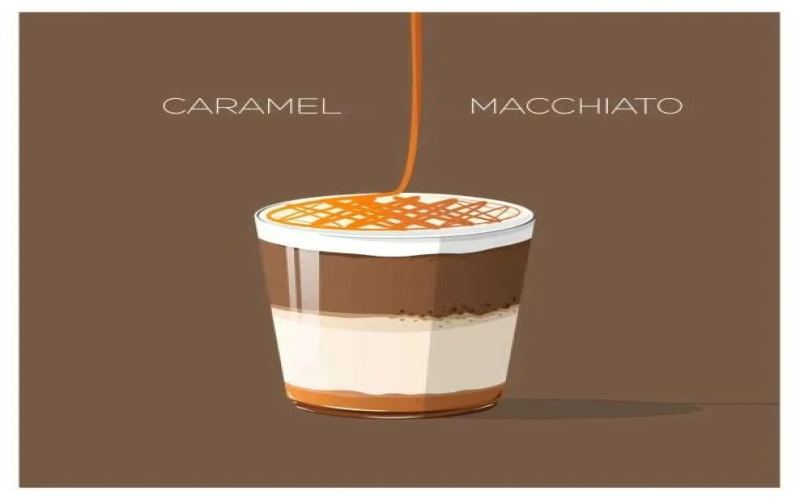
SOE Single Origin: Balancing Budget and Drinking Frequency
When it comes to SOE single-origin coffee, start by looking at how you plan to drink it every day. For everyday bean buying, you need to consider how quickly you'll go through them, how much to buy at a time, and whether you mainly make black coffee or milk coffee at home. If you mostly drink black coffee, you can pay more attention to aroma and aftertaste; if you often add milk, then you need to consider whether the intensity and body can hold up. This [more…]
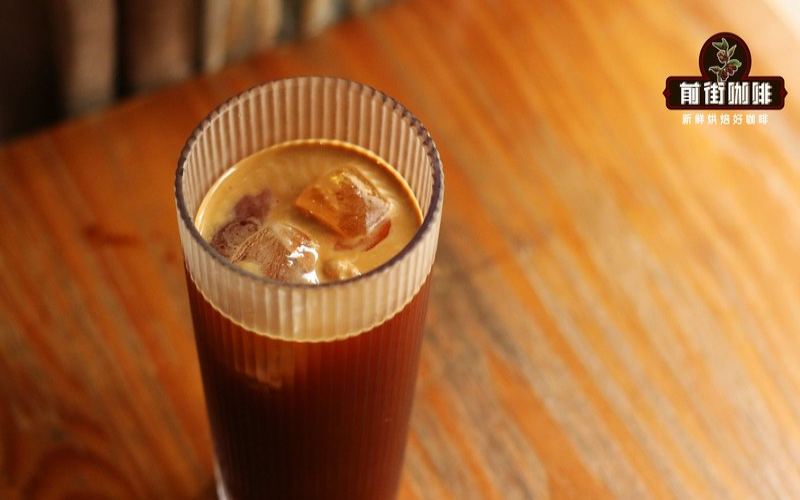
Can SOE be brewed with pour-over? Balancing budget and drinking frequency
The pour-over performance of SOE coffee beans isn't something you can master just by memorizing a few names. When buying beans day to day, you need to consider how quickly you'll drink them, how much to buy at once, and whether your household mainly drinks black coffee or milk coffee. What's truly worth referencing is the sweet-to-sour ratio on the palate, the body's thickness or thinness, and the lingering finish as the coffee cools—then, combined with your brewing habits, make your choice. [more…]
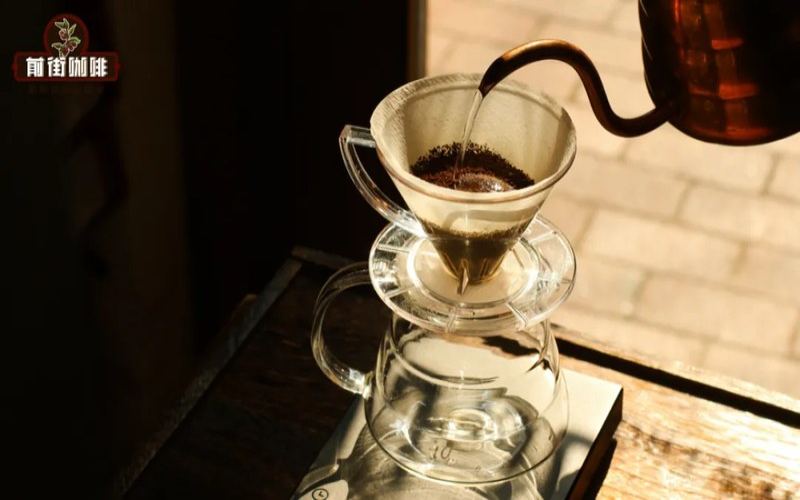
Choosing Blend Coffee Beans by Roast Level: From Bright Fruit to Rich Cocoa
The charm of blended coffee beans lies in the fact that different origin beans, when combined, can form a more complete and stable flavor. When selecting, you can first look at the roast level: light roasts tend toward bright aromas, medium roasts balance sweetness and smoothness, while dark roasts emphasize cocoa, nutty, and roasted notes. By comparing these against your own drinking habits, choosing beans becomes much easier. [more…]
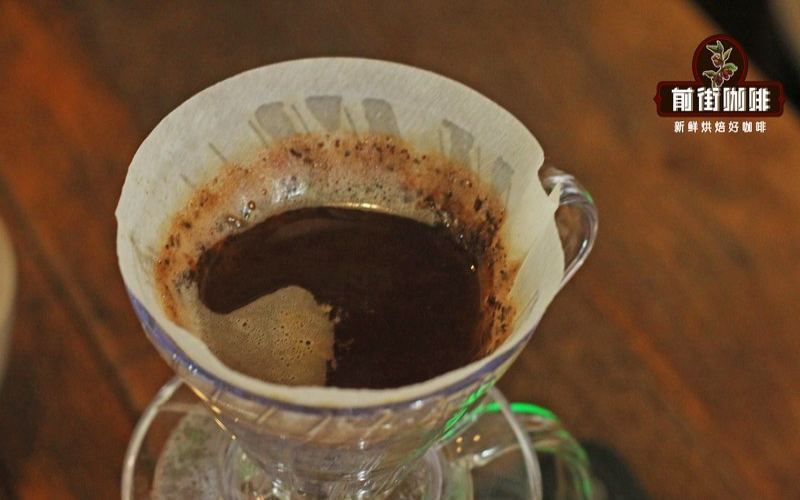
Recommend a few cost-effective home espresso coffee beans: balancing budget and drinking frequency
A cost-effective espresso bean for home use isn't just about memorizing a few names. When buying beans day to day, you need to consider how fast you'll go through them, how much to buy at once, and whether your household mainly drinks black coffee or milk-based coffee. What's truly worth referencing is the sweet-to-sour ratio on the palate, the body's thickness, and the aftertaste once it cools, combined with your brewing habits, [more…]
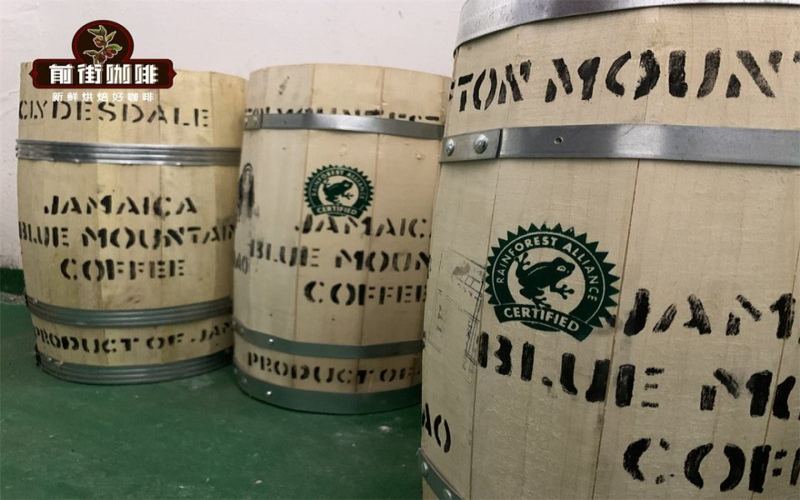
Which tastes better, a blend or an SOE? Choose by roast level to better suit your taste.
Whether coffee tastes good often depends on how well the roast level and the brewing method complement each other. Blends combine beans from different origins or lots, while SOE usually refers to espresso made from a single origin or single lot. There is no fixed answer for the two—light roasts highlight aroma, medium roasts highlight sweetness, and dark roasts highlight body. According to your [more…]
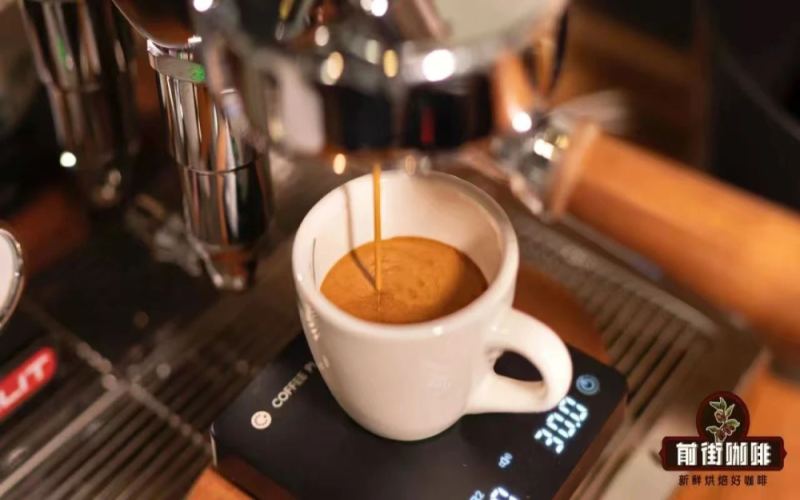
Piccolo Coffee | Piccolo Latte What are the flavor characteristics of Piccolo Coffee? What should be noted when making an authentic Australian-style Piccolo Latte?
Nowadays, when we walk into a coffee shop, we can see all kinds of drinks. Just the combinations of milk and coffee alone come in many varieties: latte, cappuccino, flat white, dirty, piccolo... I believe everyone is already familiar with the first four, so what exactly is this piccolo, which sounds so "niche"? Piccolo coffee is also called [more…]
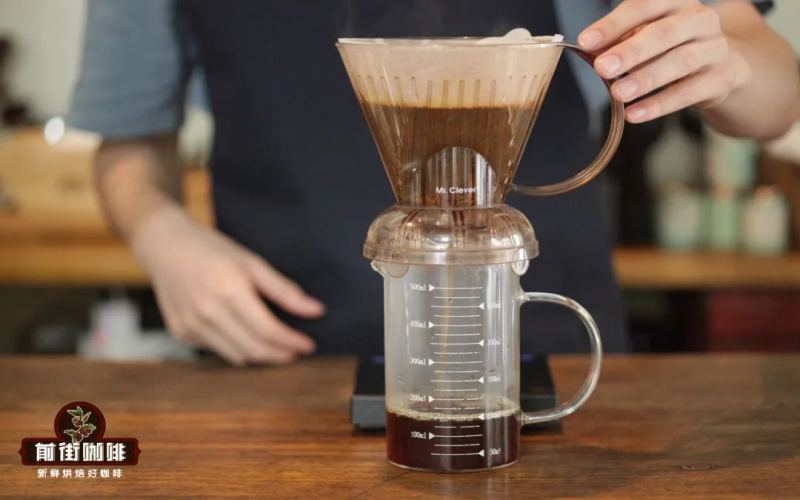
Clever Dripper Pour-Over
As specialty coffee sweeps the globe, more and more people enjoy drinking coffee. But over the past two years of black swan events, people have realized that sometimes having money is not true freedom—mastering a skill is. Pour-over coffee may be the most fun and simplest way, but beginners with poor technique often [more…]
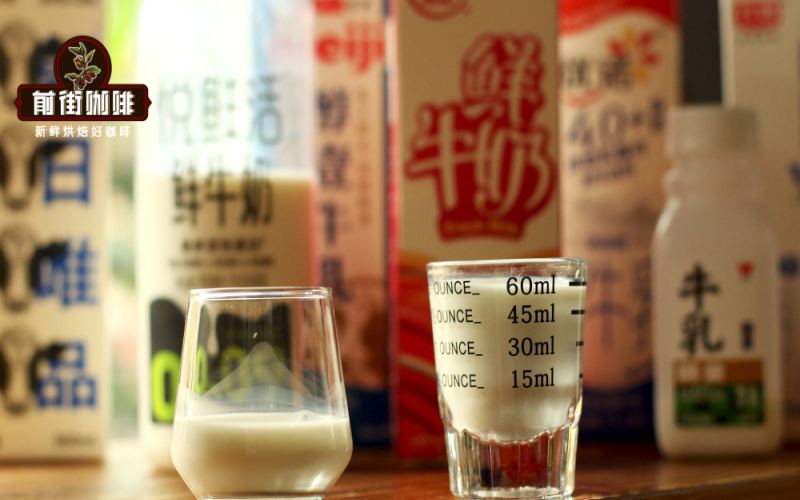
Espresso Bean Selection Guide | What Milk Pairs with Classic Espresso? Which Espresso Coffee Beans Are Recommended for Coffee Shop-Style Espresso?
Many people may not know that making an ideal espresso requires a good deal of effort, including selecting coffee beans, resting the beans, and extraction—every one of these aspects must be ensured without fail, as missing even one link may prevent you from making a rich and aromatic Italian-style coffee. Next, let's start with the first and most important point. [more…]
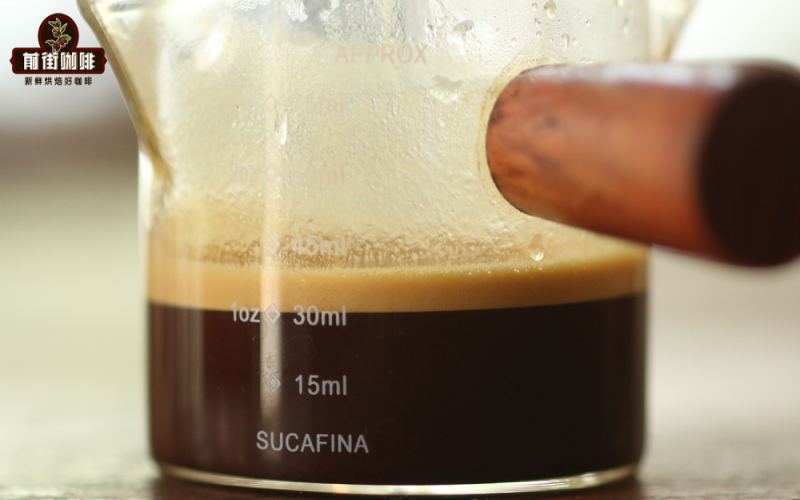
Espresso Flavor Characteristics | How to Properly Drink Espresso? How Much Caffeine Is in Espresso? Recommended Espresso Coffee Bean Brands
For more specialty coffee knowledge, please follow: Front Street Coffee (Frontsteet Coffee). Espresso is the soul of Italian coffee, commonly called Italian-style espresso. As the name suggests, it comes from Italy, with high concentration and a strong taste. A good espresso is like a good base liquor, [more…]
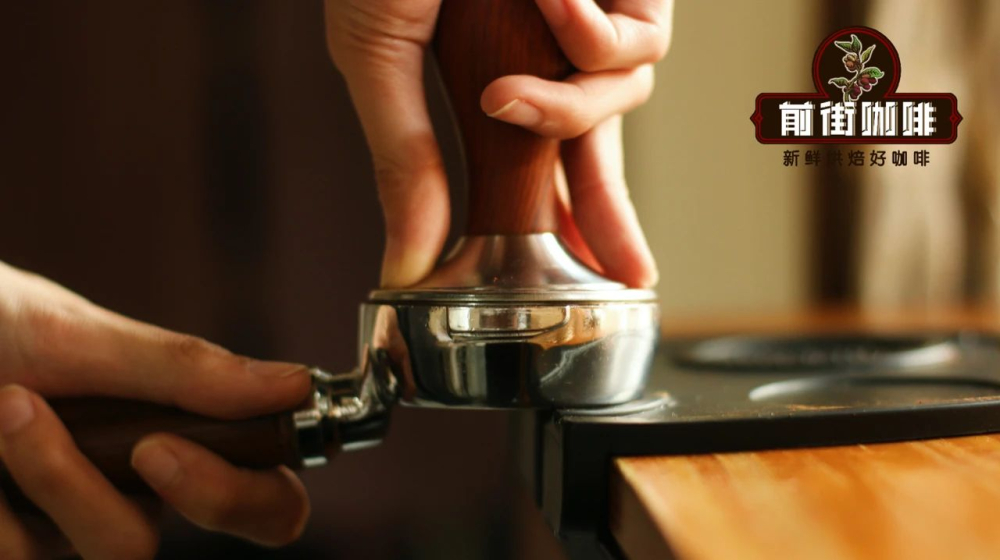
How to Make an Espresso Latte | What Is a Latte? Which Coffee Beans Should You Choose to Make a Latte Milk Coffee?
"I'm not in a café, I'm on my way to one." For Italians who love coffee, latte is an all-too-familiar drink. On a beautiful morning, sipping a cup of latte feels incredibly cozy and refreshing. So, what exactly is a latte? And how is it made? Below, join Front Street Coffee (Fr [more…]
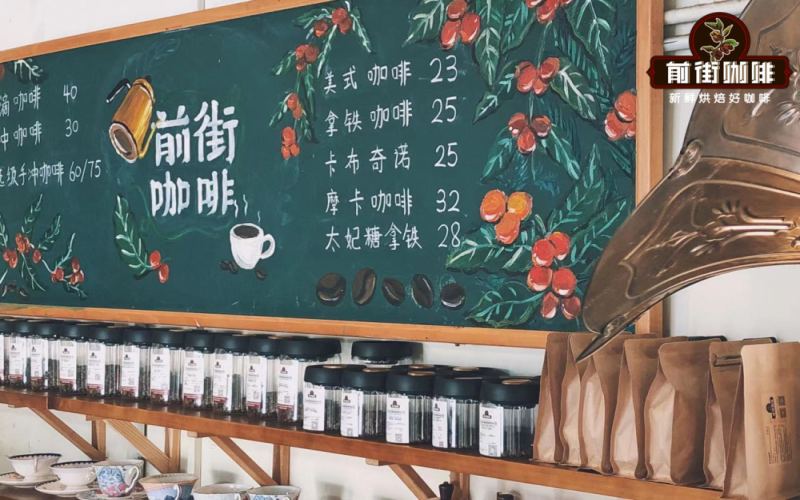
Coffee Types | Is Iced Americano Black Coffee? Is Americano Bitter? What Do Americano, Latte, Cappuccino, and Mocha Refer To?
Every time we visit a café, we always see four "regulars" on the coffee menu: Americano, Latte, Cappuccino, and Mocha. They are all espresso-based Italian-style coffee drinks. So what are the differences between them? When we go to a café, how should we [more…]