







Search Results for: colon appreciation
Exchange Rate Fluctuations Hit Costa Rica: Tourism and Coffee Industries Face Income Shrinking Dilemma
Costa Rica, as a Central American country with outstanding economic performance, relies heavily on agriculture, foreign trade, tourism, and the service sector in its national economy. However, between June 2022 and December 2023, the US dollar to Costa Rican colón exchange rate fell sharply by about 24%, bringing unexpected difficulties to the local tourism and coffee industries. Tourist spending power declined, coffee export earnings shrank, yet the government viewed the colón's appreciation as a sign of economic strength. This article will analyze in depth how exchange rate fluctuations have impacted these two pillar industries, and explore the multiple challenges facing coffee growers. [more…]

Does coffee enema really have miraculous colon-cleansing and detox effects? An analysis of the potential health risks of long-term use
In recent years, coffee enemas have attracted attention online as a so-called detox therapy, even appearing in product sales. This article traces the historical origins of this therapy, sorts out its claimed benefits, and, drawing on medical perspectives, points out that coffee enemas lack supporting research evidence and that long-term practice may disrupt gut flora and cause serious consequences such as burns or perforation. At the same time, drinking coffee itself can gently promote bowel movements, so there is no need to risk enemas. At the end of the article, Front Street Coffee's professional information channels are also retained for enthusiasts to communicate. [more…]
The Story Behind Rwanda's Coffee Industry: A Comprehensive Analysis of Red Bourbon Washed Processing and Pour-Over Flavor
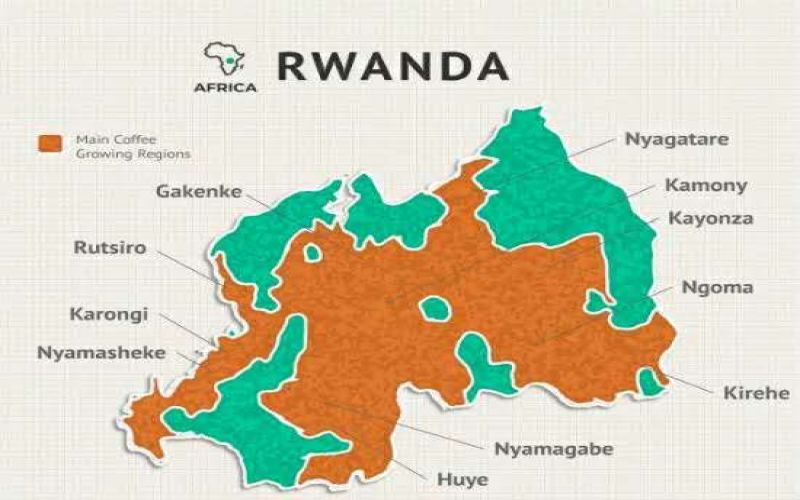
Although Rwanda is landlocked in Africa, it possesses unique coffee-growing conditions such as high altitude, volcanic soil, and abundant sunshine, and is known as the "Land of a Thousand Hills." However, the country's coffee industry has endured the severe trials of genocide, colonial suppression, and global price collapses. Today, Rwandan coffee is mainly of the Bourbon variety, with more than 90% processed by the washed method, presenting fresh flavors of floral aromas, citrus, and berries. Front Street Coffee takes you on an in-depth look at the historical background, producing regions, variety characteristics, and pour-over parameters of Rwandan coffee, and recommends the Giseke coffee and Red Bourbon washed beans launched by Front Street, to explore how this land is rebuilding life and the economy through coffee. [more…]
A Comprehensive Analysis of the Historical Evolution, Growing Conditions, and Quality Grading of Rwanda's Coffee Regions
Although Rwanda is located near Ethiopia, a major African coffee producer, it suffered a severe blow to its industry due to the 1994 genocide and the global coffee price crash. The OCIR organization established after independence gradually promoted coffee quality improvement. Leveraging its high altitude, volcanic soil, and land of a thousand hills, Rwanda mainly developed Bourbon varieties and washed processing. The coffee from the Huye Mountains in the south and the shores of Lake Kivu in the west each have distinctive flavor characteristics. The Cup of Excellence competition held in 2010 further brought specialty lots to the international stage. Front Street Coffee has also added two beans, Gaseke and Washed Red Bourbon, showcasing citrus, berry, and honey sweetness through a medium-light roast. This article will outline the historical context, producing regions, variety advantages, and processing details of Rwandan coffee, introducing you to the unique terroir of this landlocked African origin. [more…]
Detailed Guide to Rwandan Coffee Pour-Over Method and Introduction to Murundo CWS Washing Station
Although Rwanda is a landlocked country in Africa, it enjoys favorable conditions such as high altitude, volcanic soil, and abundant sunshine, making it a coffee-producing region that cannot be ignored in the specialty coffee world. However, the 1994 genocide and the collapse of global coffee prices once dealt a heavy blow to its coffee industry. After independence, with the establishment of the official coffee organization OCIR, Rwanda gradually focused on improving quality and used the washed processing method to showcase the floral and citrus notes of the Bourbon variety. In this article, Front Street Coffee will guide you through the history of Rwandan coffee, the distribution of producing regions, and the washed processing flow, and use a Red Bourbon from the western shores of Lake Kivu as an example to share specific pour-over parameters and brewing suggestions, helping you extract a fresh and richly flavored cup. [more…]
Coffee Revival in the Land of a Thousand Hills: An Analysis of Rwandan Coffee Bean Flavor Characteristics and Regional Processing Methods
Rwanda is known as the "Land of a Thousand Hills," where high altitudes, volcanic soil, and abundant sunshine provide exceptional conditions for coffee cultivation. Yet the coffee industry in this heart of Africa endured the dual blows of colonial suppression and ethnic tragedy, only gradually reviving after independence. Today, Rwanda centers on the Bourbon variety and relies on meticulous washed processing to craft a bright flavor profile interwoven with floral notes, citrus, and berries. The Giseke coffee beans launched by Front Street Coffee come from the Nyamasheke region on the shores of Lake Kivu in the west, roasted at a medium-light level to present its fresh acidity and rich layers. This article will comprehensively decode the flavor secrets of Rwandan coffee, from its historical context and regional distribution to varietal characteristics and processing details. [more…]
Rwanda Coffee Flavor Characteristics and Price Analysis: Bourbon Variety, Washed Processing, and Introduction to Front Street Gaseke
Although Rwanda is located in the heart of Africa's coffee belt, its coffee is not widely seen on the market due to historical turmoil and market factors. This article systematically examines the variety composition, washed processing techniques, and producing regions of Rwandan coffee, from the ethnic tragedy and colonial history to the rebuilding of the industry, and analyzes its flavor characteristics and pricing. Using a washed Red Bourbon from the Western South Huye region, Front Street Coffee takes you to experience the unique berry-like sweet-tartness and green tea aroma of the Land of a Thousand Hills, while also exploring the quality story behind the potato taste defect and the Cup of Excellence competition. [more…]
Rwanda's Coffee Industry: From Historical Trauma to the Rise of Specialty Washed Beans in a Landlocked African Nation
Although Rwanda is a landlocked country in Africa, its high altitude, volcanic soil and temperate highland climate have made it a coffee origin that cannot be overlooked on the specialty coffee map. This article traces the complete story of Rwandan coffee, from low-quality, high-volume production during the colonial period, through a difficult recovery after the genocide, to the establishment of a washing station system, the hosting of the Cup of Excellence, and its entry into international markets. It also introduces the flavor differences among its main producing regions such as the south and west, analyzes the reasons why Bourbon-family varieties are at the core and washed processing dominates, and includes information on the Giseke coffee beans sold by Front Street Coffee along with brewing suggestions, helping readers gain a comprehensive understanding of the coffee strength of this "Land of a Thousand Hills." [more…]
A Comparison of Two Classic Arabica Varieties: The Origins and Flavor Differences of Typica and Bourbon Coffee Beans
Many people think black coffee is inherently bitter, but those who truly understand specialty coffee will tell you that bitterness comes in two kinds: the pleasant kind and the kind that makes you frown. Similar to wine tasting, the first step to getting into specialty coffee is understanding coffee varieties. Typica and Bourbon are the two most core branches under the Arabica species—one is known for its pure sweetness, the other for its bright fruity acidity—and their respective spread trajectories and mutant families have profoundly shaped the landscape of today's global coffee-producing regions. This article will follow the historical threads of these two major varieties, sorting through the characteristics of varieties and regions such as Red Bourbon, Caturra, Java, Yirgacheffe, and Sidamo, to help coffee enthusiasts build a clearer tasting framework. [more…]
A Complete Guide to Indonesian Mandheling Coffee: Sumatra Terroir, Variety Evolution, and Wet-Hulling Processing
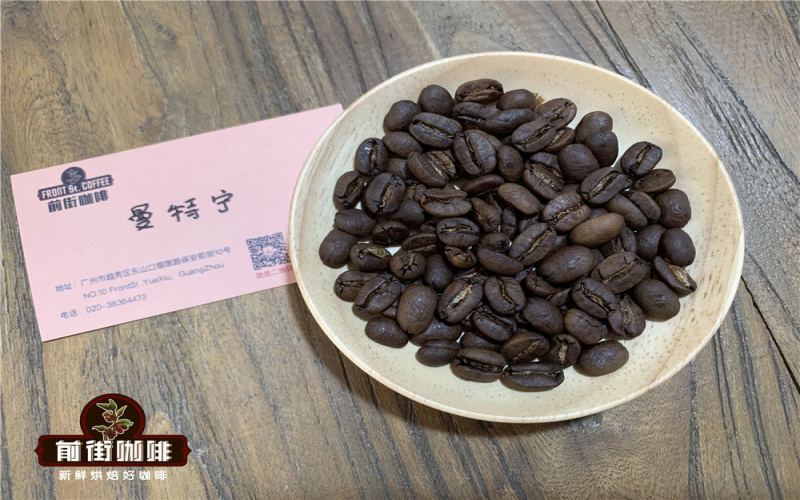
Mandheling is the iconic representative of Indonesian coffee, renowned for its full-bodied flavor interweaving herbal, pine, nutty, and caramel notes. The name of this coffee originates from a linguistic misunderstanding, yet it has become a classic symbol of Asian coffee. This article provides a complete overview of the origin of the Mandheling name, the history of coffee cultivation in Indonesia, the terroir differences between Sumatra's two core producing regions (Aceh and Lintong), the varietal transition from Typica to Catimor, and how Indonesia's unique wet-hulling process shapes its low-acid, high-body character. It also introduces Front Street Coffee's Lintong Mandheling and Golden Mandheling, along with specific brewing parameters and flavor descriptions for coffee enthusiasts' reference. [more…]
Kenyan Coffee Origin Story and Flavor Analysis: From Planting History to the AA Grading System
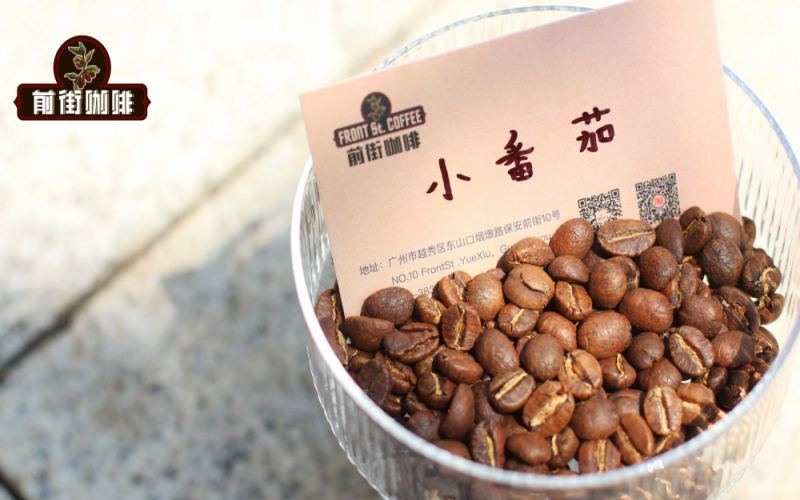
Kenyan coffee is renowned for its clean, crisp cup and bright fruity acidity, making it a favorite among many specialty coffee enthusiasts. From the perspective of Front Street Coffee, this article systematically sorts through Kenya's coffee-growing conditions, historical context, distribution of its ten major producing regions, and unique grading system, while also providing an in-depth analysis of the factors behind its flavor. The article also includes Front Street's Kenyan Little Tomato brewing parameters to help readers gain a comprehensive understanding of the appeal of this East African coffee-producing country. [more…]
Why Does Kenyan AA Coffee Have a Tomato Flavor? A Comprehensive Analysis of Producing Regions, Grading, and Brewing Key Points
Kenya AA coffee is renowned for its bright fruit acidity and distinctive tomato-like flavor, making it one of the most recognizable presences in specialty coffee. This article systematically analyzes the origins of Kenyan coffee's flavor, from growing conditions and historical context to the top ten producing regions, the official grading system, and the K72 washed processing method. The baristas at Front Street Coffee combine cupping and pour-over practice with Kenyan Asaliya beans to share specific parameters and brewing techniques, helping enthusiasts understand this "most acidic coffee's" clean mouthfeel and its layers reminiscent of smoked plum and cherry tomato—ideal for readers who want to delve deeper into Kenyan coffee. [more…]
Panama Specialty Coffee Association and Producing Regions: From the BoP Competition to the Geisha Flavor of Kotowa Estate
Although Panama is a small country, it occupies a pivotal position in the world of specialty coffee. This article begins with an overview of Panama as a nation, then traces its coffee-growing history, the three well-known producing areas in Chiriquí Province, its main varieties and processing methods, and focuses on the Specialty Coffee Association of Panama (SCAP) and the Best of Panama (BoP) competition. It also details the family heritage of Hacienda La Catoiva, the flavor differences between the Duncan and Don Hé plots, and the cupping performance of the 2017 BoP auction lot of natural Geisha. Front Street Coffee recommends paying attention to the charm of Geisha from this producing region. [more…]
A Complete Guide to Mandheling Pour-Over: Wet-Hulled Processing, Flavor Characteristics, and How to Choose Golden Mandheling
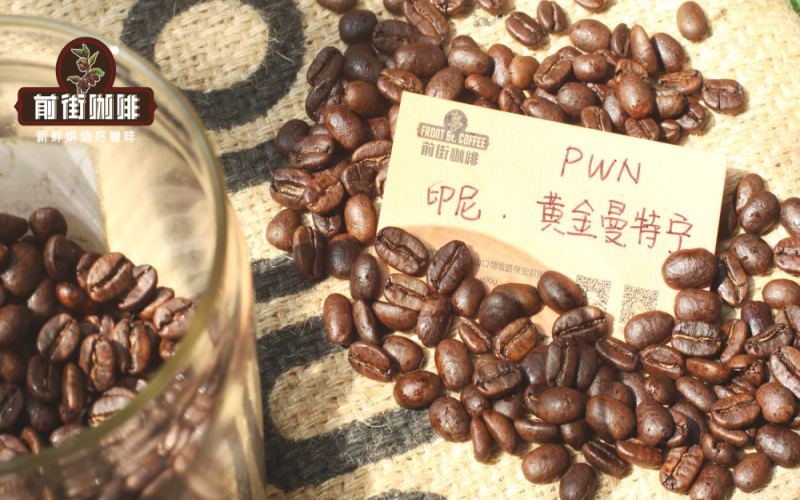
Mandheling is the most iconic coffee of Sumatra, Indonesia, capturing the hearts of countless coffee lovers with its rich, intense flavor that is low in acidity and free of astringency. How exactly does its unique wet-hulling process work? Why do Indonesians use this special method to process coffee beans? Where do the earthy, smoky, and chocolate notes of wet-hulled Mandheling come from? Additionally, what exactly is the "Golden Mandheling" often mentioned on the market, and how does it differ from regular Mandheling? This article will systematically organize the complete knowledge of Mandheling coffee, from its origin and processing techniques to flavor characteristics and purchasing tips, while interspersing a product comparison between Front Street Mandheling and Front Street Golden Mandheling to help you fully understand this classic coffee. [more…]

Recommended Hand-Brewed Imported Coffee Beans: Indonesian Mandheling Flavor Analysis and Front Street's Guide to Brewing Four Major Mandheling Coffees
Mandheling is the representative of Indonesian coffee and a classic choice for pour-over enthusiasts seeking a rich, full-bodied taste. This article begins with the history of coffee cultivation in Indonesia, traces the origin of the name Mandheling and the screening standards for PWN Golden Mandheling, and introduces one by one the four Mandheling coffees sold by Front Street Coffee—Golden, Tiger, Aged, and Lintong. It also explains how Indonesia's unique wet-hulling method shapes Mandheling's signature herbal and earthy flavors, and finally includes the pour-over parameters and staged extraction steps provided by Front Street to help you brew a clean, sweet-aftertaste cup of Mandheling at home. [more…]
The Origin and History of Indonesian Kopi Luwak: The Truth About Civet Coffee from Java to Sumatra
Kopi Luwak, scientifically known as Indonesian civet coffee, has long been regarded as one of the highest-priced coffee categories in the world, with retail prices starting at no less than six hundred US dollars per pound. The history of this coffee can be traced back to the Dutch colonial period in Indonesia, from its accidental discovery on plantations in Java and Sumatra to its current status as a highly controversial luxury item. This article will comprehensively sort out the past and present of Kopi Luwak from the perspectives of historical origins, bean sources, animal habits, and certification difficulties, while also discussing Front Street Coffee's views on this special coffee and recommending a specialty coffee in Indonesia worth tasting — Golden Mandheling. [more…]
The Coffee Flavor Code: Acidity, Mouthfeel, and the Four Principles of Appreciation — Understanding the Taste Layers of Specialty Beans
Is the acidity in coffee an advantage or a disadvantage? Why is some acidity pleasant while other acidity makes people frown? Starting from the sources and perception of acidity, this article analyzes one by one the meanings of tasting terms such as clean, balanced, texture, and complexity, and introduces the four major appreciation principles of acidity, texture, aroma, and flavor. At the same time, drawing on Front Street Coffee's brewing experience, it helps enthusiasts clarify the difference between good acidity and bad acidity, master the effects of adding sugar and extraction temperature on flavor, and thereby truly understand how to describe and appreciate the layers and personality of a cup of specialty coffee. [more…]
A Complete Guide to Coffee Flowering: From Bud Development to Full Bloom, Understanding Blooming Habits and Appreciation Points
In early spring, the creamy-white flowers that bloom on coffee trees are not only elegant in form and rich in fragrance, but also hold many fascinating botanical characteristics. This article walks you through the structure of coffee flowers, their flowering habits, and the differences in flowering periods among various varieties. It also explains why drought or low temperatures can cause star-shaped flowers to appear, and how irrigation can increase the proportion of normal flowers. Whether you are a coffee enthusiast or a grower-observer, you will gain practical knowledge about appreciating and cultivating coffee flowers. [more…]
How to Properly Taste Indonesian Mandheling Coffee? A Comprehensive Analysis of Brewing Parameters and Flavor Characteristics
Mandheling is the first impression many people have when they encounter single-origin coffee—full-bodied, slightly bitter, carrying aromas of nuts and chocolate, with low acidity yet not entirely without it. Behind this lies an inseparable connection to Indonesia's unique wet-hulling processing method. This article will start from a tasting of Front Street Mandheling, sorting through Indonesia's coffee history, geographical and climatic conditions, and the flavor origins of Mandheling, while also introducing the correct way to drink it, helping coffee enthusiasts gain a more complete understanding of this classic bean. [more…]
Ethiopian Coffee Legends: The Flavor Codes of Yirgacheffe, Sidamo, and Harar
As the birthplace of coffee, Ethiopia holds an irreplaceable position in the global coffee landscape. It is not only a genetic treasure trove of Arabica coffee but also the cradle of three legendary regions: Yirgacheffe, Sidamo, and Harar. From the ancient legend of the shepherd Kaldi to today's rich and varied flavor expressions, Ethiopian coffee has always been fascinating. This article will take you into this coffee holy land, exploring its cultivation history, processing methods, and unique taste, and understanding how Front Street Coffee interprets these precious bean varieties. [more…]