








Mandheling is the representative coffee of Indonesia and a classic choice for pour-over enthusiasts seeking a rich, full-bodied taste. This article begins with the history of coffee cultivation in Indonesia, traces the origin of the name Mandheling and the screening standards for PWN Golden Mandheling, and introduces one by one the four Mandheling coffees sold by Front Street Coffee — Golden, Tiger, Aged, and Lintong. It also explains how Indonesia's unique wet-hulling method shapes Mandheling's signature herbal and earthy flavors, and finally includes the pour-over parameters and staged extraction steps provided by Front Street to help you brew a clean, sweet-aftertaste cup of Mandheling at home.
To learn more about specialty coffee, welcome to follow: Front Street Coffee
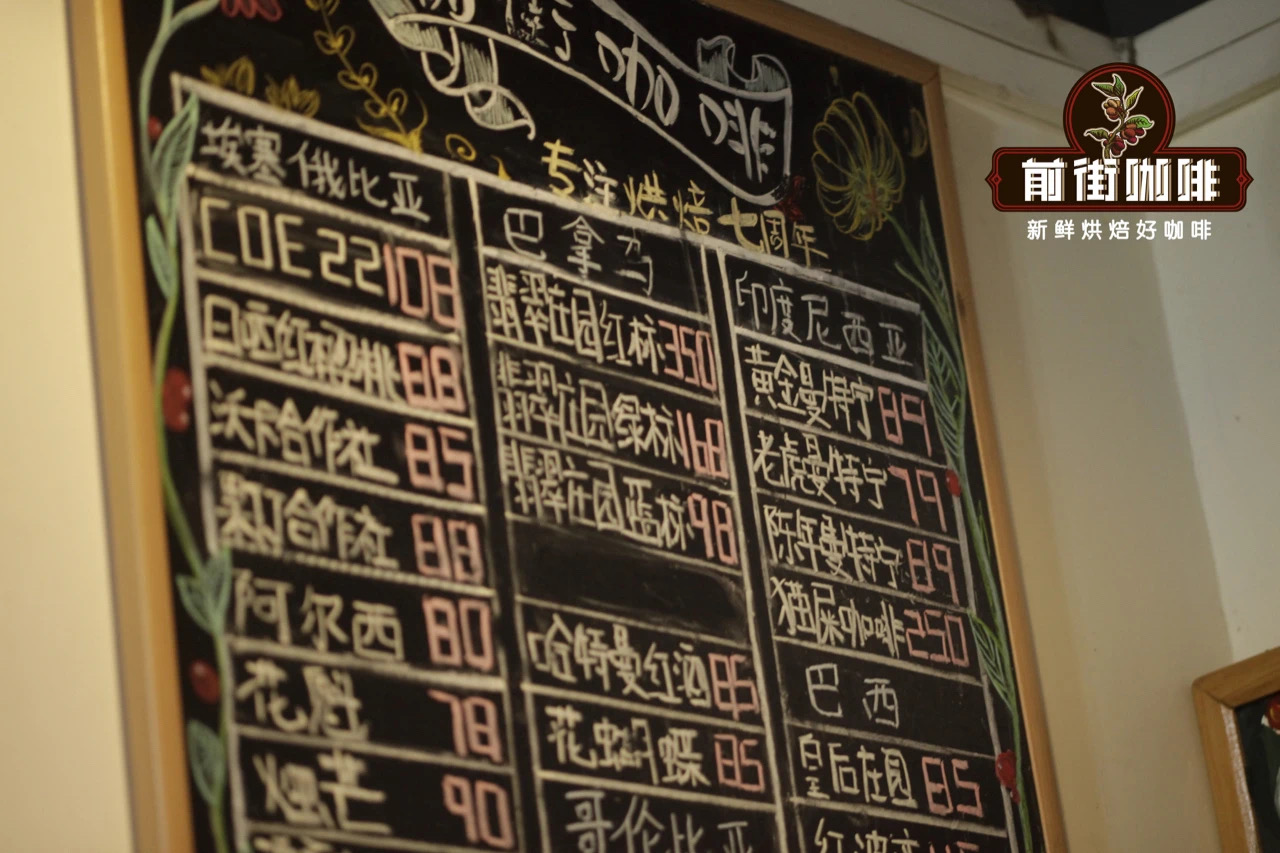
Much like wine, coffee varies greatly by origin. Factors such as soil conditions, climate characteristics, and green bean processing methods together shape the final flavor profile of coffee from a given region. Whenever a customer asks for a coffee with a prominent full body, the baristas at Front Street Coffee usually recommend Front Street Mandheling first. Today, Front Street Coffee will take you through an in-depth look at this Front Street Mandheling coffee.
The Coffee History of Indonesia
Indonesian Mandheling is considered one of the most sought-after coffees in the world and is hailed as the coffee gem of Indonesia. Next, Front Street Coffee will start with the development of coffee in Indonesia and give you a comprehensive explanation of Front Street Indonesian Mandheling coffee.
You may not know that Indonesia was one of the first countries in the world to cultivate coffee commercially — earlier than most of Africa, other parts of Asia, and the Americas. In the late seventeenth century, coffee trees were introduced to Indonesia by Dutch merchants and colonists. The first island where coffee was planted was Java, where Jakarta (then called Batavia) is located. By 1699, the Dutch colonial government had established plantations throughout the city; in 1711, Indonesian coffee began to be exported, and the Dutch East India Company shipped the first batch of coffee from Java to Europe. Java quickly rose to become one of the world's largest coffee-producing countries and also became Europe's preferred supplier of coffee beans.
Between 1860 and 1880, a disease called "coffee leaf rust" spread on a large scale, dealing a devastating blow to Asia's coffee industry. For this reason, the Dutch introduced a coffee variety resistant to leaf rust — Robusta — into Indonesia. Today, Indonesia is the world's most important producer of Robusta coffee beans. Arabica beans account for only 6% to 10% of Indonesia's total coffee production, and this includes the well-known Front Street Mandheling coffee beans.
The Story of Front Street Mandheling Coffee
When it comes to Front Street Mandheling coffee, its name comes neither from a producing region, a place name, nor a port name or coffee variety name, but from the Mandailing people of North Sumatra. What story lies behind this?
The story goes back to the period of World War II, when Japan colonized Indonesia. At that time, a Japanese officer drank an extremely delicious coffee in Indonesia and asked the shopkeeper what kind of coffee it was. The shopkeeper mistakenly thought the officer was asking about his ethnicity, so he answered "Mandailing." After returning to Japan, this Japanese man could never forget that cup of coffee, so he asked local people to help collect high-quality coffee beans and bring them back to Japan.
Because of a pronunciation deviation, the Japanese pronounced "Mandailing" as "Mandheling." Through this double misunderstanding, the name Mandheling coffee was born. The Indonesian local coffee trader from that time was precisely the founder of the later renowned PWN (Pawani Coffee Company), which was also the first company to export Golden Mandheling to Japan. It should be specially noted that because PWN Company trademarked "Golden Mandheling," "Golden Mandheling" is a coffee bean exclusive to that company.
Of course, Mandheling is not limited to just one type. Front Street Coffee currently offers four Mandheling coffees in its stores: Front Street Golden Mandheling, Front Street Tiger Mandheling, Front Street Aged Mandheling, and Front Street Lintong Mandheling. Below we will introduce them one by one.
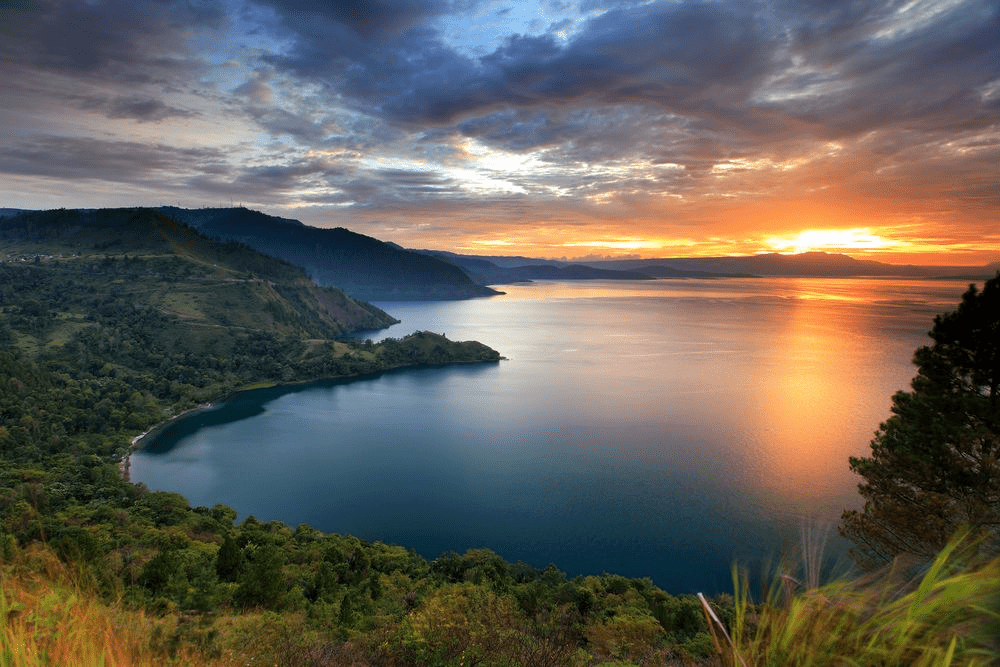
Front Street Indonesia Front Street PWN Golden Mandheling Coffee Beans Region: Gayo Mountain, Aceh Variety: Ateng Altitude: 1100-1600m Processing Method: Wet-hulled Grade: G1, triple hand-sorted
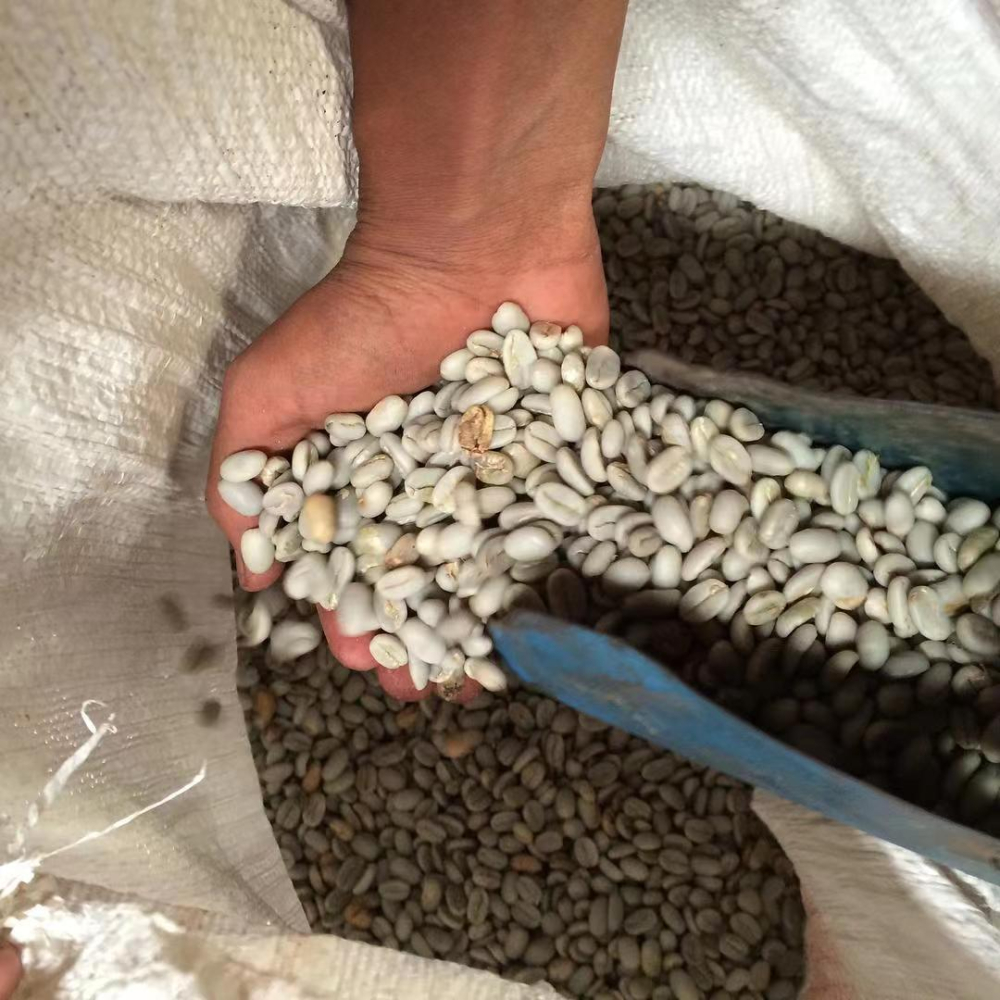
As mentioned earlier, only Mandheling produced by PWN can truly be called authentic Front Street Golden Mandheling. So what exactly is the difference between ordinary Mandheling and Front Street Golden Mandheling? It is said that after the Japanese discovered Mandheling coffee, they always paid special attention to this bean. In the process of cooperating with local green bean traders, they established a strict set of screening standards. After processing, the green beans undergo density and color sorting, and then still require four rounds of manual bean selection, ultimately presenting Mandheling with uniform color and even bean shape. During the green bean processing, Mandheling green beans in the sunlight give off a golden sheen, and this is how the name "Golden Mandheling" came about.
The Front Street Golden Mandheling sold by Front Street Coffee for many years has all come from PWN Company. The specification of Front Street Golden Mandheling coffee beans is 19 mesh; based on a 300-gram green bean sample, there are fewer than three defective beans, belonging to the highest grade G1. Thanks to the strict screening standards, Front Street has found that this Front Street Golden Mandheling not only removes the earthy off-flavors common in ordinary Mandheling, but also enters the mouth quite cleanly, with a very strong sweet aftertaste.
Observant friends may have noticed that the producing region of the latest arrival of Front Street Golden Mandheling has changed. Previously, Front Street Golden Mandheling used carefully selected Mandheling from the Lintong region, but PWN Company has now switched to Mandheling coffee from Gayo Mountain, and the packaging specification has also been adjusted from the original 60KG to 30KG.
Front Street Indonesia Tiger Mandheling Coffee Beans Region: Aceh Variety: Caturra, Typica, Sidikalong Altitude: 1500m Processing Method: Wet-hulled
Regarding the origin of the name Tiger Mandheling, there are various explanations on the market. Front Street Coffee would like to introduce the most credible one here. Legend has it that in Sumatra, tigers are rare and endangered animals. A bean hunter discovered exceptionally high-quality Mandheling green beans in an area where the poisonous Sumatran tiger once appeared, so he integrated local smallholder farmers and named it "Tiger" estate.
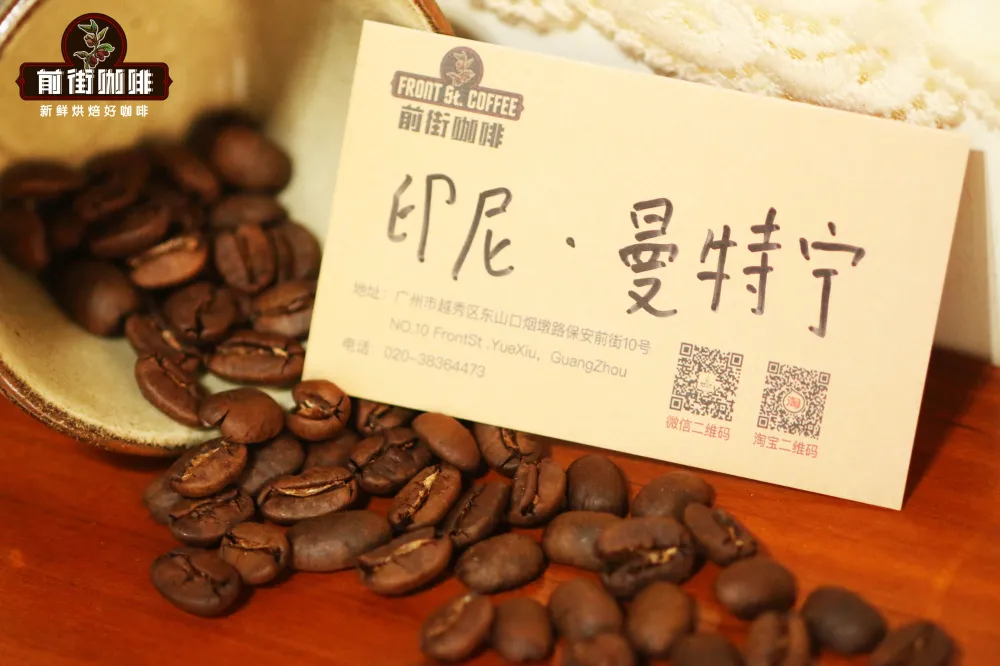
Front Street Tiger Mandheling possesses the most classic characteristics of Sumatra coffee, while also being cleaner and sweeter in taste than standard Front Street Mandheling. Front Street believes that in terms of aroma, Front Street Tiger Mandheling transforms the herbal note of traditional Mandheling into a more pronounced nutty character, with a caramel-like sweetness.
Front Street Indonesia Aged Mandheling
Front Street Coffee has always emphasized the importance of fresh coffee beans to flavor, so why does it still choose Front Street Aged Mandheling? Let us first understand the origin of Front Street Aged Mandheling. During the period when the Dutch colonized Indonesia, large quantities of coffee beans were shipped to Europe. To ensure an uninterrupted supply, coffee beans were stored appropriately. However, due to weather and the long transport route, the coffee beans often took a very long time to reach Europe. It was precisely because of this aging process that the acidity of the coffee beans disappeared, the body increased, and the flavor became unique, deeply loved by veteran European coffee enthusiasts.
Of course, aged beans are not simply coffee beans piled in a warehouse for a few years. Over time, coffee beans will rot or even become moldy and turn into bad beans. In order to recreate the flavor of that time, Front Street Aged Mandheling gradually developed a standardized production model.
Many veteran coffee lovers who come to Front Street Coffee like to order a cup of Mandheling and savor its herbal flavor and caramel-like sweet aftertaste. Regardless of the type, Mandheling seems to share some common characteristics, and this is closely related to Indonesia's unique coffee processing method. Indonesia's climate is humid, making it difficult to dry coffee for a long time. To avoid the effects of rain combining with moisture, locals had to find another way to process coffee — wet hulling/Giling Basah (known in Chinese as wet hulling).
Although the name sounds similar to the most common wet process, wet hulling is actually very different. As a processing method, wet hulling is driven by two factors: moisture and cost (saving water can reduce expenses). Coffee processed by wet hulling has a unique earthy flavor. Because it undergoes fermentation during processing, its acidity and brightness are both low; on the contrary, the body is heightened.
Actually, whether it suits you depends on what kind of coffee flavor you prefer. Some people like prominent floral and fruity notes; some are keen on flavors brought by special processing methods; and some prefer the body and unique herbal, earthy notes in Front Street Mandheling coffee.
Front Street Coffee provides the following brewing reference:
Dripper: Kono Coffee-to-water ratio: 1:15 Dose: 15g Water temperature: 88℃ Grind size: medium-coarse (70-75% passing through a standard No. 20 sieve)
For brewing beans, Front Street recommends using freshly roasted coffee beans, as this allows you to experience the coffee's rich flavors to the greatest extent. The coffee beans shipped by Front Street Coffee are all within 5 days of roasting, because Front Street deeply understands the great influence of coffee bean freshness on flavor. Front Street's roasting philosophy is "freshly roasted good coffee," so that every customer who places an order receives the coffee in its freshest state. The resting period for coffee is about 4-7 days, so when customers receive it, it is exactly at its peak flavor.
Use staged extraction: first bloom with 30 grams of water for 30 seconds, then pour in a small stream in circles until 125 grams for the stage break, wait until the water level drops and is about to expose the coffee bed, then continue pouring until 225 grams and stop, and when the water level drops and is about to expose the coffee bed, remove the dripper (start timing at the beginning of blooming). The extraction time for the V60 dripper is 2'00", while the Kono dripper takes slightly longer at 2'10".
The above content is compiled by CoffeeHunters, a coffee news website.


