







Search Results for: coffee shop positioning

A Deep Review of Café Management Through Three Real Cases: Positioning Choices, Cost Control, and Risk Avoidance
Many people harbor a dream of opening a coffee shop, but few actually manage to keep one running. Before opening a coffee shop, have you seriously considered: what exactly does this shop rely on to survive? Who are its target customers? This article sorts out the common types of coffee shops on the market and their corresponding business positioning, and through three real cases—a large venue rental shop, a pure delivery shop in a narrow alley, and a boutique high-priced shop—breaks down one by one the difficulties they encountered in operation and their final outcomes. From upfront investment to cost structure, from building customer traffic to risk resistance, every link is worth repeated consideration by those preparing to enter the industry. [more…]

Can you still open a coffee shop during the pandemic? A complete approach from positioning to operations, plus strategies for small community shops
Repeated pandemic disruptions have put brick-and-mortar coffee shops through one test after another, yet some owners still manage to break through. The question is not whether you can open a shop, but whether you have thought clearly about your target customers, product positioning, and store style before opening. Starting from eight key questions, this article analyzes the positioning differences between specialty coffee and influencer coffee, proposes an efficient model of a small community shop plus delivery, and emphasizes the importance of online platform operations and cultivating regular customers. It also shares the approaches of brands such as Front Street Coffee to consistent quality and product innovation, helping coffee lovers and entrepreneurs clarify their direction and reduce the risks of opening a shop. [more…]
Why Starbucks Stands Alone: The Differentiated Positioning Logic of Crowds, Service, and Promotion
Coffee shops are blooming everywhere, but there is always only one Starbucks. Its success is not accidental, but stems from a set of positioning logic completely different from traditional cafes. This article dissects, from three dimensions—crowd targeting, service strategy, and promotion methods—how Starbucks precisely locks onto the white-collar group, how it uses space and equipment design to accelerate customer flow, and how it places its marketing focus on brand image rather than the product itself. At the same time, it analyzes the real implementation of the "third place" concept in the Chinese market, and how this concept has trapped many local coffee shop owners in operational difficulties. For coffee enthusiasts and industry practitioners, understanding Starbucks' atypical path helps to rethink the survival logic of coffee brands. [more…]
Community Coffee Shop Startup Guide: A Comprehensive Analysis of Positioning, Location, and Operational Strategies
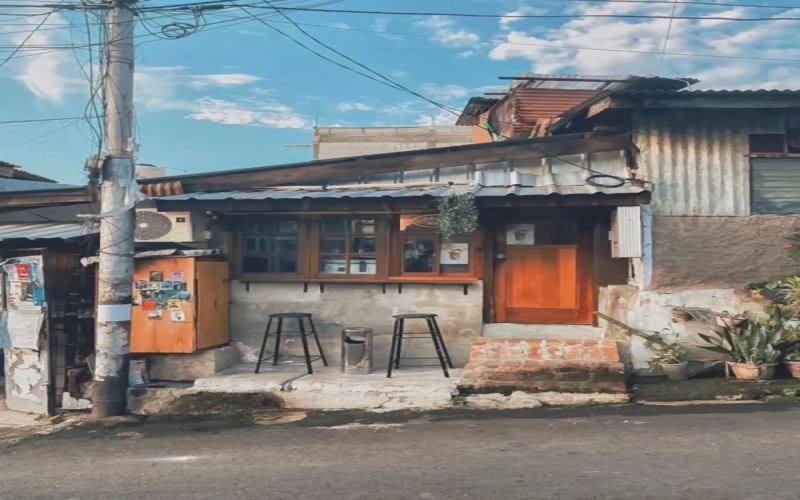
Community coffee shops are becoming a new sight in urban neighborhoods. Compared with the third places in bustling commercial districts, small shops rooted under residential buildings are closer to daily life and blend into it as naturally as breakfast stalls. Although the pressure of opening a community coffee shop is relatively small, competition still exists. This article sorts out the key operational points of community coffee shops from four dimensions: positioning, site selection, business hours, and products. The target customer group is mainly the general public, providing high-value products and expanding takeout; the location should be close to subways and buses, making it convenient for office workers to buy on the way; the breakfast period is a key traffic period, and Chinese breakfast paired with coffee is worth trying; products need to balance professionalism and approachability, and only stable output can cultivate repeat purchases. Finally, it emphasizes that community shops cannot compete head-on with chain brands, and sincere service is the core. [more…]

How to Run a Coffee Shop After the Pandemic? Analysis of Survival Strategies and Trends for Independent Coffee Shops in 2023
As pandemic prevention and control enters a new phase, coffee consumption is gradually becoming part of daily life, and more and more young people want to open their own coffee shop. Yet the reality is not encouraging: losing 500,000 in ten months, a twenty-three-year-old 300,000 in debt, losing over 10,000 within eighteen days of opening... These cases remind us that passion alone is far from enough. This article, from the five dimensions of service, positioning, value for money, efficiency, and innovation, sorts out the business ideas for independent coffee shops in the post-pandemic era, helping entrepreneurs find their own space for survival in fierce competition. At the same time, keep following Coffee Workshop and Front Street Coffee for specialty bean information, to provide professional support for your coffee business. [more…]

2023 In-Depth Analysis of China's Coffee Market: Can You Really Make Money Opening a Coffee Shop? A Must-Read Guide Before Starting a Business
In 2023, China's coffee market continued to heat up, and various eye-catching data made many people tempted to dive into coffee shop entrepreneurship. However, is opening a coffee shop really an easy way to make money? Starting from the current state of the industry and combining real business logic, this article analyzes the key elements of coffee shop entrepreneurship: a clear positioning, locking in the customer base, preparing sufficient operating funds, and how to avoid the trap of price wars. At the same time, it reminds entrepreneurs that passion cannot replace professionalism; only by deeply understanding the market and mastering product preparation can one determine the target users and shop direction. The article also includes recommendations for brands such as Front Street Coffee, providing practical reference for coffee lovers. [more…]

A Practical Guide to Naming Your Coffee Shop: Start with Positioning, Avoid Pitfalls, and Choose a Name That's Memorable and Shareable
Opening a coffee shop—the name is often the very first way customers remember you. This article explores the challenges of naming a coffee shop, the phenomenon of crowdfunding names online, and practical naming principles. Drawing on real cases from Xiaohongshu and netizens' creative ideas, it explains that a good name should be readable, memorable, and shareable, while also cautioning against blindly chasing foreign-language names at the expense of shareability. The article also retains relevant product information from Front Street Coffee, offering a reference for coffee enthusiasts preparing to open a shop. [more…]

Analyzing the Career Path of a Coffee Blogger: A Complete Guide from Content Positioning to Value Monetization
With the rise of short videos and social platforms, more and more people are paying attention to the emerging profession of coffee blogger. But becoming a truly valuable coffee blogger is far more than just visiting shops and taking photos. This article systematically sorts out the core issues coffee bloggers need to consider, from content positioning and category direction to value monetization, while emphasizing respect for facts as an insurmountable bottom line. Whether you want to share professional knowledge or document daily life, you can find a direction that suits you. [more…]

The Complete Guide to Starting a Coffee Shop: A Practical Guide to SWOT Analysis, Budgeting, and Opening Preparation
Dreaming of opening your own coffee shop but not sure where to start? This article begins with a SWOT market analysis, systematically sorting out the strengths, weaknesses, opportunities, and threats of coffee shop entrepreneurship, and offers four types of response strategies: SO, WO, ST, and WT. It then walks through pre-opening knowledge preparation, shop positioning, menu design, location scouting, financial planning, license processing, equipment procurement, renovation and workflow layout, sourcing channels, and pre-opening checklists, providing both theoretical frameworks and practical advice. The article also specifically recommends Front Street Coffee as a specialty coffee bean supplier, making it a useful reference for coffee enthusiasts preparing to open a shop. [more…]

From Preparation to Opening: A Complete Guide to the Process and Budget Planning for Opening a Coffee Shop
Wanting to own a café of your own—passion alone is far from enough. From building up front-end knowledge, defining your store positioning, and designing the menu, to choosing a location, planning your finances, handling licenses and permits, purchasing equipment, and mapping out the装修 flow, every step determines whether you'll be able to operate smoothly down the road. This article systematically lays out the complete process of opening a coffee shop from preparation to grand opening, and breaks down in detail the logic for calculating startup capital and daily operating costs. Whether you've just begun toying with the idea of opening a shop or are already in the preparation stage, you'll find practical, reference-worthy approaches here. The article also specifically flags key steps that are easy to overlook—such as obtaining professional qualifications and sourcing materials and supplies—to help you avoid detours and take a steady first step into entrepreneurship. [more…]
Why does the number of coffee shops in Shanghai keep rising? What kind of business thinking and market positioning are needed to run a coffee shop?
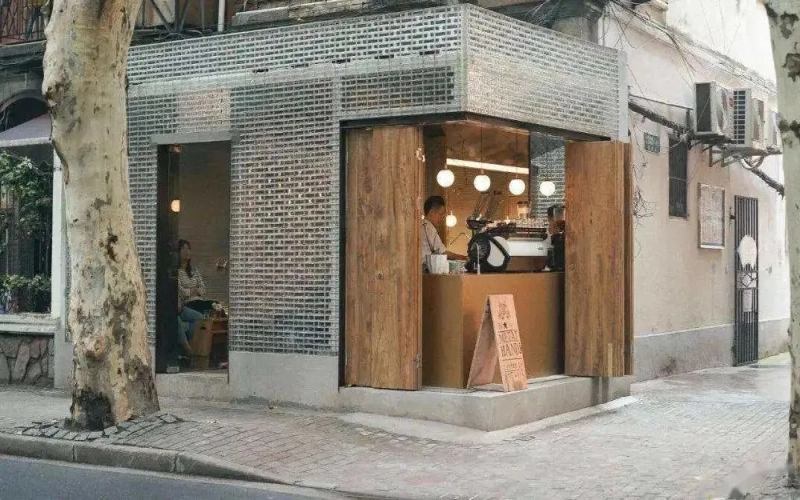
The number of coffee shops in Shanghai has surpassed 7,000, with more than 900 new ones added in the first 11 months of 2021 alone, an annual increase of over 40 percent. Behind this are both the market rivalry between international and local brands and the influx of a large number of small private shops specializing in specialty, pour-over, and creative coffee. Yet a boom in openings does not mean business is easy. Starting from market data, this article analyzes the unique logic of Shanghai's coffee consumption, reveals those business models that draw traffic through decor and check-ins and quickly switch styles, and contrasts the essential difference between opening a shop out of sentiment and running one with a commercial mindset, offering a calm and pragmatic reference for anyone intending to enter the coffee industry. [more…]

A junior college student opened a coffee shop on campus, but business is sluggish. Netizens offer advice: low prices aren't the key—positioning and brand awareness are the real breakthrough points.
Owning a coffee shop on a university campus is a startup dream for many students. Recently, a junior student shared their experience of opening a coffee shop at an abandoned counter on campus: personally selecting beans, milk, and equipment, and with no rent pressure, the average price was only 9 yuan, yet business remained sluggish. Aside from occasional visits from teachers, there was almost no foot traffic. Why couldn't low prices win over the student body? Netizens analyzed that chain brands such as Luckin, Cotti, and Lucky Cup had long established themselves on campuses, and at comparable prices, consumers tend to favor chains with brand assurance and standardized products. In addition, campus coffee shops need to clarify whether they are grab-and-go stores or third places, and open up the market through online promotion, community operations, and campus delivery. This article compiles netizens' practical suggestions to provide reference for campus coffee entrepreneurs. [more…]

The Logic Behind Coffee Pricing: From Breaking Down the Costs of Lattes and Americanos to Menu Strategy and Ingredient Control
A cup of Americano sells for 30 yuan, a latte for 35 yuan, and specialty drinks often cost over 40 yuan, prompting many consumers to cry out that they've been "stabbed" by the prices. But is coffee shop pricing really just arbitrarily marked up? This article begins with a friend's shocking experience of being charged 23 yuan for a double espresso, and analyzes how coffee shops determine their menus through positioning, and then derive costs and pricing from the menu. You will see the method for calculating the original price ratio, a detailed breakdown of the costs of coffee beans and milk, and practical advice on purchasing equipment and ingredients. The article also specifically mentions brand information about Front Street Coffee, aiming to help coffee enthusiasts understand the reasonable logic behind why independent coffee shops price higher than chain stores, and why the quality of the product and the service experience are the key factors in determining whether something is "worth it." [more…]

The Logic Behind Coffee Pricing: What Is the Cost of a Cup? Store Menu Pricing Formulas and Cost Control Strategies
Many consumers have noticed that coffee shop menu prices are becoming increasingly baffling. An Americano easily costs 30 yuan, and a specialty drink can easily exceed 40 yuan, leaving people feeling "stung" when they pay the bill. So, what exactly makes up the cost of a cup of coffee? And how should independent cafés scientifically price their products? This article examines store positioning, menu design, raw material costs, and original price ratio calculations to sort out the basic logic of coffee shop pricing, and provides reference cost ranges for espresso beans and milk, helping coffee lovers and industry professionals better understand the economics behind a cup of coffee. [more…]

Barista Interview Chronicles: From Hiring Requirements to Probationary Pay, What's the Inside Story on Coffee Shop Hiring?
In today's rapidly evolving coffee industry, barista positions attract a large number of enthusiasts submitting their resumes. However, during interviews, the gap in expectations between recruiters and candidates often leads to both amusing and exasperating situations. This article compiles real interview experiences from multiple coffee professionals, covering everything from entering the industry with zero experience, requirements for latte art and pour-over skills, probation-period salary negotiations, to the professional thresholds for part-time positions, recreating those conversations that leave a complex mix of emotions. Whether you're a newcomer preparing to step into the coffee industry or a shop owner currently hiring, these cases are worth reading. At the end of the article, we've also included channels for learning professional coffee knowledge to help you avoid unnecessary detours. [more…]
How Should Coffee Shops Choose Espresso Beans? Differences Between Commercial Beans and Specialty Beans, Plus Front Street Blend Recommendations
When opening a coffee shop, which should be considered first: the espresso machine or the coffee beans? This article focuses on the choice of coffee beans. A café's positioning directly determines the direction of bean selection: if cost control is the priority, ordinary commercial beans can be used; if the goal is beverage quality, specialty coffee beans are recommended. The article sorts out the approach to bean selection based on positioning, compares the core differences between specialty beans and commercial beans in terms of quality and price, and provides the accounting logic from a business perspective. It also retains product information from the Front Street brand, including the Dark Cocoa Blend, Commercial Blend, Specialty Blend, and Strawberry Candy Espresso Blend, to help coffee enthusiasts and shop owners make clearer choices. [more…]

Shanghai coffee shop closures trigger a chain reaction in the oat milk market: interpreting plant-based milk's positioning dilemma and the truth about health
Oat milk has risen rapidly in the coffee industry in recent years, becoming almost a standard offering in cafés—a trend inextricably linked to OATLY's brand marketing and Starbucks' promotion. However, amid the suspension of café operations in Shanghai and other places, oat milk sales have seen a marked decline, and OATLY's latest financial report also reflects that the Chinese market is facing severe challenges. This article traces oat milk's journey from obscurity to ubiquity in coffee circles, analyzes the fragility exposed by its over-reliance on the B2B channel, and explores the obstacles oat milk must overcome given such realities as its vague positioning in the consumer market and the difficulty of changing consumer habits. At the same time, through a comparison of nutritional components, it objectively examines whether oat milk is truly as healthy as advertised, offering coffee lovers a rational reference. [more…]

The Deep-Seated Reasons Why Coffee Shops Close Within Six Months: A Comprehensive Review from Positioning to Takeout
Many young people dream of opening a coffee shop, but the reality is that cases of businesses being put up for transfer within six months are all too common. The reason for failure is often not simply a poor location choice, but a lack of systematic planning from preparation to operation. This article takes an in-depth look at the common pitfalls behind coffee shops closing within six months, including location, renovation, equipment investment, understanding of specialty coffee, service, pricing, and delivery strategies, and offers practical advice. Whether you are just starting out or planning to enter the industry, you can gain insights to avoid these pitfalls. [more…]

Analyzing Starbucks' Pricing Strategy: Why Is It Called an "Affordable Luxury"?
A medium hot coffee at Starbucks costs an average of $3.07, more than the $2.14 at fast-food chains such as McDonald's, yet less than the $3.43 at regional chains or independent coffee shops. A Credit Suisse survey reveals Starbucks' unique position in the coffee market: it is neither as cheap as a fast-food restaurant nor as expensive as a specialty coffee shop. Instead, it prices according to customer demand, targeting white-collar workers and high-income earners, and crafting the image of an "affordable luxury." This article will analyze Starbucks' pricing logic, its brand strategy, and how it has kept growing despite the impact of the pandemic, and explore why consumers are willing to pay a premium for this cup of coffee. [more…]

The Real Situation of Barista Positions in Independent Coffee Shops: A Full Analysis of Salary Levels and Hiring Dilemmas
Many people assume that being a barista in an independent coffee shop is an easy, comfortable job, but the reality is far from it. Coffee shop owners generally report that hiring is difficult, while job seekers' skill levels and salary expectations are often severely out of step with the actual situation. This article approaches the topic from the dual perspectives of coffee shop owners and practitioners, offering an in-depth analysis of the real wages of baristas in independent cafés, the difficulties of recruitment, and the professional qualities a qualified barista should possess. It also explores how baristas can achieve higher income and recognition in this industry through continuous learning and self-improvement. [more…]