







Search Results for: coffee major

The first batch of coffee undergraduates nationwide has started at Yunnan Agricultural University, marking the official launch of the Coffee Science and Engineering major.
The coffee industry has developed rapidly in China in recent years, and the shortage of professional talent has become increasingly prominent. In 2024, Yunnan Agricultural University was approved to establish the country's first undergraduate program in Coffee Science and Engineering, and the first cohort of students officially enrolled in September. The launch of this program not only responds to the market's demand for talent across the entire coffee industry chain, but also marks a new stage in which coffee education in China is becoming systematized and professionally academic. From identifying coffee tree species in the field, to green bean grading, roasting parameter setting, and then to cupping and pour-over practice, the students' first lesson at the start of the semester is a content-rich introductory course on coffee. This article will introduce the curriculum, training direction, and underlying industry logic of this new program, while also retaining relevant recommendation information for brands such as Front Street Coffee. [more…]

Ministry of Education Adds Coffee Undergraduate Program at Yunnan Agricultural University, Industry Talent Gap Awaits Filling
Attention coffee lovers,重磅 news has arrived: in the Ministry of Education's latest 2024 undergraduate program catalog, Yunnan Agricultural University's application for a "Coffee Science and Engineering" major has been officially approved, which means the world's first undergraduate coffee talent training program has landed in China. What exactly does this major study? Why is the market so hungry for coffee talent? This article will take you through the curriculum of this emerging major, the industry background, and the huge potential of the coffee market, while also focusing on the current imbalance between supply and demand of talent in the coffee industry. [more…]

A Beginner's Guide to Specialty Coffee Beans: Finding the Right Pour-Over Beans for Newcomers Through the Flavors of Three Major Regions
Newcomers who have just stepped into the world of specialty coffee often feel overwhelmed by the dazzling array of coffee beans and don't know where to start. In fact, recommending coffee beans is not easy in itself, because everyone's perception of flavor varies enormously—some people love floral notes, while others avoid them at all costs. Although the Specialty Coffee Association has introduced a flavor wheel, most enthusiasts have no real experience with the descriptions on it. Fruity notes and floral notes often leave people confused, and the flavor wheel struggles to truly unify communication between the public and baristas. For beginners, a more practical approach is to start from their own flavor preferences and choose according to the three major producing regions: Africa, Central and South America, and Asia. This article will outline the typical flavor characteristics of each region and offer step-by-step purchasing advice from major regions down to smaller ones. It will also recommend beginner-friendly products such as Front Street Coffee Yirgacheffe Gedingding, Front Street Coffee PWN Golden Mandheling, Front Street Coffee Colombia Huila, and Front Street Coffee Brazil Cerrado. [more…]

A major strike by Brazilian tax officials has affected major ports, hindering customs clearance for coffee exports, and prices may rise slightly.
Tax auditors from Brazil's Federal Revenue Service launched a strike from January 22 to 26, affecting major import and export channels including the Port of Santos and Guarulhos International Airport. During the strike, only perishable, fresh, dangerous goods, and pharmaceuticals and foodstuffs can obtain customs clearance; green coffee beans, as a primary agricultural food product, are not included in the release list and will be temporarily detained. The Port of Santos is expected to be unable to process 6,500 import declarations and 4,000 export declarations, and the port had already been experiencing severe congestion due to aging equipment, lagging management, and insufficient manpower, with 76% of vessels delayed in December. Combined with the impact of the Red Sea situation, coffee prices may continue to edge upward in the short term. This article will outline the scope of the strike, the affected goods, and the chain reaction in the market, and includes Front Street Coffee-related recommendations. [more…]
A Comprehensive Analysis of Guatemalan Coffee: Varieties, Processing Methods, and Flavor Characteristics of the Eight Major Regions and the Huehuetenango Highlands
Guatemala is located in the heart of Central America, where its volcanic terrain and high-altitude environment provide exceptional conditions for coffee cultivation, earning its beans a place among the world's finest. The country is divided into eight major coffee-producing regions, each offering a distinct flavor profile shaped by differences in soil, climate, and processing methods. Among them, the Huehuetenango Highlands are known for their dry climate and extremely high altitude, producing coffee with vinous aftertaste and bright acidity. This article systematically examines the historical development of Guatemalan coffee, its varieties and processing methods, and the characteristics of its eight major regions, offering a comprehensive understanding of this noble coffee nation. [more…]
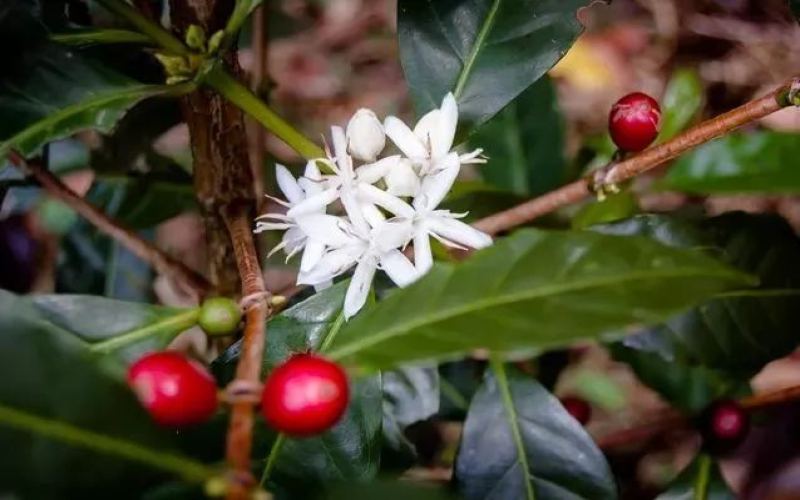
Ethiopian Coffee Heirloom Variety Flavor Analysis: A Full Overview of Three Major Varieties and the Yirgacheffe and Sidamo Regions
The coffee world is vast and complex, but ultimately it comes down to three native species: Arabica, Robusta, and Liberica. As the birthplace of coffee, Ethiopia has nurtured countless undiscovered varieties, collectively known as "heirloom varieties," and is renowned worldwide for its two specialty regions: Yirgacheffe and Sidamo. From the perspective of Front Street, this article systematically outlines the characteristics and differences of the three major species, provides an in-depth introduction to the most famous of Ethiopia's nine major regions—Yirgacheffe and Sidamo-Hambela—analyzes the flavor differences brought about by washed and natural processing, and includes Front Street Coffee's brewing parameters and purchasing advice, taking you on a comprehensive journey through the endless charm of Ethiopian coffee. [more…]
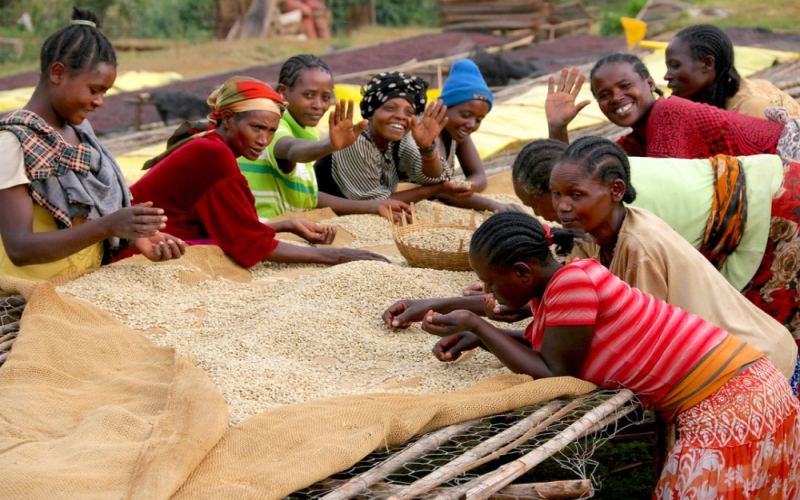
Burundi: A Major Coffee Hub in East Africa — A Full Analysis of the Terroir of Its Five Major Producing Regions and the Double Washed Processing Method
In the African coffee landscape, Burundi has long been known as the "Heart of Africa." This landlocked country south of the equator, with its high altitudes, volcanic-rich soil, and abundant rainfall, produces coffee beans of remarkable quality. This article begins with Burundi's geography, climate, and the symbolism of its national flag, then examines one by one the terroir characteristics and harvest rhythms of major producing regions such as Buyenzi, Kirundo, Kayanza, and Muyinga, before taking a deep dive into the country's highly distinctive double washed processing method—the complete sequence of two fermentations and two washings. For coffee lovers who favor the bright acidity of African washed beans, Burundi is a stop worth rediscovering, and Front Street Coffee will continue to follow the performance of this producing region. [more…]
A Complete Analysis of the Seven Major Ceylon Black Tea Producing Regions: Flavor Characteristics of Uva Highlands and the Historical Origins of the Tea Estates
Since its introduction from China in the 19th century, Ceylon black tea has gradually grown into a major force in the world of tea, with its seven major production regions each possessing distinctive terroir characteristics. This article systematically traces the development of Sri Lankan black tea and its key milestones, and categorizes the regions by elevation into high-grown, medium-grown, and low-grown, introducing one by one the distribution and characteristics of core production areas such as Nuwara Eliya, Uva, Dimbula, Kandy, and Ruhuna, with particular focus on the unique flavor and tea garden stories of Uva high-grown black tea. It also includes Ceylon black tea purchasing recommendations from the Front Street brand for the reference of coffee and tea enthusiasts. [more…]
A Detailed Guide to Panamanian Coffee Varieties: Flavor Characteristics of Geisha and Catuai and an Overview of Three Major Producing Regions
Although Panama is a small country, it produces top-tier beans that captivate coffee lovers worldwide. This article systematically reviews the variety composition, growing conditions, and cupping performance of Panamanian coffee, with a focus on the two major varieties, Geisha and Catuai, and analyzes one by one the terroir characteristics of the three major producing regions: Boquete, Volcan Baru, and Renacimiento. Whether you are a novice just getting into specialty coffee or a seasoned enthusiast seeking origin information, you will find practical references here. Front Street Coffee will also combine cupping results to decode the classic flavor code of Panamanian coffee for you. [more…]

A Detailed Guide to the Flavors of Guatemala's Eight Major Coffee Regions: Cupping Characteristics from Acatenango Valley to Volcán San Marcos
Guatemala is an important specialty coffee-producing country in Central America, with eight distinct coffee regions distributed across its territory. In April 2010, Mr. Eduardo Ambrocio of the Guatemalan Coffee Company gave a detailed introduction to these regions to an audience at the SCAA Houston exhibition and presented coffee samples from all eight regions. Based on these sample materials, this article examines one by one the altitude, soil, climate, and processing methods of the eight major regions—Acatenango Valley, Antigua, Traditional Atitlán, Rainforest Cobán, Huehuetenango Highlands, Highland Wet Highlands, New Oriente, and Volcanic San Marcos—and includes the cupping flavor characteristics of the coffee from each region. For friends who love Guatemalan coffee, Front Street Coffee will also recommend a few beans worth paying attention to, helping everyone more intuitively experience the flavor differences among the various regions. [more…]
A Complete Guide to Guatemala's Seven Major Coffee Regions: Hand-Brewed Flavors and Bean Varieties of Antigua and Other Origins
Guatemala is an important specialty coffee producer in Central America, with seven distinctive major regions: Antigua, Cobán, Atitlán, Huehuetenango, Fraijanes, Oriente, and San Marcos. Each region, due to differences in volcanic soil, altitude, and microclimate, nurtures coffee beans with widely varying styles that have repeatedly won international acclaim. Among them, the Antigua region is known for its perfect balance of sweetness, acidity, and body with a hint of smokiness, while the high-altitude environment on the slopes of Volcán de Agua provides ideal growing conditions for premium coffee; its Strictly Hard Bean is plump with balanced acidity, and the giant beans are especially eye-catching. This article will introduce the seven major regions one by one, analyze the pour-over flavor characteristics of coffee beans from each area, and recommend related products from Front Street Coffee to help coffee lovers gain a comprehensive understanding of Guatemalan coffee. [more…]
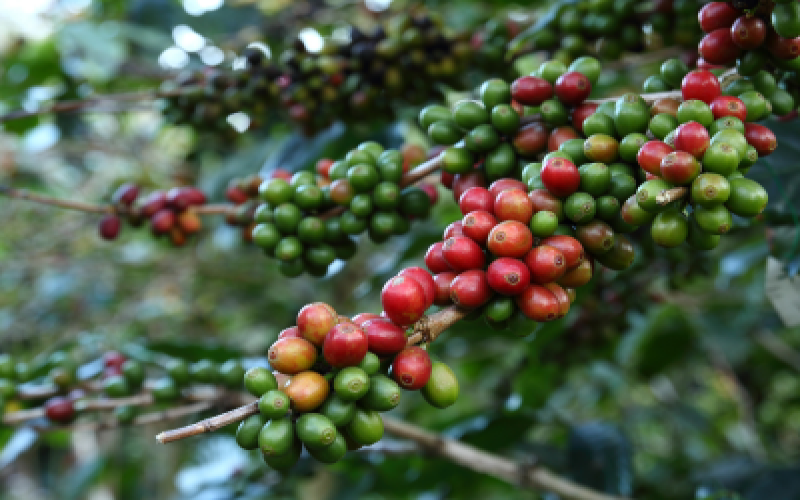
Specialty Pour-Over Coffee Bean Buying Guide: Flavor Characteristics of the Three Major Producing Regions—Asia, Africa, and Latin America—and Front Street Brand Recommendations
The cultivation regions for specialty coffee span numerous countries around the globe and can be grouped geographically into three major areas: Asia, Africa, and Latin America. Owing to differences in altitude and climate conditions, each continent produces coffee beans with distinctive flavor characteristics. This article will begin with the flavor profiles of these three major producing regions to help coffee enthusiasts understand the unique charm of coffee beans from different origins, and recommend representative single-origin beans from the Front Street Coffee brand, including Golden Mandheling, Yirgacheffe Gutingiting, and Brazil Queen's Estate, offering purchasing references for pour-over enthusiasts. [more…]

An analysis of the three major coffee varieties—Arabica, Robusta, and Liberica—and a complete overview of Jamaican Blue Mountain flavor
The world of coffee encompasses a vast array of varieties. From a botanical perspective, they can be grouped into three major categories: Arabica, Robusta, and Liberica. Among these, the first two dominate the global beverage market, while Liberica is rarely mentioned due to its scarce output or inconsistent quality. Arabica is mostly used for specialty and single-origin coffees, whereas Robusta is commonly found in instant products. However, this does not mean there is an absolute hierarchy between the two—choosing based on personal taste preferences is more reasonable. Jamaican Blue Mountain, as a representative of island coffees, belongs to the Typica variety derived from Arabica, and is renowned for its mild low acidity and medium body. This article will systematically outline the characteristics of the three major varieties and provide an in-depth introduction to the specific performance of Front Street Blue Mountain No. 1 in brewing and espresso extraction. [more…]

A Guide to Choosing Single-Origin Coffee Beans for Pour-Over: A Full Breakdown of the Flavor Characteristics of Front Street Coffee's Seven Major Regional Everyday Beans
Faced with a dazzling array of coffee beans, how should you choose the right single-origin beans for pour-over? This article starts with the two main types of coffee beans on the market, helping beginners clarify the difference between espresso beans and single-origin beans, and focuses on the flavor characteristics of Front Street Coffee's seven major regional staple beans. Whether you are a coffee enthusiast just starting out or a seasoned connoisseur looking for everyday staple beans, you can find practical buying guidance and flavor references here. [more…]
A Complete Analysis of Honduras Coffee Region Classifications: The Six Major Regions and Detailed Explanation of SHG and EP Grade Standards
Honduras, through continuous investment in green bean processing and transportation in recent years, has risen to become the second-largest coffee exporter in Central America and the tenth-largest globally, harvesting approximately three million bags of coffee beans each year. Front Street Coffee's Honduran coffees cover six major regions: Copán, Opalaca, Montecillos, Comayagua, Tropical Acata, and El Paraíso, with an average cultivation altitude exceeding 1,100 meters. This article will systematically introduce the origin distribution, variety composition, export markets, and the two major quality grading standards, SHG and EP, of Honduran coffee, helping coffee enthusiasts gain a comprehensive understanding of the unique charm of this emerging Central American origin. [more…]
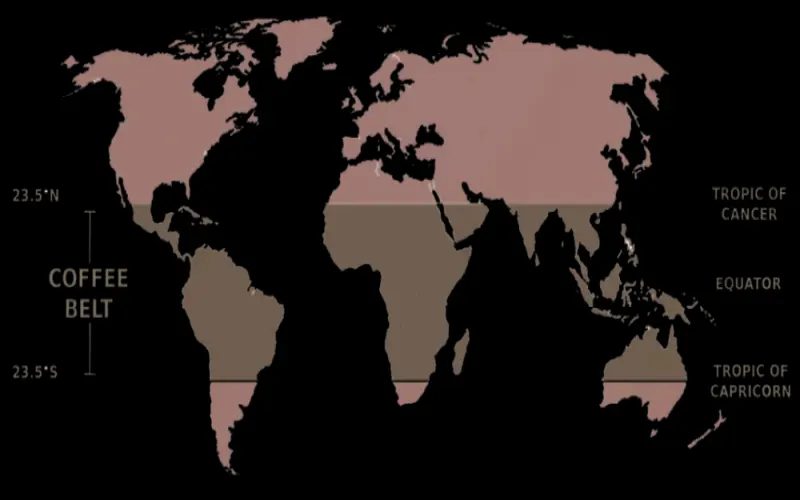
Where are the world's three major coffee-producing regions? A full analysis of the flavor differences between Latin American, African, and Asian coffee
The flavors of coffee vary enormously, and to a great extent depend on where it is grown. The global coffee-growing belt is mainly distributed across three major regions: Latin America, Africa, and Asia/Pacific. Each region, due to differences in climate, soil, and processing methods, produces distinctly different flavor characteristics. Latin American coffees are known for being balanced and mild, often with cocoa and nutty notes; African coffees are bright and refreshing, with prominent citrus and floral notes; Asia/Pacific coffees are rich and full-bodied, with distinct herbal and spicy aromas. This article systematically sorts out the flavor differences among the three major origins and recommends representative coffees from each region one by one, including Front Street Cerrado, Front Street Huila, Front Street Huakui, Front Street Little Tomato, Front Street Red Bourbon, Front Street Mandheling, and Front Street Yunnan Small Bean, helping coffee lovers quickly build an understanding of origin flavors. [more…]
What makes Guatemalan coffee unique? A comprehensive analysis of the flavors and processing methods of eight major producing regions
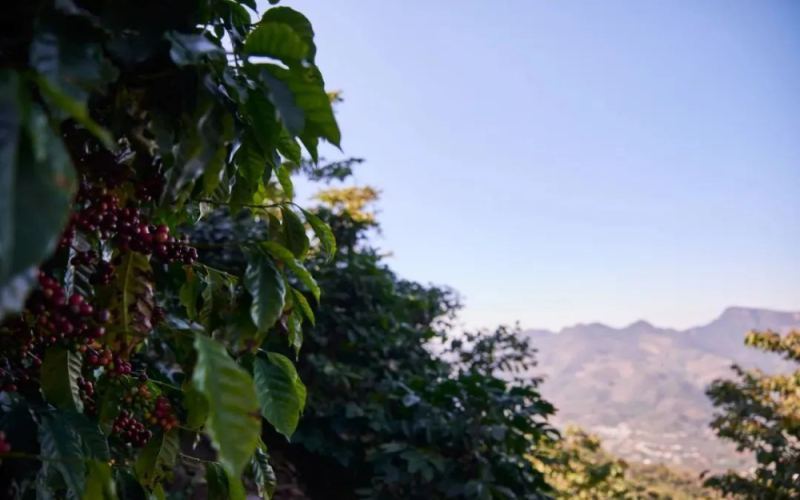
Guatemala is home to over three hundred microclimates, where volcanic soil and high-altitude terrain nurture specialty coffee with distinctive flavors. From the balanced fruit acidity of Antigua to the bright fruity aromas of Huehuetenango, the eight major regions each have their own character. This article will guide you through Guatemala's coffee-growing regions, varietal characteristics, grading methods, and washed processing procedures, while also analyzing its signature flavor profile. Front Street Coffee has a particular affection for this land; the Flora coffee beans on its menu come from the Antigua region, washed processed, with a delicate flavor, and are well worth trying. [more…]
Arabica Coffee Beans in Detail: Grade Positioning, Characteristics of Major Cultivated Varieties, Origin Sources, and Flavor Performance
Arabica coffee accounts for about 70% of global coffee production. It is the bean variety most commonly used by specialty coffee shops and the foundation of all Front Street Coffee products. It is not a single variety, but a vast family that includes numerous subcategories such as Typica, Bourbon, Caturra, and Catuai. From Front Street's perspective, this article reviews the growing altitude and growth conditions of Arabica coffee, introduces one by one the varietal origins, plant characteristics, and cup flavor differences of Typica, Red Bourbon, Yellow Bourbon, Pink Bourbon, Caturra, and Catuai, and briefly compares Robusta and Liberica, the two other major native coffee species, to help coffee lovers build a complete understanding of the Arabica coffee system. [more…]
A Complete Analysis of the Three Major Coffee Varieties: Distinguishing Large-Bean, Medium-Bean, and Small-Bean Coffee and the Classification of Yunnan Small-Bean Coffee
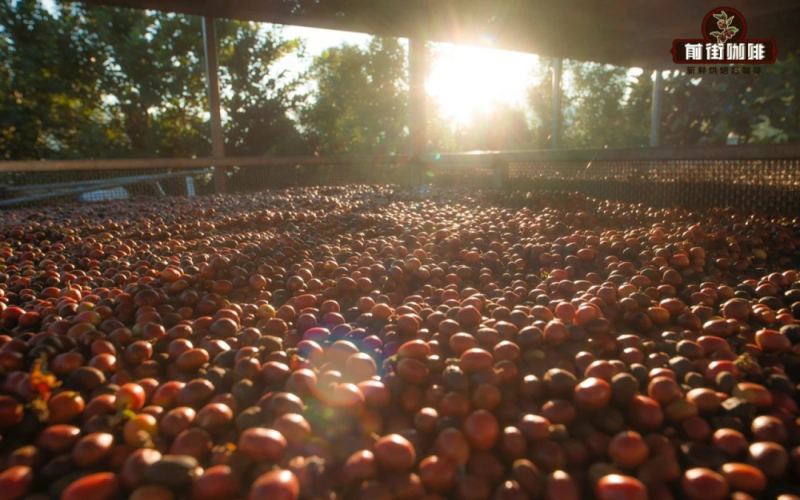
The coffee world is vast and complex. Under botanical classification alone, there are more than a hundred species, yet the cultivated varieties actually used for drinking mainly fall into three major categories: Arabica (small-bean), Robusta (medium-bean), and Liberica (large-bean). Each possesses unique botanical characteristics, growing conditions, and flavor profiles, and their yields and commercial value differ greatly. Yunnan, as China's representative coffee-producing region, grows coffee that belongs to which category? Why is it called "Yunnan small-bean coffee"? This article will systematically outline the key distinctions among the three major coffee varieties, provide an in-depth answer to the varietal classification of Yunnan small-bean coffee, and also present Front Street Coffee's Yunnan Typica and espresso blend recommendations. [more…]
A Complete Analysis of the Flavors of the World's Three Major Coffee Regions: Why Are African Beans' Floral and Fruity Notes So Enchanting?
The flavors of coffee are incredibly diverse, largely depending on the land where it is grown. The global coffee-growing belt can be broadly divided into three major regions: Latin America, Africa, and Asia/Pacific. Each region, due to differences in climate, altitude, and processing methods, nurtures a completely different flavor profile. Latin American coffees are known for their cocoa and nutty notes, with a balanced body and mild acidity; Africa, as the birthplace of coffee, often produces beans with citrus and floral aromas, bright acidity, and rich complexity; the Asia/Pacific region tends toward herbal and spicy notes, with the most prominent body. This article will go through the representative countries of each region and their flavor characteristics one by one, and include Front Street Coffee's corresponding recommended beans, helping coffee lovers build a clear regional flavor framework and find the cup that best suits their taste. [more…]