







Search Results for: coffee extraction principles
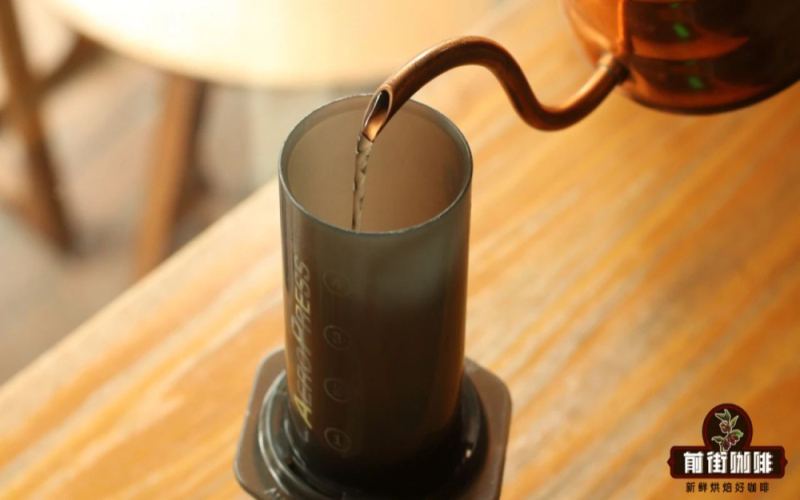
AeroPress Inverted Method Practical Tutorial: A Comprehensive Guide to Suitable Bean Types, Extraction Principles, and Flavor Performance
The AeroPress is a highly flexible and versatile coffee brewing device with no rigid rules or restrictions, which is precisely why the World AeroPress Championship came into being. It combines three principles: French press immersion, pour-over paper filtration, and espresso-style pressure extraction, producing a cup that is rich, clean, and smooth. This article will start from the extraction principles, flavor performance, and device structure to explain in detail what kind of coffee the AeroPress is suited for, and share Front Street Coffee's complete parameters and steps for making AeroPress coffee using the inverted method, helping enthusiasts quickly get started with this "all-purpose" device. [more…]
The Extraction Principles and Practical Parameters of Pour-Over Coffee: How Grind, Ratio, and Pouring Technique Affect Flavor
To brew a good pour-over coffee, simply copying parameters is often not enough—understanding the extraction principles behind it is the key. This article breaks down the process of coffee flavor formation from four stages: wetting, blooming, dissolution, and diffusion, and further analyzes how variables such as grind uniformity, particle size, filter paper thickness, and pouring method affect the final taste. Once you grasp these underlying principles, you can flexibly adjust your brewing plan according to your taste preferences, rather than being bound by fixed formulas. The article also compiles practical recommendations from Front Street Coffee's product suggestions to help coffee enthusiasts build a clear brewing approach. [more…]
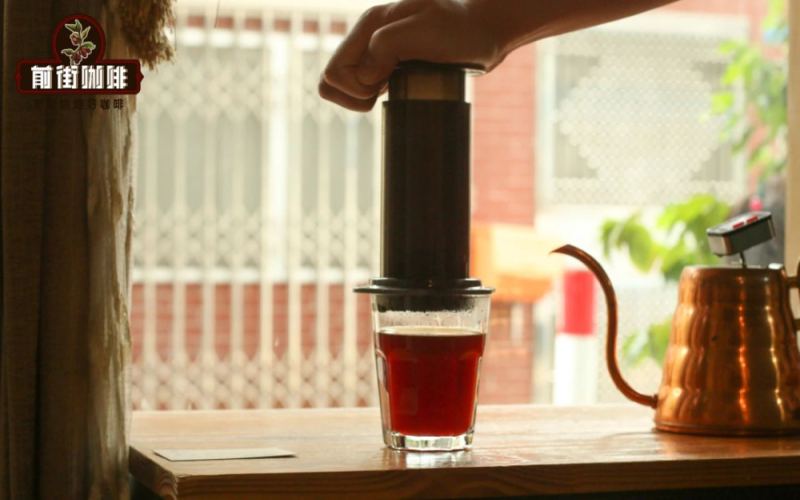
Analysis of the Differences Between AeroPress and Moka Pot in Making Espresso: Principles, Operation, and a Comparative Test with Front Street Coffee Beans
The AeroPress and the Moka Pot are both simple brewing tools commonly used by home coffee enthusiasts, but the two differ noticeably in extraction principles, structural design, and final flavor. The AeroPress resembles a syringe structure, combining immersion, paper filtration, and pressure extraction, and can produce coffee that is both rich and clean; the Moka Pot relies on steam pressure, heating the lower chamber to push hot water through the coffee grounds, yielding a rich and full-bodied coffee liquid. This article takes the same lot of Front Street coffee beans as an example, comparing the characteristics of these two devices from principle to practice, and sharing the actual taste performance after extraction, to help you choose the strong coffee brewing method that suits you. [more…]
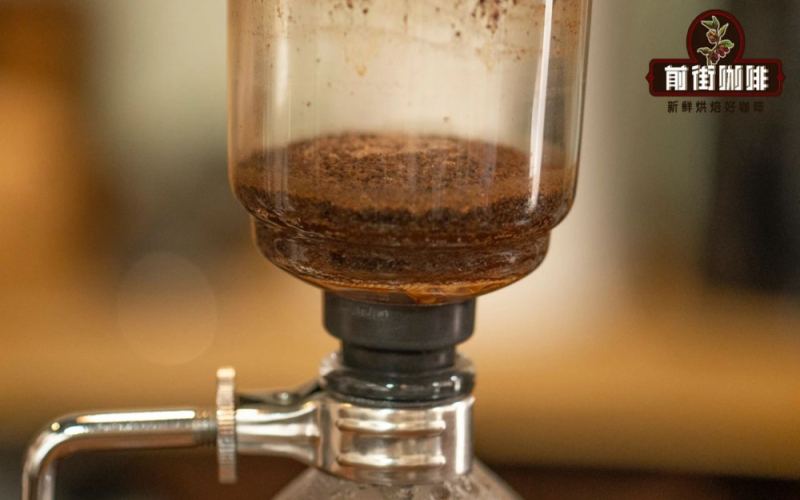
Siphon Coffee Brewing Temperature and Key Operating Points: A Comprehensive Analysis from Principles to Common Misconceptions
Although the siphon brewer involves many steps and takes a fair amount of time—keeping it from becoming as mainstream for daily use as pour-over—its unique visual performance and distinctive cup profile have truly won over a devoted group of enthusiasts. Today, Front Street Coffee will start with the operating principle of the siphon brewer to help you understand how thermal expansion and contraction drive extraction, then gradually sort through the pitfalls and dangerous practices that are easy to stumble into during use, so as to avoid pot-explosion accidents. At the same time, we will also explain the approach to temperature control during brewing, making the whole process both safe and fun, so you can easily make a cup of distinctive siphon coffee. [more…]
Where Does Cold Brew Coffee Come From? Brewing Principles, Flavor Characteristics, and Single-Origin Bean Recommendations for Cold Brew
Cold brew drip coffee, with its unique cold condensation percolation extraction method, has become a beverage much favored by coffee lovers in summer. It boasts both a spectacular brewing apparatus and a pure, natural taste. This article will guide you through the origin story of cold brew drip coffee, its similarities and differences with the cold brew method, the extraction principles and flavor characteristics, as well as the key points in making it. At the same time, we will also recommend several single-origin coffee beans suitable for making cold brew drip coffee, including popular choices from the Front Street Coffee brand, to help you easily make a rich and smooth cup of cold brew drip coffee this summer. [more…]

French Press Recommendations | Which Brand of French Press Is Good? Is a French Press Suitable for Coffee Beginners? An Introduction to the History, Origins, and Extraction Principles of the French Press
For more specialty coffee knowledge, please follow: Front Street Coffee (Frontsteet Coffee). WBC World Barista Championship competitor Suzuki Itsuki once said that the advantage of the French press is that its brewing principle is very simple, anyone can master it, and the coffee flavor will not vary due to different brewing techniques. [more…]
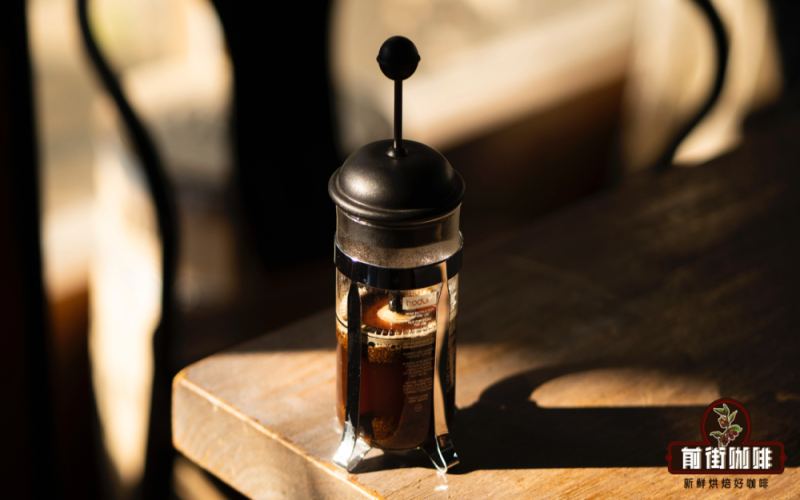
French Press Buying Guide: Extraction Principles, Brand Comparison, and Analysis of Cost-Effective Models
The French press has become a popular choice for home coffee brewing because it is easy to operate and requires no complex pouring technique. WBC World Barista Championship competitor Suzuki Itsuki once pointed out that the French press's standout advantage lies in its simple principle, easy learning curve, and freedom from paper-filter interference, allowing it to present the true taste of coffee directly. In this article, Front Street Coffee systematically sorts out the structure and extraction logic of the French press, explains in detail the four major variables of coffee-to-water ratio, grind size, water temperature, and steeping time, and shares recommended parameters for medium-light and medium-dark roasted beans. It also traces the historical development of the French press from the 1852 French patent to its commercialization by Bodum, recommends a bean list suited to it, including Front Street Brazil Queen's Estate, Honduras Sherry Barrel, Jamaica Blue Mountain No. 1, and Indonesia Golden Mandheling, and finally reminds readers of the key points for daily disassembly, cleaning, and maintenance, helping you choose a French press that is easy to use and not expensive. [more…]
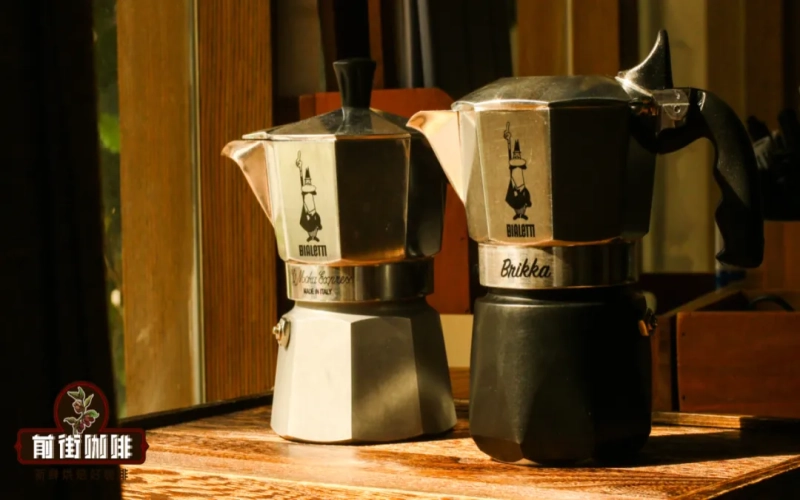
Analysis of the Differences Between Single-Valve and Dual-Valve Moka Pots: Extraction Principles, Pressure Mechanisms, and Whether It's Worth Buying a Dual-Valve Model
When faced with the two types of moka pots on the market—single-valve and dual-valve—many coffee enthusiasts often find themselves unable to decide. They are neither clear on where the differences between the two lie, nor sure whether it is worth spending extra on a dual-valve model. From the perspective of Front Street, this article first breaks down the basic structure of the moka pot and the principle of steam extraction, then explains the pressure changes that come with adding a pressure valve at the outlet of the dual-valve version, and how these changes affect coffee strength and extraction efficiency. After reading, you will understand: the dual valve is not a gimmick—it really can bring the output closer to espresso, and when making a latte, the milk flavor is less likely to overpower the coffee's own taste. [more…]
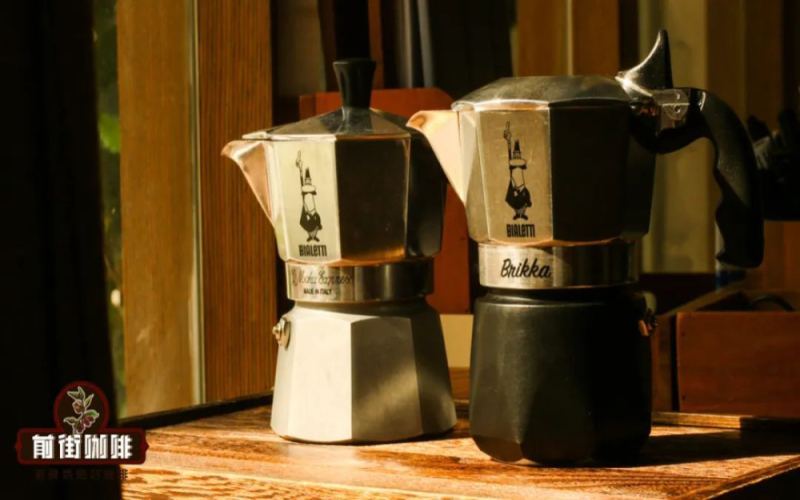
A Detailed Explanation of Moka Pot Extraction Principles: The Crema Difference Between Single-Valve and Double-Valve Models and Buying Advice
As the autumn and winter camping season arrives, the moka pot has once again become a popular choice among outdoor coffee enthusiasts. But faced with the two specifications available on the market—single-valve and double-valve—many consumers feel confused. From the perspective of Front Street, this article first explains the basic principle by which a moka pot uses steam pressure to complete extraction, then takes a deeper look at the structural differences between single-valve and double-valve models—the double-valve design restricts the outflow of coffee liquid by adding a pressure valve, thereby raising the internal pressure and delivering higher extraction efficiency and a richer coffee flavor. The article will also explore the relationship between coffee crema and roast level, and recommend Front Street's classic blend coffee to help readers make a wise purchasing decision based on their own needs. [more…]
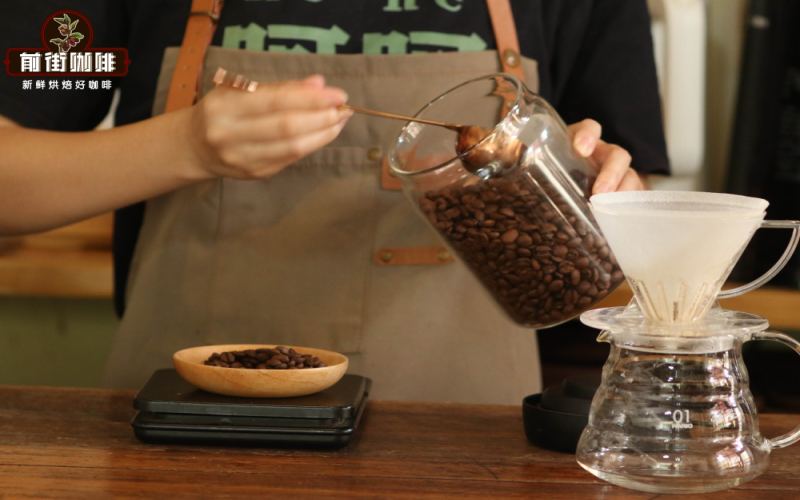
Comparative Analysis of the Extraction Principles and Flavor Profiles of Siphon and Pour-Over Brewers
Pour-over and siphon are two common specialty coffee brewing methods. Although both can express a coffee's terroir, their different extraction principles and filtration media mean the final cup emphasizes different aspects of taste. This article systematically compares siphon and pour-over brewers, from their historical origins and brewing principles to operating parameters and actual tasting. Pour-over uses paper filtration, giving a clean flavor with rich layers; siphon relies mainly on immersion and flannel filtration, producing a full-bodied, balanced taste. The article also uses Front Street Yemen Mocha brewed both ways, with specific parameters and flavor descriptions, to help coffee lovers more intuitively understand the differences between the two and find a brewing style that suits them. [more…]
Analysis of the Flavor Differences Between the AeroPress and the Moka Pot: Extraction Principles, Operation Methods, and the Full Process of Making Espresso
The AeroPress and the moka pot are both handy brewing tools commonly used by home coffee enthusiasts, but their extraction principles and flavor profiles are completely different. The AeroPress combines immersion, paper filtration, and pressure extraction, producing a clean and balanced cup; the moka pot, on the other hand, relies on steam pressure to deliver a rich, full-bodied result. Starting from their structure and principles and methods of operation, this article combines a comparison of extractions using the same coffee bean from Front Street Coffee, and explains in detail the steps for making espresso, including dose, extraction ratio, time control, and techniques for serving a hot latte, to help you easily recreate professional-level coffee at home. [more…]

Espresso Fully Explained: Origins of the Concept, Extraction Principles, and an Introduction to Tasting Methods
Espresso is a highly representative extraction method in the coffee world, with a history that can be traced back to late 19th-century Italy. From the perspective of Front Street Coffee, this article systematically reviews the origins of espresso and the evolution of machines, its standard definition and flavor characteristics, the scientific principles behind crema formation, and extraction parameters and tasting methods. The article also introduces the extraction standards of the Specialty Coffee Association (SCA), and, combined with the actual offerings at Front Street stores, shares the extraction parameters and flavor performance of the "Sunflower Warm Sun Blend Coffee Beans," making it suitable reading and reference for enthusiasts who wish to gain a deeper understanding of espresso. [more…]
Essential Course for Pour-Over Coffee Beginners: Dissolution and Diffusion Principles, Three-Stage Extraction Flavors, and Golden Cup Standard Parameters Explained
To brew a good pour-over coffee, you first need to understand the principles behind it. Dissolution and diffusion are the two core mechanisms of extraction: after roasting, various aroma and flavor compounds are generated inside the coffee beans, and they gradually dissolve out when the grounds are soaked in water, while diffusion explains why grind size, blooming, and stirring are so crucial. During extraction, flavors are released in sequence—first come floral and fruity acidity, then sweetness and caramelized compounds, and only at the end do bitter and off-flavors appear. Mastering the golden range of 18%~22% extraction yield and 1.2%~1.45% concentration allows you to judge whether a cup of coffee is under-extracted or over-extracted. This article takes you through a systematic introduction to pour-over coffee, from basic principles to practical parameters, and also incorporates product recommendations from Front Street Coffee to help you avoid detours. [more…]
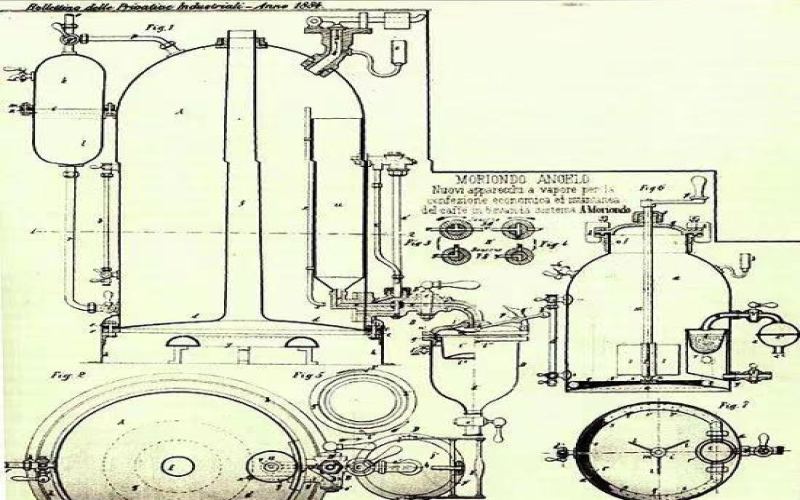
Authentic Italian Espresso Recipe | What Is the Extraction Principle of Italian Espresso? How to Taste Espresso Flavor? Which Coffee Beans Are Suitable for Italian Coffee?
The earliest method of making espresso was born in 1884, when an Italian named Angelo Moriondo designed a patented model of an espresso machine. Initially, the working principle of the espresso machine was based on two separate boilers. [more…]

Moka Pot Milk Coffee Tutorial | Can a Moka Pot Make Espresso? How to Brew Black Coffee with Crema Using a Moka Pot? Introduction to the Moka Pot Coffee Extraction Principle and Coffee-to-Water Ratio
We all know that a moka pot can brew delicious coffee, but we don't know whether it counts as espresso, and if it doesn't, what's the difference between the two. Today Front Street Coffee will compare the similarities and differences between the two for everyone. The moka pot can make such delicious espresso, so let's take a look at the moka [more…]

Can espresso blend beans be used for pour-over? Front Street Coffee explains the extraction principles and a practical guide to making espresso with single-origin beans.
Can the same coffee beans be brewed using different methods? This is a common question among many coffee enthusiasts. From the perspective of Front Street, this article first outlines the basic principles and parameter differences between pour-over drip and espresso pressure extraction, then separately explores the feasibility and considerations of using espresso blend beans for pour-over and single-origin pour-over beans for espresso. The article also uses several Front Street bean list products as examples to illustrate the flavor performance of different roast levels and processing methods under the two brewing methods, helping readers find a brewing solution that suits their taste and equipment. [more…]
Why Does Cold Brew Coffee Take 8 Hours? An Analysis of the Extraction Principle and Key Points of Drip Rate Control
Cold brew coffee is often served in limited quantities at cafés, precisely because its production cycle usually exceeds eight hours. This type of coffee, which originated in Europe and gets its name from the Dutch invention of a distillation apparatus, is also called Dutch Coffee, distilled coffee, or water-drip coffee. It relies on condensed natural osmotic water pressure to let cold water drip through the coffee grounds one drop at a time, continuously extracting at a low temperature of about 5°C for several hours. The flavor of the finished product varies depending on the roast level, water volume, water temperature, drip rate, and grind coarseness. It has a rich, smooth, and refreshingly icy taste, making it the foundation for drinking straight in summer or for making iced coffee. Front Street Coffee's cold brew recipe also emphasizes the coordination between drip rate and grind. Below, we'll break down its extraction principles and time control. [more…]
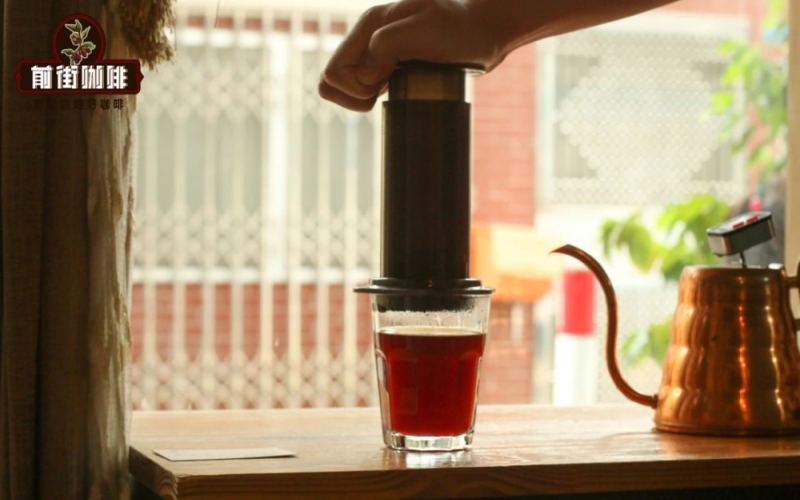
AeroPress vs. French Press Brewing Comparison: An Analysis of Extraction Principles, Grind Parameters, and Coffee Flavor Differences
The AeroPress and the French press are two coffee brewing devices that are both easy to operate yet vastly different in style. The AeroPress combines immersion, paper filtration, and pressure extraction to quickly produce a highly concentrated, clean, and full-bodied coffee; the French press, on the other hand, uses full immersion and a metal filter to separate the grounds, has a low barrier to entry, and can present the complete flavor of the coffee beans. This article will compare the two from dimensions such as extraction principles, grind size requirements, and water temperature recommendations, and using Ethiopian Gotingding coffee beans as a sample, will separately record the brewing parameters, operating steps, and flavor performance of Front Street Coffee's AeroPress and French press, helping coffee enthusiasts choose the appropriate device and brewing method according to their own needs. [more…]

A Complete Guide to Siphon Coffee Brewing: Equipment Principles, Historical Origins, and Key Practical Points Explained
Among the many coffee brewing methods, the siphon pot has always held its own thanks to its unique vacuum extraction principle and rich, full-bodied flavor. Although pour-over coffee has now become the mainstream choice in specialty cafés, the siphon pot's brewing process—combining ritual and visual appeal—still fascinates many coffee enthusiasts. This article will give you a comprehensive understanding of the siphon pot's structure and principles, its development history, and the key details of actual brewing, helping you master the use of this classic device so you can make a cup of aromatic, full-bodied siphon coffee at home. [more…]
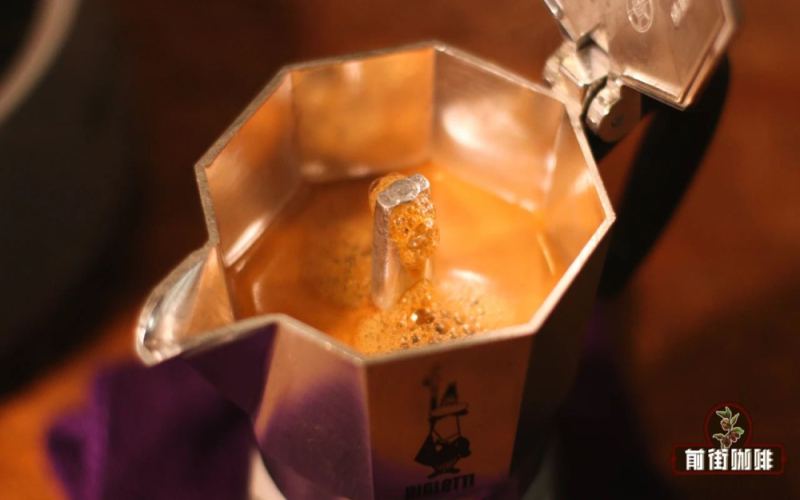
The Complete Moka Pot Brewing Guide: Extraction Principles, Step-by-Step Operation, and When to Turn Off the Heat—Why You Can't Drink the First Three Brews from a New Pot
The moka pot is a classic symbol of Italian coffee culture, and it can be found in nearly every Italian kitchen. In recent years, with the rise of camping and home brewing trends, this simple device that only needs a heat source has regained attention among coffee enthusiasts. This article starts with the history and extraction principles of the moka pot, explains how it uses steam pressure to extract a rich flavor close to espresso, and systematically sorts out the key operating points from grinding, filling water, and loading coffee to heating and turning off the heat. It also answers a common question: why the first three brews from a new moka pot are not recommended for drinking. The article also combines Front Street Coffee's bean recommendations to give directions for blends and single-origin choices suitable for the moka pot. [more…]