







Search Results for: coffee elevation classification
Jamaica Blue Mountain Coffee Wallenford Estate Origin Analysis: Growing Conditions, Grade Classification, and Variety Overview
Jamaican Blue Mountain Coffee, as a representative of the world's top specialty coffee, has always attracted much attention for its cultivation conditions, variety classification, and grading standards in the Wallenford Estate production area. Starting from the unique flavor of Blue Mountain Coffee, this article provides a detailed overview of the production area divisions and grading systems of Jamaica's three major coffee varieties—Blue Mountain Coffee, High Mountain Coffee, and Jamaican Coffee—analyzes the definition of Blue Mountain Coffee under CIB standards at elevations above 666 meters, and introduces Front Street Coffee Blue Mountain's low caffeine content, flavor characteristics, and medium-roast recommendation. At the same time, it examines the relationship between the scarcity of Blue Mountain Coffee production and its market price, helping coffee enthusiasts gain a comprehensive understanding of the true nature of this legendary coffee. [more…]
Panama Coffee Beans Flavor and Origin Geography Explained: SHB Grade Classification Standards
Panama is located on the Central American isthmus, where its unique geographical position and microclimates give rise to high-quality coffee with pure flavors and balanced acidity. This article will introduce Panama's coffee-growing environment, flavor characteristics, and export patterns, with a focus on explaining coffee bean grading standards such as SHB (Strictly Hard Bean), helping coffee enthusiasts understand this country famed for its specialty beans. At the same time, Front Street Coffee will also include related product recommendations in the article for shopping reference. [more…]

Jamaican Blue Mountain Coffee Flavor Characteristics and Grade Classification: A Detailed Guide to the Typica Variety, Price, and Differences from High Mountain Coffee
Blue Mountain Coffee is one of the most globally renowned coffee categories, originating from the Blue Mountains region of Jamaica, and is celebrated for its highly harmonious balance of acidity, bitterness, sweetness, and body. The highest peak of the Jamaica Blue Mountains stands at 2,256 meters, the tallest in the Caribbean, and its unique geographical and climatic conditions give Blue Mountain Coffee a flavor that is difficult to replicate. The harvest period runs from June to November each year, with hand-picking, followed by steps such as washing, depulping, fermentation, dehydration, sun-drying, hulling, and roasting to produce the finished beans. Only coffee grown within the 6,000-hectare area above 1,600 meters in the Blue Mountains can bear the name Blue Mountain, resulting in scarce yields and prices among the highest in the world. In terms of variety, Blue Mountain Coffee belongs to Typica, an ancient native Arabica variety, and thanks to Jamaica's isolated island environment, its genetic purity has been well preserved. This article will systematically introduce the taste characteristics, variety origins, and grade classifications of Blue Mountain Coffee, as well as the differences between Blue Mountain Coffee and High Mountain Coffee, along with relevant recommendations from Front Street Coffee. [more…]
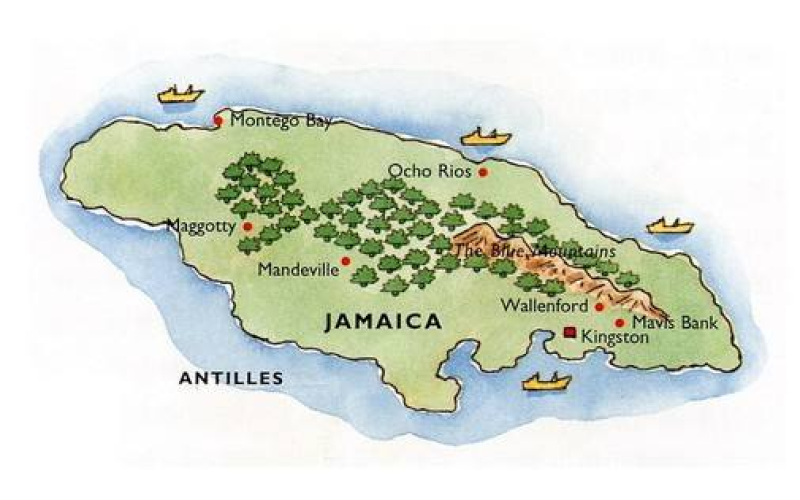
Jamaican Blue Mountain Coffee Flavor Characteristics, Bean Grade Classification, Authenticity Identification Methods, and Market Price Analysis
Jamaica Blue Mountain coffee is renowned as one of the world's top coffees, with its acidity, sweetness, body, and bitterness in balanced harmony, a rich aroma, and a smooth entry. The authentic Blue Mountain production area is limited in size and its output is scarce, and the so-called Blue Mountain coffee circulating on the market is a mix of genuine and fake. This article will systematically sort through multiple dimensions including the origin divisions of Blue Mountain coffee, grade classifications, flavor characteristics, brewing parameters, authenticity identification methods, and international market conditions, to help coffee enthusiasts gain a comprehensive understanding of this legendary coffee, and will also include Front Street Coffee's recommendations and certification information. [more…]
A Complete Guide to Arabica Coffee: From Botanical Classification to Variety Characteristics and Origin Distribution
What exactly does a coffee tree look like? What is the essential difference between Arabica and Robusta? Starting from botanical classification, this article systematically sorts out the complete classification system of the genus Coffea and explains in detail the origins, growing conditions, flavor characteristics, and main subspecies of the two major commercial varieties, Arabica and Robusta. You will learn about the anatomical structure of the coffee cherry, the spread paths of classic subspecies such as Typica and Bourbon, and the genetic connections between Yunnan small-bean coffee and Blue Mountain and Kona. Whether you are a beginner enthusiast or a seasoned professional, this basic knowledge about coffee varieties is worth reading. Front Street Coffee will also recommend variety information worth paying attention to in this article. [more…]
Coffee Bean Variety Classification and Classic Coffee Drinks: From Arabica and Robusta to Cappuccino and Mocha
Walking into a coffee shop and facing the dazzling array of names on the menu, have you ever wondered what exactly the differences are between these coffees? Starting from the two main original species of coffee beans—Arabica and Robusta—this article will introduce you to world-famous origin coffees such as Ethiopia Yirgacheffe, Kenya AA, Indonesia Mandheling, and Jamaica Blue Mountain, then analyze one by one the recipes and flavor characteristics of classic drinks such as cappuccino, espresso, and mocha. Whether you prefer a rich, bold taste or a mellow, milky smoothness, you can find your own cup in this guide. [more…]

Jamaica Blue Mountain Coffee Flavor Analysis: Taste Characteristics, Authenticity Identification, and Regional Grade Classification
Blue Mountain coffee is probably one of the most globally recognized and most easily misunderstood coffee terms. Many people assume that Blue Mountain coffee is simply a "Blue Mountain flavor" with sugar and milk added, but in reality it refers to coffee beans produced in Jamaica's Blue Mountains. This article, from the perspective of Front Street Coffee, sorts out the origin background, grade classification, reasons for the high price, and key markers for identifying authenticity, while also introducing the flavor differences brought by washed and natural processing methods, and includes Front Street's recommended brewing parameters to help coffee lovers truly understand this classic coffee. [more…]
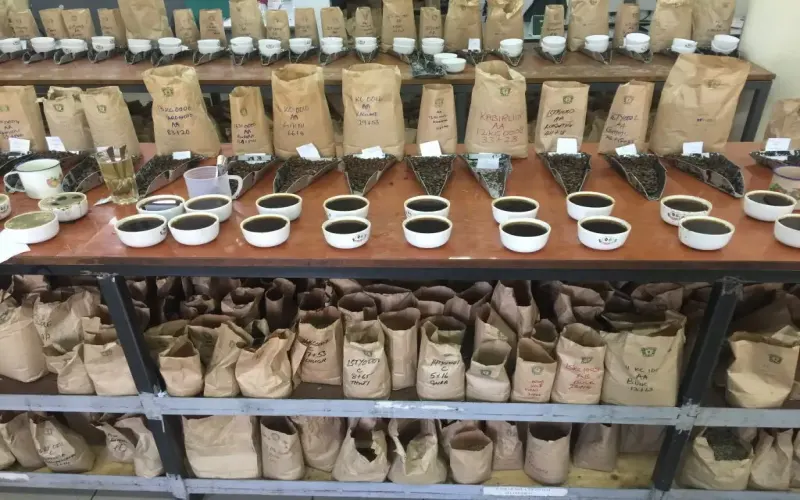
How Are Kenyan Coffee Beans Graded? A Detailed Explanation of the Eight Grade Classifications and the Characteristics of Each Tier
Kenyan coffee is renowned worldwide for its bright fruity aromas and juice-like acidity, and is a beloved favorite among many coffee enthusiasts. But do you know how Kenyan coffee beans are graded? This article will guide you through Kenya's eight major coffee grades—from the rare E-grade Elephant beans to the MH/ML grades sold only domestically—analyzing each tier's bean size, screening source, and quality characteristics one by one. It will also introduce Kenya's coffee-growing history, main producing regions, and harvest seasons, helping you gain a more comprehensive understanding of this African specialty coffee-producing country's grading system. Front Street Coffee also recommends noteworthy Kenyan bean varieties for you in this article. [more…]
A Comprehensive Analysis of the Origin, Grade Classification, and Market Prices of Jamaican Blue Mountain Coffee
Blue Mountain coffee is renowned as one of the most precious coffees in the world, and its place of origin, Jamaica, enjoys exceptional natural conditions and a strict quality control system. This article will systematically sort out the historical origins of Blue Mountain coffee, the division of its three major producing regions, the grading standards, and the current market supply landscape, and will also answer questions about the price of Blue Mountain No. 1 coffee beans and key points for purchasing. At the same time, it introduces information on the Blue Mountain products recommended by Front Street Coffee, helping coffee lovers recognize genuine Jamaican Blue Mountain coffee and avoid buying counterfeits. [more…]
Jamaica Blue Mountain No.1 Flavor Analysis: Origin Story, Grade Classification, and Authenticity Identification Guide
The reputation of Blue Mountain coffee is almost universally known, but the market is flooded with all kinds of coffee under the "Blue Mountain" banner, and very few truly meet Jamaica's official standards. This article, from the perspective of Front Street Coffee, will sort out the legally designated growing regions and altitude requirements for authentic Blue Mountain coffee, introduce the background of Clifton Farm and the washed processing flow of Blue Mountain No. 1, explain in detail the NO.1 standard in the CIB grading system, and restore the flavor profile of this bean through cupping performance and roasting curves. It will also share how to identify real versus fake Blue Mountain coffee from four dimensions—appearance, grinding feel, aroma, and taste—as well as Front Street Coffee's recommended brewing parameter plan, helping coffee lovers buy and brew a genuine cup of Blue Mountain No. 1. [more…]
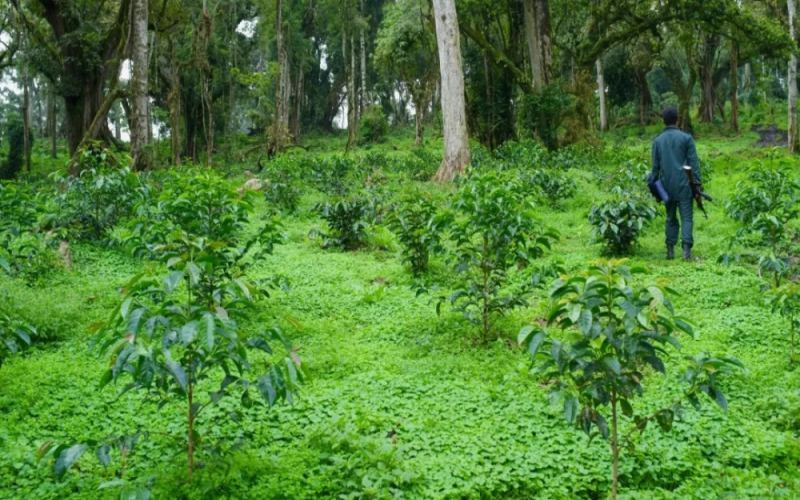
Ethiopia Gesha Village: An Interpretation of Auction, Gold, Red, Green, and Chaka Batch Classifications
Located in the Bench Maji zone of Ethiopia, Gesha Village Coffee Estate is the original collection site of the wild Geisha variety and one of the most prominent estates in today's specialty coffee world. The estate owner, Adam, has divided the farm into multiple plots with distinct microclimates and established a five-tier grading system: Auction, Gold, Red, Green, and Chaka. This article will start with the estate's history, plot distribution, and variety composition, then analyze each grade of Geisha one by one in terms of production proportion, traceability information, flavor characteristics, and cupping performance. It also includes a brewing demonstration at Front Street Coffee's store to help coffee enthusiasts fully understand this grading logic and provide a reference for purchasing and brewing. [more…]
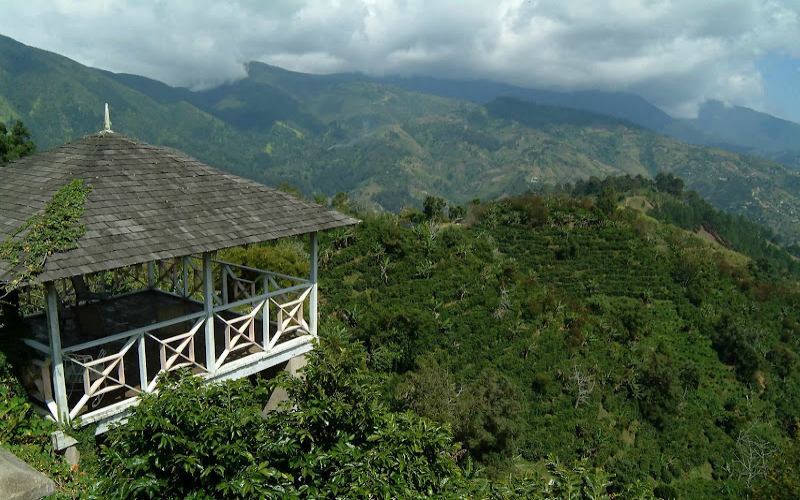
Jamaican Blue Mountain Coffee Flavor Characteristics and Historical Origins: A Complete Interpretation from Growing Regions to Grade Classification
Blue Mountain coffee occupies an irreplaceable position in the global coffee landscape thanks to its exquisite balance of sweetness, acidity, and bitterness. It is produced in the Blue Mountains of eastern Jamaica, where volcanic soil, a climate of year-round mist and rain, and just the right elevation combine to create its unique flavor—rich, aromatic, and entirely free of bitterness. From the introduction of Arabica seeds in the 18th century, to the strict oversight of the Jamaica Coffee Industry Board, and on to the grading system running from No.1 down to PB, every step of Blue Mountain coffee is steeped in meticulous care. This article systematically lays out the cultural origins, cultivation history, growing regions, and grading standards of Blue Mountain coffee, while also sharing practical advice from Front Street Coffee on buying and brewing, to help coffee lovers truly understand this legendary cup. [more…]
A Complete Analysis of Blue Mountain Coffee Beans: Varieties, Origins, and Brands—Does Blue Mountain No. 1 Have a Bitter Taste When Hand-Brewed?
Blue Mountain coffee has long been regarded as a gem of the coffee world, and its distinctive flavor profile and scarce yield have captivated countless coffee lovers. Authentic Blue Mountain coffee is refined from the finest green beans of Jamaica's Blue Mountain region, delivering a rich and balanced flavor with fruity notes and gentle acidity, plus a lingeringly memorable sweetness. Among these, Blue Mountain No. 1 Peaberry is the cream of the crop, selected from round beans grown at an elevation of 2,100 meters, plump and full. Blue Mountain coffee's caffeine content is extremely low, only about half that of ordinary coffee, which fits modern health-conscious thinking. This article provides a comprehensive introduction to Blue Mountain coffee's variety classifications, origin characteristics, brand recommendations, and flavor performance when brewed by pour-over, and answers the common question of whether Blue Mountain No. 1 pour-over tastes bitter. [more…]
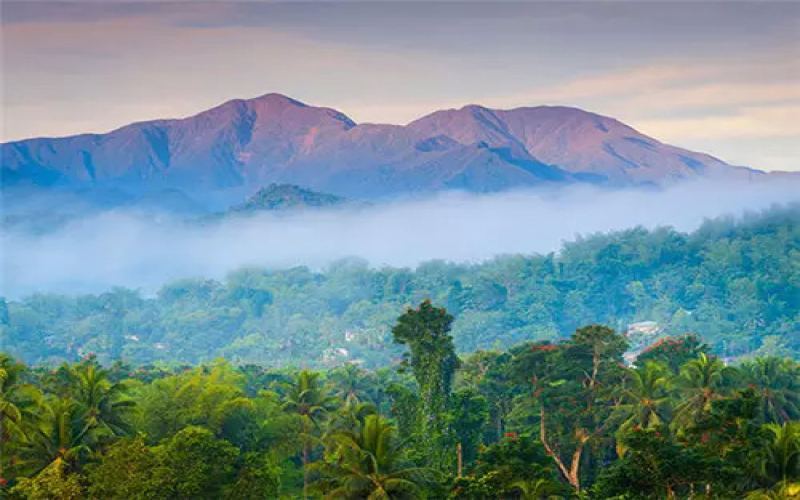
What Is the Difference Between Jamaican Blue Mountain and High Mountain Coffee? A Comprehensive Guide from Altitude Classification to Barrel Packaging
Though both are grown in Jamaica's Blue Mountains, Blue Mountain Coffee and High Mountain Coffee are not the same variety—altitude differences determine their identity and grade. Blue Mountain Coffee is limited to elevations between 900 and 1,700 meters, while High Mountain Coffee comes from the 450 to 900 meter zone. Blue Mountain Coffee is further classified into grades one, two, and three based on bean screen size; top-grade Blue Mountain No. 1 requires screen size 17 and above with a defect rate below 2%. Its distinctive wooden barrel packaging and official certification certificates further enhance the prestige of authentic Blue Mountain Coffee. Front Street Coffee selects Blue Mountain No. 1 from Clifton Estate, presenting a balanced flavor of dark chocolate, nuts, and creamy smoothness through a medium-dark roast. This article will guide you through a comprehensive understanding of the differences between the two, identification methods, and brewing key points. [more…]
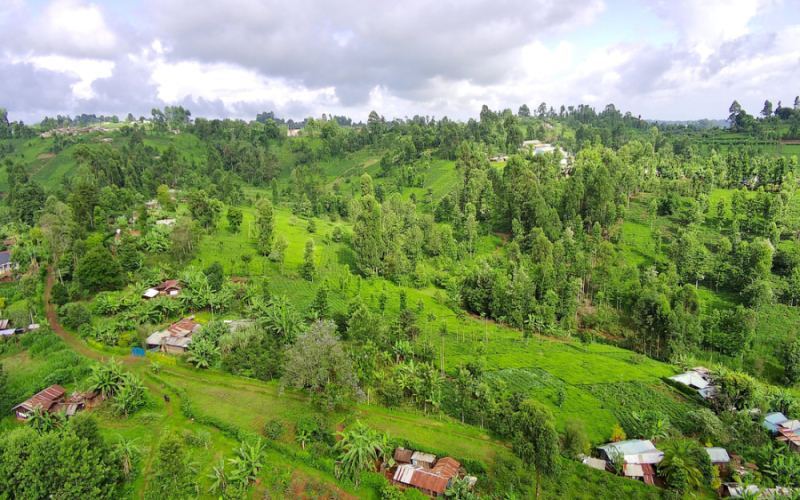
A Detailed Guide to the Kenyan Coffee Bean Grading System and AA-Grade Coffee Tasting and Brewing
In the landscape of African specialty coffee, Kenya has always held a pivotal position. Unlike Ethiopia's bright acidity, Kenyan coffee is renowned for its full-bodied berry juice character, the acidity of smoked plums, and solid sweetness. Many coffee enthusiasts often hear the term "Kenya AA," but what exactly does it represent? How does Kenya's coffee grading system work? This article will start with Kenya's seven major producing regions, trace the origins of the two classic varieties SL28 and SL34, analyze the famous K72 washed processing method, and provide a detailed introduction to the AA grade classification standards. At the same time, Front Street Coffee will share the roasting curve, cupping report, and brewing parameters for this Kenya Thika Asali Honey Processing Station AA TOP, taking you through the complete journey of Kenyan coffee from origin to cup. [more…]
A Comprehensive Guide to Jamaican Blue Mountain Coffee: From Origin Terroir and Grade Classification to Authenticity Verification and Market Status
Blue Mountain Coffee, hailed as the "Beauty of Coffees," is one of the most prestigious coffees in the world. It originates from Jamaica's Blue Mountains, where fertile volcanic soil, a climate of year-round mist and rain, and stringent quality control combine to create its unique flavor—a perfect balance of sweetness, acidity, and bitterness. However, the annual output of genuine Blue Mountain Coffee is extremely limited, with over ninety percent of it subject to Japan's priority purchasing rights, and the vast majority of products marketed as "Blue Mountain" on the market are not authentic. This article will systematically review the origin, terroir, historical background, grade classification, harvesting and processing techniques, and sales landscape of Front Street Coffee's Blue Mountain Coffee, and reveal the authenticity chaos surrounding Blue Mountain Coffee in the Chinese market, taking you through a comprehensive understanding of the past and present of this legendary coffee. [more…]
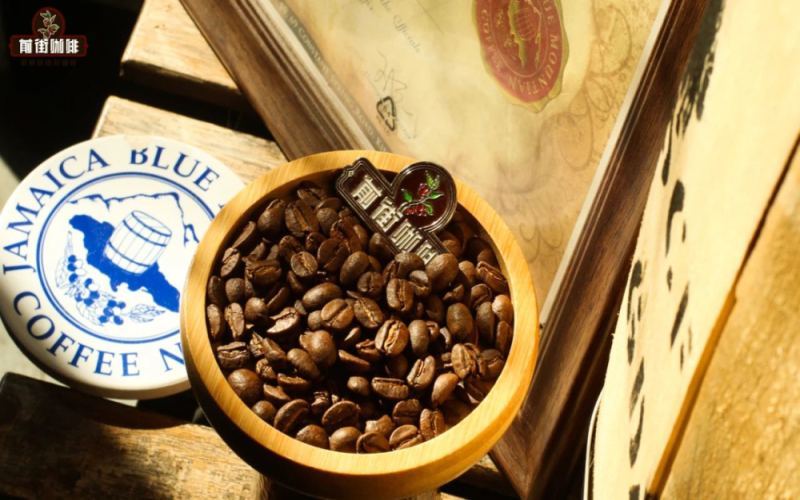
A Comprehensive Analysis of Jamaican Blue Mountain Coffee Grading and Quality Certification Standards
Blue Mountain coffee has always been a name that draws considerable attention in the specialty coffee world, but do you really understand it? From the introduction of the Typica variety to the Jamaican government's strict designation of growing regions; from the NO.1 to Peaberry grade classifications to the barrel export and CIB certification system—every step determines Blue Mountain coffee's unique status. This article will systematically sort out the classification methods of Jamaican coffee, the quality standards of Blue Mountain coffee, and the key brewing points for Blue Mountain No.1, taking you through this legendary coffee from the ground up. [more…]
Jamaica Blue Mountain Coffee Flavor and Brewing Analysis: Blue Mountain No. 1 Grade Classification, Price, and Taste Characteristics
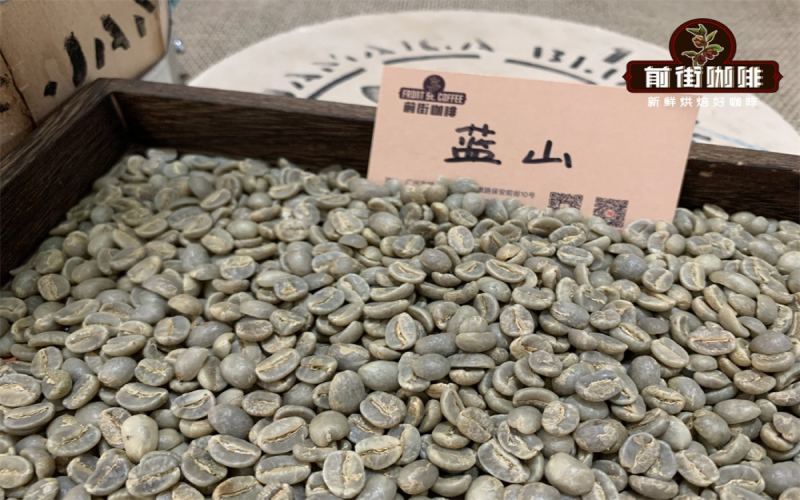
Blue Mountain coffee is often called the cream of the crop. Some people are captivated by its rich, well-balanced flavor, while others find it nothing special. Front Street Coffee believes that taste preferences vary from person to person, but the refinement, smoothness, and cleanliness of Jamaican Blue Mountain coffee are indeed world-renowned. This article explores Blue Mountain coffee's true flavor, origin environment, grading system, price composition, and brewing parameters. It also introduces the Clifton Estate Blue Mountain No. 1 currently sold by Front Street Coffee, as well as the flavor differences brought by washed and natural processing methods, helping coffee enthusiasts gain a more comprehensive understanding of this legendary coffee. [more…]
Panama Hacienda La Esmeralda Green Label Geisha: A Full Breakdown of Grade Classification, Washed Flavor Profile, and Pour-Over Parameters
In the world of specialty coffee, the Geisha from Panama's Hacienda La Esmeralda is an inescapable legend. After rising to fame in 2004, the estate not only elevated Geisha to cult status but also took the lead in establishing a rigorous grading system. Among these, Green Label Geisha, though not part of the auction, has won the favor of many enthusiasts with its classic high-altitude flavors and approachable positioning. From the perspective of Front Street Coffee, this article traces the estate's origin story, plot divisions, and grading logic, with a focus on decoding the washed processing method and cupping performance of Green Label Geisha, along with a complete pour-over brewing recipe and parameter recommendations, guiding you through a systematic understanding of this benchmark Geisha's flavor code from seed to cup. [more…]
A Comprehensive Guide to Jamaican Blue Mountain Coffee: Varieties, Regions, Flavor Characteristics, and Pour-Over Methods
Jamaican Blue Mountain coffee is recognized as one of the world's top coffees, and its rich, balanced flavor and lingering fruity sweet-tartness captivate countless coffee lovers. However, the preciousness of Blue Mountain coffee is reflected not only in its price, but also in its strict quality control system and unique growing environment. True Blue Mountain coffee comes from the Blue Mountain region east of Kingston, Jamaica's capital, at an altitude of over 1,000 meters, and is made from the finest local green coffee beans. In this article, we will take an in-depth look at the variety classification, producing region characteristics, flavor description, and taste features of Blue Mountain coffee, and provide a detailed analysis of the key points of the pour-over method. At the same time, we will also remind enthusiasts to pay attention to identifying counterfeit Blue Mountain coffee on the market, helping everyone truly understand this legendary coffee. [more…]