







What makes Green Label Geisha coffee stand out?
Green Label Geisha from Panama's Hacienda La Esmeralda is a washed, high-altitude lot that the estate sells outside its auction lineup, which keeps it more accessible than the top lots while retaining the floral, citrus and honey character. The estate grades its Geisha by plot, altitude and cupping performance rather than by a single auction tier.
Hacienda La Esmeralda rose to prominence in 2004 after winning the annual Panama competition, and its Geisha plantings are split into three main plots: Cañas Verdes, Jaramillo and El Velo, each subdivided for traceability. As a source of famed coffee, the estate's washed Green Label suits pour-over brewing with fresh fruit acidity.
In the specialty coffee world, the Geisha from Panama's Hacienda La Esmeralda is undoubtedly an inescapable legend. After rising to fame in 2004, the estate not only elevated Geisha to iconic status but also pioneered a strict grading system. Among these, Green Label Geisha, though not entered in auctions, is favored by many enthusiasts for its classic high-altitude flavors and accessible positioning. From the perspective of Front Street Coffee, this article traces the estate's origin story, plot divisions, and grading logic, with a focus on interpreting the washed processing method, cupping performance of Green Label Geisha, and provides a complete pour-over extraction plan with parameter recommendations, guiding you through the flavor code of this benchmark Geisha from seed to cup.
For more specialty coffee knowledge, welcome to follow our WeChat public account: Front Street Coffee.
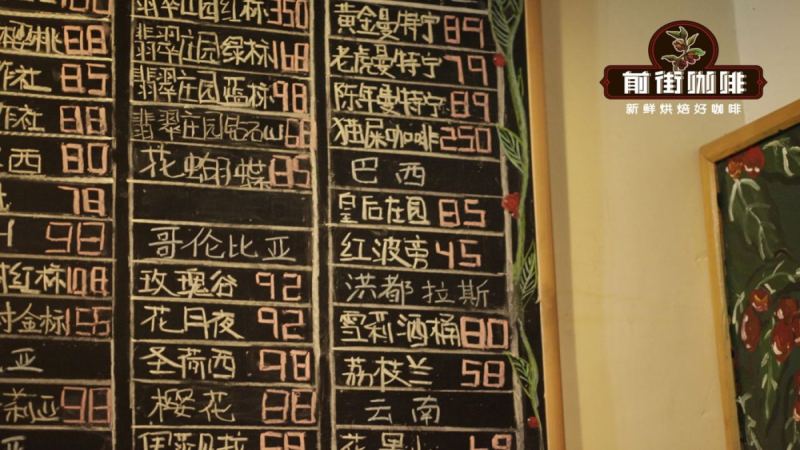
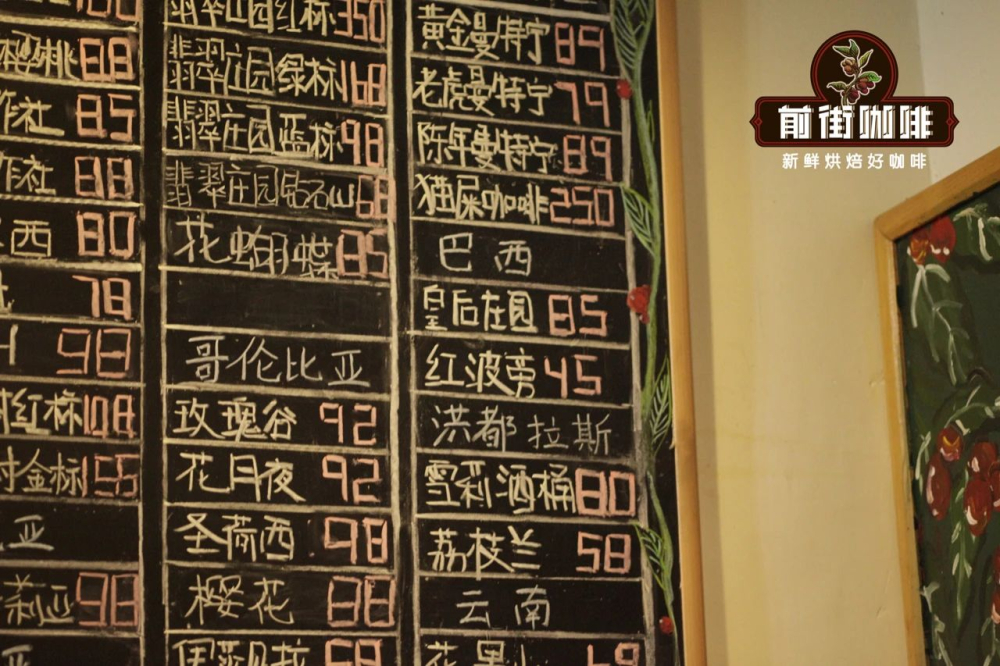
When many customers visit the Front Street Dongshankou store hoping to enjoy a cup of floral-rich pour-over coffee, the baristas at Front Street Coffee typically recommend Panama Geisha first—that captivating fragrance interwoven with citrus and honey notes is particularly enchanting. Flipping through Front Street's bean list, there are numerous options for Geisha alone, and among Panamanian origins, the Red Label and Green Label from Hacienda La Esmeralda are considered the most classic representatives of Geisha flavor. If you prefer fresh, uplifting fruit acidity, Green Label Geisha would be a very fitting choice.
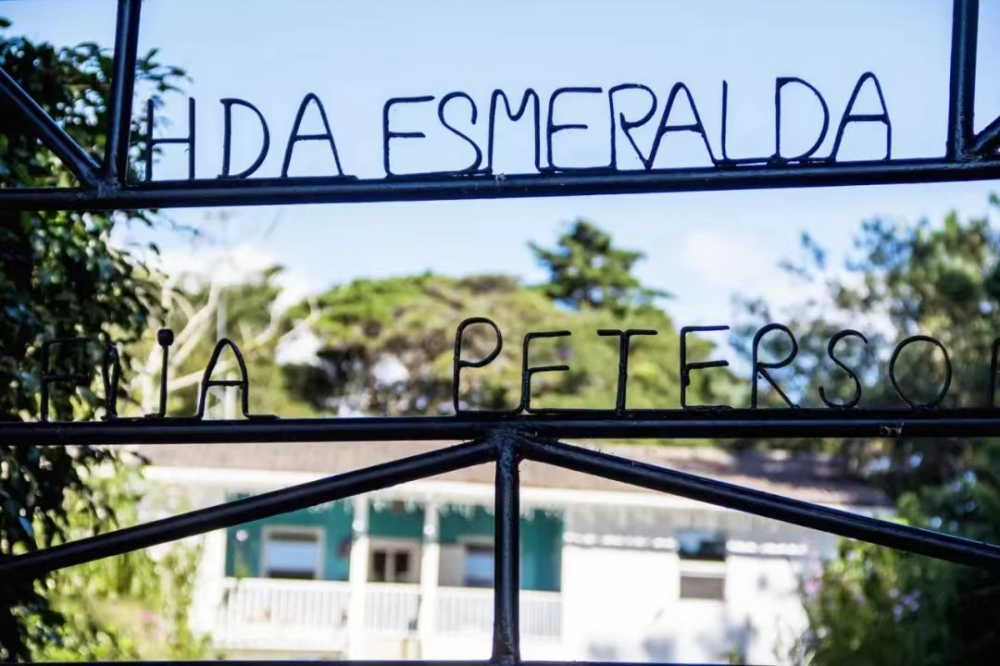
Hacienda La Esmeralda's fame in the specialty coffee world is well-known. In 2004, it won the Best of Panama coffee competition with its Geisha, and has since repeatedly broken auction price records year after year, becoming a focal point in the coffee community. Hacienda La Esmeralda not only brought Geisha to prominence but was also the first estate to strictly grade Geisha, with each year's Geisha batches drawing industry attention. After Geisha's victory, estate owners the Petersons systematically managed the Geisha trees based on altitude, region, and cupping performance.
In terms of major divisions, the Geisha cultivation areas are divided into three main plots: Cañas Verdes, Jaramillo, and El Velo. To ensure each batch can be traced to its source, Peterson further subdivided each major block into several small plots, so buyers can check the specific planting location through batch information after purchasing Geisha. Geisha was first discovered in the Jaramillo plot, and the Peterson siblings decided to increase Geisha cultivation altitude starting from this plot as well. As the discovery and cultivation site of Geisha, Jaramillo naturally became the most renowned plot of Hacienda La Esmeralda. Jaramillo has an average altitude exceeding 1650 meters, and the cold, humid mountain air allows the Geisha coffee here to accumulate rich natural essences with an inviting aroma. Currently, Jaramillo is divided into five small plots: Mario, Noria, Reina, Bosque, and Buenos Aires. Among them, Mario and Bosque perform particularly well in various competitions.
Hacienda La Esmeralda's green bean processing plant is located in Cañas Verdes, at the foot of Baru Volcano, about a twenty-minute drive from the town of Boquete. When coffee cherries ripen, the estate owner arranges workers to strictly follow standards, hand-picking and selecting fresh fruit only at optimal ripeness, and transporting them to the factory as quickly as possible for subsequent screening. Common Hacienda La Esmeralda Geisha on the market comes in three brand lines: Red Label, Green Label, and Blue Label, which are grades divided by the Peterson family based on cupping flavors from specific plots, with Green Label being the Private Collection.

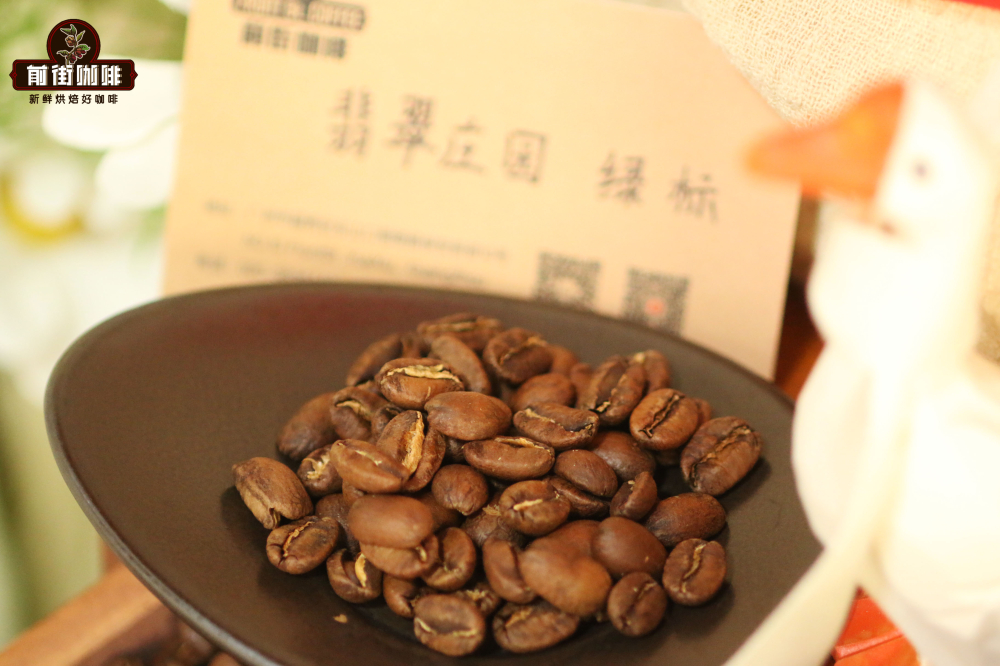
Green Label Geisha is selected from fruit grown at altitudes between 1600 and 1800 meters, all harvested from the Jaramillo and Cañas Verdes plots, but Hacienda La Esmeralda does not specify plot information, so it does not participate in auctions. Although its grade is lower than Red Label, Green Label concentrates the iconic classic flavors of high-altitude Geisha. The Green Label Geisha sourced by Front Street uses washed processing and presents fresher, more natural flavors of lemon, berries, pomelo, and Tieguanyin tea in cupping.
Washed processing is a classic representative among coffee processing methods. At Hacienda La Esmeralda, after harvesting, coffee fruits are placed in water tanks and transported by pumping. During water flow transfer, fruits with insufficient density float up—this is "flotation." Only fruits that pass flotation and meet density standards proceed to the depulping stage, followed by fermentation in fermentation tanks to remove the mucilage layer, and finally the coffee beans are dried to about 11% moisture content. Washed processing can enhance coffee's acidity, making it more uplifting, while also bringing higher cleanliness.
Front Street believes that to present the classic "Geisha flavor," more floral notes and acidity must be preserved. Therefore, Front Street's Geisha coffee beans are all light-roasted, with roasting curves adjusted accordingly for different processing methods and flavor differences. This roast level does not overly alter the high hardness of high-altitude beans, so brewing requires a certain increase in extraction yield to reveal fuller flavor layers. It is recommended to use higher water temperature and a finer grind to stimulate more aromatic substances; meanwhile, to make the Geisha flavor clearer, Front Street slightly widens the coffee-to-water ratio, using 1:16.
To improve Geisha extraction yield, avoid over-extraction, and highlight the sweet-tart layers, the baristas at Front Street Coffee choose the V60 dripper. The V60 has spiral ribs connecting the top and bottom and a large central hole, which speeds up water flow; the spiral vent design extends the water flow path, increasing contact time between coffee grounds and hot water. Each stream of water converges along the grooves toward the center of the dripper, concentrating pressure on the coffee grounds and extracting a richer layered coffee.
Pour-over recommendations for Hacienda La Esmeralda Green Label Geisha coffee:
Dripper: V60
Water temperature: 91-92°C
Coffee dose: 15g
Coffee-to-water ratio: 1:16
Grind size: fine granulated sugar (80% passing a No. 20 sieve)
Three-stage extraction: First, pour 15 grams of coffee grounds into the dripper and tare the scale. For the first stage, pour 30g of water for a 30-second bloom while starting the timer, using a small stream throughout, pouring from the center point and spiraling outward, making sure to wet the entire coffee bed.
For the second stage, switch to a slightly larger stream and pour 120g of water, aiming to lift the entire coffee bed. The water column should be poured vertically and evenly; at this point the scale shows 150g, finishing in about 55 seconds.
When the liquid level drops to halfway, begin the third stage by pouring 90 grams in a small stream in a small circular motion, trying to control the stream from circling too widely to avoid disrupting the coffee bed and causing under-extraction. The total water poured is 240 grams, and the drip completes in about 2 minutes 10 seconds. After removing the dripper, swirl the coffee in the server to mix evenly before tasting.
The above content is compiled by CoffeeHunters, a coffee news website.


