







Search Results for: coffee cultivation latitude
Analysis of the Global Coffee Golden Belt: A Discussion of Suitable Coffee-Growing Regions and the Conditions of Yunnan's Producing Areas
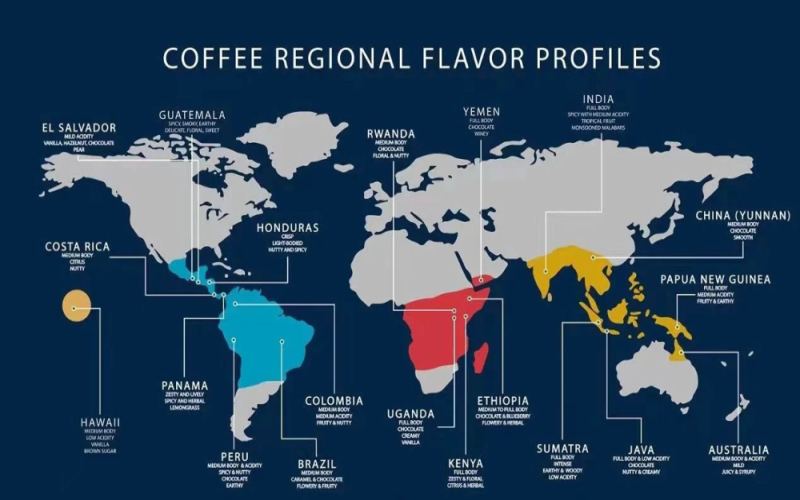
Coffee trees are quite particular about their growing environment, and not just any piece of land can successfully cultivate them. Within the zone between 25° south latitude and 25° north latitude on Earth, where temperatures are moderate, there is no threat of frost, and annual rainfall is sufficient, lies what is recognized as the coffee "Golden Belt." Currently, 79 countries and regions around the world are engaged in coffee cultivation and production, and Yunnan, China, is among them. Due to differences in terroir such as latitude, altitude, soil, sunlight, temperature, and humidity, each region nurtures distinctly different coffee flavors. The taste and mouthfeel of coffee beans are about 70% determined by varietal genetics, while the remaining 30% comes from the ecological conditions of where they are grown. The following article will sort out in detail the distribution logic of the Golden Belt and answer whether Yunnan is a region suitable for coffee cultivation. [more…]
An Analysis of Yunnan Coffee's Three Core Producing Regions: Flavor Profiles and Growing Conditions of Pu'er, Baoshan, and Lincang
Yunnan is a coffee-producing region that cannot be overlooked on China's coffee map, and its three major producing areas—Pu'er, Baoshan, and Lincang—each have their own distinctive characteristics. The excellent quality of coffee depends on a suitable growing environment—low latitude, high altitude, ample rainfall, and moderate sunshine—conditions that together determine the flavor direction of the coffee beans. Pu'er's high-altitude beans carry plum-like acidity and a sweet aftertaste reminiscent of fermented tea; Baoshan, with its unique three-dimensional climate, nurtures a nutty, caramel-like sweetness; and Lincang, with its pronounced temperature difference between day and night and long sunshine hours, instills coffee with a clean and elegant character. Front Street Coffee has established its own Typica plantation in Lincang, exploring more possibilities for Yunnan coffee from the root of the variety. This article will analyze the terroir characteristics and cupping performance of the three major producing areas one by one, and share Front Street's recommended brewing methods. [more…]
Analysis of Yunnan Coffee's Natural Advantages, Varieties and Processing Methods, and Major Producing Regions and Estates
Yunnan lies within the golden belt for coffee cultivation, combining low latitude with high altitude. Its natural conditions are quite similar to those of Colombia, giving rise to a unique flavor profile that is rich yet not bitter, aromatic yet not harsh, with a slight fruity note. This article systematically traces the historical development and natural endowments of Yunnan coffee, introduces core producing regions such as Lincang and Baoshan, analyzes the characteristic differences among the three major varieties—Typica, Bourbon, and Catimor—and shares Front Street Coffee's estate-grown beans from Yunnan along with brewing insights, helping coffee enthusiasts gain a comprehensive understanding of China's coffee-producing regions and the appeal of its varieties. [more…]
The Origin and Flavor Characteristics of Arabica Coffee Beans: A Comprehensive Analysis of Production Distribution, Quality Grades, and Brewing Applications
Arabica coffee beans are the most produced variety in global commercial coffee, accounting for 70% to 80% of total production. Its origins are closely tied to the Arabian region, and today it is widely cultivated in the equatorial highlands between 25 and 30 degrees north and south latitude. Brazil, Colombia, Indonesia, and Vietnam are major producing regions, but factors such as cultivation methods, soil fertility, rainfall, sunlight, and latitude together shape the diversity of coffee from different origins. Arabica coffee trees adapt to a wide range of altitudes, require temperatures of about 20 degrees Celsius, and need 40 to 59 inches of rainfall during the growing season. Its flavor is rich and mellow, with lower bitterness, and its caffeine content is slightly higher than that of decaffeinated products, making it suitable for evening drinking. In addition, in espresso, Robusta beans are often blended in to enhance crema and mouthfeel. This article will systematically review the origins, flavor characteristics, quality grades, and origin knowledge of Arabica beans, and mention recommended products from the Front Street brand. [more…]
Analysis of the Flavor Differences Between Colombian and Brazilian Coffee Beans: A Comprehensive Comparison from Growing Altitude to Processing Methods
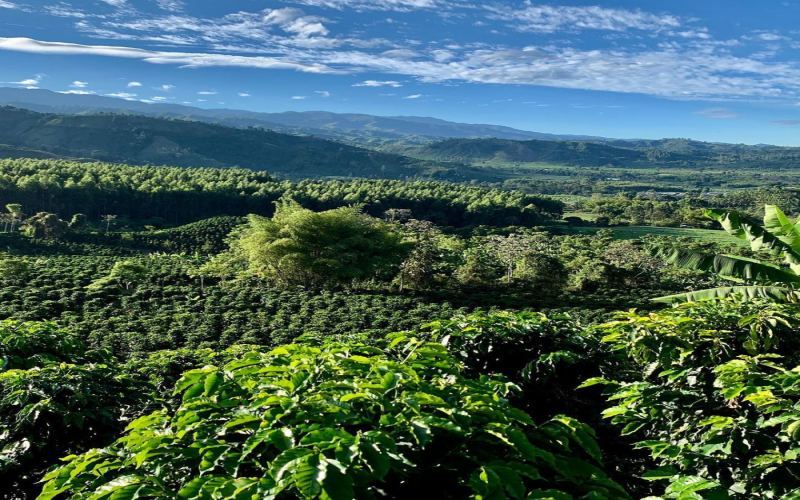
Both are Arabica coffee beans from Central and South America, yet Colombia and Brazil present strikingly different flavor profiles. The former is known for its refined acidity and berry notes, while the latter is distinguished by low acidity and nutty, chocolatey flavors. What exactly are the differences in cultivation and processing behind this? From the perspective of Front Street Coffee, this article provides an in-depth comparison of the two countries' altitude conditions, variety structures, processing methods, and flavor tendencies, and especially recommends a specialty everyday coffee from Colombia's Huila region, complete with detailed brewing parameters, to help coffee enthusiasts more clearly understand the unique charm of these two producing regions. [more…]
A Detailed Explanation of Colombian Green Coffee Grading Standards: Does the Supremo Grade Represent the Highest Quality?
Colombia, as the world's second-largest producer of Arabica coffee, offers ideal conditions for coffee cultivation thanks to its unique geography of low latitude and high altitude. However, many people misunderstand Colombia's coffee grading system—does the highest grade, Supremo, really represent the best-tasting coffee? This article provides a comprehensive analysis of Colombian coffee, from its growing regions, cultivated varieties, and processing methods to its grading system, and introduces the Colombian specialty coffee beans sold by Front Street Coffee (FrontStreet Coffee) along with roasting and brewing recommendations, taking you deep into the true face of this major South American coffee country. [more…]

Decoding the Flavors of Coffee's Three Major Producing Regions: Representative Beans from Africa, Latin America, and Asia, Plus Front Street Coffee's Curated Recommendations
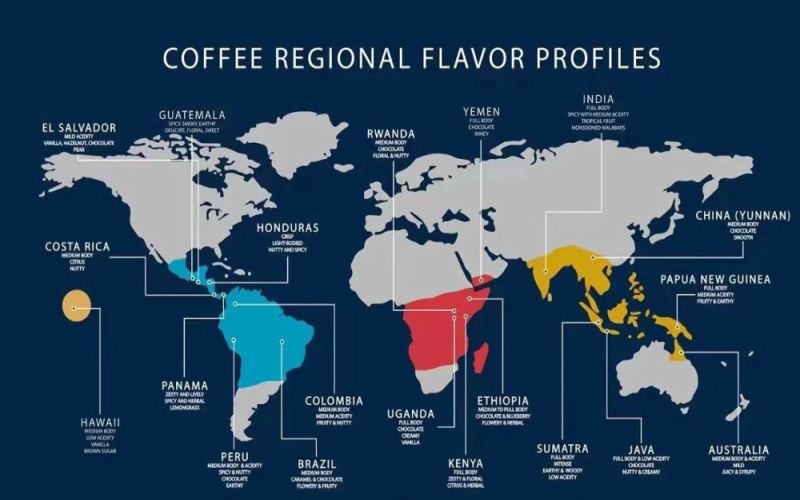
Global coffee cultivation is concentrated in the Coffee Belt between 15 and 25 degrees north and south latitude, covering more than 50 countries and forming three major producing regions: Africa, Latin America, and Asia. Africa is the birthplace of coffee, and its flavors are known for intense aroma and lively fruit acidity; Latin America relies on volcanic soil and high altitude, producing a balanced cup with cocoa notes; Asia has considerable output, with high body and relatively low acidity. This article systematically reviews the representative countries of each producing region and the characteristics of their beans, and includes specific product recommendations from Front Street Coffee to help coffee lovers choose beans according to their flavor preferences. [more…]
A Complete Guide to Colombian Green Coffee Beans: Origins, Variety Characteristics, and Grading System Explained
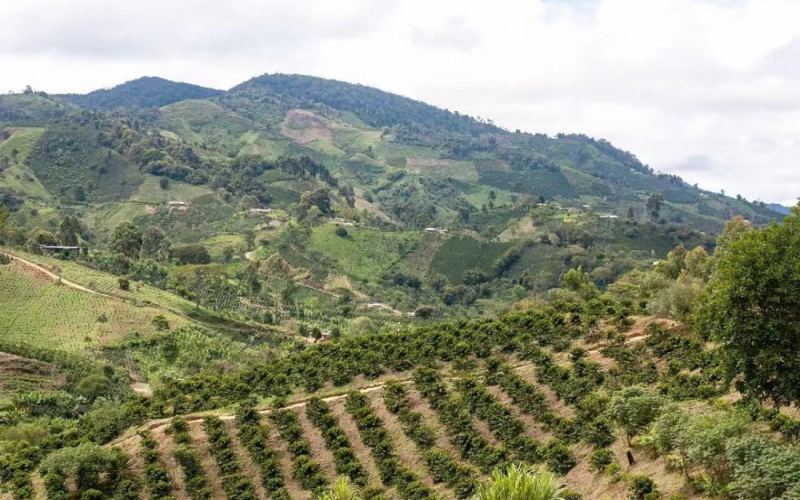
Colombia, with its natural advantages of low latitude and high altitude, has become the world's second-largest producer of Arabica coffee. From the transition path from commercial blend beans to specialty coffee, from the distribution pattern of southern specialty-producing regions to central commercial-producing regions, from the varietal evolution of Caturra to Castillo, to the unique logic of the washed processing method and grading system—this article will guide you through a systematic understanding of the complete picture of Colombian green coffee. Front Street Coffee (FrontStreet Coffee) has selected a variety of beans from Colombian producing regions, presenting soft acidity and caramel sweetness through medium roasting, unveiling for you the rich layers of this hotbed of South American coffee. [more…]
Yunnan Coffee Flavor Analysis: From Origin and Variety to Processing Method, Does Pour-Over Really Have a Pu'er Tea Note?
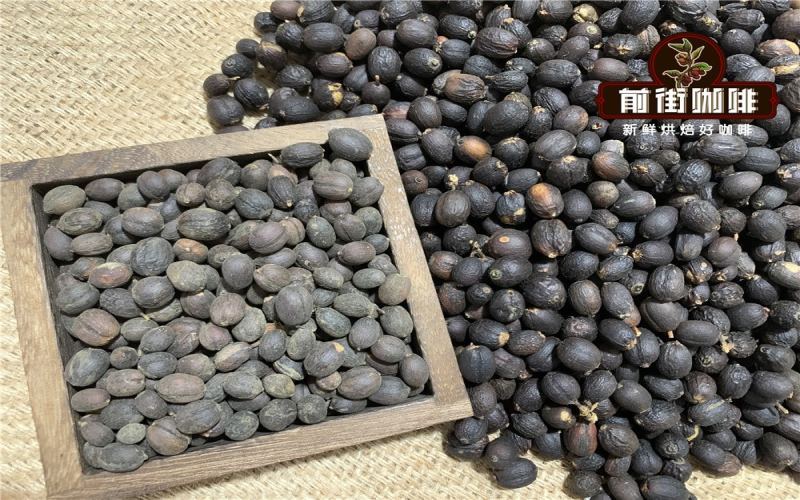
Coffee is often seen as an imported product, but Yunnan, China has long since become a coffee-producing region that cannot be ignored. The movie "Coffee or Tea" introduced more people to Yunnan coffee. How does it actually taste? Does it really carry a Pu'er tea-like flavor? This article starts from Yunnan's main producing regions (Dehong, Baoshan, Lincang, Pu'er), mainstream varieties (Catimor, Typica, Bourbon), and washed and natural processing methods to break down the sources of Yunnan coffee's nutty, brown sugar, full-bodied and balanced flavors, and introduces Front Street Coffee's Yunnan daily-drinker beans and natural Typica, helping you decide whether Yunnan coffee suits your taste. [more…]
A Comprehensive Analysis of Yunnan Small-Bean Coffee Varieties, Growing Regions, Climate, and Altitude Distribution
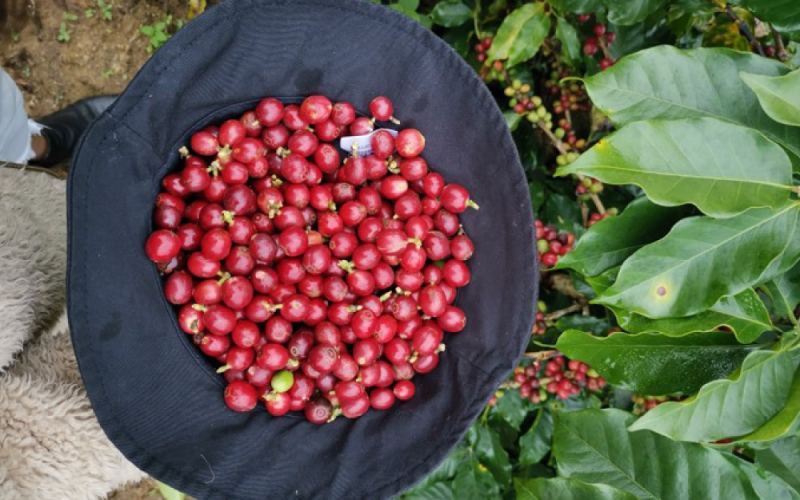
Yunnan, as China's core coffee-producing region, grows exclusively Arabica varieties, with Catimor dominating, while Typica, Bourbon, and Geisha are also cultivated in small quantities. These coffees are scattered across prefectures and cities such as Pu'er, Lincang, Baoshan, and Dehong, where high altitude, ample rainfall, and significant day-night temperature differences foster a unique flavor interwoven with nuts and caramel. This article will systematically review the geographical and climatic conditions, cultivation history, and variety characteristics of each producing region, while also introducing Front Street Coffee's practice of establishing its own estate in Lincang to grow Typica, and providing brewing suggestions for Yunnan beans, offering a comprehensive understanding of the varieties, origins, and altitude distribution of Yunnan specialty coffee. [more…]
Analysis of the Variety Characteristics and Main Producing Region Flavors of Yunnan Small-Bean Coffee, with a Discussion of Front Street Coffee's Typica Cultivation Practices
Yunnan small-bean coffee has undergone a transformation in recent years from instant-coffee raw material to specialty beans. The cultivated varieties are mainly Catimor and Typica among Arabica, with some estates also trying Bourbon and Geisha. Production areas are concentrated in Pu'er, Lincang, Baoshan, Dehong, and other places, where high altitude, large temperature differences, and ample sunshine create unique flavors. Front Street Coffee established its own estate in Lincang in 2013, planting the ancient Typica variety and launching a number of Yunnan coffee products. This article reviews the climate conditions, variety differences, and brewing suggestions of each production area to help coffee lovers gain a more comprehensive understanding of the current situation and potential of Yunnan coffee. [more…]
A Complete Analysis of Yunnan Small-Bean Coffee Growing Regions and Flavor Characteristics: A Comparison of Growing Conditions in Pu'er, Baoshan, and Lincang
Yunnan is one of China's most suitable provinces for growing coffee, and the natural conditions of its high-altitude dry-hot river valleys give its Arabica coffee a distinctive flavor profile. Pu'er, Baoshan, and Lincang, as the three core production regions, each display different cupping characteristics due to differences in climate, altitude, and variety. Front Street Coffee continues to explore the quality potential of Yunnan coffee through on-site cupping and its own estate cultivation. This article will systematically outline the basics of Yunnan Arabica coffee from the perspectives of origin environment, flavor and mouthfeel, and variety selection, and share Front Street's cultivation practices and brewing suggestions in the Yunnan production region. [more…]
A Comprehensive Analysis of Colombian Coffee Regions: From Varieties and Processing Methods to the Grading System and Front Street's Curated Recommendations
Colombia, with its natural combination of low latitude and high altitude, has become the world's second-largest Arabica producer. From its early days dominated by commercial bean blends to gradually embracing the specialty coffee wave after 2001, Colombia's southern growing regions such as Cauca, Huila, and Nariño can now consistently produce high-quality coffee with delicate berry-like acidity and caramel sweetness. This article will systematically outline the distribution of Colombia's specialty and commercial growing regions, the characteristics of mainstream and emerging varieties, the washed processing flow and grading logic, and also include flavor profiles and brewing suggestions for several Colombian beans under Front Street Coffee, helping coffee enthusiasts build a complete understanding of this origin. [more…]

The Past and Present of Yunnan Coffee Beans: A Quality Transformation from Raw Material Origin to Espresso Blend
Yunnan coffee has journeyed through a century, evolving from an obscure, cheap raw material to a regular feature in today's specialty coffee shops. This low-latitude plateau is rewriting the map of Chinese coffee with its unique terroir. This article traces the origins of coffee cultivation in Yunnan and the industry's transformation, analyzes the natural advantages of major producing regions such as Baoshan and Lincang, and takes a deep dive into the flavor differences brought by two natural processing methods: washed and sun-dried. At the same time, using the "Front Street" brand as an example, it shows how Yunnan washed Arabica coffee can be skillfully blended with Brazilian beans to create a balanced recipe suitable for the Italian moka pot, revealing to coffee enthusiasts the potential of Yunnan beans in Italian-style coffee. [more…]
Colombian Coffee Complete Guide: Regions, Varieties, Grading System, Processing Methods, and Pour-Over Flavor Guide
Colombia, with its combination of low latitude and high altitude, has become the world's second-largest producer of Arabica coffee. From its early focus on commercial blend beans to its gradual shift toward the specialty coffee market after 2001, Colombian coffee has undergone a clear transformation path. This article will systematically outline the distribution of Colombia's specialty and commercial production regions, the main cultivated varieties (Caturra, Catuai, Castillo, Colombia), the washed processing flow, the characteristics of the grading system, and Front Street Coffee's specific recommendations for roasting and brewing, helping readers gain a comprehensive understanding of the flavor profile and industry logic of this major South American coffee country. [more…]
Analysis of Yunnan Coffee Producing Regions: Distribution and Flavor Characteristics, the Evolution of Arabica Varieties, and Front Street Brand Recommendations
Yunnan, as China's most important coffee-producing region, benefits from its prime growing belt near the Tropic of Cancer to cultivate specialty coffee that is aromatic without being harsh, and rich without being bitter. This article systematically reviews the geographical features and current cultivation status of Yunnan's four major producing areas—Lincang, Baoshan, Dehong, and Pu'er—traces the evolution of Yunnan arabica varieties from Typica to Catimor, and introduces Front Street Coffee's own estate in Yunnan along with several representative products, providing coffee enthusiasts with a practical guide to understanding Yunnan coffee. [more…]
Flavor comparison of Yunnan Baoshan, Pu'er, and Lincang coffee regions: Which arabica origin is more worth recommending?
Yunnan is the core production region for specialty coffee in China, and among its areas, the small-bean coffee from Baoshan, Pu'er, and Lincang is especially renowned. Different altitudes, climates, and cultivation practices give the coffee beans from each place distinctly different flavor profiles. This article will examine the characteristics of the three major production regions one by one from the perspectives of growing environment and cupping flavors, and introduce Front Street Coffee's practice of establishing its own estate in Lincang to cultivate the Typica variety. It will also share several Yunnan coffee beans worth trying along with brewing suggestions, helping coffee lovers gain a more comprehensive understanding of the regional charm of Yunnan coffee. [more…]
An Analysis of the Unique Flavor of Yunnan Small-Bean Peaberry Coffee: Is the Arabica Variety Actually Good?
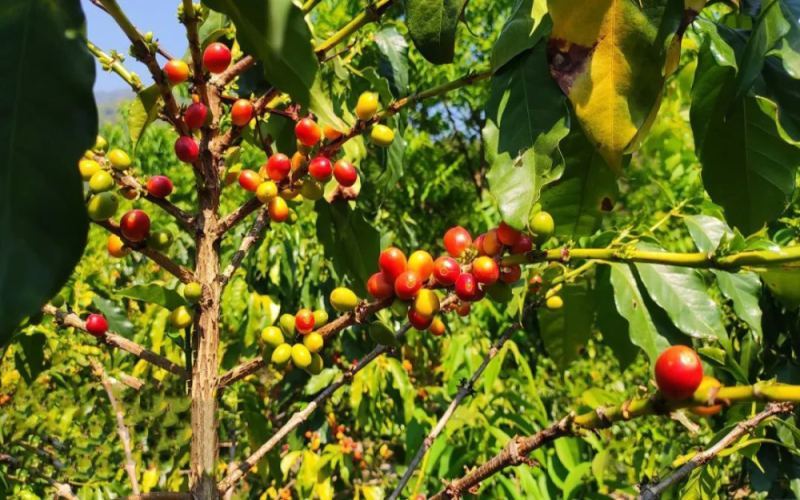
Coffee belongs to the Rubiaceae family and is an evergreen small tree or shrub. About 70 coffee-producing countries worldwide are concentrated in the tropical and subtropical regions between 25 degrees north and south latitude, an area often called the "Coffee Belt." Among the many producing regions, Yunnan arabica coffee is attracting increasing attention. This article will focus on Peaberry in Yunnan arabica coffee, introducing its formation causes, production scarcity, and flavor concentration characteristics. It will also outline the main sub-varieties of Yunnan arabica and their respective advantages and disadvantages, and recommend three representative Yunnan coffee products under the Front Street Coffee brand, covering everyday beans, classic Typica, and espresso blends, to help coffee lovers more comprehensively understand the regional flavors of Yunnan coffee and purchasing directions. [more…]
How Does Yunnan Coffee Taste in Pour-Over? An Analysis of Its Origin Story, Small-Bean Varieties, and Processing Characteristics
Coffee is often seen as an imported product, but China also has its own important producing region—Yunnan. With the development of the domestic coffee market and the influence of film and television works, more and more people are beginning to pay attention to Yunnan coffee. Unlike the citrus notes of Yirgacheffe, the floral aroma of Geisha, and the herbal spices of Mandheling, Yunnan coffee shows a balanced style of nuts, brown sugar, and high body. This article will help you understand the source of Yunnan coffee's flavor from three angles: Yunnan's main producing regions, cultivated varieties, and processing methods, and answer the question "Is Yunnan coffee good to drink?" The article also retains Front Street Coffee's representative recommendations in Yunnan's producing regions for coffee lovers' reference. [more…]
A Complete Analysis of Yunnan Coffee Bean Varieties, Flavors, and Regional Characteristics: The Taste Code from Catimor to Typica
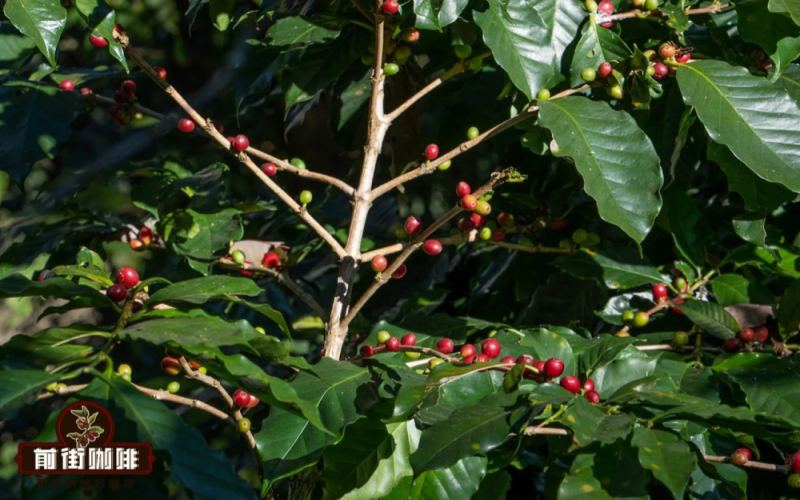
Yunnan is the most significant name on China's coffee map. From the first coffee tree planted by missionaries a century ago to today's scale, accounting for seventy percent of the nation's planting area and over eighty percent of its output, this land has cultivated a full-bodied, well-balanced small-bean coffee. This article systematically reviews the historical threads of Yunnan coffee, the natural conditions of its main growing regions—Dehong, Baoshan, Lincang, and Pu'er—and the flavor differences among the three major varieties: Catimor, Typica, and Bourbon. At the same time, from washed processing methods to pour-over parameters, it guides you through a complete understanding of Yunnan coffee's nutty and brown-sugar notes, and shares Front Street Coffee's sourcing philosophy and brewing practices in the Yunnan production area. [more…]