







What Makes Yunnan Coffee Growing Conditions Distinct?
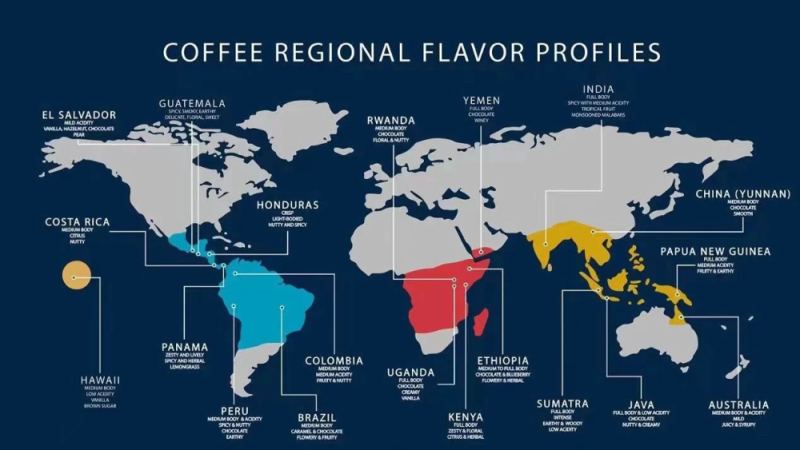
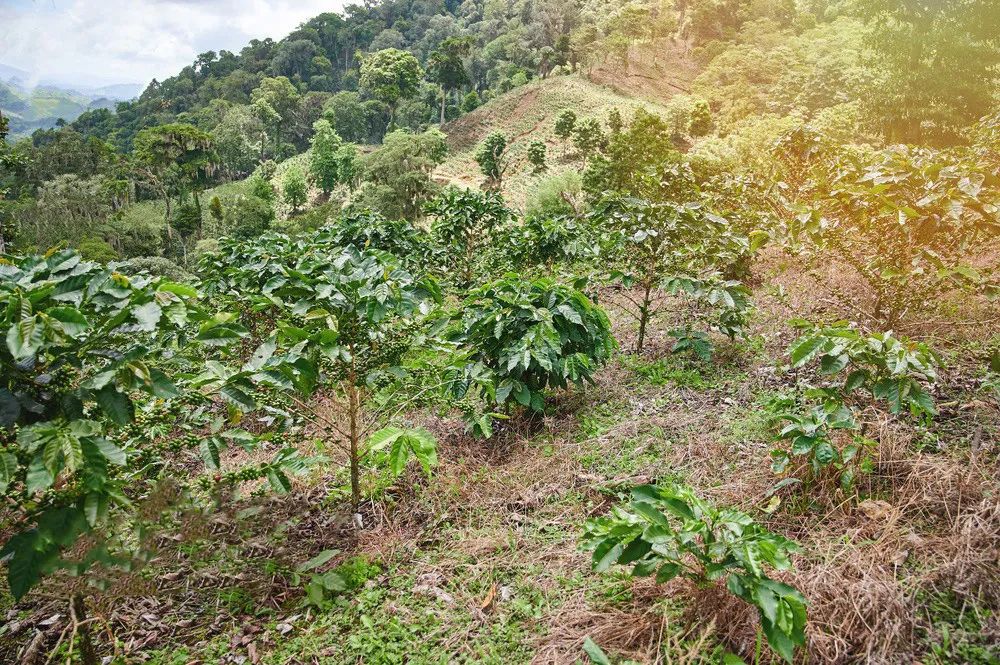
Yunnan sits at the northern edge of the coffee belt, which runs from 25 degrees north to 25 degrees south latitude. Its western and southern areas fall between 15 degrees north and the Tropic of Cancer, giving low latitude, high altitude, a wide day-night temperature swing, fertile soil, ample sun, and steady rain, conditions close to those of Colombia.
Slow growth at altitude lengthens the ripening cycle and builds more flavor compounds, producing a cup that is rich but not bitter and aromatic without harshness, with a slight fruity note. Main growing areas include Lincang and yunnan baoshan coffee, and the three leading varieties are Typica, Bourbon, and Catimor, each with distinct cup traits worth comparing side by side.
Yunnan is located in the golden belt for coffee cultivation, with both low latitude and high altitude. Its natural conditions are quite close to those of Colombia, creating a unique flavor that is rich but not bitter, aromatic but not harsh, with a slight fruity note. This article systematically reviews the historical development and natural endowments of Yunnan coffee, introduces core producing regions such as Lincang and Baoshan, analyzes the characteristic differences among the three major varieties Typica, Bourbon, and Catimor, and shares Front Street Coffee’s own estate beans from Yunnan along with brewing insights, helping coffee lovers gain a comprehensive understanding of the regional character and varietal charm of Chinese coffee.
For more specialty coffee knowledge, please follow the WeChat public account: Front Street Coffee
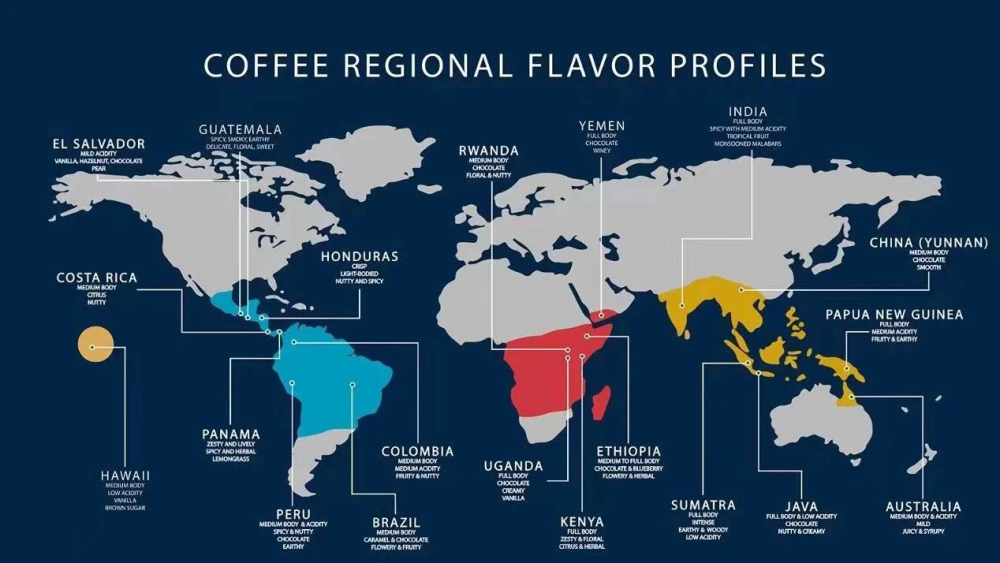
In the world coffee cultivation map, there is a coffee belt extending from 25 degrees north latitude to 25 degrees south latitude, covering coffee-producing regions in 79 countries and areas around the world. Yunnan small-bean coffee is mainly distributed in areas of higher latitude and higher altitude, while medium-bean coffee is more often found in regions of low latitude and low altitude. The western and southern parts of Yunnan Province, China, happen to lie between 15 degrees north latitude and the Tropic of Cancer.
Yunnan’s natural conditions are quite close to those of Colombia—low latitude, high altitude, a marked temperature difference between day and night, sufficient soil fertility, abundant sunlight, and plentiful rainfall. For coffee, these are all extremely favorable factors. In high-altitude areas, nighttime temperatures are lower, so coffee trees grow more slowly, the fruit ripening cycle is prolonged, and the flavor substances accumulated in the beans increase accordingly. Yunnan small-bean coffee is rich but not bitter, aromatic but not harsh, and also carries a slight fruity note, making it a distinctive flavor at the northern end of the world coffee map.
After the reform and opening up, Yunnan began to plant coffee on a large scale as a pillar cash crop. However, constrained by realities such as poor transportation, lagging cultivation techniques, limited professional expertise among practitioners, and a model dominated by scattered smallholder farming, the industry never formed scale. For a long period, Yunnan coffee beans could only serve as raw material for instant coffee and low-end coffee, and prices remained low for a long time.
Front Street Coffee—Introduction to coffee beans from Yunnan coffee estates
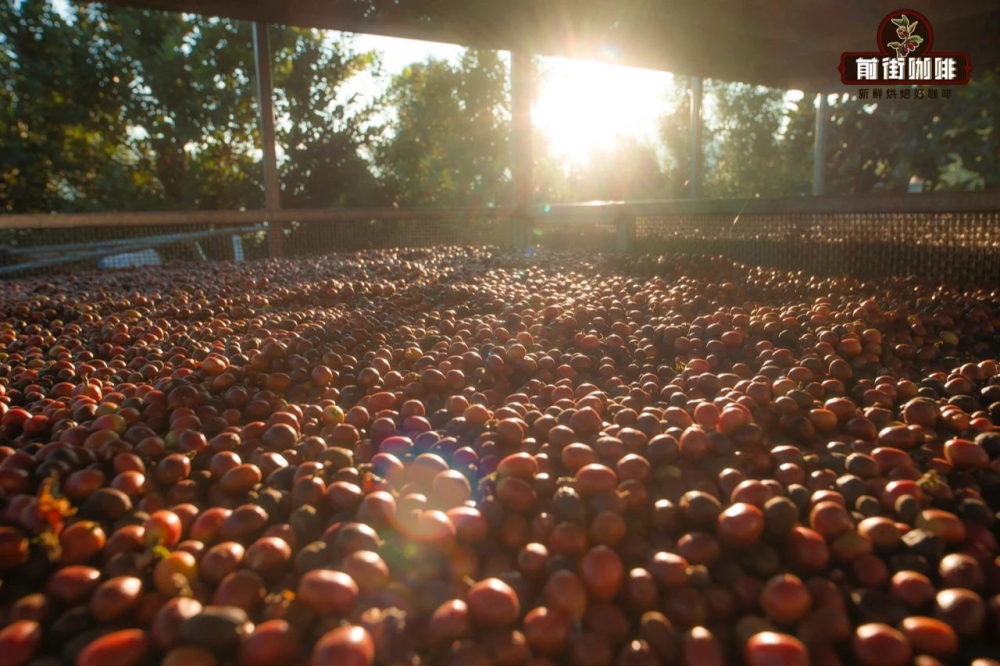
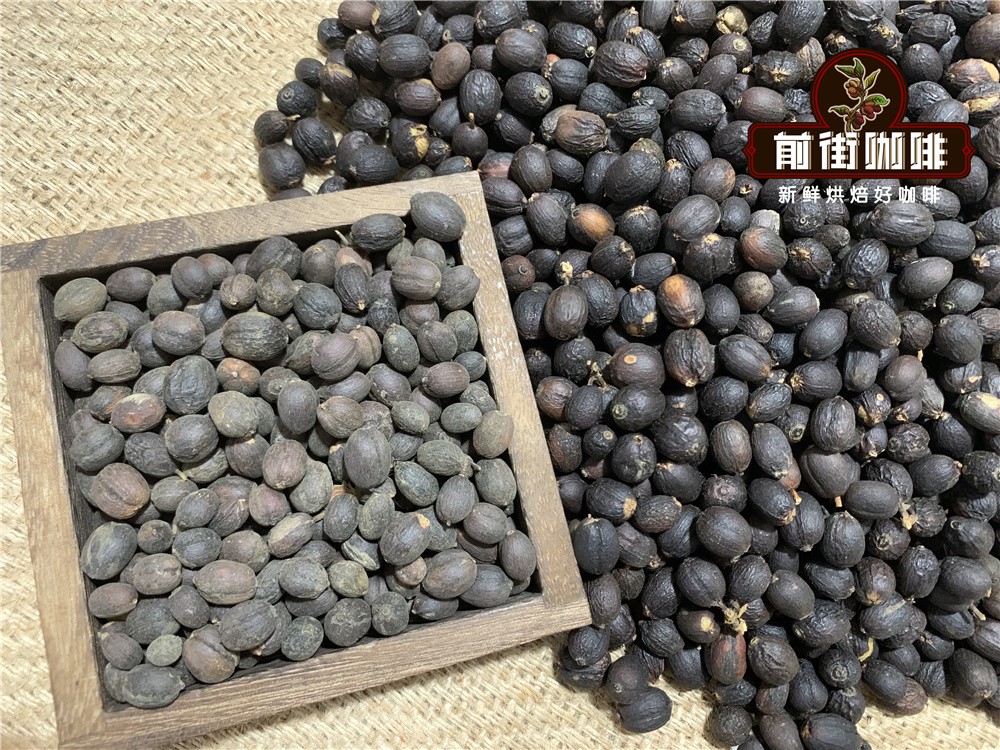
During the 2021 new crop season for Yunnan coffee beans, Front Street Coffee processed a small batch of its own Yunnan Typica natural coffee beans. Because the quantity was limited, Front Street Coffee only offered this batch as part of an event, in a “limited edition” format for everyone to try. In daily store operations, Front Street Coffee also often shares this self-produced natural Typica as a tasting sample with different customers.
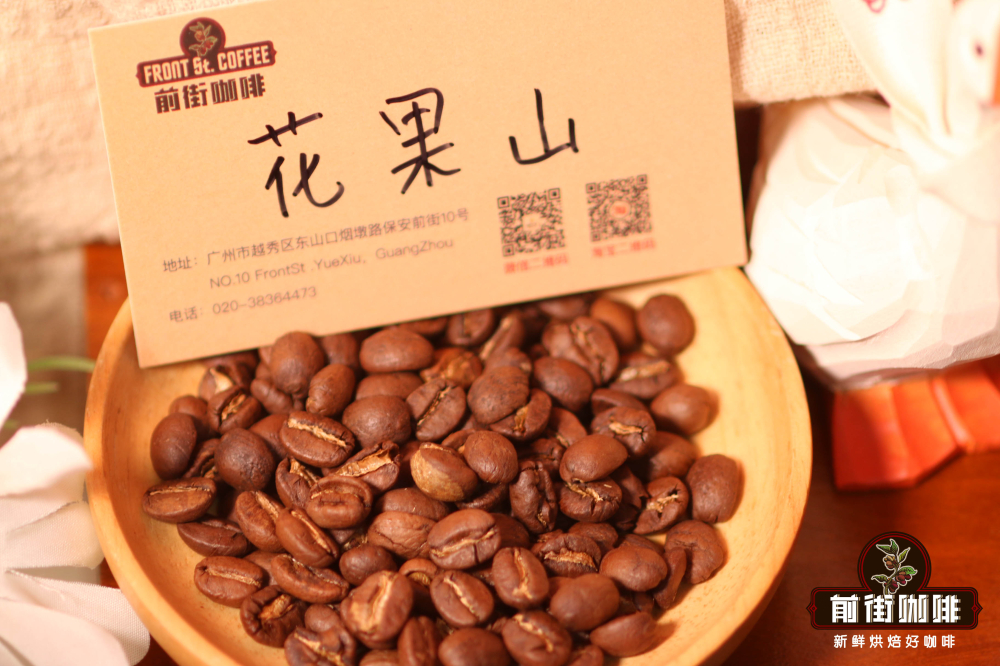
In addition, Front Street Coffee’s bean list also includes a Yunnan washed Typica Huaguoshan coffee bean for sale.
Today, the processing methods for Yunnan coffee beans have become increasingly diverse. Through adjustments and optimizations in the details alone, a variety of different processing methods have been developed.
Front Street Coffee’s baristas believe that traditional washed processing and natural processing best restore the truest flavor of a coffee origin and coffee-producing region. Front Street’s bean list includes a large number of washed-process beans, such as coffees from Ethiopia, Panama, Colombia, and other producing regions.
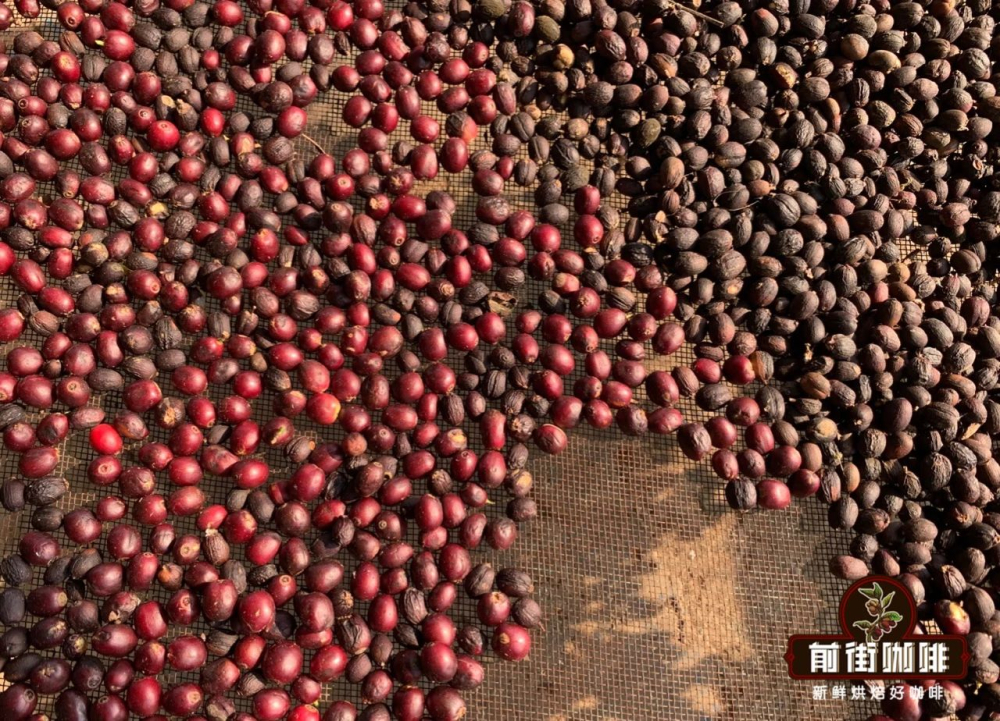
The three core factors affecting coffee flavor are: origin, variety, and processing method.
Zhukula was once an obscure small village. This isolated, remote, and impoverished ancient village is located deep in the mountains northeast of Pingchuan Town, Binchuan County, Dali City, Yunnan Province. It is surrounded by the Yupao River, a tributary of the Jinsha River, and sits at the junction of the three prefectures of Chuxiong, Dali, and Lijiang.
According to the Binchuan County Gazetteer, Father Tian Deneng planted coffee trees here so that he could drink coffee, and taught the local people how to make coffee. To make it convenient for himself and other missionaries to drink, after the church was built, Tian Deneng personally planted coffee trees by the wall.
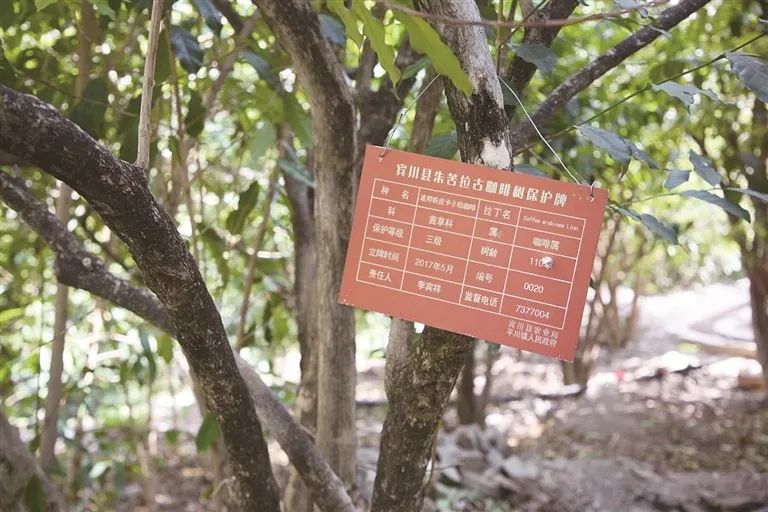
Zhukula Village still retains 13 mu of cultivation area, among which 24 coffee trees are over a hundred years old, making it China’s oldest coffee forest. After multiple national- and provincial-level coffee culture seminars, Zhukula coffee has been hailed as the “living fossil” of Chinese coffee.
After more than a century of development, whether judged by planting area or coffee bean output, Yunnan coffee has established its dominant position within China.
Front Street Coffee Introduction to Yunnan coffee-producing regions
Next, we will tell the story of Yunnan coffee one by one.
Places in Yunnan that produce coffee also include Xishuangbanna, Wenshan, Baoshan, Lincang, Dehong, and other areas. Among them, Lincang, Baoshan, Pu’er, and Dehong are the four major important coffee bean cultivation regions in Yunnan, basically distributed in the southwestern part of Yunnan Province.
Among them, Lincang especially deserves special mention.
Lincang Lincang is located in southwestern Yunnan Province, with the Tropic of Cancer running through its southern part. Lincang borders Pu’er to the east, Dali to the north, Baoshan to the west, and Myanmar to the southwest. It is named because it overlooks the Lancang River, and is a shining pearl on the southwestern frontier of the motherland. Lincang’s year-round average temperature is between 16.8°C and 17.2°C, with distinct dry and wet seasons and abundant sunshine.
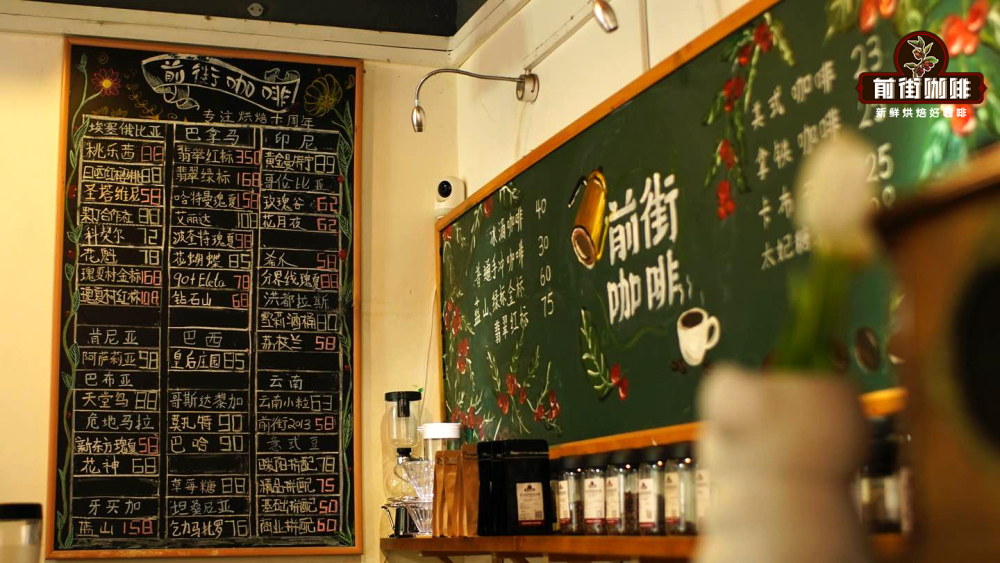
Front Street Coffee has established its own estate in the Lincang producing region of Yunnan. In 2021, Front Street Coffee produced its first self-produced coffee bean.
Baoshan Baoshan, Yunnan, is located on a low-latitude plateau. Its special geographical location creates a three-dimensional climate of “one mountain with four seasons, ten li with different weather,” and such climatic conditions are extremely suitable for growing coffee. As early as 1952, Baoshan had already begun large-scale coffee cultivation, and it has a history of more than 60 years so far. The area has a 5,000-mu coffee park and is known as Asia’s best coffee-producing region. Data shows that in 2017 China’s coffee export volume was 104,900 tons, with an export value of 646 million US dollars.
The coffee produced at the highest altitude here can be comparable to Jamaica Blue Mountain No. 1 coffee beans.
In addition, this place is also rich in the world’s most expensive kopi luwak coffee.
Yunnan Province’s coffee output reached 136,000 tons, accounting for more than 95% of the country’s coffee output, and its export volume ranked first in the country at 60,700 tons. The coffee industry is also the industry with the most sound and mature market economy development among the leading industries of the Baoshan municipal government since the founding of New China. To better develop this industry, Baoshan has made various attempts, including launching the Yunnan Baoshan Coffee World project and others.
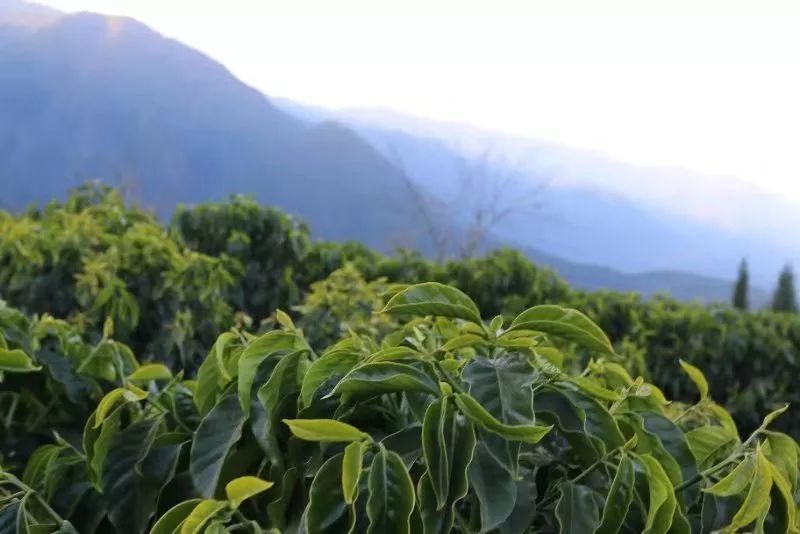
The Baoshan region has a long history of coffee cultivation and is recognized as the best producing area for small-bean coffee, as well as one of the regions with better coffee quality nationwide and even globally.
The most widely planted variety in Yunnan’s coffee-producing regions at present is Catimor. In addition, there is also a small amount of Typica and Bourbon cultivation in the Baoshan area. Although Typica and Bourbon both belong to the Arabica species, there are indeed great differences between them in essence.
Below we introduce the three coffee bean varieties: Typica, Bourbon, and Catimor.
catimor Catimor coffee bean variety
Strictly speaking, Catimor is not of pure Arabica lineage. It is a hybrid of the Timor variety (Robusta coffee species) and the Caturra coffee bean variety (a mutant of the Bourbon coffee bean variety), so Catimor carries 25% Robusta coffee bean lineage.
It is precisely this 25% Robusta lineage that determines the flavor defects of the Catimor coffee variety—insufficiently rich aroma, relatively heavy bitterness, a tendency toward astringency, and a rather pungent musty note.
typica Typica coffee bean variety
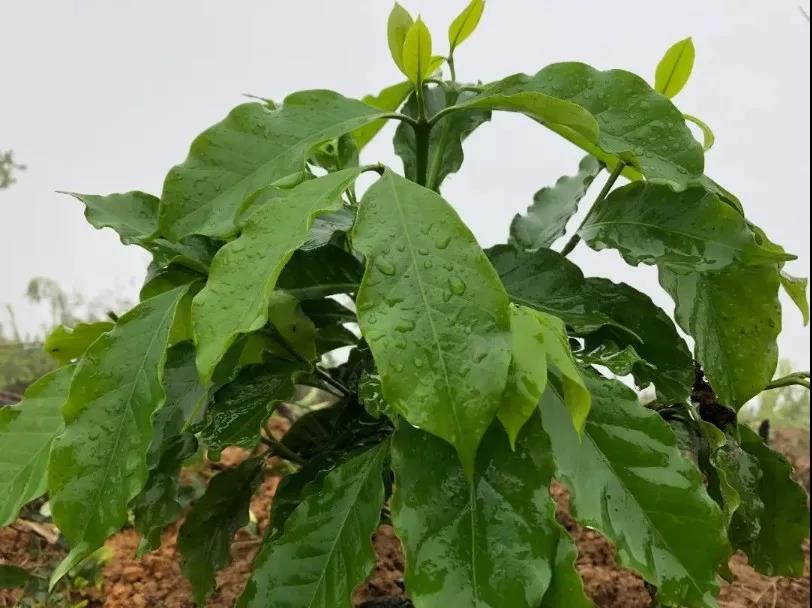
The Typica coffee bean variety originated in Ethiopia and southeastern Sudan, and is the most widely cultivated coffee variety in the Western Hemisphere. Its plant is relatively robust, but it is not tolerant of light. Typica’s crown leaves are copper-red, so it is also called red-top coffee. Many commercial improved varieties today are derived from this variety.
Typica coffee beans are recognized as a specialty coffee variety, but yields are extremely low, and the plants are susceptible to rust disease, requiring more labor for management and high maintenance costs. Excellent estate beans such as Jamaica Blue Mountain, Sumatra Mandheling, and Hawaii Kona all belong to Typica.
bourbon Bourbon coffee bean variety
Bourbon is a mutated variety of Typica. Its terminal buds and young leaves are green, so it is also called green-top coffee. Bourbon coffee beans have excellent aroma and rich layers, but their resistance to pests and diseases is very low, and yields are not high either. Therefore, many countries in Central and South America choose to plant Caturra, a natural mutation of Bourbon, or other coffee varieties with stronger disease resistance and higher yields.
In the 18th century, the French introduced round coffee beans from Yemen to Réunion Island. At that time, Réunion Island was still using the name Bourbon Island, and Bourbon thus got its name. In 1860, the Bourbon coffee bean variety was introduced to Brazil, and from there it quickly spread to countries throughout Central and South America. These countries still cultivate and produce Bourbon variety coffee beans today.
The yield of the Typica coffee bean variety is only one-third that of the Catimor coffee bean variety, which is precisely why it is more expensive. At the same time, both Typica and Bourbon are highly susceptible to coffee rust, which is also one of the reasons coffee farmers are unwilling to plant Arabica.
Because Typica and Bourbon have low yields, are prone to disease, and have high maintenance costs, this means growers need a longer period of exploration. At the current stage, coffee farmers do not yet have a “specialty coffee” mindset; even if they understand specialty coffee, once it is mentioned that they need to cut down old trees and spend several more years replanting, coffee farmers will only stay away.
Front Street Coffee Yunnan Typica coffee beans
About five or six years ago, Front Street Coffee began introducing Typica to the Baoshan producing region in Yunnan, creating a representative product with the characteristics of Yunnan coffee beans—Front Street 2013 Typica coffee beans.
Front Street Coffee Front Street 2013 Typica coffee beans Coffee origin: Baoshan Coffee variety: Typica Altitude: 1200m Grade: AA Processing method: Washed
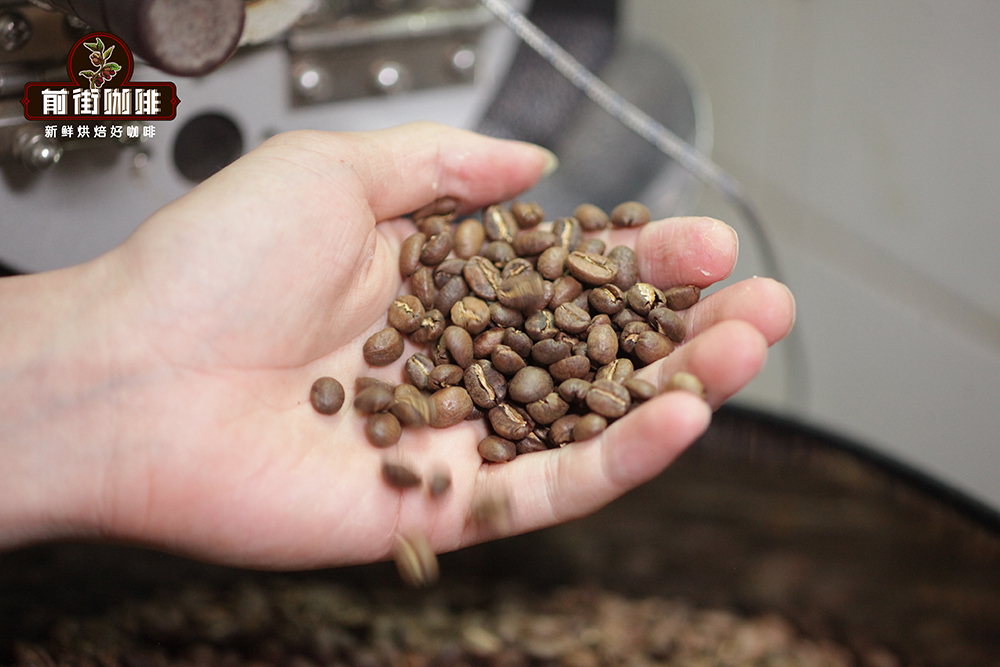
Front Street Coffee Yunnan Huaguoshan coffee beans roasting record
The beans’ moisture content was 10.9%, so the roasting plan was to charge the beans at 200°C, then use high heat and a small damper to speed up dehydration. After the dehydration stage ended, open the medium damper and use medium heat so that the Maillard reaction time would not be too rushed, and develop for 3 minutes after first crack before discharging.
Turning point: 1:32, 92.5°C; yellowing point: 5:40, 148.5°C; first crack: 8:59, 188°C; develop for 3 minutes and discharge: 12'00, 196°C
Front Street Coffee Yunnan Huaguoshan coffee beans cupping record
Rich fruity aroma, melon, herbal plant aroma, smooth on the palate, nuts and milk chocolate in the middle, lively and bright plum acidity in the finish, salivation on both sides of the cheeks, good balance, medium body with a full mouthfeel. As the temperature goes from hot to warm, one can sense layered sweetness and acidity, first sweet then sour, with apricot and citrus-toned acidity, and a finish of black tea and a little brown sugar.
Front Street Coffee Yunnan small-bean coffee beans, Yunnan Huaguoshan coffee beans brewing insights sharing
Front Street Coffee recommends using a V60 dripper for brewing. The V60 has a larger opening, and together with its unique spiral curved ribs, it allows air to escape more easily, thereby improving extraction quality. The mouthfeel may not be thick enough, but the Yunnan coffee’s fruity acidity and distinct aroma brought out by its high concentration are one of its major features.
Dripper: V60 #01 Water temperature: 90-92°C Coffee-to-water ratio: 1:15 Grind size: medium-fine grind, that is, the coarseness of fine granulated sugar (80% passing through China standard No. 20 sieve)
Brewing method: Pulse pouring extraction. Bloom with 30 grams of water for 30 seconds, then pour in a small stream in circles until 124 grams for a pulse, and when the water level is about to expose the coffee bed, continue pouring until 227 grams and stop pouring. When the water level is about to expose the coffee bed again, remove the dripper. (Start timing from the beginning of blooming.) The extraction time is 2 minutes.
Front Street Coffee Yunnan small-bean coffee beans Producing region: Baoshan, Yunnan Altitude: 1200m Processing method: Washed Variety: Catimor
Front Street Coffee Yunnan small-bean coffee beans flavor description It smells very nutty, with herbs, chocolate, and caramel on the palate, and a slight faint fruity acidity in the finish.
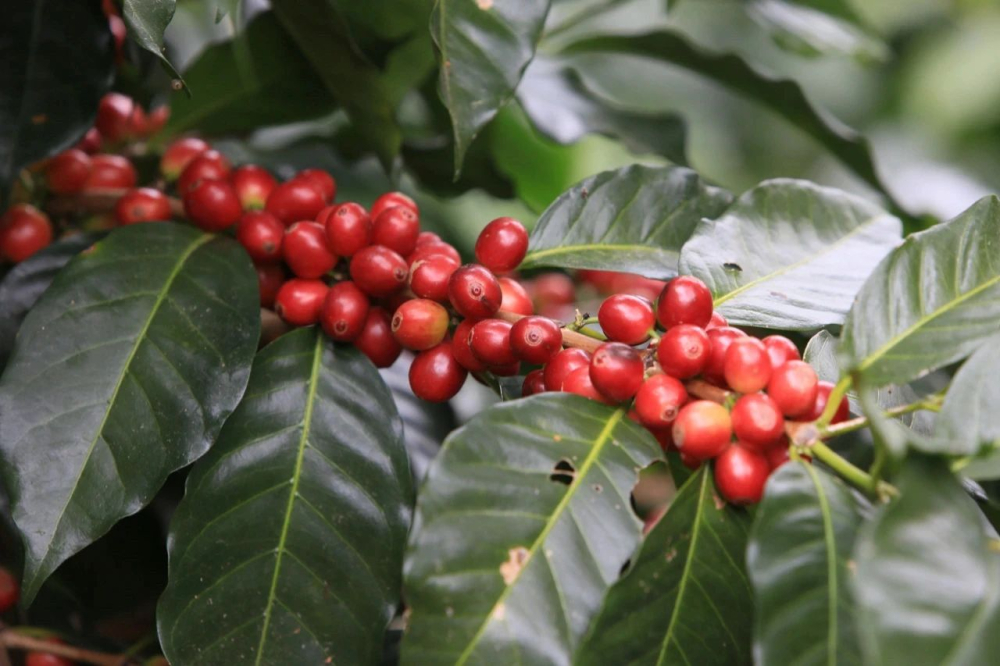
Front Street Coffee Front Street 2013 Typica coffee beans flavor description
The dry aroma has a light citrus acidity and nutty aroma. On the palate, it has the acidity of plum and citrus along with nutty flavors, melon and fruit aromas, and brown sugar sweetness, with a finish that carries some black tea character. The overall flavor layers are relatively rich.
The above content is compiled by CoffeeHunters, a coffee news website.


