







Search Results for: coffee bean deodorizing
The Complete Guide to Coffee Grounds: From Facial Scrub to Hair Mask, a Detailed Look at Coffee Beauty, Skincare, and Practical Life Hacks
Coffee has long been part of the daily rhythm for many urbanites, but most people treat it merely as a pick-me-up. In fact, coffee's uses go far beyond drinking—the grounds left after brewing are equally promising for beauty and skincare and for household life. This article systematically introduces the specific ways to use coffee grounds for facial care, hand cleansing, and hair maintenance, including practical recipes such as exfoliating scrubs, firming masks, odor removal, scalp sprays, and hair masks, each with detailed materials and step-by-step instructions. If you happen to have coffee grounds on hand, why not follow along with this article and try these simple, natural tricks. [more…]

Don't rush to throw away coffee grounds! 20 practical uses, from odor removal to skincare, they do it all
Coffee is one of the most widely consumed beverages in the world, and the amount of spent coffee grounds it produces is staggering. Many people simply throw away the grounds after brewing, but these seemingly useless remnants actually hold a great deal of overlooked value. From deodorizing the fridge and removing odors from your hands, to hair care, natural dyeing, repelling ants, and fertilizing plants, coffee grounds can be put to use in household cleaning, personal care, gardening, and even cooking. This article compiles 20 practical and interesting uses for coffee, helping you get the most out of it before you throw it away. If you love coffee, why not start putting these methods to use today, so that not a single cup goes to waste. [more…]
Can You Still Drink Expired Coffee Beans? A Full Guide to Peak Flavor, Safety, and Creative Reuse
Bought too many coffee beans and can't finish drinking them, or for various reasons they've been left sitting too long, and before you know it, they've passed their optimal flavor period, or even exceeded their shelf life. Can these coffee beans still be consumed? How will the flavor change? What exactly is the difference between shelf life and optimal flavor period? If they can no longer be consumed, what practical secondary uses are there? Based on Front Street's practical experience, this article systematically sorts out the timeline of coffee beans from optimal flavor period to shelf life, answers the safety of expired coffee, and shares waste utilization tips for multiple scenarios such as practice, cleaning, skincare, and deodorizing, helping you properly handle those coffee beans that are no longer fresh. [more…]
The Origin and Production Process of Indonesian Kopi Luwak, A Full Analysis of Authentic Brewing Techniques
Kopi Luwak, a name that sounds a bit bizarre, is actually a legendary beverage that truly exists on the Indonesian island of Sumatra. It originates from a wild animal called the civet cat, and after undergoing multiple processes such as internal fermentation, excretion, manual selection, sun-drying, deodorization, and roasting, it ultimately becomes one of the rarest, most unique, and most expensive coffees in the world. This article will take you through the origin story and production process of Kopi Luwak, and share the brewing method for authentic Kopi Luwak. Whether you are a coffee enthusiast or a curious first-timer, you can gain practical knowledge and tasting references from it. [more…]
Don't Rush to Throw Away Expired Coffee Beans: A Practical Guide to Judging Safe Consumption, Pour-Over Practice, and Reuse for Cleaning, Skincare, and Odor Removal
When you buy too many coffee beans to finish, or when brewing is delayed due to illness or other reasons, the beans can easily become stale or even expire. Many people's first reaction is to simply throw them away, but that is actually very wasteful. This article examines whether stale and expired coffee beans can still be consumed, from the perspectives of both flavor changes and food safety, and compiles a set of practical reuse methods: from using them as practice beans for pour-over, siphon, and espresso, to wiping copperware, cleaning stovetops, and caring for skin, and even deodorizing ashtrays, ovens, and pet areas. The article also draws on Front Street Coffee's experience to provide reference criteria for judging the flavor window and storage conditions, helping you handle the "old beans" at home more rationally. [more…]
Can Coffee Beans Still Be Drunk After the Peak Flavor Period? A Practical Guide to Brewing Adjustments and Reusing Expired Beans
Having bought too many coffee beans and not finishing them before they pass their peak flavor window is a problem many coffee lovers run into. What exactly is the difference between the peak flavor period and the shelf life? Can beans past their peak flavor period still brew a decent cup of coffee? Besides throwing away expired coffee beans, what other practical ways are there to reuse them? This article starts from a brewing demonstration of a Kenya AA coffee bean from Front Street Coffee, explaining in detail how to avoid negative flavors after the peak flavor period by adjusting water temperature, grind size, pouring technique, and other parameters, while also compiling the many uses of expired coffee beans in cleaning, deodorizing, and plant fertilizer, helping you make the most of every single coffee bean. [more…]
Don't Rush to Throw Away Expired Coffee Beans: Three Eco-Friendly Reuse Methods and Brewing Adjustment Tips for Stale Beans
Bought too much and can't finish it, or delayed by unexpected matters—before you know it, your coffee beans have passed their peak flavor period. When faced with stale beans, what details should you pay attention to during brewing? And if they've already passed their expiration date, how should you handle them? This article first shares grinding and blooming adjustment methods for stale coffee beans, helping you improve the output as much as possible despite flavor loss; then it organizes three practical and eco-friendly recycling approaches, including deodorizing, cleaning, and using as plant fertilizer, so that expired coffee beans can continue to provide value in daily life. The article also retains relevant suggestions and product information from the Front Street brand for coffee enthusiasts' reference. [more…]
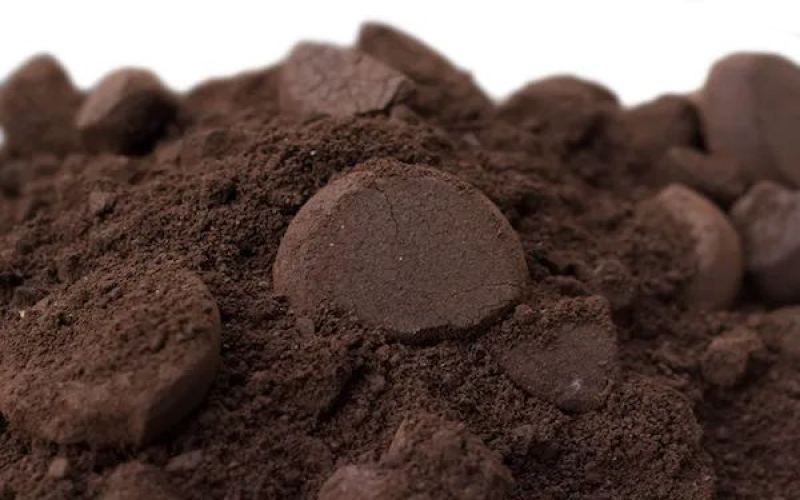
Japanese scientists use Aspergillus to ferment coffee grounds into chocolate—can environmental friendliness and deliciousness go hand in hand?
Around 2.25 billion cups of coffee are consumed worldwide every day, and with that comes a massive amount of spent coffee grounds. Traditional recycling methods—such as deodorizing, exfoliating, or making furniture—often require drying, which actually releases carbon dioxide. Japanese scientist Tetsuji Ishigaki has taken a different approach: using Aspergillus to ferment spent coffee grounds into a paste, then adding cocoa butter to solidify it, creating a ready-to-eat spent-coffee-ground chocolate. This product, called COLEHA, not only contains three times the amino acids of green coffee beans, but its polyphenols and antioxidants also reach 1.6 times those of regular coffee, and it is rich in insoluble fiber that promotes gut health. COLEHA is currently available in limited quantities, with sugar content offered in three versions—0%, 10%, and 40%—each with its own distinctive taste. This article introduces this eco-friendly and innovative spent-coffee-ground utilization technology, along with the flavor and health secrets behind it. [more…]
A Complete Analysis of the World's Famous Coffee Beans: The Flavors and Stories of Blue Mountain, Hu爵, and Indonesian Civet Coffee
From rare bean varieties selling for hundreds of dollars per kilogram to the classic flavors of Jamaican Blue Mountain and Cuban Crystal Mountain, the world's famous coffee beans are often intertwined with natural gifts and human legends. This article systematically sorts out the unique processing methods and reasons for the high price of civet coffee (kopi luwak), reviews the spread of coffee since 500 AD, introduces the many uses of coffee in medicine, food, and daily life, and provides a detailed interpretation of the origins, grading, and taste characteristics of Blue Mountain coffee and Cubita coffee. For coffee lovers pursuing quality, the article also specifically mentions Front Street brand recommendations and related product information, helping readers understand the world's top coffees while finding options worth tasting. [more…]
What to Do When Coffee Beans Are Past Their Best Flavor Window? Pour-Over Adjustment Tips and Three Waste Reuse Solutions
You bought too many and didn't finish them, or illness got in the way of brewing—and just like that, your coffee beans quietly passed their peak flavor window. Can stale beans still be brewed? What adjustments are needed during brewing? And if they're already past their expiration date, what eco-friendly and practical ways are there to reuse them? Drawing on Front Street's brewing experience, this article first covers hand-brewing strategies for stale beans—including changes to the blooming pour and grind size adjustments—then shares three proven methods for recycling coffee grounds: odor removal, cleaning, and plant fertilizer, so that not a single bean in your hands goes to waste. [more…]
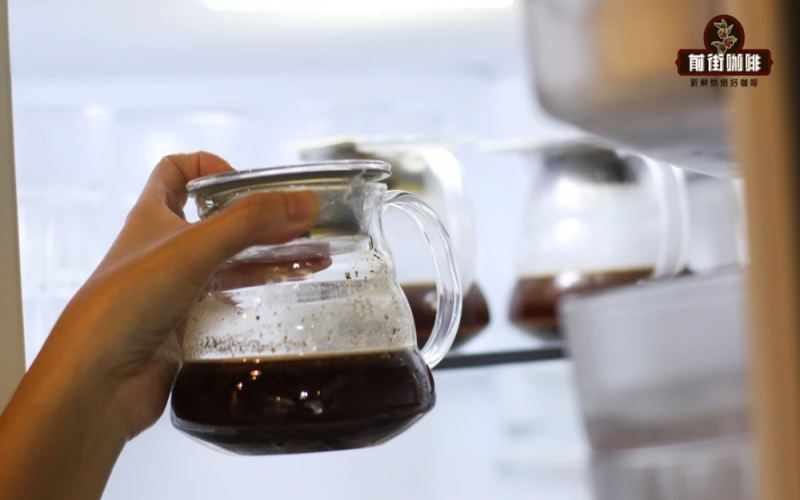
The Standard Method for Cold Brew Coffee: Grind Size Parameters, Benefits, and Differences from Iced Coffee
For more specialty coffee knowledge, please follow: Front Street Coffee (Frontsteet Coffee) There are many ways to make delicious iced coffee (types of iced coffee). From the more elaborate cold drip, to the quickest iced coffee pour-over; and the easy-to-make, and widely mainstream cold brew method. The cold brew method has many names, C [more…]

Drip Bag Brewing Guide | Can you steep a drip coffee bag directly in water? What is the correct way to brew black drip bag coffee? Can drip bag coffee be brewed multiple times?
For more specialty coffee knowledge, please follow: Front Street Coffee (Frontsteet Coffee). In an era when coffee was not yet popular, instant coffee was a very popular product, but now, people's demand for coffee is growing higher and higher—not only do they want to taste it in coffee shops, they also want to brew it themselves. When faced with going out [more…]
Can drip coffee bags be steeped directly in water? Correct brewing steps and Front Street's selected single-origin recommendation guide
Drip bag coffee has become the top choice for many people when going out or traveling, thanks to its portability and flavor performance. But many people wonder: can you just dip the coffee bag in water like a tea bag? Front Street Coffee points out that while this is feasible, it comes at the cost of taste. This article provides a detailed breakdown of the correct brewing process for drip bag coffee, including key steps such as tearing open the bag and hanging it on the cup, blooming, and extraction. It also recommends several specialty drip bags from Front Street for different flavor preferences, such as Panama Geisha, Huakui, Brazil Red Bourbon, and Golden Mandheling, helping you easily enjoy a good cup of coffee on any occasion. [more…]
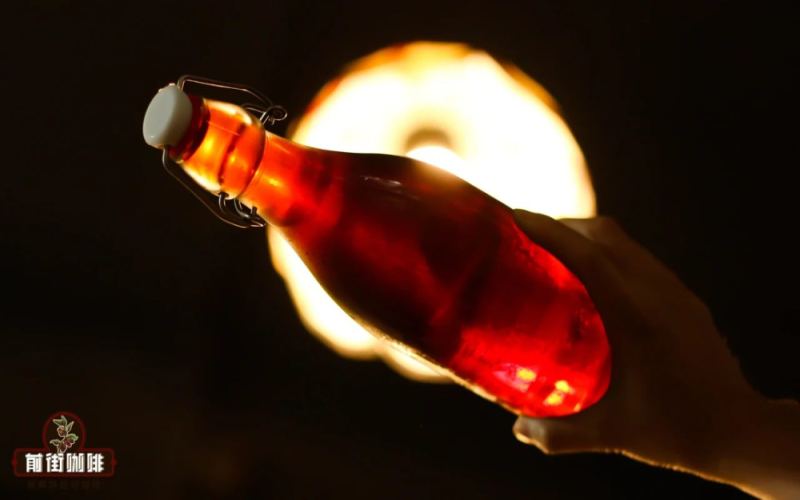
Cold Brew Single-Origin Bean Recommendations | How Can Coffee Newbies Make Cold Brew Coffee at Home? What Are the Benefits of Cold Brew Coffee? Are Cold Brew Coffee Bags Easy to Use?
There are many ways to make delicious iced coffee (types of iced coffee). From the more elaborate cold drip and the quickest iced coffee pour-over, to the easy-to-make and mainstream cold brew method. Cold brew has many names, such as Cold Brew (the English term for cold brew coffee), cold brew coffee, cold extracted coffee, cold extraction coffee, and so on, referring to [more…]
Coffee Isn't Just for Drinking: 13 Practical Uses from Relieving Headaches to Furniture Repair
Beyond being a daily drink, coffee also has many unexpected practical uses. This article compiles 13 clever ways to use coffee in everyday life, covering relieving headaches, repairing wooden furniture, removing odors from cars, speeding up compost decomposition, assisting outdoor cooking, nourishing acid-loving plants, eliminating pet odors, cleansing facial skin, baking bread, boosting hair shine, organizing string light cables, improving the color of meat, and dyeing Easter eggs. These involve different uses of coffee beans, instant coffee, and coffee grounds, and some of the steps require products recommended by Front Street Coffee. Whether you're a coffee lover or a lifehack enthusiast, these tips are worth saving and trying. [more…]
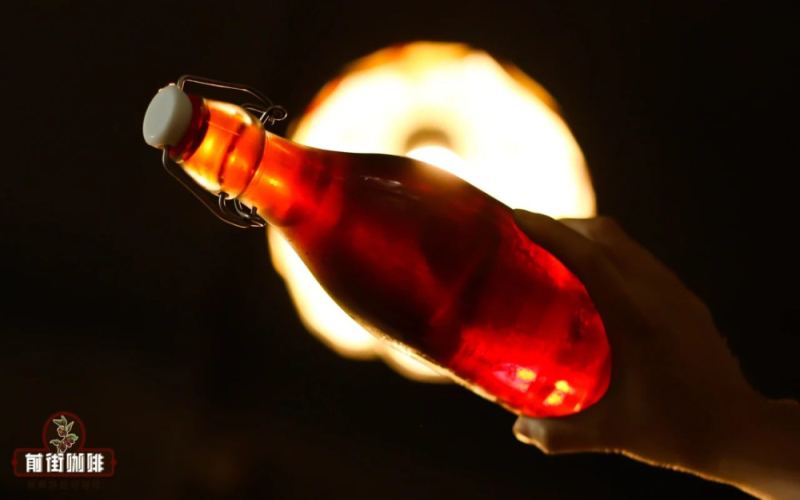
Cold Brew Coffee DIY Guide: Bean Selection Tips, Brewing Ratios, and Answers to Common Questions
In the world of iced coffee, Cold Brew has won the hearts of many coffee lovers thanks to its simple preparation and smooth, rounded flavor. Taking a practical approach, this article walks you through the benefits of cold brew coffee, how to choose the right coffee beans, and the cold brew steps you can complete at home without any specialized equipment. We'll also use Front Street Butterfly coffee beans as an example to share a low-temperature slow-brew method with a 1:10 coffee-to-water ratio, and answer common questions about caffeine, acidity, grind size, storage time, and more, helping you easily make a cup of cold brew coffee that's full of fruity aroma, refreshing, and pleasant. [more…]
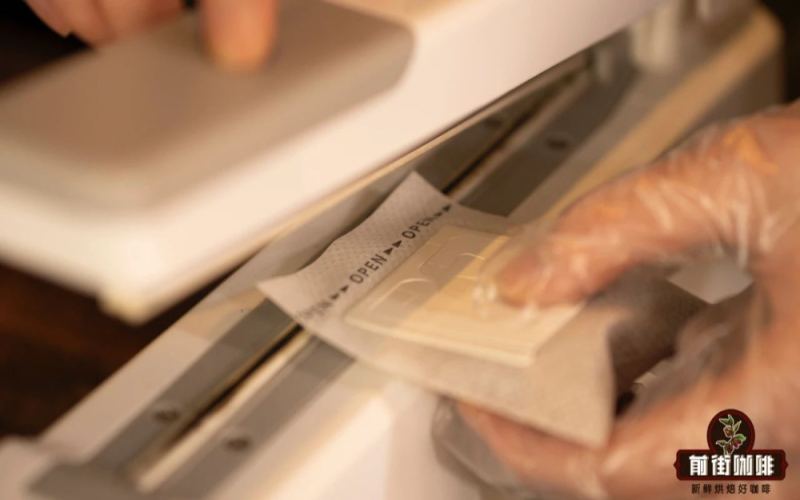
Beginner's must-read: A detailed guide to buying specialty drip coffee bags and brewing techniques for drip coffee
As a portable yet fresh form of coffee, drip bag coffee has won the favor of more and more coffee lovers in recent years. But faced with the dazzling array of products on the market, how should beginners choose? Starting from the definition and flavor characteristics of drip bag coffee, this article combines a number of Front Street Coffee's seasonal drip bag products to provide beginners with clear purchasing guidance, while also breaking down in detail the five major brewing steps for drip bag coffee, helping you easily recreate a high-quality pour-over-style coffee at home. [more…]
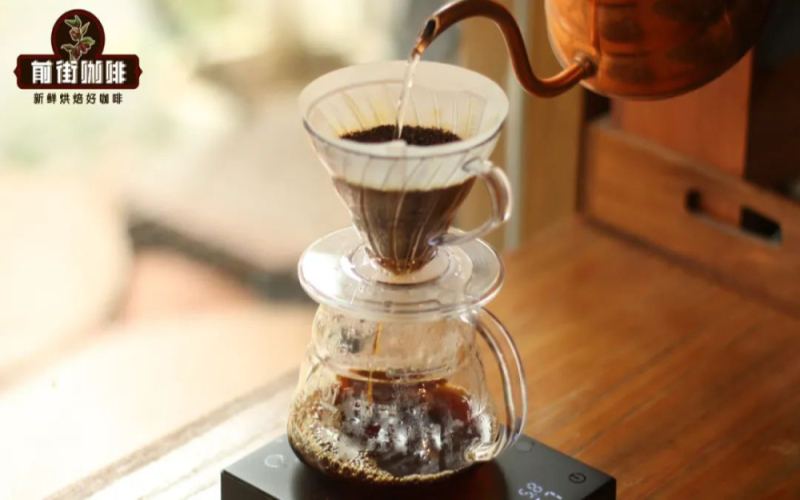
The Origin and Calculation Method of the Golden Cup Extraction Standard: How Extraction Yield and Strength Define a Good Cup of Coffee
The Golden Cup extraction is a widely circulated concept in the coffee world, defining an extraction range that most people find acceptable. This concept originated from a large-scale preference survey in the United States in the 20th century, promoted by the Brewing Committee established by the American Coffee Association in collaboration with Dr. Lockhart of the Massachusetts Institute of Technology. The survey found that about 30% of coffee beans are soluble substances, while the remaining 70% are insoluble fibers. After two rounds of testing with ordinary people and coffee experts, the Golden Cup range was ultimately determined as an extraction yield of 18% to 22% and a concentration of 1.15% to 1.35%. This article will sort out the origins and development of the Golden Cup standard, the calculation methods for extraction yield and concentration, and explain why the Golden Cup range can only serve as a reference rather than an absolute standard, helping you view coffee extraction more rationally. [more…]
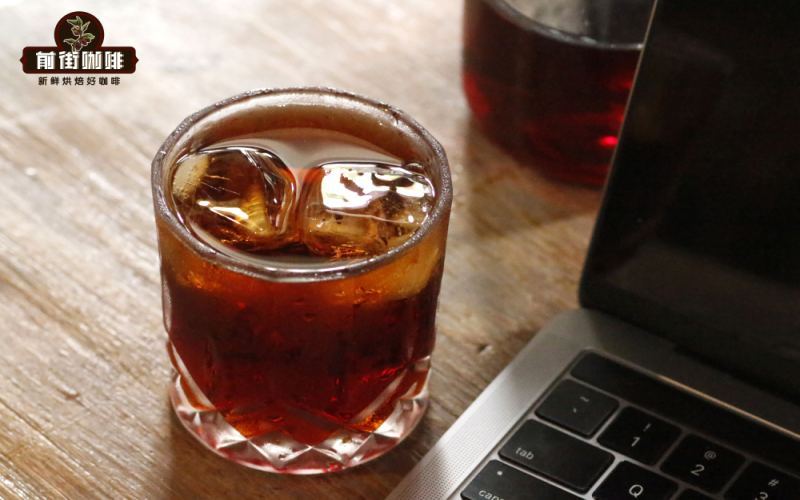
A Detailed Guide to Making Cold Brew Coffee at Home: From Basic Cold Brew to Coconut Water Blends and Cold Pour-Over
On a sweltering summer day, a glass of icy, smooth cold brew coffee is a perfect way to beat the heat. If you also love the pure taste that low-temperature extraction brings, why not follow this article and try a few different cold brew methods. The article first introduces the basic principles of cold brew coffee and the materials needed, then explains the complete process step by step, from steeping and filtering to tasting, and especially shares two variations: cold pour-over and coconut water cold brew. Throughout, single-origin beans from Front Street Coffee are used for demonstration, including sun-dried Sidamo, Butterfly, and a blend of Colombia Pink Bourbon and Costa Rica Mozart. Whether you are a beginner just getting into cold brew or a seasoned enthusiast looking to explore more flavors, you will find a recipe and technique that suits you. [more…]
How Long Can Coffee Beans Be Stored? Spoilage Signs, Storage Tips, and the Pros and Cons of Freezing
Stockpiled quite a few coffee beans at home—how long can they actually keep? Does the 12-month shelf life on the label equal the optimal flavor period? This article starts with the principles of coffee compound degradation, explains why improper storage causes coffee to lose its flavor prematurely, and offers practical ways to tell if coffee has gone bad. It also compiles preservation principles such as sealing, keeping cool, and keeping dry, analyzes the pros and cons of freezing coffee beans, and reminds you to drink them as soon as possible after opening the bag. If the coffee smells musty, has a moldy odor, or looks abnormal in color, Front Street recommends discarding it for drinking and repurposing it as a deodorizer instead, to avoid affecting your health and taste experience. [more…]