







Where Did Coffee Originate From and Why Does It Matter for Drip Bags?
Coffee originated in Ethiopia, where the coffee plant grew wild before cultivation spread to Yemen and then the rest of the world. That history matters for drip bag buyers because the same species and varietals now travel as sealed single-serve filter bags, and the flavor in the cup still depends on origin, roast and freshness rather than on the format itself.
Drip bag coffee is a Japanese patent: ground coffee is sealed in a filter bag with paper tabs that rest on the cup rim while hot water is poured through. For beginners, bean quality and freshness decide the result. Beans roasted within five days and shipped within 24 hours preserve the aromatic compounds that instant coffee lacks.
As a portable and fresh form of coffee, drip bag coffee has gained increasing favor among coffee lovers in recent years. But with so many products on the market, how should beginners choose? Starting from the definition and flavor characteristics of drip bag coffee, this article combines several of Front Street Coffee's seasonal drip bag products to provide beginners with clear purchasing guidance, while also breaking down the five major brewing steps of drip bag coffee in detail to help you easily recreate a high-quality pour-over-style coffee at home.
What Is Drip Bag Coffee?
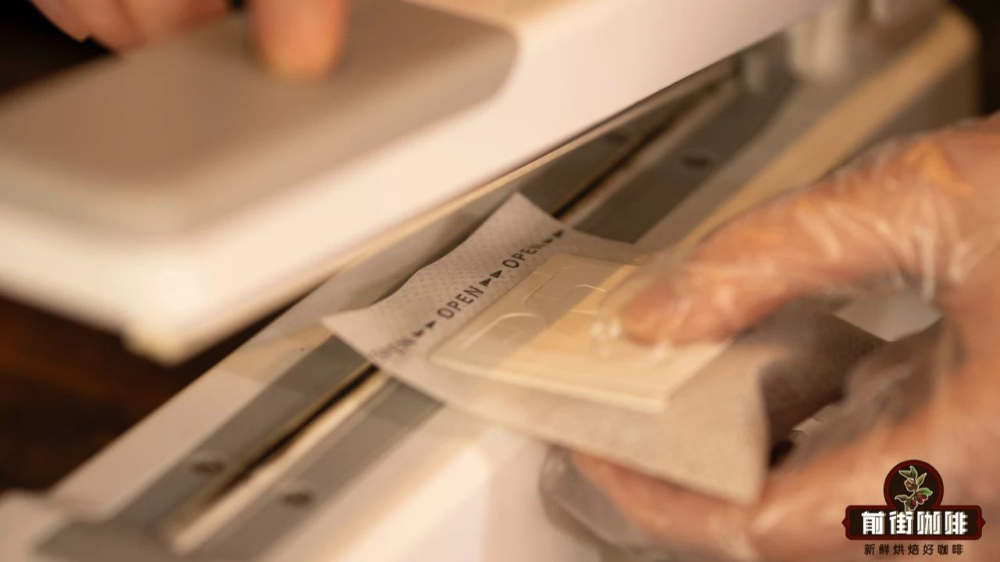
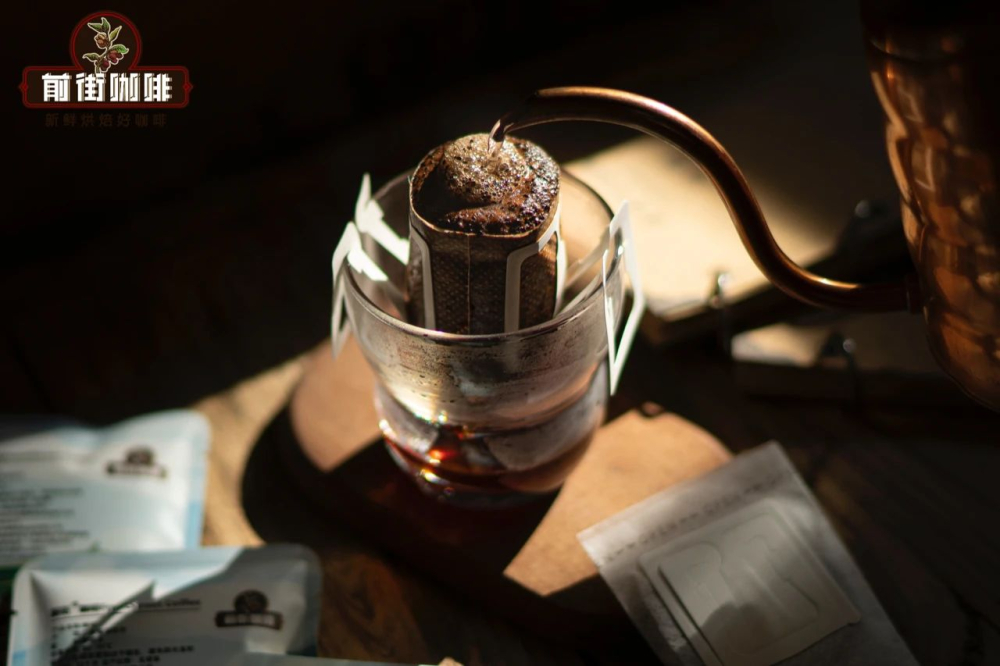
Drip bag coffee is commonly called a "drip bag" in daily life, and this patent originated in Japan. The method is to seal ground coffee inside a filter bag with paper tabs on both sides. When brewing, you rest the tabs on the rim of a cup and pour in hot water to complete the extraction. This method not only does a good job of recreating the fresh taste of pour-over coffee, but also offers the advantage of being lightweight and easy to carry, allowing people to enjoy a decent cup of coffee anytime and anywhere, which is why it is widely popular in coffee circles.
What Does Drip Bag Coffee Taste Like?
Anyone who has tried instant coffee knows the feeling: that kind of drink often has only a flat bitterness, or a cloying sweetness built from sugar and creamer, and simply cannot be called the aroma of fresh coffee. The arrival of drip bag coffee conveniently means consumers no longer have to settle for the monotonous taste of instant coffee—everyone can choose coffee beans according to their own flavor preferences and then, through different brewing methods, make a cup of black coffee with a rich range of flavors.
Drip bag coffee places high demands on bean quality and freshness. As a self-roasting specialty coffee brand, Front Street Coffee puts freshness first in both its drip bag products and its single-origin pour-over beans and espresso blends. All beans used are within 5 days of roasting, and orders are arranged for shipment within 24 hours after purchase, ensuring that consumers can taste Front Street Coffee drip bag coffee at its ideal state when it reaches their hands.
How Beginners Should Choose Drip Bag Coffee
Because it uses freshly roasted, freshly ground whole beans and adds no extra sugar or non-dairy creamer, drip bag coffee can more fully release the aromatic components in coffee, with acidity, sweetness, bitterness, body, and aroma all able to shine. The flavor of drip bag coffee ultimately depends on the coffee beans themselves, so we can start from two directions—coffee origin and roast level—and choose according to our own preferences.
If you prefer floral notes and bright acidity, you might try Front Street Coffee's seasonal drip bag from the Yirgacheffe region. These beans come from Ethiopia in Africa and use a light-medium roast, presenting white floral notes and citrus- and lemon-like acidity, with a fresh and pleasant taste that is friendly to those who cannot tolerate much bitterness.
If you neither like acidity nor want to drink something too bitter, then Front Street Coffee's seasonal drip bag from Brazil's Cerrado region is a good choice. It comes from Brazil, a major coffee country in Central and South America, and uses a medium roast, with prominent nutty aroma and neither obvious bitterness nor acidity, making it suitable for drinkers seeking balanced flavor.
Another option, Front Street Coffee's seasonal Yunnan small-bean drip bag, also takes a mild approach. It comes from China's Yunnan producing region and also uses a medium roast, with flavor layers of nuts, brown sugar, herbs, and chocolate.
If you do not want any acidity at all, you can consider Front Street Coffee's seasonal Indonesian Mandheling drip bag. This one uses a medium-dark roast, showing notes of spices and dark chocolate, with relatively high body and a rich bittersweet taste.
Although drip bag coffee is quite popular now, many people do not know the correct brewing method. In fact, as long as you master a few small key points, you can noticeably improve the flavor performance of drip bag coffee. Below are the five steps for brewing drip bag coffee:
1. Tear open the outer packaging of the drip bag coffee
2. Rest the tabs on both sides on the cup
After tearing open the package, unfold the cardboard on both sides outward and rest it on the rim of a suitably sized cup. Usually an ordinary mug works fine, but avoid choosing a cup with too wide a rim, otherwise the tabs may not stay fixed. In this step, you can first smell the dry aroma of the coffee grounds, which can both help judge the freshness of the grounds and let you experience the aroma differences among different coffees.
3. Bloom the coffee grounds
Prepare hot water at about 88–92°C, start pouring from the center point, and stop once the coffee grounds are completely saturated, then let it sit for 10–15 seconds. This is consistent with the principle of the bloom stage in pour-over coffee. This process is called blooming; the coffee grounds will expand slightly and release carbon dioxide inside, making subsequent pouring smoother.
4. Extract the coffee
Slowly pour hot water into the coffee grounds to extract the coffee flavor. While pouring, you can circle along the filter to ensure all the coffee grounds are soaked by the hot water. About 10 grams of coffee grounds correspond to roughly 180 milliliters of finished coffee. If you are unsure about the amount of water, simply pour hot water until the non-woven coffee bag is filled about twice.
5. Taste the drip bag coffee
After brewing is complete, remove the drip bag from the cup and you can enjoy this cup of drip bag coffee. The used drip bag can be discarded directly or placed in the refrigerator to serve as a deodorizer.
The above content is compiled by CoffeeHunters, a coffee news website.


