







Search Results for: cinnamon aroma type
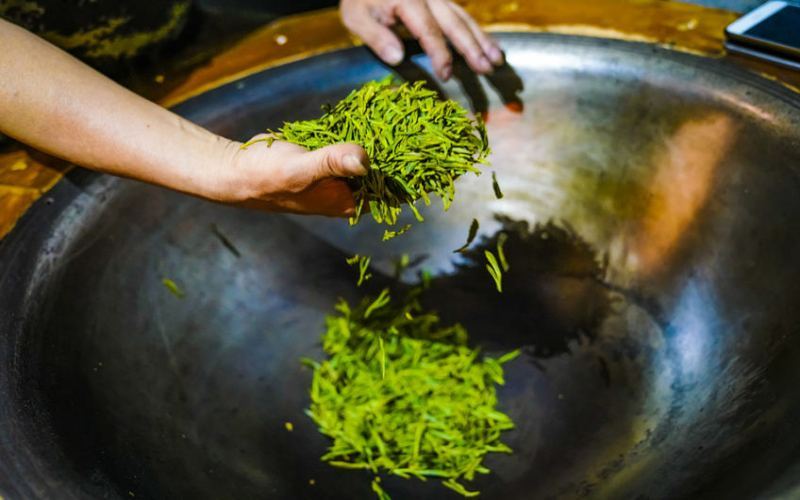
Exploring Charcoal-Roasted Dancong Oolong: Craft Features, Cinnamon Aroma Profile, and Annual Production Trends
Charcoal-roasted Dancong is a uniquely flavored category within Phoenix Dancong, and its production process is completely different from ordinary roasting. Starting from tea farmers' charcoal-roasting practices, this article sorts out the seasonal schedule, operational procedures, and technical key points of charcoal-roasted Dancong, and addresses common questions such as whether cinnamon-flavored Dancong contains added cinnamon, its annual output, and market prices. It also introduces the effects of charcoal roasting on the tea's internal substances and storage durability, helping coffee enthusiasts and tea lovers understand the value of this traditional craft. Recommended products from Front Street Coffee are also presented in the article. [more…]
Ceylon Flavored Black Tea Flavor Analysis: Earl Grey, Jasmine, and Masala, Plus a Discussion on Whether Flavorings Are Added and the Causes of Astringency
Ceylon flavored black tea is made by infusing black tea, green tea, or oolong tea with the natural flavors of flowers, herbs, and fruits, preserving the inherent depth of Ceylon tea while adding subtle fruity or herbal notes. Common varieties on the market, such as Earl Grey, jasmine tea, and masala chai, each have their own origins, while innovative flavored teas like raspberry, lemon, ginger, strawberry, mint, vanilla, and cinnamon are continually emerging. Many tea enthusiasts wonder whether flavored black teas rely solely on artificial flavorings, and why Ceylon black tea tastes astringent. This article will address these questions by outlining the types, processing methods, and flavor characteristics of Ceylon flavored black tea, and also introduce related product information from Front Street Coffee. [more…]
The World's Top Ten Classic Coffee Recipes and Flavor Analysis: The Basics from Mocha to Turkish Coffee
The world of coffee is vast and varied, and drinking habits in different regions have given rise to distinctive classic recipes. This article reviews ten globally renowned coffee types, covering mocha, cappuccino, Neapolitan-style coffee, Turkish coffee, and more. It not only introduces the flavor characteristics of each coffee but also provides detailed preparation methods. Whether you are a beginner just getting into coffee or an enthusiast who wants to recreate exotic flavors at home, you will find practical reference here. Some product information in this article comes from Front Street Coffee for readers to compare when making purchases. [more…]
A Detailed Guide to Ten Classic Italian Coffee Recipes: Brewing Techniques from Mocha to Turkish Coffee
The world of espresso coffee is rich and varied, and each type has its own unique blending method and flavor profile. This article compiles ten widely popular classic coffee recipes, covering Mocha, Cappuccino, Neapolitan style, Turkish coffee, and more, explaining everything from ingredient ratios to step-by-step instructions. Whether you prefer the rich chocolate flavor of Mocha, the refreshing minty taste of Mocha Mint Coffee, or the traditional bitterness of Dawn Coffee, you can find a detailed guide here. Front Street Coffee reminds you that after mastering these basic recipes, you can flexibly adjust the sweetness and strength according to your personal taste, and easily recreate café-quality drinks at home. [more…]
The Complete Guide to Brewing Black Tea Correctly: Hot Tea, Milk Tea, Cold Brew, and the Differences Between Hong Kong-Style and Regular Milk Tea Recipes
Black tea gets its rich color and full-bodied taste from full fermentation, but different grades, brewing temperatures, and drinking methods all affect the final flavor. This article systematically sorts out the core knowledge of black tea, from temperature control, spice additions, and timing for hot brewing, to the simmering techniques for Indian milk tea, the cold-brew refrigeration extraction method for iced black tea, and creative drinks such as vodka black tea and hot toddy, along with the standard recipe for Hong Kong-style milk tea, helping coffee and tea lovers fully master the many possibilities of black tea. Whether you prefer it plain or with a rich milky taste, you can find a brewing method that suits you. [more…]
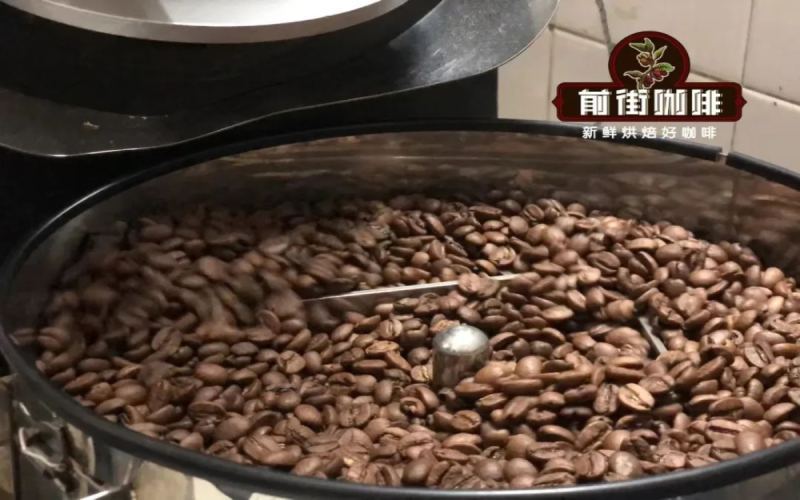
A Complete Guide to Coffee Roast Levels: First Crack, the Eight-Level Agtron Color Classification, and What Roasting Percentage Really Means
What degree of coffee roasting is considered appropriate? Starting from the key milestone of first crack, this article systematically sorts out the logic for determining coffee bean roast level, and with the help of Agtron color values, divides roast degree into eight levels: light, cinnamon, medium, deep, city, full city, French, and Italian, explaining one by one the timing for dropping each level and its flavor direction. At the same time, it answers the correspondence between the Roasting percentage markings commonly used by roasters and Agtron color values, helping coffee enthusiasts quickly understand the roasting information on packaging. The article also includes Front Street Coffee's specialty bean recommendation channel for further communication and purchasing. [more…]
Coffee Bean Variety Classification and Classic Coffee Drinks: From Arabica and Robusta to Cappuccino and Mocha
Walking into a coffee shop and facing the dazzling array of names on the menu, have you ever wondered what exactly the differences are between these coffees? Starting from the two main original species of coffee beans—Arabica and Robusta—this article will introduce you to world-famous origin coffees such as Ethiopia Yirgacheffe, Kenya AA, Indonesia Mandheling, and Jamaica Blue Mountain, then analyze one by one the recipes and flavor characteristics of classic drinks such as cappuccino, espresso, and mocha. Whether you prefer a rich, bold taste or a mellow, milky smoothness, you can find your own cup in this guide. [more…]
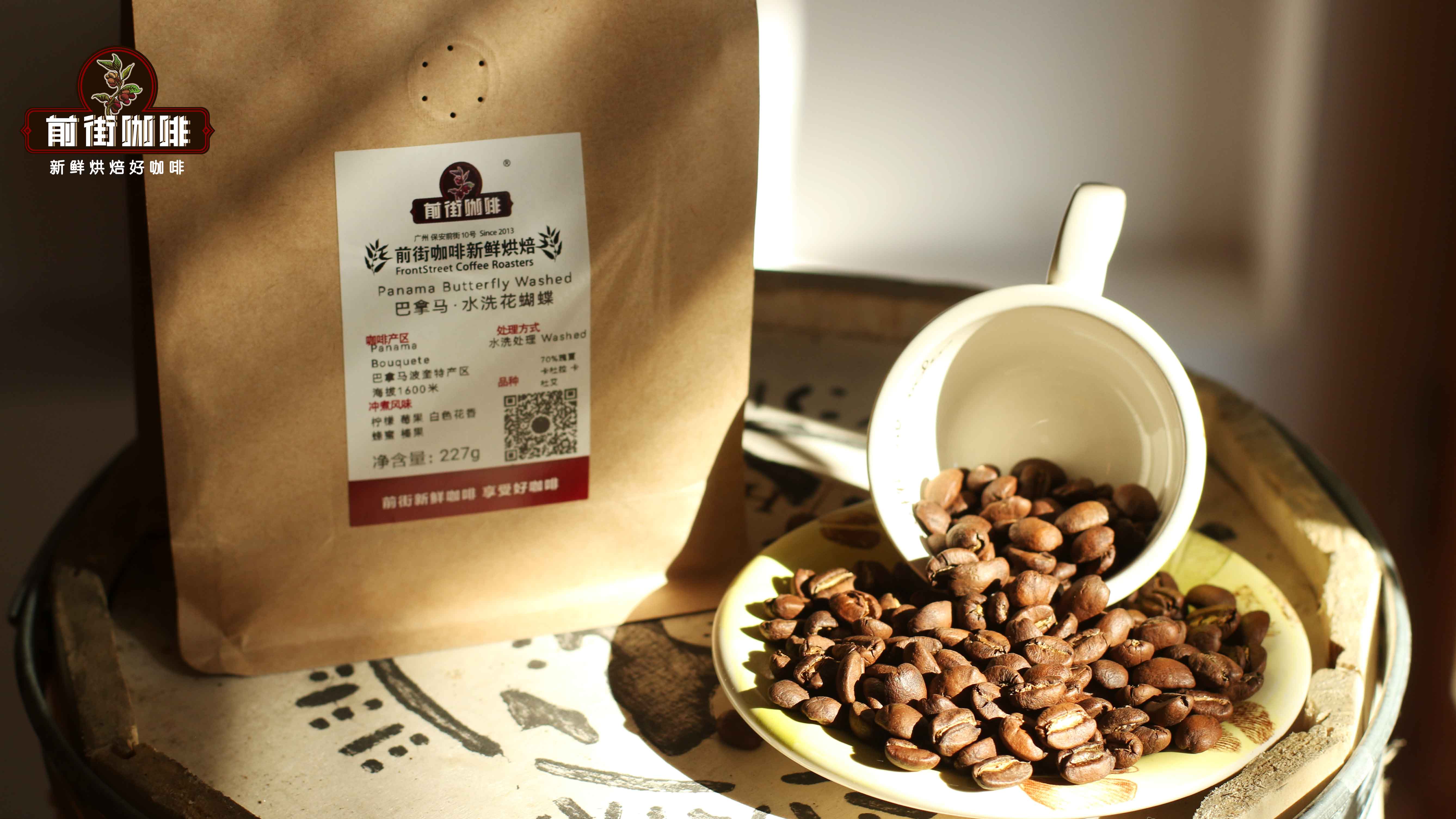
Flavor Characteristics of Dark Roast Coffee | How Dark Does a Roast Have to Be to Count as Dark Roast Coffee Beans? Which Specialty Dark Roast Coffee Beans Make Good Pour-Over Coffee That Isn't Bitter?
As the third wave of coffee has developed to this day, people have increasingly focused on the so-called "original taste of black coffee." In the process of roasting coffee, there are many factors that affect the flavor and mouthfeel of the coffee, such as the length of roasting time, the roasting method, the degree of roast, and even the amount of coffee beans or the roaster's own experience. [more…]
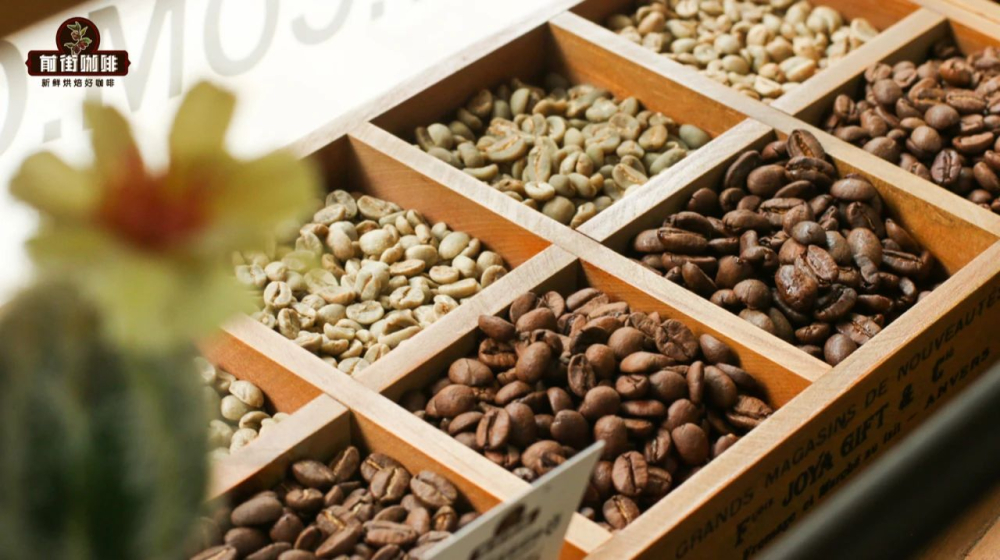
Home Coffee Roasting | How Can Coffee Beginners Learn to Roast Coffee Beans? A Comparison Table of Eight Different Roast Levels and Their Flavor and Taste Differences
I believe many of you not only enjoy drinking coffee but have also developed an interest in coffee roasting. While surfing the internet, Front Street Coffee often sees people sharing their home coffee roasting process on social media. However, we also notice that some [more…]
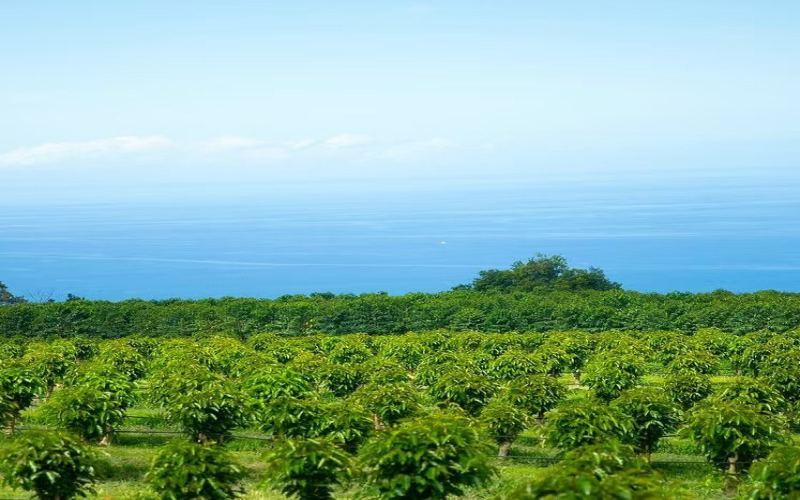
Low Altitude, Top-Tier Flavor: A Complete Guide to Hawaiian Kona Coffee Beans—Origin, Varieties, and Brewing
In the world of specialty coffee, high altitude is often regarded as synonymous with superior flavor, but Hawaiian Kona coffee breaks this convention. As the only coffee-producing region in a developed country, Hawaii, with its unique island climate, fertile volcanic soil, and meticulous field management, cultivates Kona coffee, hailed as "the world's most perfect coffee bean." Its beans are plump, with balanced acidity, a mixed aroma of cinnamon spice and fruit, a smooth mouthfeel, and a long finish. This article will systematically review the cultivation history of Hawaiian coffee, the characteristics of each producing region, the traits of the Typica variety, the washed processing method, the Kona bean grading system, and the roasting and brewing parameters for Queen Estate Kona beans recommended by Front Street Coffee, taking you through a comprehensive understanding of the unique charm of this low-altitude coffee queen. [more…]
Brazil Santos Coffee Beans: Flavor Characteristics and Brand Recommendations Under the Semi-Washed Processing Method
Brazil is the world's largest coffee producer, accounting for 30% of global output. Its coffee is mainly grown in the southeast and mostly exported through the port of Santos, which is why it is called "Santos coffee." This article focuses on Front Street Brazil Santos Semi-Washed coffee, introducing the background of the Santos producing region, the Santos NO.2 grading standard, and the mellow, fragrant flavor profile of this bean—from dried red dates, cinnamon, and nutmeg to earthy aromas, then to a balanced mouthfeel, gently spreading acidity, and a light throat finish. It also explains the role of Brazilian beans as a "blender" in coffee blends, and fully presents Front Street Coffee's brand-sharing philosophy with specific formula information (processing method, variety, grade, altitude, flavor). [more…]
Global Top Ten Classic Coffee Drinks Flavor and Preparation Guide, with Professional Tasting and Etiquette Details
The world of coffee is rich and diverse, from bold, rich mocha to refreshing coconut flavors, each with its own unique brewing method and drinking culture. This article systematically reviews ten common coffee drinks from around the world, detailing their flavor characteristics and preparation steps, and delves into coffee drinking etiquette, the use of cups and spoons, ways to add sugar, and tips for tasting a good cup of coffee. Whether you are a beginner enthusiast or a seasoned coffee lover, you will find practical knowledge and inspiration here. Front Street Coffee has always been committed to promoting specialty coffee culture, and we hope this article helps you enjoy every cup of coffee more professionally. [more…]
Brazil Santos Coffee Beans: Flavor Characteristics of the Semi-Washed Process and Analysis of the Santos NO.2 Grade
Brazil, as a producing country accounting for as much as thirty percent of global coffee production, has coffee beans from its southeastern producing regions mostly exported through the Port of Santos, hence the name Santos coffee. This article focuses on the Brazil Santos semi-washed coffee beans recommended by Front Street Coffee, sorting through the producing region background, flavor expression, grade classification, and blending applications layer by layer. These beans have a harmonious aroma and a neutral, delicate fragrance, with notes of dried red dates, cinnamon, nutmeg, and earthy tones; the entry is balanced, followed by a gradually emerging slight acidity, with a faint bitterness lingering in the aftertaste. The article also explains in detail the screening criteria for Santos NO.2, the highest grade of Brazil Santos, and clarifies the key role of Brazilian beans in blended coffee in softening acidity and stabilizing quality, making it suitable reading for enthusiasts who wish to gain a deeper understanding of Brazilian coffee characteristics and blending logic. [more…]
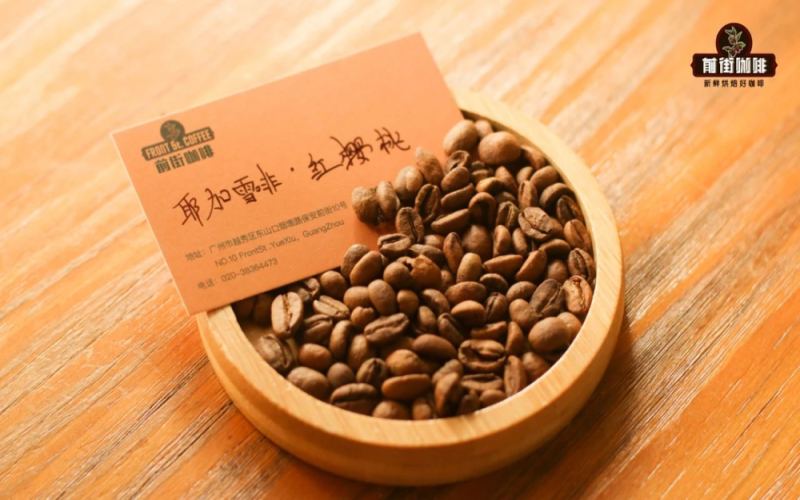
Light Roast Coffee Bean Flavor and Taste | Why Must Coffee Beans Be Roasted Before Drinking? Recommendations for Cost-Effective Light Roast Single-Origin Pour-Over Coffee Beans
Coffee is originally just the seed of a fruit, and only after processing does it become green coffee beans. Raw coffee beans themselves do not have a particularly noticeable coffee aroma. Only after the coffee beans have been roasted can the rich coffee fragrance be smelled. Therefore, the roasting of coffee beans is a process of transforming the internal components of the coffee beans, and only after roasting [more…]
Jamaica Blue Mountain and Indonesian Mandheling: A Comprehensive Overview of Origin, Flavor Characteristics, and Coffee Beverage Recipes
Blue Mountain coffee and Mandheling coffee are two highly representative beans in the world of single-origin coffee. The former is famous for its soft balance from the high-altitude growing regions of the Caribbean, while the latter is known for its rich, full-bodied intensity from Sumatra. This article will begin with origin stories, climate conditions, and flavor characteristics to systematically sort out the identity definitions and tasting key points of these two coffees. It also includes preparation methods for more than ten classic coffee drinks, such as Mocha, Cappuccino, and Turkish coffee, along with comparative introductions to common coffee beans such as Colombia, Brazil, and Mocha. The article also retains related recommendations for the "Front Street" brand, making it suitable as a daily reference for coffee enthusiasts. [more…]
A Comprehensive Analysis of Fancy Coffee Types and Characteristics and Espresso Extraction, with Classic Recipes and Preparation Methods
Espresso is the foundation of many fancy coffee drinks, and understanding its extraction parameters and flavor characteristics is key to mastering coffee preparation. This article systematically reviews the recipe ratios, taste differences, and preparation steps of more than ten classic fancy coffees, including latte, cappuccino, macchiato, con panna, and Viennese coffee, while also explaining in detail the core parameters of espresso such as dose, water temperature, pressure, and extraction time. Whether you are a beginner coffee enthusiast or a professional hoping to refine your skills, you will find practical references and inspiration here. The article also specifically recommends related products from Front Street Coffee to help you recreate an authentic fancy coffee at home. [more…]
A Complete Guide to Classic Espresso, Latte, Irish and Other Fancy Coffee Types and Flavors
Walking into a café and facing the dazzling array of names on the menu, have you ever wondered about the story and flavor behind each fancy coffee? From Espresso, which forms the foundation of all fancy coffees, to lattes and cappuccinos where milk and coffee blend together, to Irish coffee with its hint of whiskey and the layered iced latte, each one has its unique proportions and drinking method. This article systematically organizes the ingredients, preparation steps, and taste characteristics of more than a dozen classic fancy coffees, including basic options suitable for daily drinking as well as exotic Russian, Turkish, and Viennese coffees. Whether you are a coffee novice just starting out or a seasoned enthusiast looking to refine your skills, you will find a cup worth trying. [more…]
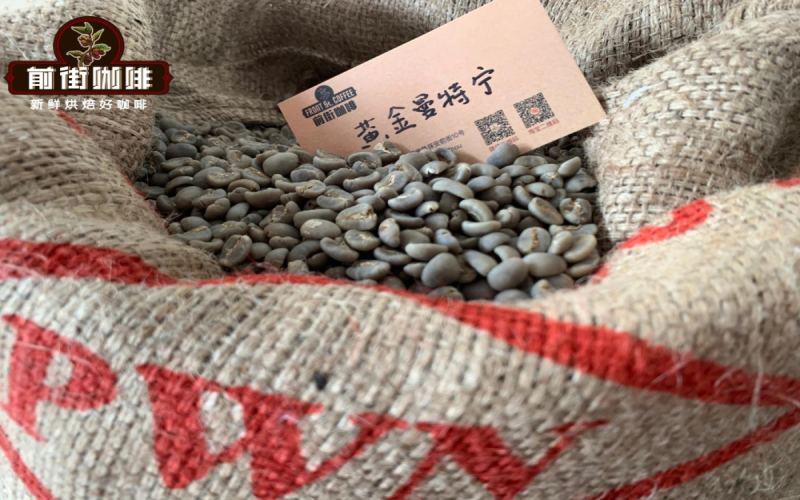
Why Must Coffee Beans Be Roasted? Characteristics of Light Roast Single-Origin Beans and Three CoffeeHunters Bean Recommendations
Green coffee beans themselves carry almost none of the coffee aroma we are familiar with; only after high-temperature roasting do their internal components transform and release a rich fragrance. Different roast levels shape completely different flavor directions, from bright fruit acidity to thick caramel, all stemming from this. This article first sorts out the drop times and flavor characteristics of the three major categories—light, medium, and dark roasts—and their eight sub-levels, then highlights three light-roast single-origin beans suitable for pour-over—Front Street Yirgacheffe Natural Red Cherry, Front Street Kenya Little Tomato, and Front Street Panama Butterfly—and includes Front Street Coffee's brewing parameters and techniques so enthusiasts can replicate them at home. [more…]
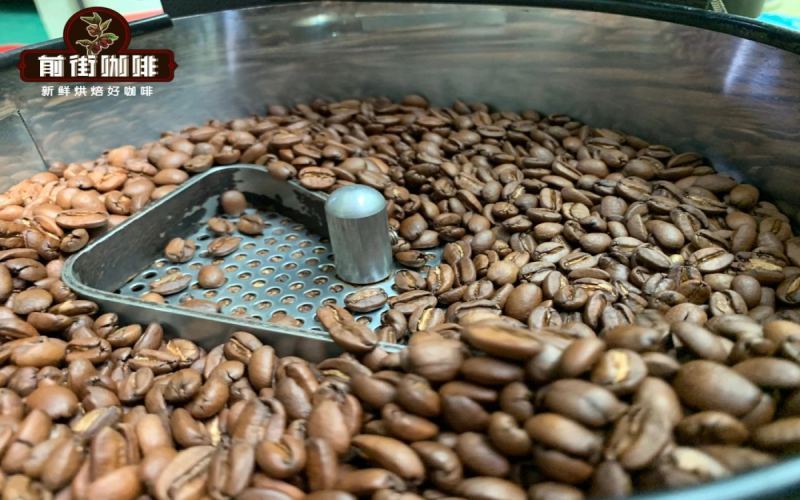
The Chemical Principles of Coffee Bean Roasting and a Detailed Explanation of Eight Roast Levels: Which Roast Suits Golden Mandheling
Roasting is the key step that transforms green coffee beans into an aromatic, flavorful beverage. Under the effect of heat, the starches inside the green beans break down into sugars and acidic compounds, the cellulose gradually carbonizes, moisture and carbon dioxide escape, and proteins convert into enzymes and bind with fats, ultimately forming an oily film on the bean surface. During roasting, the beans expand like popcorn and make a cracking sound, but the outer skin is so tough that it does not actually split open. The roast level determines the coffee's color, the balance of acidity and bitterness, and the direction of its flavor, and is divided into eight levels from extremely light to Italian roast. This article analyzes the characteristics of each roast level one by one and, combined with Front Street Coffee brand recommendations, helps coffee lovers find the cup that suits their taste. [more…]

A Complete Guide to African Coffee-Producing Countries: From Ethiopia to Tanzania, a Specialty Flavor and Origin Guide
Africa, as the continent of coffee's origin, nurtures coffee beans with highly distinctive flavors thanks to its unique climate and terrain. From Ethiopia's Yirgacheffe to Kenya's AA grade, and from Yemen's Mocha to Tanzania's Kilimanjaro, each producing region displays alluring fruit acidity and regional character. This article systematically reviews the cultivation history, varieties, processing methods, and flavor characteristics of Africa's major coffee-producing countries, and includes information on various cooperatives and representative bean lots, making it suitable for coffee enthusiasts who want an in-depth understanding of the full picture of African specialty coffee. [more…]