







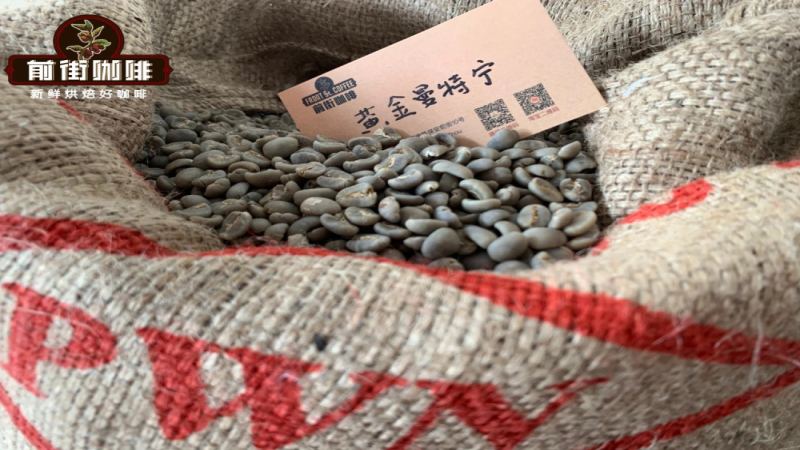
Why does a green coffee bean have almost no aroma?
A green coffee bean is the seed left after the coffee fruit is processed, and in that state it carries almost none of the coffee aroma people recognize. Only high-temperature roasting transforms its internal components, generating the aroma compounds that produce the smell of coffee. Roasting is therefore a required step, not an optional finish.
Roast level then decides the direction. Light roast keeps bright fruit acidity and floral notes, medium roast adds sweetness with slight acidity, and dark roast moves toward deeper caramel tones. Three light-roast single-origin beans suited to pour-over are Yirgacheffe Natural Red Cherry, Kenya Little Tomato, and Panama Butterfly, each brewed with matching parameters.
Green coffee beans themselves carry almost none of the coffee aroma we are familiar with; only after high-temperature roasting do their internal components transform and release a rich fragrance. Different roast levels shape drastically different flavor directions, from bright fruit acidity to deep caramel. This article first sorts out the drop times and flavor characteristics of the three major categories—light, medium, and dark roast—and eight subdivided levels, then highlights three light-roast single-origin beans suitable for pour-over: Front Street Coffee Yirgacheffe Natural Red Cherry, Front Street Coffee Kenya Little Tomato, and Front Street Coffee Panama Butterfly. It also includes Front Street Coffee's brewing parameters and technique so enthusiasts can replicate them at home.
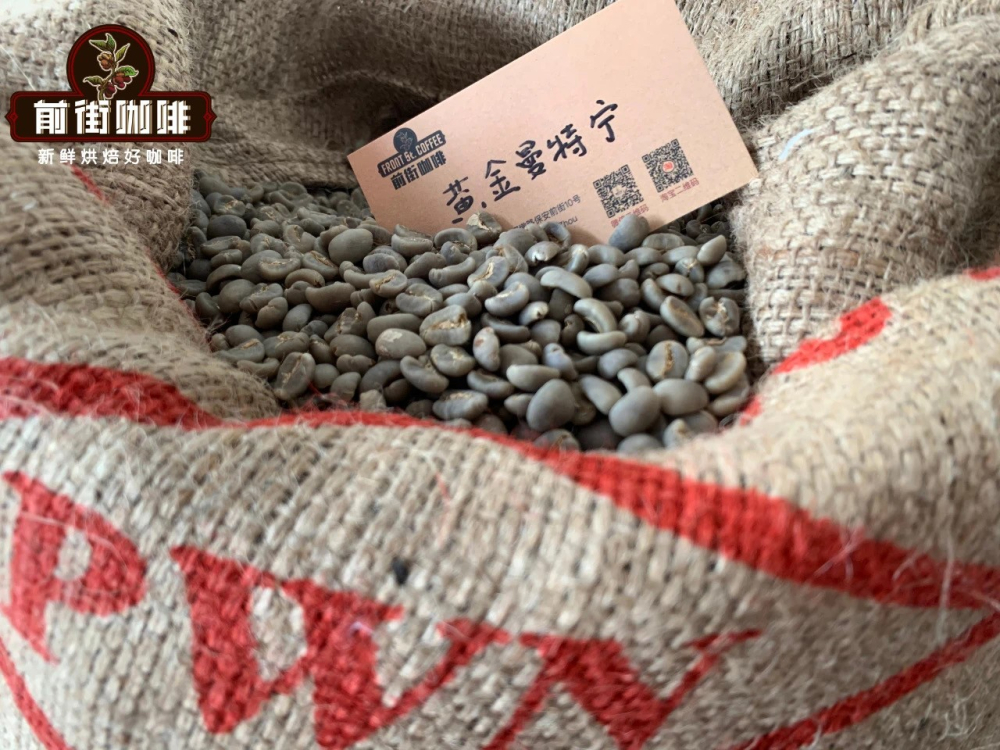
Coffee begins as the seed inside a fruit and becomes green coffee beans after a series of processing steps. In the green bean state, coffee has almost no noticeable coffee aroma; only through high-temperature roasting is that rich, alluring fragrance awakened. Therefore, roasting is essentially a process of transforming the internal components of coffee beans—only through roasting are aroma-releasing substances generated inside the beans, allowing us to smell coffee's fragrance. This is similar to how ingredients give off richer, more enticing aromas after cooking, and different roasting methods produce vastly different final flavors in coffee beans.
For roasted coffee beans, they can be broadly divided into three categories: light roast, medium roast, and dark roast. But if you examine the subtle differences in taste more closely, they can be further divided into eight levels: from Light Roast all the way to Italian Roast. However, based on the coffee products currently sold on the market, they are usually summarized into the following three types:
1. Light roast: includes Light Roast and Cinnamon Roast, with intense aroma and prominent fruit acidity.
Drop time: from the start of first crack to the密集 stage of first crack
Flavor performance: the bean surface is cinnamon-colored; at this point the grassy flavor has faded, the acidity is bright, with some floral notes, often used for pour-over extraction.
2. Medium roast: includes Medium Roast, High Roast, and City Roast; the coffee beans have richer aroma and sweetness, with slight fruit acidity, and it is a typical Vienna coffee flavor.
Drop time: after the first crack, that is, between first crack and second crack
Flavor performance: the bean surface is light brown; the mouthfeel is bright and lively, acidity and bitterness tend to balance with relatively light acidity, and it can release the high-quality flavors of coffee. It is a standard roast level and also the most widely accepted.
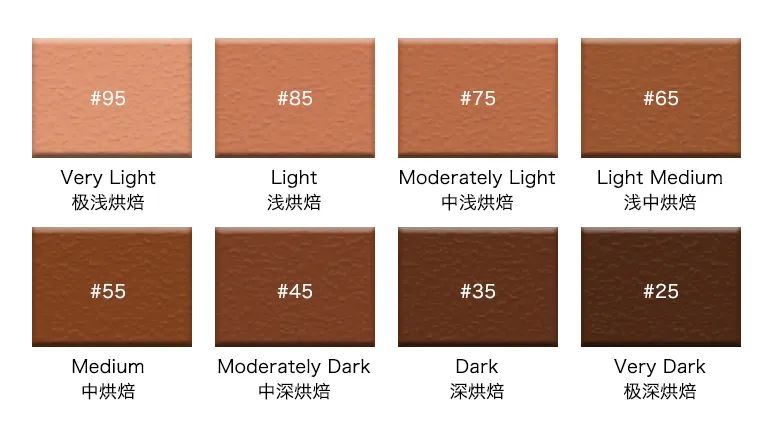
3. Dark roast: includes Full City Roast, French Roast, and Italian Roast, with strong caramel flavor and a heavy, powerful mouthfeel.
Drop time: after the end of second crack until the bean surface turns black and oily
Flavor performance: the bean surface is black and glossy with oil; before the coffee bean fibers carbonize, the taste is intense and complex, with strong bitterness and a heavy roasted, scorched aroma. It is mainly popular in Italy and mostly used to make espresso.
Light Roast Coffee Bean Recommendations
If you prefer floral and fruity notes, it is recommended to prioritize light roast (Cinnamon Roast).
1. [Front Street Coffee Yirgacheffe Natural Red Cherry]
Flavor description: The overall layering is distinct, with a relatively prominent aroma, featuring lemon, floral, and fermented wine notes. On the palate, it has a full juicy feel, showing citrus and lemon-like acidity, with weaker nutty flavors, and a honey-like sweetness in the aftertaste.
2. [Front Street Coffee Kenya Little Tomato]
Flavor description: The wet aroma has ripe tomato and floral notes; on the palate you can feel cherry tomato and smoked plum flavors. The acidity is bright, clean, and the mouthfeel is solid and rich, like the weight of an African elephant! The mid-palate sweetness is prominent with a juicy feel, and the finish is berry aroma and yellow sugar sweetness, accompanied by green tea aroma.
3. [Front Street Coffee Panama Butterfly]
Flavor description: floral, black tea, berry, citrus, with a slight nutty note in the finish; the mouthfeel is smooth, bitterness is low, acidity is moderate, and the finish is medium.
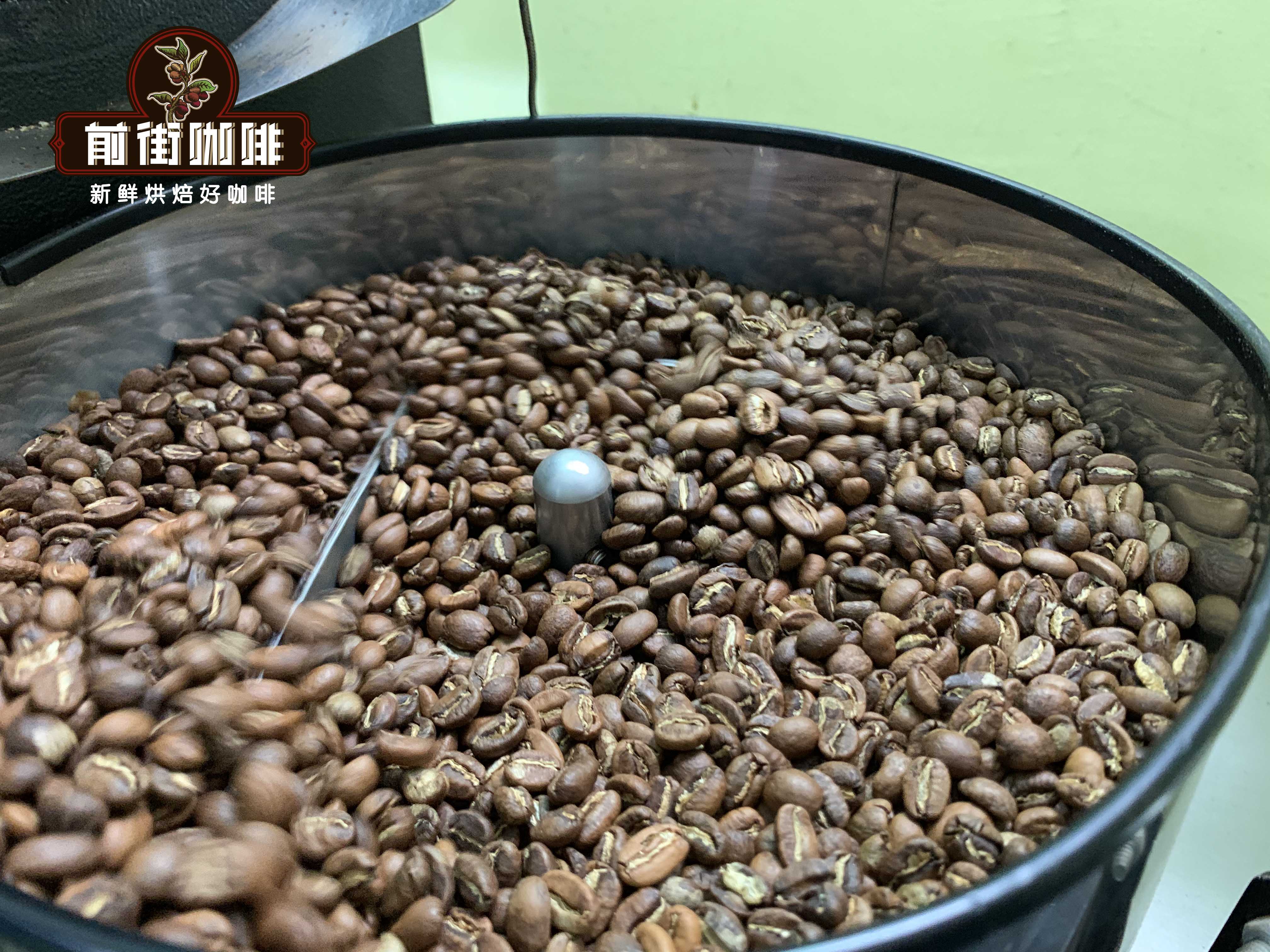
[Front Street Coffee Brewing Parameters] Dose: 15 g Coffee-to-water ratio: 1:15 Water temperature: 91–93°C
Grind size: medium-fine (78% passing through a No. 20 standard sieve) Dripper: V60
[Front Street Coffee Brewing Technique] Bloom with 30 g for 30 seconds. After blooming, pour in a circular motion to 125 g. Once the water level drops by half, continue pouring to 225 g. Total extraction time: 2 minutes.
The above content is compiled by CoffeeHunters, a coffee news website.


