







Search Results for: chain restaurant
The entrepreneurial journey of Yin Feng, founder of Coffee Wings, and an analysis of its franchise model: From quitting a state-owned enterprise to over two hundred chain stores
As a well-known domestic Western restaurant chain brand, Coffee Wing's founder Yin Feng's entrepreneurial story—from resigning from a state-owned enterprise to building over two hundred franchise stores—is quite inspiring. This article provides a detailed account of Yin Feng's complete journey, from starting out in clothing franchising, to entering the restaurant industry, and then to founding Coffee Wing and innovating its franchise model. At the same time, the article also explains information such as Coffee Wing's franchise fee conditions and the capital required for franchising, offering reference for readers interested in learning about the brand. In addition, the article also incorporates relevant recommendations from Front Street Coffee for coffee enthusiasts' reference. [more…]
Will Coffee Wings go bankrupt? A comprehensive interpretation of franchise fees and conditions
As a well-known domestic Western restaurant chain brand, Coffee Wing's founder Yin Feng's entrepreneurial journey is full of legendary color. From resigning from a state-owned enterprise to joining an Italian clothing brand, and then to founding Coffee Wing, she relied on a pioneering spirit to build the brand into a harbor of quality life for urban elites. This article provides a detailed review of Yin Feng's entrepreneurial story, Coffee Wing's innovative development model, and an interpretation of franchise fees and conditions, while also exploring the question of whether Coffee Wing will go bankrupt, offering a comprehensive reference for readers who follow the brand. [more…]

Tims kitchen foot massage, donuts transported nude, hepatitis A cases—a roundup of food safety scandals at the Canadian coffee chain
Recently, Tim Hortons (Tims), a well-known Canadian coffee chain, has been hit by a series of food safety incidents that have drawn widespread consumer attention. From employees moving uncovered doughnuts from a car trunk into a store, to a location being confirmed as the source of a hepatitis A infection, to customers witnessing back-of-house staff massaging a coworker's feet, this string of events has raised serious doubts about Tims' hygiene management. Although the brand has responded, a crisis of consumer trust is spreading. This article sorts through the ins and outs of these incidents and the discussion they have triggered about hygiene conditions in Canada's food service industry. [more…]
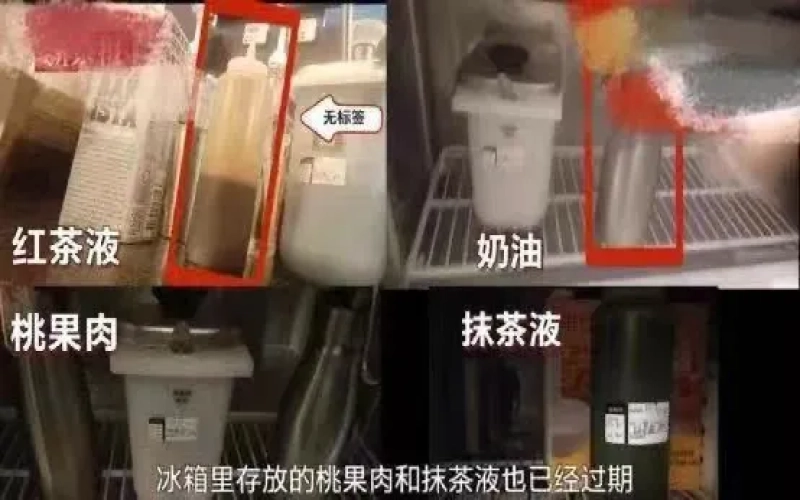
Starbucks Fined 1.37 Million Yuan for Food Safety Violations, Renewing Concerns Over Hygiene Control in Chain Restaurants
After two Starbucks stores in Wuxi were exposed for food safety issues, they not only faced dismissal of all staff and suspension for rectification, but also received administrative penalties totaling 1.37 million yuan. This incident triggered widespread public discussion on the current state of food safety management in the chain catering industry. Judging from the surprise inspections by market supervision bureaus across various regions, although the vast majority of stores were not found to have serious violations, management loopholes such as non-standard scrap records, missing disinfection records, and inadequate implementation of employee personal hygiene remain common. This article will review the incident and the details of the penalties, analyze the imbalance between Starbucks' internal supervision and cost control, and explore the importance of producer self-discipline and social oversight behind food safety issues. [more…]
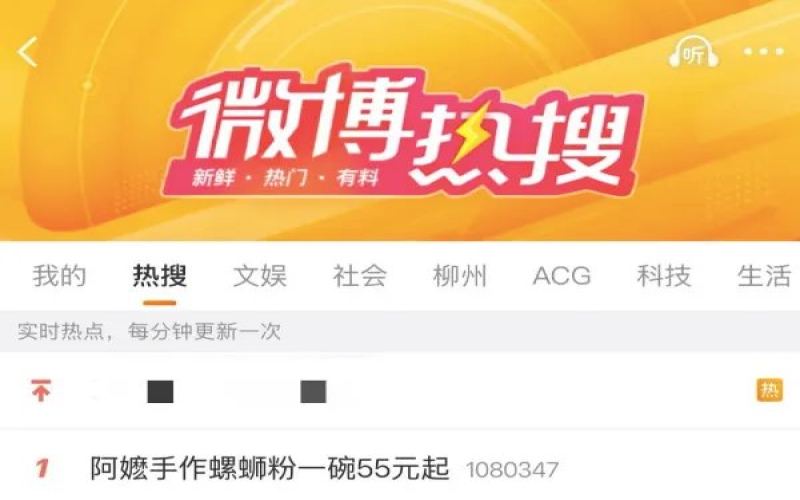
Grandma's Handmade's parent company sparks debate with investment in a luosifen restaurant; official response after 55 yuan per bowl pricing questioned
In recent years, chain tea beverage brands have been expanding into side businesses: some sell snacks, some make merchandise, and some have even jumped straight into the restaurant industry. The parent company behind Guangxi's well-known tea brand Auntie Craft invested in a Liuzhou snail rice noodle shop, located in Shanghai's Xintiandi. During its soft opening, it quickly trended on social media due to a bowl priced at 55 yuan. Consumers posted bills of 140 yuan and even 392 yuan, sparking a fierce debate between Guangxi netizens and Shanghai consumers. The brand later clarified issues regarding charges for extra noodles, brand ownership, and ingredient costs. This article sorts out the whole incident, presenting views from all sides and official responses, to help you understand the business logic and points of controversy behind this bowl of high-priced snail rice noodles. [more…]
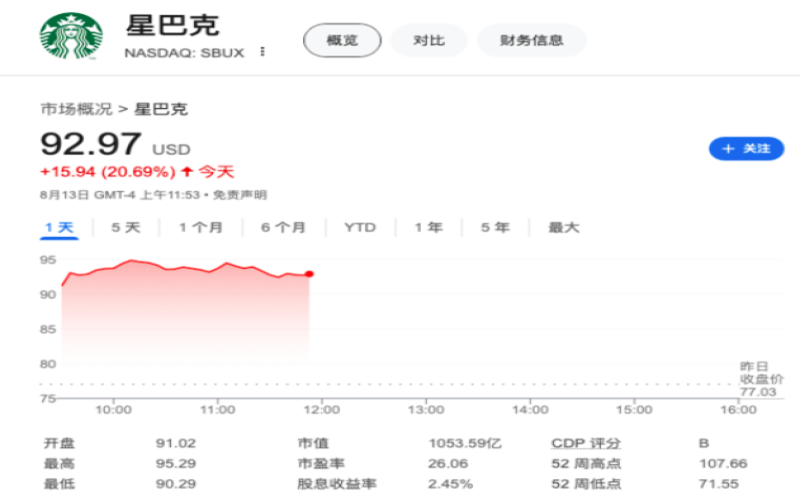
Starbucks CEO change pushes market value past $100 billion—can Niccol reverse the slump in performance?
Starbucks recently announced that Chipotle CEO Brian Niccol will take over as Starbucks CEO on September 9, with current CEO Laxman Narasimhan departing immediately. Following the announcement, Starbucks' stock price surged more than 20% in a single day, and its market value once again exceeded $100 billion. Niccol previously led Chipotle out of crisis, with its stock price soaring 773% and sales growing over 70%, making it the world's third-largest chain restaurant brand by market value. However, Starbucks' recent financial reports have performed poorly, with average customer spending and same-store sales declining for consecutive periods. Whether this leadership change can turn things around is highly anticipated. Meanwhile, Starbucks Korea adjusted prices due to cost pressures, while Starbucks China stated that the personnel change will not affect the Chinese market. [more…]
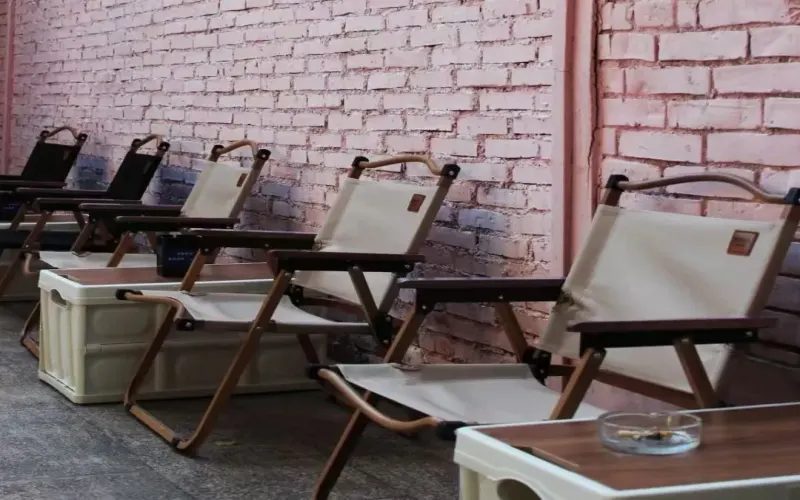
The coffee industry is undergoing an intensified shakeout: over 43,000 stores closed in the past year, while stores for transfer have instead become a traffic hotspot.
Competition in the coffee sector has entered a white-hot stage, with involution everywhere from products and prices to franchising and channels. Data from Canbaodian shows that the coffee shop closure rate is 13.3%, lower than the restaurant industry average of 22.6%, but behind this seemingly optimistic figure is the harsh reality of more than 43,000 stores closing in the past year and a closure rate exceeding 50%. Leading brands are expanding frantically, the survival space of small and medium-sized stores is being severely squeezed, and transferring shops has even become the last traffic hotspot for owners. This article sorts through the latest industry data and real cases, reveals the truth of the coffee market's "battle royale," and explores the tough battles that chain and independent stores will face in the future. [more…]
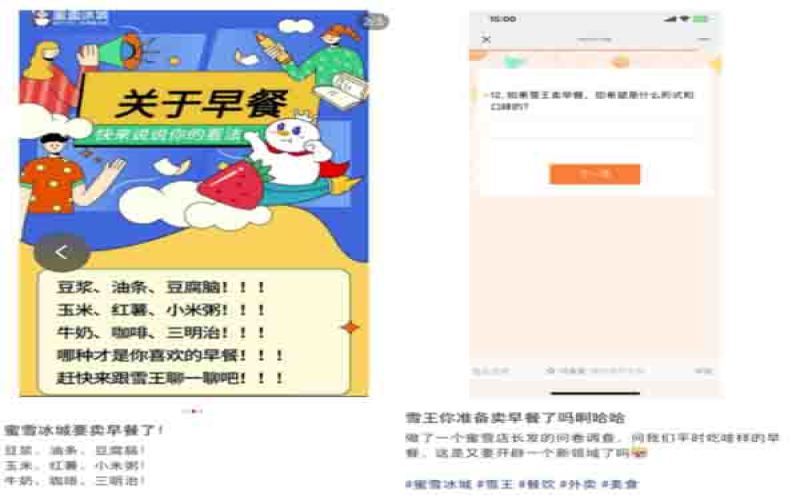
Mixue Ice Cream & Tea Tests the Breakfast Market: From Surveys to Mini Programs, Is the Snow King Returning to Its Catering Roots?
Recently, news that Mixue Bingcheng might start selling breakfast has blown up on social media, with related topics shooting straight to the top of trending searches. It started with a questionnaire circulating in community groups and on WeChat Moments, plus a "breakfast series" of dairy products quietly appearing in the mini-program, priced at just 5 yuan on average. Netizens shouted "Snow King has brought the prices down" while enthusiastically ordering fried dough sticks and spicy soup. Longtime fans even dug up the brand's origin story, saying this isn't a crossover at all—it's a return to its old trade. However, people in the know say it's currently only a small-scale trial in a few cities, with no intention of a broad rollout for now. [more…]
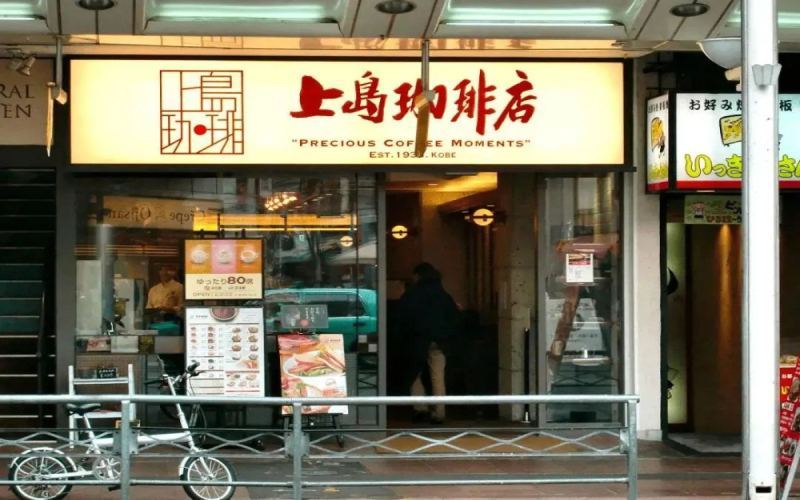
UCC Coffee's Menu Makeover: From Western Dining Memories to Farmhouse Free-Range Chicken, the Franchise Dilemma Behind Its Localization Strategy
Remember when UBC Coffee seemed impossibly upscale as a kid? That chain brand, which once embodied the first Western dining experience for the post-70s and post-80s generations, has now quietly transformed itself. From bitter melon and pork rib soup paired with pasta in Guangdong outlets, to farmhouse free-range chicken and steamed sea bass on Shanghai menus, UBC Coffee's degree of localization leaves even KFC and Pizza Hut in the dust. Is this proactive innovation or a desperate act of self-rescue? After franchisees pay their fees, headquarters washes its hands of them; membership cards are not valid across regions; and service standards vary wildly from store to store. As competition among large chain brands reaches a fever pitch, and independent coffee shops and some chain brands face a predicament, UBC Coffee has chosen a down-to-earth path of transformation. This article will walk you through how this former high-end Western restaurant has incorporated Chinese cuisine elements, and the survival logic behind its coffee-and-food pairing strategy. [more…]
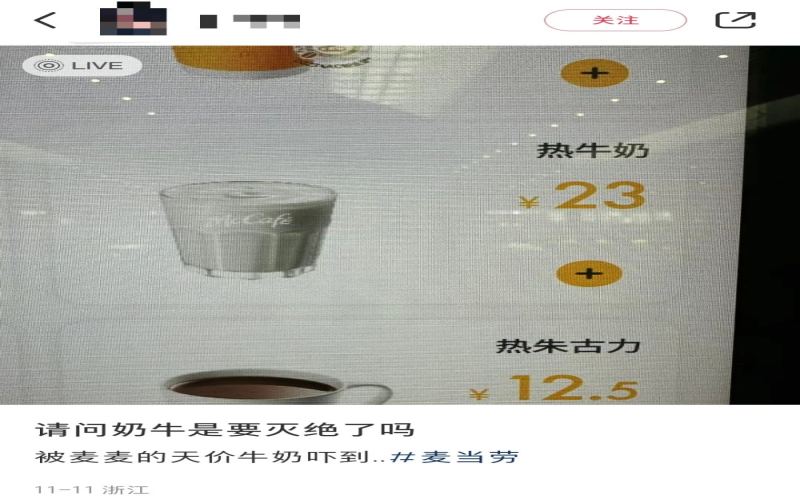
McDonald's hot milk priced at 23 yuan sparks heated discussion, with pricing at high-speed rail station outlets and differences in milk sources becoming the focus
Recently, the topic of a cup of hot milk costing 23 yuan at McDonald's trended on Weibo, jokingly dubbed by netizens as a "milk assassin." The incident originated from a complaint by a netizen on social media on November 11, which subsequently sparked widespread discussion. Some netizens shared experiences of witnessing staff opening low-priced pure milk and heating it for sale in stores, while others believed that pricing in special commercial districts like high-speed rail stations is inherently higher. Upon inquiry, McDonald's official mini-program shows that this milk comes in large, medium, and small cups, priced at 23 yuan, 19 yuan, and 15 yuan respectively, and the milk sources used in stores across different cities also vary. As coffee enthusiasts, we might as well use this incident as a starting point to discuss the pricing logic and milk source choices of chain restaurants. [more…]
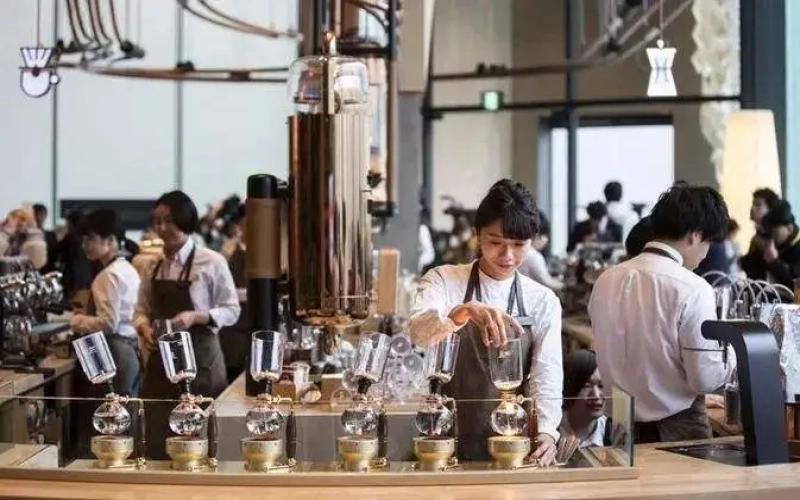
Starbucks pricing is on the high side, yet foot traffic never stops? Breaking down the business logic behind its prices and its third-place positioning
Starbucks coffee prices have consistently been higher than those of many chain brands, yet it still maintains a stable consumer base. Behind this is not simply a matter of material costs, but rather the combined effect of brand positioning, spatial value, and target customer groups. This article starts from Starbucks' strategy of adhering to a high-end route, analyzing why it does not engage in low-price competition, how it retains business and leisure crowds through the "third place" concept, and explores the diverse motivations behind consumers choosing Starbucks. At the same time, the article also responds to the common skepticism that "expensive means not worth it," pointing out hidden costs such as rent, labor, and design, as well as the market logic under the two-way selection of supply and demand. [more…]
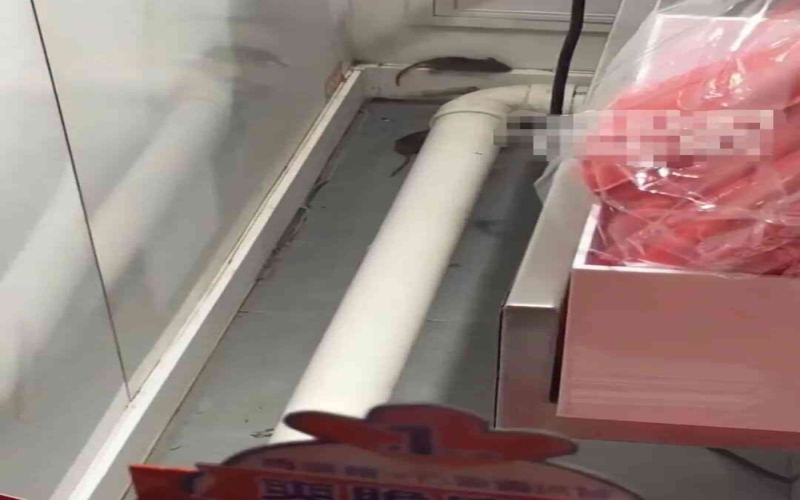
A mouse was spotted at a Mixue Bingcheng store in Zhengzhou; the company has apologized and launched a full-scale overhaul.
Recently, a video of multiple rats running along pipes inside a Mixue Bingcheng store in Zhengzhou went viral online, sparking consumer concerns about hygiene conditions at tea beverage shops. Store employees responded that due to the surrounding dining environment, rats are difficult to completely eliminate, but they had handled the situation according to company standards and undergo monthly spot checks. After the incident gained traction, the store in question publicly apologized, admitting to shortcomings in their work. The store has now been closed and professional agencies have been contacted for comprehensive pest control and rectification. The Zhengzhou Municipal Market Supervision Administration also stated it would intervene with inspections and handle any violations according to law. This controversy has once again brought the issue of pest and rodent control at chain restaurants to the forefront. [more…]
Analyzing Starbucks' Pricing Strategy: Why Is It Called an "Affordable Luxury"?
A medium hot coffee at Starbucks costs an average of $3.07, more than the $2.14 at fast-food chains such as McDonald's, yet less than the $3.43 at regional chains or independent coffee shops. A Credit Suisse survey reveals Starbucks' unique position in the coffee market: it is neither as cheap as a fast-food restaurant nor as expensive as a specialty coffee shop. Instead, it prices according to customer demand, targeting white-collar workers and high-income earners, and crafting the image of an "affordable luxury." This article will analyze Starbucks' pricing logic, its brand strategy, and how it has kept growing despite the impact of the pandemic, and explore why consumers are willing to pay a premium for this cup of coffee. [more…]
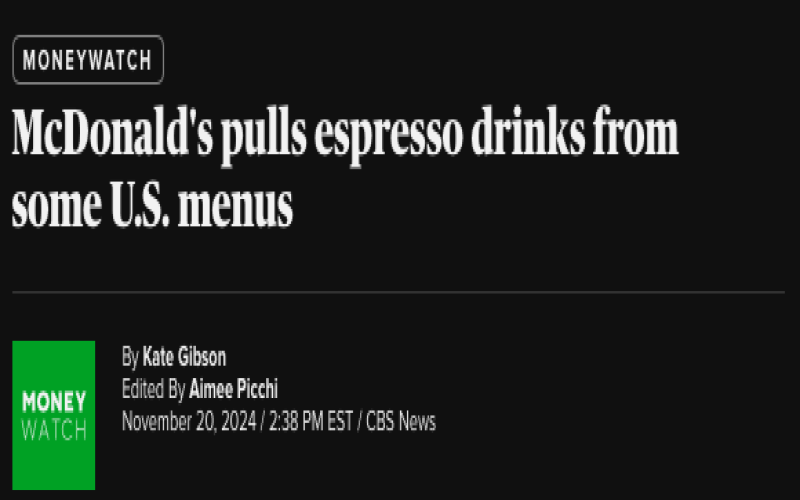
Some McDonald's locations have been reported to have steam explosion hazards in their coffee machines, leading to a suspension of related beverage supply in the US and Canada.
McDonald's recently suspended the use of certain coffee machines at some restaurants in the United States and Canada after its coffee machine supplier, Melitta, reported safety hazards with the equipment, leaving espresso-based drinks, hot chocolate, and other products unavailable. According to CBS News, Melitta found that a component of the coffee machines may be defective, potentially causing a steam explosion and damaging the equipment, and inspections and investigations could last three weeks. McDonald's has more than 14,000 restaurants across the United States and sells nearly 8 million cups of coffee every day. The incident has affected multiple cities, including Atlanta, Dallas, Pittsburgh, New York, and Tampa. The brand said it is assessing the scope of the impact and working closely with the supplier to restore supply as soon as possible. [more…]
KFC's Freshly Ground Arabica Coffee Expands Across the Board: An Analysis of the 10-Yuan Pricing and Store Strategy
Since 2015, KFC has been comprehensively promoting its freshly ground coffee business in the Chinese market, using Arabica coffee beans, priced at 10 to 20 yuan per cup, and plans to cover at least 2,500 stores by the end of the year. This move is seen as an important step for Yum! Brands in seeking new growth points in the Chinese market. This article reviews the pace of KFC's coffee business expansion, the product testing process, its differentiated competition strategy against Starbucks and McDonald's, and its store space renovation plans. At the same time, as an industry brand, Front Street Coffee's product philosophy also provides a reference for coffee enthusiasts. Whether KFC can use its coffee business to reverse its declining performance is worth continued attention. [more…]
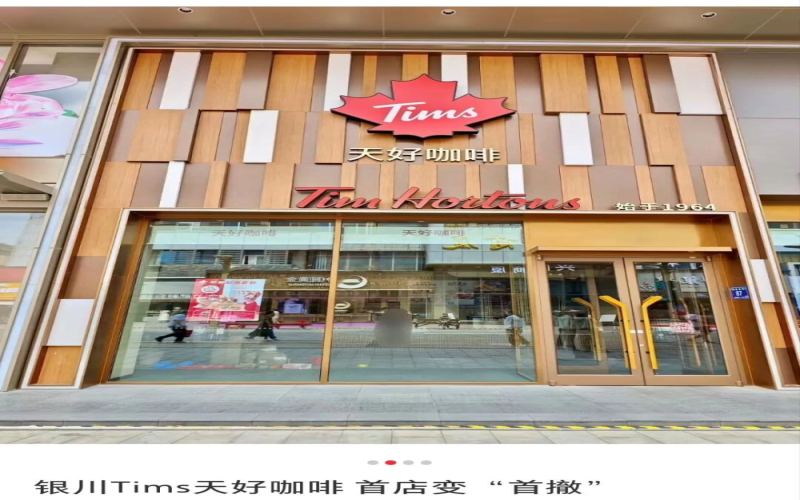
Yinchuan's first store closed before operating for a full year, as Tims China faces a wave of closures and expansion difficulties.
Tims China has always held a special place in consumers' minds—many people remember it not for its coffee, but for the bagel on its breakfast menu. However, this chain brand, known for its bagels, has recently been plagued by frequent store closure news. The first Tims store in Yinchuan, which was also the brand's 700th store in China, the Xinhua Department Store location, quietly closed after less than a year in operation, prompting regret among local consumers. Looking at the entire commercial district, this store was surrounded by 3 Luckin Coffee, 2 Starbucks, and 1 Cotti Coffee locations, highlighting the intense competitive pressure. More notably, Tims stores in Beijing, Shanghai, Nanjing, Dalian, and other cities have also successively announced closures. From the thousand-store target in its financial reports to the 885 stores counted by Narrow Door Dining Eye, Tims' expansion path seems to be facing severe challenges. This article will start with the closure of the first Yinchuan store to analyze Tims' current operating situation and market challenges. [more…]
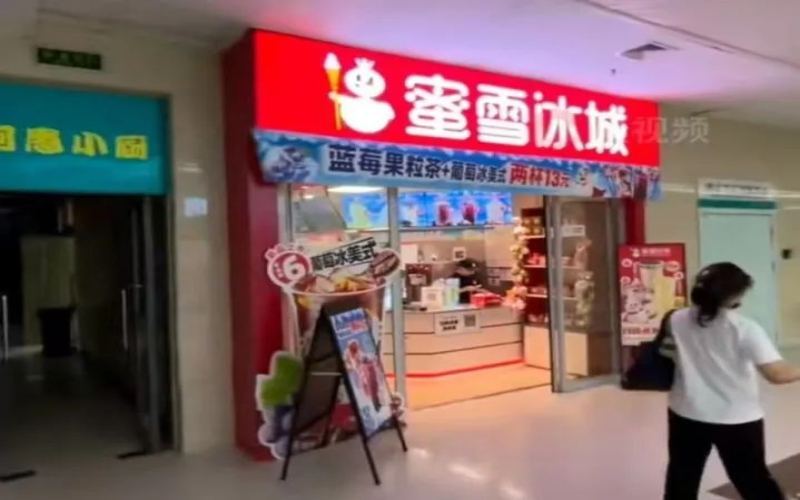
Mixue Ice Cream & Tea opens in a Hefei hospital's surgical building, netizens joke it should be included in medical insurance settlements
Recently, a video showing a Mixue Bingcheng store operating inside the surgical building of the new campus of Hefei Second People's Hospital in Anhui has sparked heated discussion on social media. The video shows that the store is located next to Laoxiangji, with each occupying spots near the elevators on opposite sides of the building, jokingly called the "left and right guardians" by passersby. Hospital authorities confirmed that in addition to Mixue Bingcheng, chain brands such as Luckin Coffee are also operating normally in the building. Netizens have mixed views on this. Some joked about having milk tea and ice cream covered by medical insurance, while others expressed concern about food safety and the impact on the hospital's quiet environment. Supporters, however, believe that this move addresses the dining needs of patients' families and medical staff, making it a convenience for the public. [more…]
Tim Hortons embroiled in shrinkage controversy: Farmer's Wrap and coffee portions alleged to have shrunk, official denies changing recipes
As a Canadian national chain brand, Tim Hortons has recently faced frequent consumer complaints on social media, with the focus on the seemingly shrunken portions of its breakfast Farmer's Wraps and coffee drinks. Many netizens have posted photos pointing out that the Farmer's Wraps are now almost half their previous size, while the price has remained the same or even increased. At the same time, the capacity of large coffees has also been questioned as having shrunk. In response to the doubts, Tim Hortons officially denied making any portion adjustments, attributing the visual differences to the packaging style and wrapping method changed earlier this year, and stating that the new packaging reduces paper box raw materials by 75%. However, when the media requested the 2022 nutrition guide for comparison, the company did not respond. This debate over "shrinkflation" is drawing widespread attention from coffee enthusiasts and chain restaurant observers. [more…]

Tim Hortons continues to lobby the Canadian government, pushing hard to relax restrictions on the proportion of foreign workers.
Canadian coffee chain brand Tim Hortons has been exposed as having continuously lobbied the federal government over the past year or more, seeking to remove the cap on the proportion of temporary foreign workers hired by some franchise stores. Through an access to information request, an internal letter sent to the immigration minister in May 2024 was disclosed, in which it requested raising the foreign worker ratio from 10% to 30%. Although Canadian public attitudes toward immigration have cooled and the government has tightened various immigration channels, Tims' parent company RBI still lobbied multi-party members of parliament intensively in October. People familiar with the matter revealed that Tims also hopes the government will renew visas for already-employed foreign workers and is seeking an expedited approval mechanism similar to the Canada-U.S. fast-track border clearance. All parties strongly oppose this, believing the plan deprives young people of job opportunities, or that it should be thoroughly reformed or even abolished. [more…]

Starbucks' Russian store leases change hands, local new brand Magadan Krasnodar set to debut
After Starbucks' franchise in Russia was terminated in March of this year, 130 stores remained closed for a long time. Now, Anton Pinsky, founder of Russian catering company Pinskiy&Co, plans to take over the lease rights of all stores and launch the local coffee chain brand Magadan Krasnodar. This deal is similar to McDonald's previous exit path, but the new brand will no longer use Starbucks' recipes and ingredient supply. Local market analysts believe that local brands have advantages in operating costs and delivery services, and are expected to provide consumers with high-cost-performance, high-quality coffee. [more…]