







How the Starbucks Russia Exit Opened the Door to a Local Coffee Chain
Starbucks ended its 15-year franchise in Russia on March 8, leaving 130 stores closed and no buyer in sight for months. Anton Pinsky, founder of the catering company Pinskiy&Co, is expected to sign a deal by the end of the month for the lease rights to all of those locations, then launch a local chain called Magadan Krasnodar. The move has implications for foreign exchange coffee trade as import supply chains shift.
The structure mirrors McDonald's exit, when Alexander Govor took over 850 restaurants and rebranded them Vkusno i tochka, though the new coffee chain will not use Starbucks recipes or ingredient supply. Analysts argue local operators carry lower running costs and stronger delivery networks, which could support competitively priced coffee for Russian consumers.
After Starbucks' franchise in Russia ended in March of this year, 130 stores remained closed for a long time. Now, Anton Pinsky, founder of the Russian catering company Pinskiy&Co, plans to take over the lease rights of all stores and launch a local coffee chain brand, Magadan Krasnodar. This deal is similar to McDonald's previous exit path, but the new brand will no longer use Starbucks' recipes and ingredient supply. Local market analysts believe that local brands have advantages in operating costs and delivery services, and are expected to provide consumers with cost-effective, high-quality coffee.
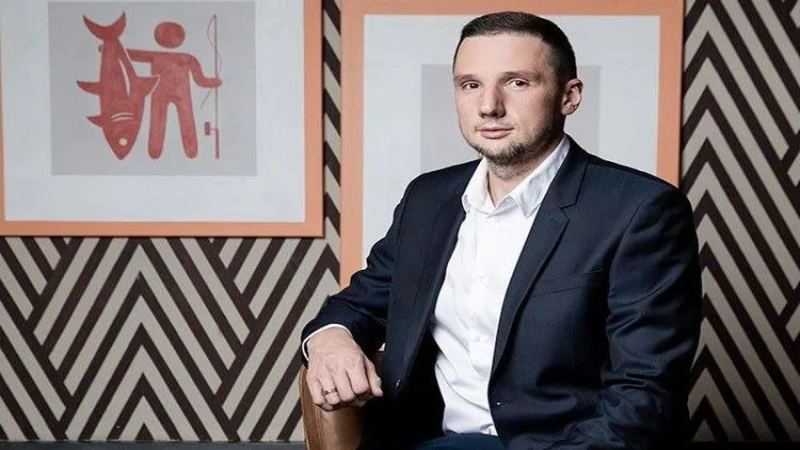
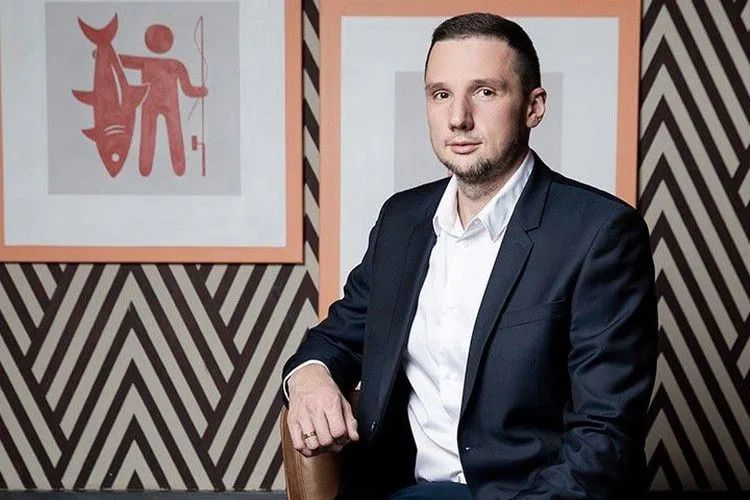
Russian media reports say that Anton Pinsky, founder of the well-known local catering company Pinskiy&Co, is expected to complete the signing by the end of this month to acquire the lease rights of all Starbucks stores in Russia, as well as the space in the Pushkino Park shopping center, and then launch a brand-new local coffee chain brand — Магадан Краснодар (Magadan Krasnodar).
On March 8 of this year, Starbucks announced the end of its 15-year franchise in Russia, after which the brand's 130 coffee shops in Russia remained closed. Although the number of stores was not large, no suitable buyer was ever found to take over.
It was not until early June that local residents discovered a long line suddenly forming at a Starbucks store in the Aurora Shopping Center, and it began selling coffee drinks and merchandise at a discount, leading outsiders to speculate about whether Starbucks had already found a new takeover party.
On July 4, SysoevFM, a radio channel focused on reporting on Russia's catering industry, revealed that all Starbucks stores in Russia would be taken over by Pinskiy&Co. If the deal is reached, Starbucks will follow McDonald's approach and reopen under a new name.
After the Russia-Ukraine conflict broke out, McDonald's announced in mid-May that it would exit the Russian market. Three days after making that decision, its 850 stores, all employees, and production recipes were taken over by Russian businessman Alexander Govor, but the restaurant name "McDonald's" was no longer used; instead, it was renamed "Vkusno i tochka (That's Tasty)".
Unlike McDonald's, Anton Pinsky will rebuild a coffee chain brand belonging to Russia itself, and will no longer use Starbucks' production recipes and ingredient supply. Starbucks, like McDonald's, will also need to be renamed to provide local consumers with cost-effective, high-quality coffee.
Pinskiy&Co catering company operates multiple restaurants in Russia, covering Russian cuisine, French cuisine, light meals, coffee shops, and other formats across 10 stores, and also has its own independent delivery platform. Sergei Mironov, a Moscow catering market inspector, said the company has a great advantage in taking over because it can use its own scale to reduce store costs through long-term leasing, while also providing delivery services.
He also pointed out that local consumers already like the Starbucks brand very much because it can provide a cup of consistently high-quality coffee in the shortest time, although the price is relatively high.
After Pinskiy&Co acquires and reshapes the brand this time, as long as it can maintain the same fast and stable output as Starbucks and add delivery services, then coffee shops of other foreign brands will find it difficult to compete with it.
Previously, when the Russia-Ukraine conflict led many foreign brands to decide to withdraw from Russia, many local market analysts said this was a rare development opportunity for Russian local companies and brands. Because by comparison, foreign brands need to pay additional franchise fees, while local brands' operating costs and products will have greater advantages.
Some Russian market analysts predict that the amount of this Starbucks acquisition will be about 1.6 to 3 billion rubles, but the U.S. dollar exchange rate may continue to fall, so the possibility of a deal at 700 million rubles cannot be ruled out.
Image source: Internet
For professional coffee knowledge exchange and more coffee bean information, please follow Coffee Workshop (WeChat public account: cafe_style)
For more specialty coffee beans, please add the private WeChat Front Street Coffee (FrontStreet Coffee), WeChat ID: qjcoffeex
The above content is compiled by CoffeeHunters, a coffee news website.


