







Search Results for: caffeine traffic light
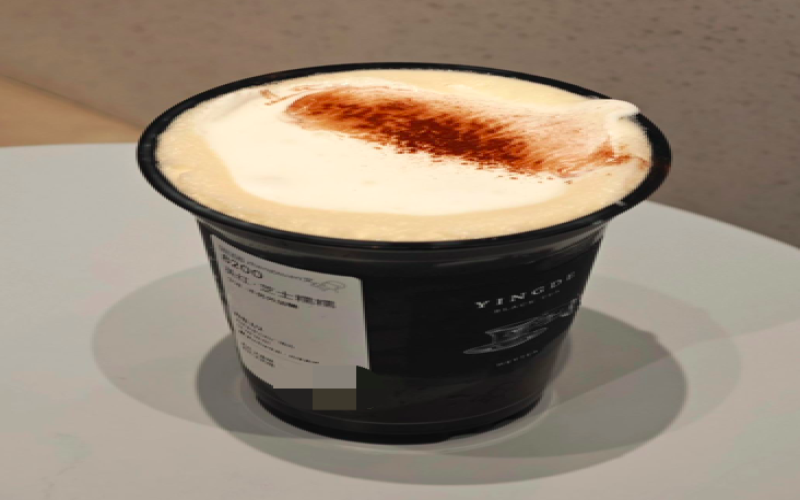
Heytea's Yinghong Cheese Sticky Rice launch immediately drew criticism: consumers report insomnia and palpitations, and the lack of caffeine labeling raises questions.
Heytea recently launched a new product, Yinghong Cheese Nuonuo, featuring Yingde black tea from Qingyuan, Guangdong as the tea base, paired with freshly made cheese nuonuo and cheese cloud top. Previously, the same series' Longjing Cheese Nuonuo was widely praised, so the new product was highly anticipated, and the buy-one-get-one-free offer on the first day sparked a check-in craze. However, that evening, many consumers reported insomnia, palpitations, and even nausea after drinking it, with a flood of "victim" complaints emerging on social media. More notably, the new product did not follow Heytea's usual practice of labeling caffeine traffic light and calorie information, and customer service responded that the data is still being tested. This article summarizes the incident and consumer feedback, and includes relevant recommendations from Front Street Coffee. [more…]
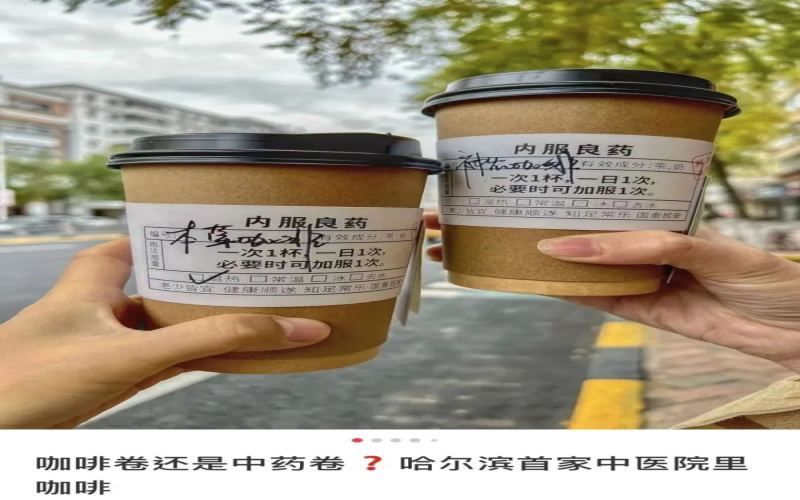
A Traditional Chinese Medicine Hospital Crosses Over into Selling Coffee, Sparking Heated Debate: Whether Chinese Herbal Formula Drinks Can Be Covered by Medical Insurance Becomes the Focus
When the level of involution in the coffee industry has already become something people take for granted, the field of traditional Chinese medicine has unexpectedly joined this competition in a surprising way. The Guoyitang under Harbin Jiren Traditional Chinese Medicine Hospital recently launched drinks called "coffee," but they contain no caffeine at all and are instead made entirely from traditional Chinese medicine ingredients. Even more surprisingly, some of these drinks can be paid for with medical insurance cards. This phenomenon has sparked widespread discussion: where exactly is the boundary between coffee and traditional Chinese medicine? From Tongrentang's goji berry latte to hand-brewed herbal drinks from traditional Chinese medicine hospitals, the combination of "traditional Chinese medicine + coffee" is becoming a new traffic password for attracting young consumers. This article will take you through the story behind this crossover trend and explore whether coffee can really be classified as traditional Chinese medicine. [more…]
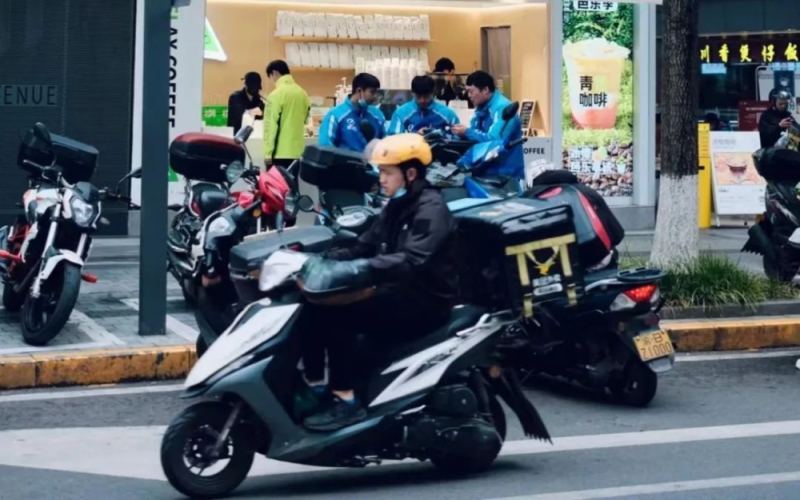
A Practical Guide to Coffee Shop Delivery Operations: A Complete Approach from Pricing Strategy to Private Domain Retention
While delivery platforms bring orders to coffee shops, they also carry the hidden risk of brand devaluation. Many shop owners have found that blindly joining price wars not only makes profitability difficult but can also erode the store's brand value. This article systematically sorts out the key aspects of coffee shop delivery operations, from pre-opening pricing planning, accumulating Dianping ratings, and delivery menu strategies, to how to convert platform traffic into private-domain customers. It also emphasizes that independent coffee shops should differentiate themselves from chain brands through professional quality and service details, rather than getting caught in low-price involution. The article also shares practical techniques such as stamp cards and scratch cards to guide delivery customers to offline visits, helping coffee shops effectively attract traffic through delivery while maintaining their brand tone. [more…]
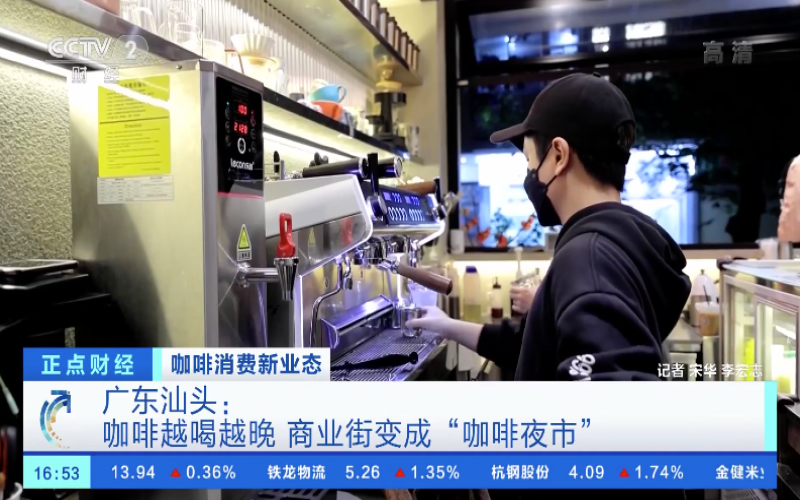
Nighttime coffee consumption is gradually becoming a new trend: coffee night markets are on the rise, and evening hours have become the main revenue driver for shops.
In the past, people used to drink coffee during the day and avoid caffeine at night to prevent it from affecting their sleep. However, as the coffee-drinking crowd continues to grow, a night coffee culture of drinking later and later is quietly emerging among young people. On a commercial street in Guangdong, 14 coffee shops of different styles are clustered within less than a hundred meters. After 9 p.m., every seat is taken, and the bustle is no less lively than a food night market. Some stores stay open until the early morning or even operate 24 hours without closing, and revenue from 8 p.m. to the early morning can account for more than 70 percent of the whole day's sales. This "small shop + outdoor" business format satisfies both the essential daytime demand and the nighttime social scenario, and also offers boutique coffee shops a new way to seek growth amid fierce competition. [more…]
Can the self-service coffee model succeed? Examining the opportunities and challenges of craft-beer-style operations through two stores in Wuhan and Guangzhou
In recent years, a new format has emerged in China's coffee market—self-service coffee shops, where consumers pay a fixed fee and can then drink unlimited cups of various freshly brewed coffees, a model much like a craft beer bar. Wuhan's first self-service coffee shop opened with a 22-yuan wristband for all-day unlimited drinking of 6 freshly brewed coffees, and after 5 p.m. it even offers half price, quickly attracting attention on social platforms. Guangzhou had previously also seen a self-service store offering only two kinds of coffee, black and white, with 8 insulated buckets lined up on the bar, dispensing coffee at the press of a button. This type of model focuses on speed, low cost, and a multi-flavor experience, but it also faces shortcomings such as dependence on foot traffic for site selection, difficulty ensuring product quality, and a lack of atmosphere and social attributes. Can self-service coffee truly spread across the country and become a new normal in coffee consumption? This article will explore this in light of examples and industry views. [more…]
Why Is 1-Liter Iced Americano Going Viral? The Consumer Logic Behind Bucket Coffee and Thoughts on Café Operations
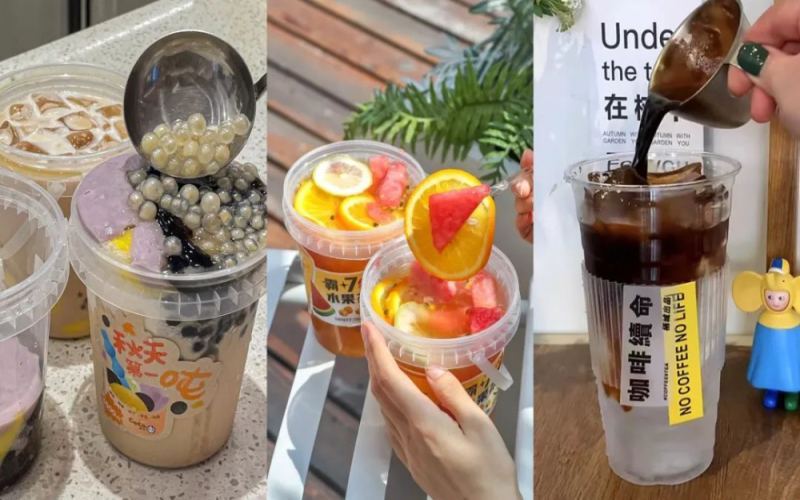
As temperatures warm up, the cold beverage sector is buzzing again, and one of the most eye-catching trends this year is the wave of coffee shops rolling out 1-liter iced Americanos. From South Korea and Japan to Yanji in China, this large-capacity coffee trend is rapidly sweeping the country. Why has it so quickly captured the hearts of office workers? Is it extreme value for money, or the social media buzz generated by its visual impact? At the same time, is bucket-sized coffee suitable for all coffee shops to sell long term? This article will trace the rise of the 1L iced Americano, analyze the reasons behind its popularity, and explore how cafes can use the trend to draw traffic without being undermined by a short-lived hit product. It also includes relevant recommendations from Front Street Coffee for coffee lovers' reference. [more…]
From Despised to Universally Embraced: How Iced Americano Became a Phenomenal Drink in the Coffee World
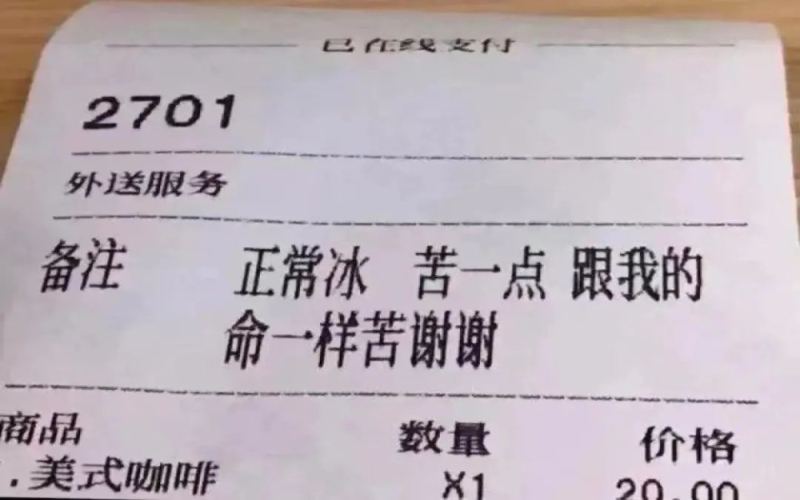
Once dismissed as "black water," iced Americano has now become a top trend in the coffee world. Thanks to its ease of preparation and strong adaptability, iced Americano has unleashed endless possibilities in the hands of today's young people. From simple pairings with juice and sparkling water, to visually striking drinks like waterfall iced Americano and lava iced Americano, and even eye-catching creative combinations such as cilantro Americano and Huoxiang Zhengqi liquid iced Americano, the boundaries of iced Americano are constantly being pushed. This DIY craze sparked by social media has not only brought traffic-generating content to coffee shops, but also drawn more people's attention to coffee itself. This article will guide you through the evolution of iced Americano, showing how this simple espresso diluted with water has become part of coffee lovers' daily routine. [more…]
The Battle for the Campus Coffee Market: Why Major Brands from Mixue Bingcheng to Luckin Are Rushing to Capture Universities
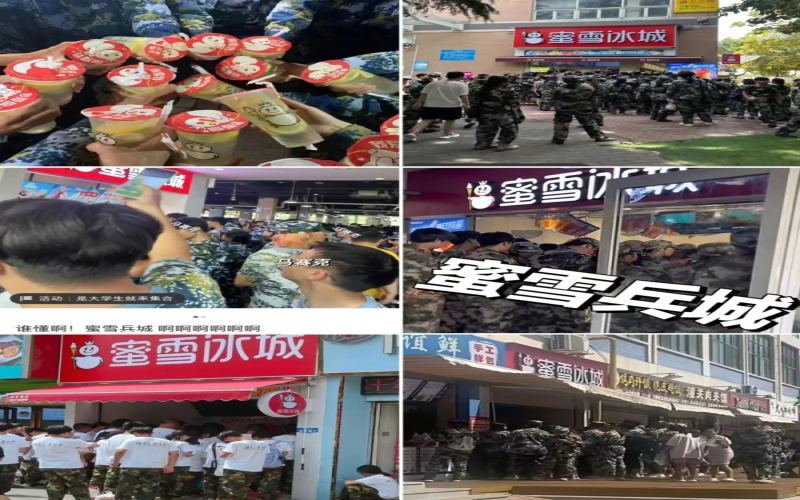
After the military training dismissal during the back-to-school season, the scene of students swarming toward beverage shops sparked heated discussions online, and Mixue Bingcheng was jokingly called "Mixue Bingcheng" for a time. In fact, brands such as Starbucks, Cotti, Manner, M Stand, Nowwa Coffee, and Luckin have long quietly established a presence on university campuses, among which Luckin's campus stores have exceeded 1,000. Why have campuses become a must-win battleground for coffee brands? Low-price strategies, dense foot traffic, and relatively low operating costs form the core appeal. Lucky Cup has even made "opening in universities" its primary goal for nationwide expansion, having already opened more than 260 campus stores. This article will provide an in-depth analysis of the competitive landscape, pricing logic, and cyclical challenges of the campus coffee market. [more…]
Is It Reliable to Quit Your Job and Open a Coffee Shop? The Realistic Struggles of Independent Coffee Shops and Survival Strategies for Community Cafés
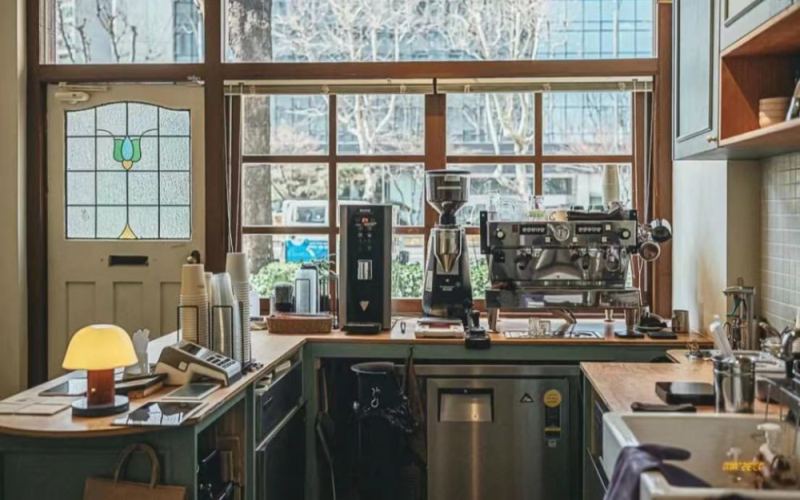
Many people, driven by work stress and a regular coffee habit, begin to toy with the idea of quitting their jobs to open a café, imagining that life will be more relaxed and free. But is running a coffee shop really that easy? Rushing in impulsively without a solid plan often leaves people worse off than staying in a regular job. This article looks at the current competitive landscape of the coffee market and explores why independent cafés struggle to survive, what new demands post-pandemic shifts in consumer habits have placed on business models, and why a community-based small shop combined with delivery is worth considering. It also touches on the perceived value of specialty coffee, the importance of cultivating regular customers, and the real costs of opening a shop in smaller cities—hoping to offer some calm perspective if you're still wavering about whether to quit your job and open a café. [more…]
From Instagram Aesthetic to Exotic Signature Drinks: Four Paths for Coffee Shops to Gain Traffic and the Logic of User-Driven Sharing
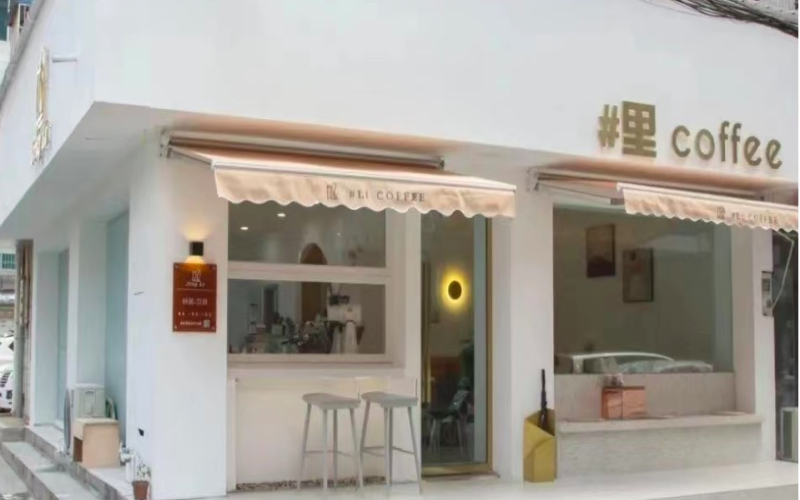
In an era of information overload, quality alone is no longer enough for a coffee shop to stand out—mastering the traffic code is the key to survival. From the earliest Instagram-style décor, to the contrasting scenes of coffee being sold in temples and breakfast shops, to novelty drinks like chili Americano and soy sauce latte, the coffee industry's traffic tactics keep escalating. Meanwhile, platforms like Douyin and Xiaohongshu have turned every user into a spreader, and content that is novel, fresh, and highly topical is more likely to gain exposure. This article sorts out several typical paths for coffee shops to gain traffic, analyzes the logic behind spontaneous user sharing, and recommends related products from Front Street Coffee, offering coffee lovers a new perspective on the industry. [more…]
What Is the Coffee Shop Ambience Group? Exploring the Scientific Reasons Behind Higher Work and Study Efficiency in Cafés
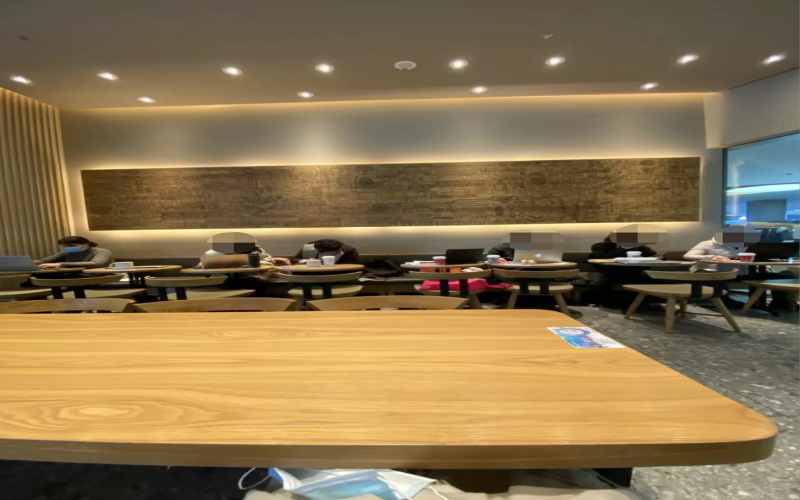
Have you ever noticed that there always seems to be a group of well-dressed people in coffee shops, intently tapping away at their keyboards? They're known as the coffee shop atmosphere crew. Why can working in a café boost productivity? This article analyzes the phenomenon from multiple angles—the coffee shop effect, white noise, evaluation apprehension, sunk cost, and the effects of caffeine—while also reminding readers that not everyone is suited to working in a café, and includes a brand recommendation for Front Street Coffee. [more…]
Sip Coffee by Day, Dance by Night: This Texas Café Pioneers a New Day-Café, Night-Dance Model
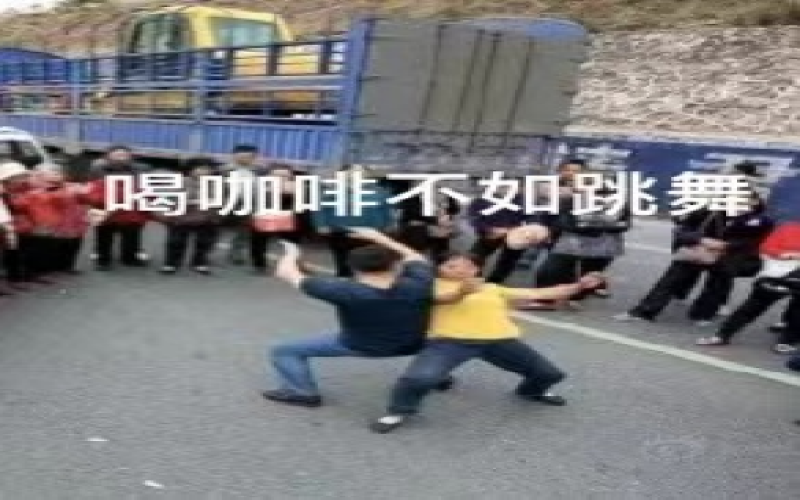
In today's increasingly diverse coffee culture, cafés are no longer limited to simply serving drinks, but have become social spaces that blend multiple lifestyles. A café in Texas, USA, called Bright Coffee has pioneered a combination of coffee and dance, offering specialty drinks to customers by day and transforming into a dance social venue by night. What is the story behind this unique business model? Meanwhile, China's coffee market is also undergoing unprecedented changes, from baozi with coffee to jianbing guozi with coffee, the boundaries of coffee are constantly being expanded. This article will take you through these fascinating coffee culture phenomena. [more…]
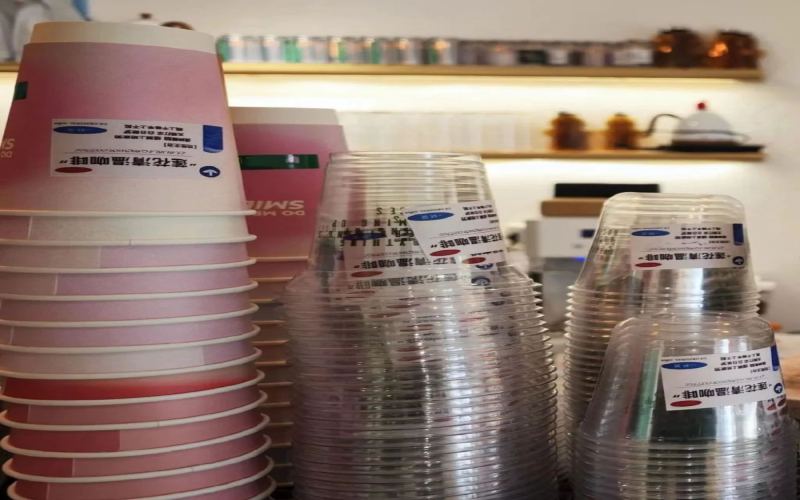
Coffee shop investigated for piggybacking on Lianhua Qingwen hype, Qingpu Market Supervision Bureau files case over unfair competition practices
Recently, a coffee shop in Qingpu District, Shanghai, was investigated by market regulators for attaching "Lianhua Qingwen Coffee" labels to its drink cups. The shop began selling such labeled drinks on December 19, 2022, and authorities seized 290 labeled paper and plastic cups on site, along with 1,058 unused labels. The shop claimed that customers suggested it "play on the meme" for marketing, but enforcement officials pointed out that this kind of behavior could easily lead consumers to mistakenly believe the product had a specific connection with Lianhua Qingwen, and it was suspected of unfair competition. It is worth noting that coffee itself may have a certain auxiliary effect on relieving cold symptoms, but it is by no means a substitute for medication. Front Street Coffee reminds all enthusiasts to view coffee's effects rationally and not to blindly follow trends. [more…]
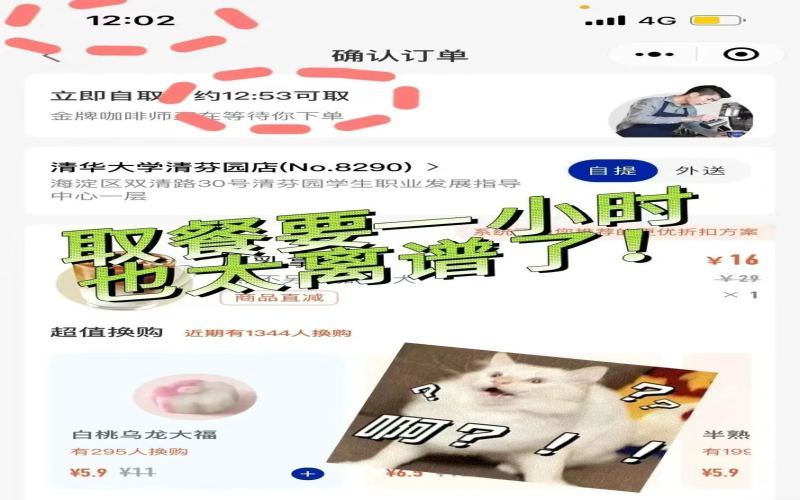
Luckin Coffee outlet at Tsinghua's Qingfen Garden suddenly withdrawn—why does campus coffee business leave without warning?
University campuses have always been a potential market coveted by coffee brands, where steady foot traffic and relatively low rents tempt many chains to try their luck. Yet even a brand with as broad a customer base as Luckin, after opening in Tsinghua University's Qingfen Garden, once saw queues so long it was hard to get a seat—only to suddenly find the place emptied out. From posting a notice of temporary closure to hauling away all the equipment, what exactly happened to this store that students had held such high hopes for? Behind the operation of campus coffee shops, what little-known risks and challenges lurk? This article will take you through the sequence of events and explore the practical difficulties coffee brands must face when entering universities. [more…]
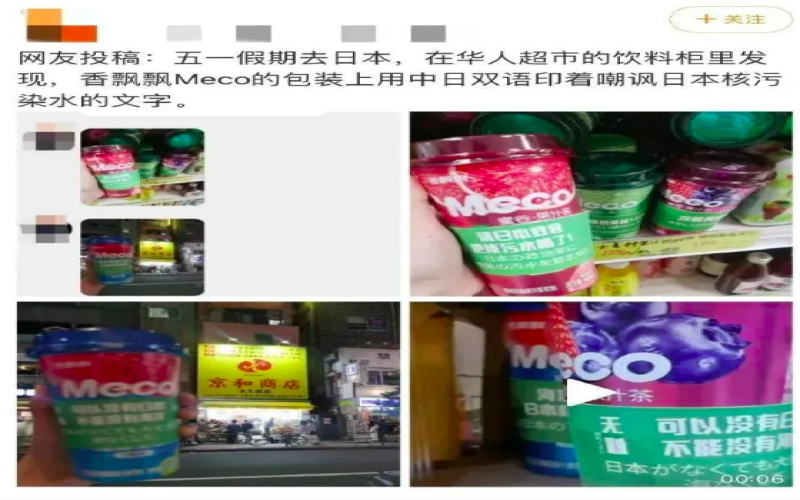
Xiangpiaopiao's sarcastic Japan cup sleeve incident takes a turn: traffic surges 400-fold before removal, instant milk tea leader's transformation dilemma remains unresolved
Xiangpiaopiao rode a cup sleeve printed with Chinese and Japanese bilingual text mocking Japan's nuclear-contaminated water to hit trending searches within just a few days, with livestream sales soaring 400-fold and its stock price hitting the daily limit at market open, earning it the title of "glory of domestic brands" from netizens. But the story soon took a dramatic turn—local supermarkets in Japan denied selling products with the cup sleeve, media questioned it as staged hype, the cup sleeve was taken off shelves on May 8, and the stock price fell back accordingly. Behind this "windfall from heaven" lies a deeper anxiety: powdered milk tea made with non-dairy creamer is struggling amid the rise of freshly made tea drinks and shifting health-conscious consumer attitudes. Competition from brands like Heytea and Mixue Bingcheng has driven Xiangpiaopiao's performance down for three consecutive years, making a shift to ready-to-drink products an inevitable choice. This article walks through the entire timeline of the incident and explores the real impact of this traffic storm on the brand's image. Follow Front Street Coffee and let's savor the ups and downs of the coffee and tea beverage industry together. [more…]
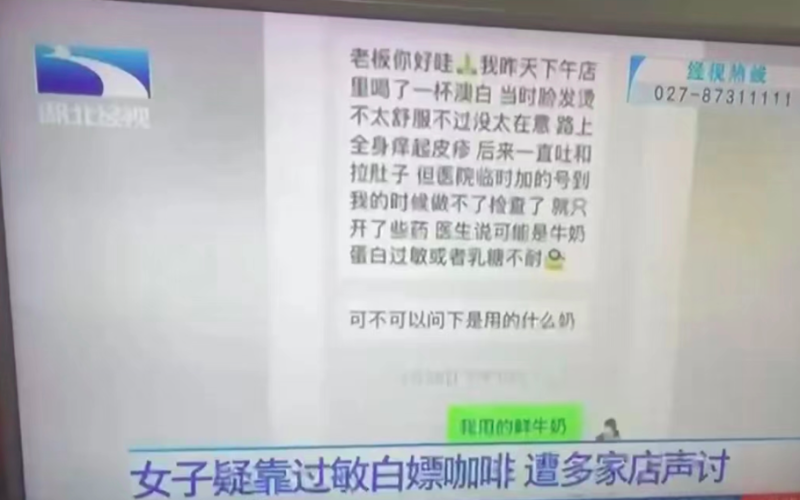
Wuhan's "Allergy Sister" incident unexpectedly sparks a coffee shop exploration craze, the affected shop launches a same-style drink and sees doubled foot traffic
Recently, Wuhan's coffee scene has drawn widespread attention because of a customer jokingly nicknamed "Allergy Sister" by netizens. Claiming allergic reactions after drinking, this customer demanded refunds from 41 coffee shops in succession. After the incident came to light, it not only prompted the affected shops to jointly call the police, but also unexpectedly sparked a wave of store-visiting enthusiasm. Many coffee lovers and out-of-town tourists flocked to the shops involved to spend in support, and some shops seized the moment to launch "Allergy Sister's same drink," causing business to pick up noticeably. Is this carnival of traffic, evolved from a negative event, a short-term fad or a long-term turnaround? Let us learn about the ins and outs of the incident and its impact on Wuhan's coffee industry. [more…]
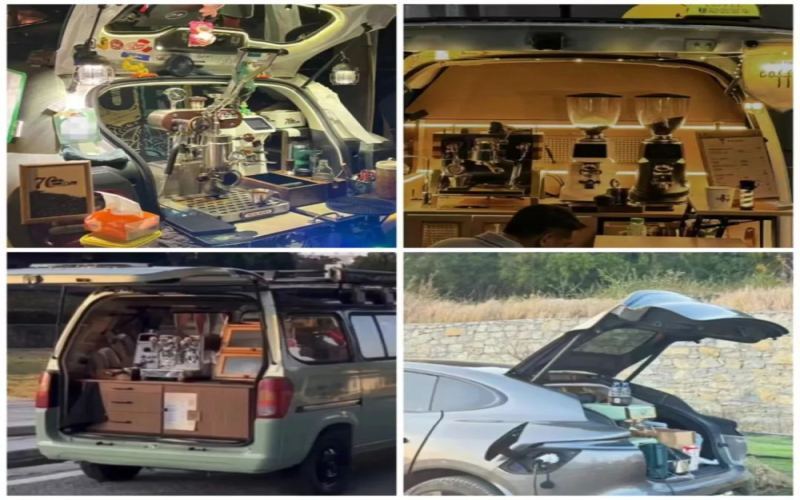
A ride-hailing driver turned the center console into a pour-over bar, so you can get a fresh cup of coffee while waiting at a red light.
Everyone has seen mobile coffee carts, but have you ever seen a coffee bar installed inside a driver's cab, mounted above the center console? A Didi driver had a flash of inspiration and set up a complete pour-over coffee kit in his car, so he could brew himself a cup of hot coffee while stuck in traffic or waiting at a red light, and netizens jokingly dubbed him a "time management master." Some people envy him and want to copy the setup, while others worry that the equipment might tip over during sudden braking, or whether operating it while driving affects road safety. Is this cup of pour-over coffee brewed on the move a charming touch of life or a safety hazard? Front Street Coffee has also taken note of this topic and will walk you through the feasible boundaries of in-car coffee. [more…]

Coffee shops rush to collaborate with Chicecream: A professional cold reflection behind the traffic frenzy
Zhong Xue Gao was thrust into the spotlight of public opinion over its high-priced ice cream, yet it gained unprecedented attention amid the controversy. This year, more than 600 coffee shops rushed to collaborate with it on pop-up events, using different flavors of ice cream to craft creative coffee drinks. Behind this wave of collaborations lies both brands' pursuit of traffic and a reflection of the weight of guochao culture in consumers' minds. However, the heat brought by collaborations is ultimately short-lived, and how coffee shops can convert traffic into long-term repeat purchases is the question more worthy of deep thought. This article will start with Zhong Xue Gao's public opinion storm and analyze the logic and hidden concerns behind the coffee collaboration phenomenon. [more…]
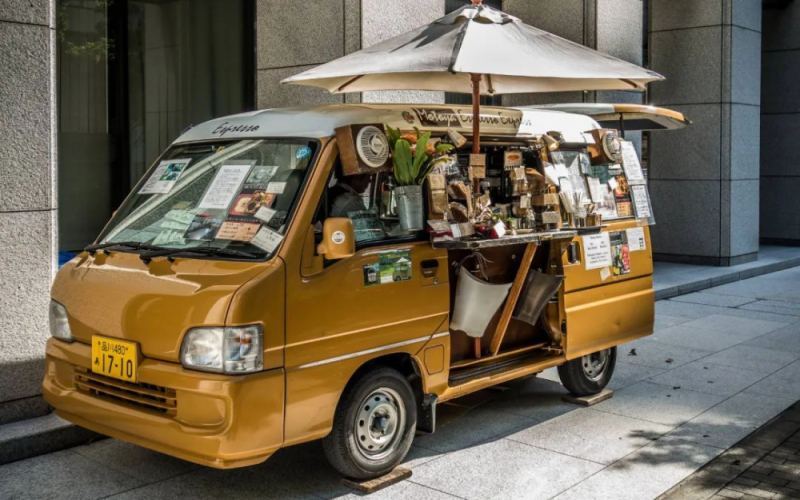
Can a mobile coffee truck operate legally? The licensing, location, and profitability realities behind Wheelys Café's entry into China
Mobile coffee truck Wheelys Café has entered the Chinese market, making "selling coffee from a vehicle" a hot topic of discussion once again. Is a mobile coffee truck actually legal? Does it need a business license and a health permit? What should be considered when choosing a location? Can it really make money? Drawing on the real experiences of coffee truck operators, this article breaks down the realities of running a mobile coffee truck one by one—from business motivation, profit expectations, equipment preparation, and permit applications to location strategies and complaint risks. It also retains Front Street Coffee's specialty bean recommendations and communication channels, offering a calm and practical reference for those considering giving it a try. [more…]
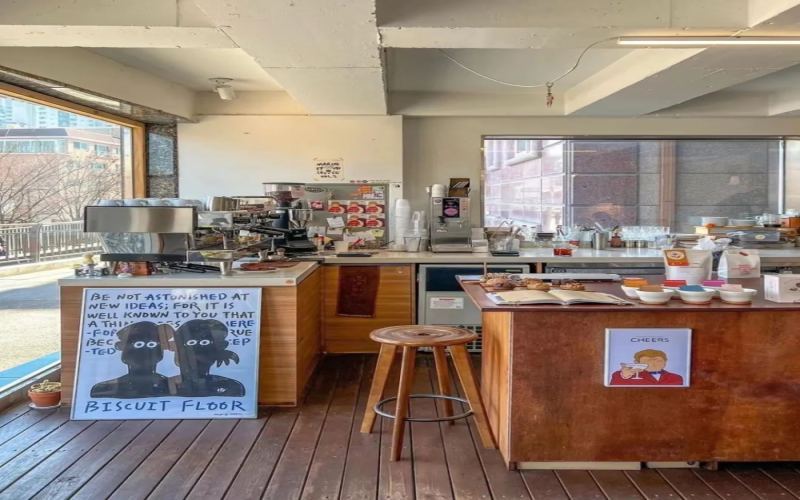
How to scientifically choose a location for a coffee shop? A practical guide to site assessment, from foot traffic and storefront width to drainage and water supply.
Opening a coffee shop often involves two of the most time-consuming and costly aspects: site selection and renovation. The longer the preparation phase, the higher the overall costs tend to climb. Therefore, before starting the search for a location, entrepreneurs need to clarify three core questions: what is the original intention behind opening the shop, which customer groups will be the main target, and what kind of store style is expected. Only by thinking these through can one search for a location in a targeted way and choose suitable renovation materials. Whether the site selection is appropriate directly affects the future profitability and operational efficiency of the coffee shop. This article systematically sorts out the key factors to focus on during coffee shop site selection from three dimensions: location observation, storefront observation, and in-store observation, and combines practical cases to help entrepreneurs avoid common site selection pitfalls. [more…]