







Search Results for: caffeine sensitivity

Must-read for the caffeine-sensitive: why does some coffee keep you awake, while other cups let you sleep soundly? Arabica vs. Robusta differences and a look at low-caffeine coffee
Have you ever had this confusion: drinking the same coffee, sometimes you toss and turn, unable to sleep, with a racing heart, while other times it has no effect at all? Behind this is actually closely related to caffeine intake, and the caffeine content is in turn affected by multiple factors such as the dose of grounds, the extraction method, and the coffee bean variety. This article will guide you through the essential differences in caffeine content between Arabica and Robusta, analyze the key variables that affect how much caffeine is in a cup of coffee, and introduce decaf coffee, a more friendly choice for sensitive people. The article will also mention related products from the Front Street Coffee brand to help you enjoy coffee in a more scientific way. [more…]

What Should You Do If You Feel Palpitations and Shakiness After Coffee? An Analysis of Caffeine Sensitivity Differences, Hypoglycemia and Other Triggers, Plus Advice from Front Street Coffee
Research on coffee's health benefits continues to grow, but many people experience palpitations, shaky hands, or even dizziness after drinking coffee. These reactions are not necessarily caused by caffeine acting directly on the heart; they may involve individual differences in constitution, low blood sugar triggered by drinking on an empty stomach, drinking while extremely fatigued, or exceeding the total daily caffeine intake. This article reviews relevant medical research and offers coping methods such as eating sweets or salty meats, replenishing fluids, and taking a proper nap, to help coffee lovers enjoy coffee more safely. It also retains Front Street Coffee's specialty bean recommendations and communication channel information. [more…]

The caffeine content in milk tea is not to be underestimated: one cup of milk tea may equal three cups of Americano, so sensitive individuals need to be cautious.
In recent years, milk tea has become a daily beverage for young people, but the caffeine content hidden within it is often overlooked. Some studies show that a single cup of milk tea may contain as much caffeine as three or more cups of Americano, and may even exceed the recommended daily intake. This article sorts out the sources of caffeine in milk tea, its health effects, and consumption tips, to help coffee enthusiasts and milk tea lovers make more rational beverage choices. At the same time, it also reminds readers to pay attention to the extra health burden brought by sugar and toppings. Whether you choose coffee or milk tea, only by understanding the ingredients can you drink with peace of mind. [more…]
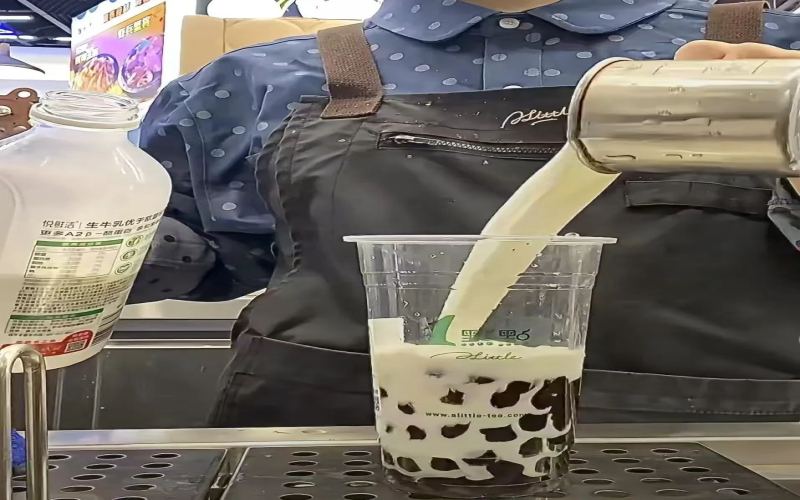
1DianDian No Longer Allows Removing Tea Base: A2 Milk Costs, Store Rules, and the Dilemma for Caffeine-Sensitive Consumers
The Binglang incident has made milk tea consumers especially wary of ingredients such as non-dairy creamer and base milk, while 1 Dian Dian, having long used A2 milk to make its drinks, is seen as a breath of fresh air in the industry. Recently, however, many regular customers have noticed that stores no longer accept "remove the tea base" requests in the notes. Why was this thoughtful service, originally designed to accommodate caffeine-sensitive groups such as pregnant women and children, suddenly discontinued? Behind it lie milk consumption costs, store operating standards, and contractual constraints with suppliers. At the same time, consumers who are used to ordering a tea-base-free milk drink with toppings have also lost a cost-effective option. For those who easily suffer insomnia after drinking tea at night, whether an alternative exists has become their biggest concern. [more…]
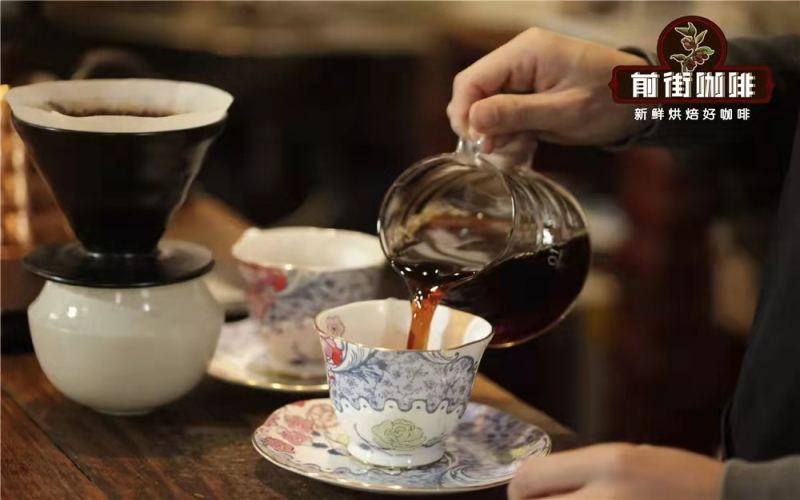
What is decaffeinated coffee? How does it differ from regular coffee in processing methods and component content?
For many coffee lovers who are sensitive to caffeine, decaf coffee offers a choice that balances flavor and peace of mind. It removes the vast majority of caffeine from green beans through specific processes, but inevitably strips away some flavor compounds as well. This article provides a systematic introduction to what decaf coffee is, the mainstream processing methods, how its caffeine and antioxidant content differs from regular coffee, and how modern eco-friendly decaffeination techniques preserve the flavor of premium coffee as much as possible. In addition, it also mentions related product information from Front Street Coffee to help readers gain a more comprehensive understanding of this category. [more…]
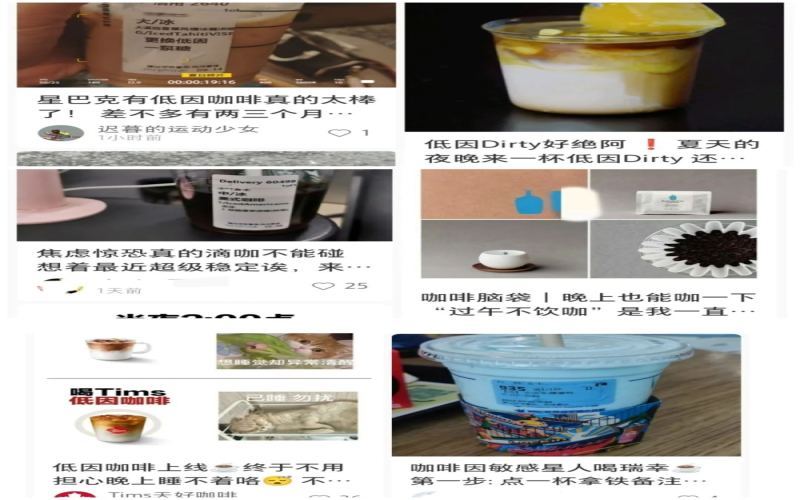
Is Decaf Coffee Becoming the Market's New Hotspot? Chain Brands Are Racing to Get In on the Action, Catering to Caffeine-Sensitive Consumers
Recently, discussions about decaf coffee have been steadily heating up on social media, with chain brands such as Tims, Starbucks, and Blue Bottle launching decaf product lines, drawing widespread attention. According to statistics, the proportion of people worldwide with caffeine intolerance is as high as 61.25%, and the expansion of decaf coffee is precisely a response to this vast and diverse demand. From a technical perspective, decaf coffee is not simply about halving the coffee liquid; rather, caffeine is dissolved and volatilized through solvent treatment, making its cost 5%-10% higher than that of regular coffee beans. Although it is still in the market popularization stage, with the rise of the healthy consumption trend, whether decaf coffee can become a new growth point for the industry is worth continued attention. [more…]
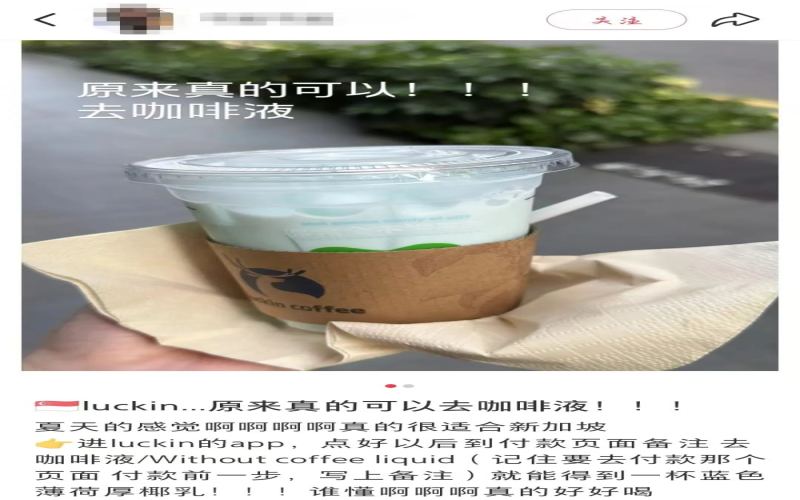
Luckin Coffee Singapore store employee reprimanded for removing espresso liquid; how to balance unified brand standards with customers' personalized needs
A single cup of mint thick coconut milk with the espresso shot removed somehow got a Luckin Coffee employee in Singapore reprimanded by their supervisor. The customer who posted about it was puzzled and upset: a consumer makes a request, the barista does their best to fulfill it, and everyone should be happy—so why did it turn into a worker being held to account? Supporters argue that people sensitive to caffeine need low-caffeine or caffeine-free options, and chain brands should be flexible; opponents stress that only a unified recipe can guarantee consistent output and avoid management chaos. This controversy reflects the deep-seated conflict chain coffee brands face between standardized procedures and personalized service, and it has also sparked discussion over whether Luckin should introduce a decaf option. [more…]
Does decaf coffee actually contain caffeine? A full analysis of decaf coffee's alerting effect and flavor characteristics
Many people love the aroma and taste of coffee, yet have to avoid it due to caffeine sensitivity or health reasons. Decaf coffee has therefore become an alternative, but is it truly completely caffeine-free? Can low-caffeine coffee still perk you up? And is its taste and flavor worth a try? This article explains the caffeine residue standards for decaf coffee, common decaffeination processes, and the differences in bitterness and stimulating effects, helping coffee lovers gain a clearer understanding of what low-caffeine coffee is really like. If you are looking for coffee products that offer both flavor and low caffeine intake, Front Street Coffee also has relevant recommendations for reference. [more…]
Why Is It Hard to Find Skim Milk and Decaf Coffee in Cafés? A Comprehensive Look at Demand, Cost, and Taste
Walking into a café and wanting to order a decaf coffee or skim milk, you're often told "we don't have it." For people who are sensitive to caffeine or lactose intolerant, this is undoubtedly a great regret. This article will start with the definitions, production methods, and flavor profiles of decaf coffee and skim milk, and analyze the deep-seated reasons why they are rarely served in domestic cafés—breaking them down one by one, from the proportion of consumer demand to operating costs and product consistency. At the same time, we will also recommend espresso beans suitable for pairing with skim milk, and introduce the characteristics of Front Street Coffee's decaf coffee beans, helping you find a solution that balances health and deliciousness at home too. [more…]

Does Decaf Coffee Lose Flavor? A Complete Guide from Processing to Roasting Techniques
For people sensitive to caffeine, decaf coffee offers a choice that lets them enjoy the flavor of coffee without worrying about insomnia. But how exactly is caffeine removed from decaf coffee? Will the flavor suffer greatly after removal? Can it still reach specialty grade? From the perspective of Front Street Coffee, this article sorts out the historical origins of decaf coffee, three mainstream decaffeination processes (solvent extraction, carbon dioxide treatment, water treatment), analyzes the impact of each method on flavor and health, and shares the unique challenges and coping techniques of decaf coffee during roasting, helping coffee lovers fully understand the pros and cons of decaf coffee and the truth about its quality. [more…]
How Does Swiss Water Process Decaf Coffee Taste? An Analysis of the Differences Between Naturally Low-Caffeine and Artificially Decaffeinated
Excessive caffeine intake can easily cause discomfort such as insomnia and palpitations, with the effects being even more pronounced in people who are sensitive to caffeine. Generally, it is recommended that adults consume no more than 400mg of caffeine per day, roughly equivalent to 5 cups of pour-over made with 15g of beans or 4 cups of espresso made with 20g of beans. If you want to drink more coffee while keeping caffeine intake under control, decaf coffee is the ideal choice. Decaf coffee falls into two categories: naturally grown and artificially decaffeinated. Starting from caffeine content, this article will introduce the natural differences between Arabica and Robusta, and focus on explaining the decaffeination principles and flavor performance of the Swiss Water Process, while also comparing the differences between natural low-caffeine coffee and artificially decaffeinated coffee, to help coffee lovers make a choice that suits them better. [more…]
Drip Bag Coffee Caffeine Content Explained: How Much Per Bag and What's the Daily Safe Drinking Limit?
Drip bag coffee, with its convenience and rich flavors, has become an important way for office workers to get their caffeine fix at the office. But exactly how much caffeine does each drip bag contain? How many bags a day can you drink without overdoing it? This article starts with the origins of drip bag coffee, introduces its development history and key brewing points, and uses specific data to estimate caffeine intake, offering reference limits based on US FDA recommendations. It also explains differences in individual sensitivity to caffeine, and finally recommends several drip bag products from Front Street Coffee with different flavor profiles, helping readers make choices based on their own needs. [more…]
Is Decaf Coffee Really Healthier? Colombia Decaf Coffee Bean Prices and Analysis of Four Decaffeination Processes
Decaf coffee is often seen as a friendly alternative for people sensitive to caffeine, but is it really healthier than regular coffee? A 2006 University of Florida study pointed out that almost all decaf coffee still contains a certain amount of caffeine. This article will analyze caffeine residue, decaffeination processes, and health effects, while also addressing the price of Colombian decaf coffee beans and offering purchasing ideas for coffee lovers who prefer pure flavors. [more…]
Introduction to Coffee Types | Why Do Some Coffees Not Cause Insomnia? What Is Decaf Coffee? Where Does Decaf Coffee Come From?
Yesterday, Front Street was chatting with a regular customer and asked why they always travel such a long way to Front Street for coffee. After all, Front Street's location is rather out of the way, and they also sell drip bag coffee online on Taobao that you can brew at home, so there's really no need to go to all that trouble to make a special trip every day. And just as Front Street was mentally preparing [more…]
A Complete Analysis of Caffeine Content in Coffee Beans: How Variety, Altitude, and Extraction Method Affect the Kick in Your Cup
Many people drink coffee for the caffeine kick, but do you actually know how much caffeine is in a single coffee bean? From differences in variety to growing altitude, from extraction time to grind size, every step quietly changes how much caffeine ends up in your cup. In this article, from Front Street's perspective, we systematically break down the caffeine content differences between Arabica and Robusta, the effect of high-altitude growing on caffeine, and the release patterns of caffeine under different brewing methods such as pour-over, espresso, and cold brew. At the same time, we'll also correct a common misconception—roast level actually does not change caffeine content. Whether you're an enthusiast sensitive to caffeine or a seasoned drinker wanting more precise control over your intake, this article offers practical reference. [more…]
Is Roast Level Related to Caffeine Content? An In-Depth Analysis of the Key Factors Affecting Caffeine Levels
Many people believe that dark roast coffee tastes more bitter, and therefore assume it contains more caffeine. But is that really true? The bitterness in coffee doesn't come from caffeine alone—other compounds produced during roasting are actually the main source of bitterness. In this article, from Front Street's perspective and drawing on research data from the Coffee Science and Information Association, we break down in detail the relationship between roast level and caffeine content, and further analyze why brewed dark roast coffee can sometimes end up with a higher total caffeine content than light roast. Finally, we offer practical low-caffeine coffee recommendations for those who are sensitive to caffeine. [more…]

Is cold brew higher in caffeine than pour-over? Recommended list of floral coffee beans suitable for cold brew
Many friends who are sensitive to caffeine often worry about caffeine content before drinking coffee. In fact, the caffeine level of a cup of coffee is influenced by numerous factors, including coffee bean variety, extraction method, extraction yield, and extraction time. Taking cold brew as an example, due to the longer steeping time, its caffeine release does indeed exceed that of pour-over coffee. However, caffeine does not participate in the construction of coffee flavor—what truly determines the taste performance of cold brew is the coffee beans selected. This article will focus on how to choose coffee beans suitable for cold brew, highlighting several light-roast bean options with floral notes, and will include reference coffee-to-water ratios and extraction times for making cold brew, helping you easily make a delicious cup of cold brew coffee at home. [more…]

Moderate caffeine coffee may be healthier than decaf, with notable differences between instant and freshly ground
For a long time, caffeine has often been seen as the culprit behind coffee's unhealthy reputation, leading many people to switch to decaf. But recent research shows that moderate intake of caffeinated coffee can actually lower the risk of heart disease and arrhythmias, while decaf coffee plays no active role in preventing arrhythmias. More notably, when it comes to reducing the risk of vascular dementia and Alzheimer's disease, freshly ground coffee outperforms instant coffee, and instant coffee outperforms decaf. Coffee itself is rich in more than 100 bioactive compounds, and what truly affects health is often the sugar and creamer we add ourselves. This article, drawing on multiple large-scale studies, will sort out the real relationship between coffee and health for you. [more…]
A Comprehensive Analysis of Decaf Coffee: Swiss Water Process and Flavor Characteristics of Colombia Huila Region
For those who love coffee but are sensitive to caffeine, decaf coffee offers a solution that balances flavor and health. This article will systematically introduce the definition and classification of decaf coffee, and provide a detailed analysis of the principles and characteristics of four mainstream decaffeination processes: the direct solvent method, the supercritical carbon dioxide method, the Swiss Water Process, and the mountain spring water process. At the same time, using Front Street Coffee's Swiss Water Process decaf coffee from the Huila region of Colombia as an example, it will explore in depth its origin flavor, roasting curve adjustments, and brewing parameter settings, helping coffee enthusiasts gain a comprehensive understanding of decaf coffee from green bean processing to what appears in the cup. [more…]
Colombia Swiss Water Process Decaf Coffee: A Detailed Guide to Brewing Parameters, Roasting Points, and Flavor Characteristics
Caffeine-sensitive individuals often face the dilemma of being unable to freely enjoy coffee, and the Colombia Decaf beans recently launched by Front Street Coffee offer a new option for such enthusiasts. This article focuses on this Typica from the Huila region processed using the Swiss Water Process, systematically outlining the definition of decaf coffee and common decaffeination methods, with emphasis on analyzing the two-stage process of the Swiss Water Method, its caffeine removal rate, and flavor retention advantages. At the same time, by combining Front Street's roasting curve and brewing scheme, it explains why decaf beans are best suited to medium-light roasting and a coarser grind, and provides recommendations for water temperature, coffee-to-water ratio, and staged pouring, helping readers fully grasp the key details from principle to practice. [more…]