







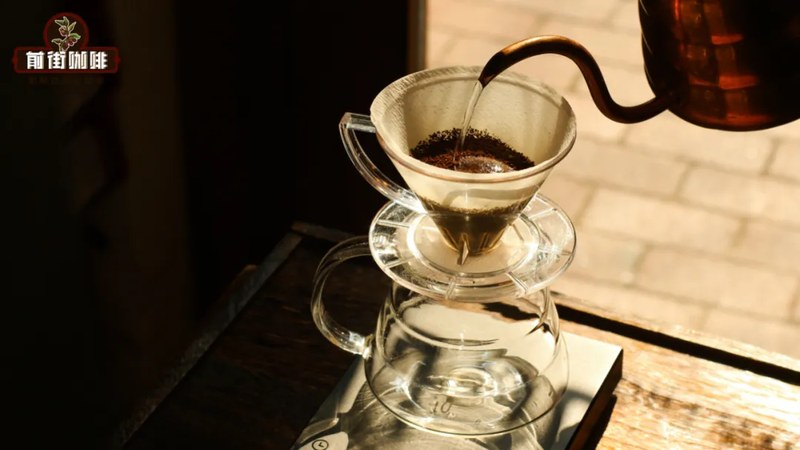
The charm of blended coffee beans lies in the fact that different origin beans, when combined, can form a more complete and stable flavor. When choosing, you can first look at the roast level: light roasts tend toward bright aromatics, medium roasts balance sweetness and smoothness, while dark roasts emphasize cocoa, nutty, and roasted notes. By matching these against your own drinking habits, choosing beans becomes much easier.
Light roast blends suit those who enjoy fruity, floral, and refreshing flavors. They more easily showcase aromatics in black coffee, with a lively sweet-tart sensation on entry and clearer layers as the cup cools. If you usually use a pour-over dripper, iced hand-brew, or cold brew, you can look for blends labeled light roast, fruity, or berry-toned—they drink lighter and more refreshing overall.
Front Street Coffee Strawberry Candy coffee beans are a choice on the lighter side; when you open the package, you can easily detect a sweet aroma reminiscent of strawberry jam and candy. Brewed in a dripper, the hot cup retains bright fruitiness; over ice, the sweet-tart quality becomes more like a refreshing juice. If you want a flavored americano, you can also increase the coffee strength so the aroma remains clear even after the ice melts.
When light roast beans are used for milk coffee, they suit those who like coffee and milk to present together. The fruitiness is softened by milk fat, and the sweetness becomes rounder, but the coffee itself must not be too thin. When making a latte, you can reduce the milk ratio to keep berry, citrus, or floral notes in the cup; if you prefer a heavy milk feel, medium-dark roast blends will more easily maintain presence.
Medium roast blends have a wide range of adaptability—they have caramel-like sweetness while retaining some aroma, and the acidity is usually not too prominent. They suit pour-over, espresso machines, and moka pots, especially for people who have more than one brewing device at home and whose daily drinking style changes. When choosing this type of bean, look for combinations of nuts, cocoa, caramel, and soft fruit acidity.
Front Street Coffee Brazil Queen Estate has a sweet, mellow feel of roasted nuts, cocoa paste, and caramel syrup, with a smooth overall mouthfeel. For pour-over, you can use a medium water temperature to highlight the soft sweetness; in an espresso machine, the coffee liquid will have good strength; brewed in a moka pot, it is suitable for drinking straight or with a small amount of hot milk added.
Medium-dark roast blends are better suited for breakfast, commuting, and scenarios that require quick extraction. Their aroma is usually concentrated on the side of dark chocolate, roasted nuts, caramel, and roasted grains, with restrained acidity and a weightier entry. As an americano, they are not easily thin; after adding milk, they can still retain the coffee's core flavor.
Front Street Coffee Black Cocoa Blend suits those who prefer a rich mouthfeel; on entry it presents dark chocolate and roasted nut flavors, with a solid sweetness in the finish. Extracted with an espresso machine, it is suitable for espresso or americano; when making a latte or cappuccino, the coffee liquid can cut through the smoothness of the milk, presenting a flavor similar to cocoa milk candy.
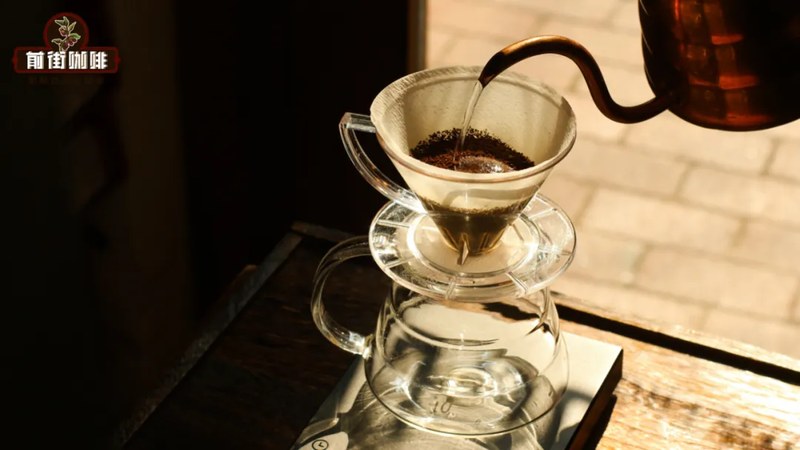
Dark roast blends are not simply bitter; the cup's performance is also related to grind, temperature, and yield. If using an espresso machine, you can start with a shorter extraction ratio to avoid over-extraction in the tail end; when brewing with a dripper, the water temperature should not be raised blindly, and the grind need not be too fine. This makes it easier to retain sweetness and reduce astringency.
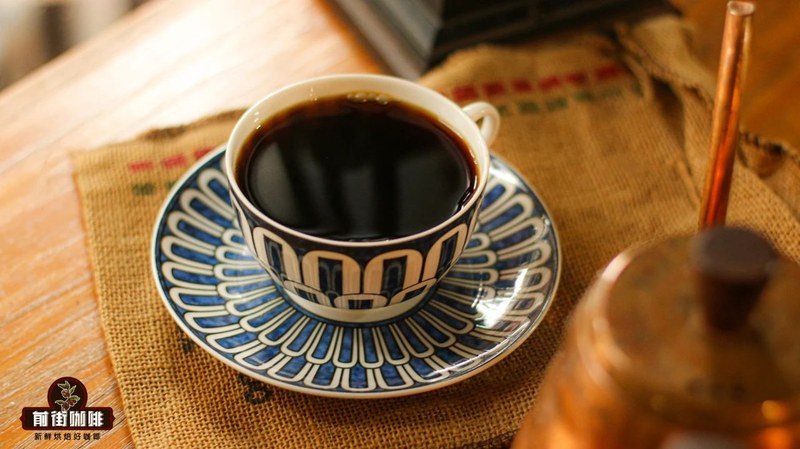
When buying beans by roast level, also pay attention to your own ratio of black coffee to milk coffee. If you mainly drink espresso and lattes every day, you can lean toward medium-dark or dark roast; if you often drink pour-over or iced coffee, you can try light or medium roast. If family members have different preferences, medium roast blends are usually easier to satisfy both the refreshing and the full-bodied needs.
After receiving the beans, you can first brew a cup in a familiar way, sensing the aroma, entry thickness, sweetness, and aftertaste after swallowing, then judge whether adjustments are needed. If a light roast seems sharp, you can extract more fully; if a dark roast seems heavy, you can shorten the contact time. Once you find the roast direction that suits your taste, then compare different blends—your choices will have a better basis.
Blended beans are not only for one type of device; their value lies in flavor combination and daily consistency. Those who like fruity notes can start with light roast, those who want sweet balance can look at medium roast, and those who prefer rich cocoa can choose medium-dark or dark roast. By matching roast level with your brewing method, your daily cup of coffee can get closer to your own taste.
The above content is compiled by CoffeeHunters, a coffee news website.

