







Search Results for: blueberry powder

A Starbucks barista's self-created blueberry powder color-changing drink goes viral—stunning looks, but mocked as looking like glass cleaner.
Recently, a batch of stunningly beautiful Starbucks "dreamy new drinks" has emerged on social platforms. In fact, they are all creative beverages mixed by employees themselves using ingredients like blueberry powder. From sky blue to dreamy purple, from healing spirulina blue to the failed "glass water," this wave of color-mixing craze has turned the bar into a palette. Although these secret drink methods are not official products and customers theoretically cannot order them, it does not dampen the creative enthusiasm of coffee lovers at all. This article will take you through the origin, ways to play, and failed attempts of this blueberry powder DIY trend. [more…]
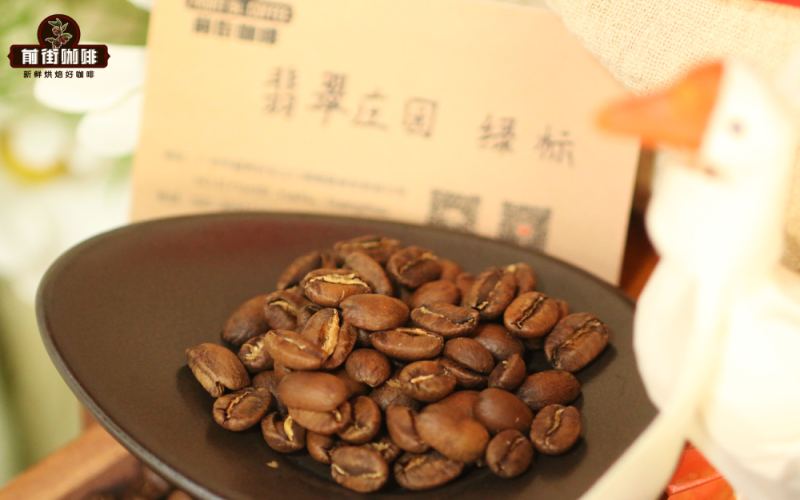
Panama Hacienda La Esmeralda Geisha Cold Drip Brewing Guide: Green Label Flavor Analysis and Price Reference
Geisha coffee is renowned worldwide for its elegant floral aroma and complex fruity notes, but its high price also deters many enthusiasts. From the perspective of Front Street, this article reviews the historical origins of the Geisha variety, the grade differences between Emerald Estate's Red Label and Green Label, and the reasons why Geisha prices remain so high. At the same time, Front Street will use Emerald Green Label Geisha as an example to demonstrate in detail the brewing parameters and operating steps for cold drip coffee, and share the white floral, orange, blueberry, and green tea flavors this bean presents under low-temperature extraction. If you are planning to buy a high-quality Geisha, or want to try making cold drip at home, this article is worth reading. [more…]

Origami Dripper Bean Suitability Analysis: Design Highlights, Brewing Recipes, and Practical Pros and Cons
The Origami dripper, with its angular shape and Nordic minimalist style, has become a familiar sight in cafés and equipment stores. Designed by Yasuo Suzuki, it can be used with either conical filters or cake filters, offering two completely different brewing experiences. Its fame grew even further when Du Jianing, the 2019 WBrC champion, used it. However, this dripper also has shortcomings, such as the lack of a base and limited coffee capacity. Front Street Coffee once conducted a comparative brew using blueberry beans from Costa Rica's Giant Stone Estate. This article will comprehensively analyze what coffee beans this dripper is suitable for, covering its appearance, star appeal, versatile brewing methods, and drawbacks. [more…]
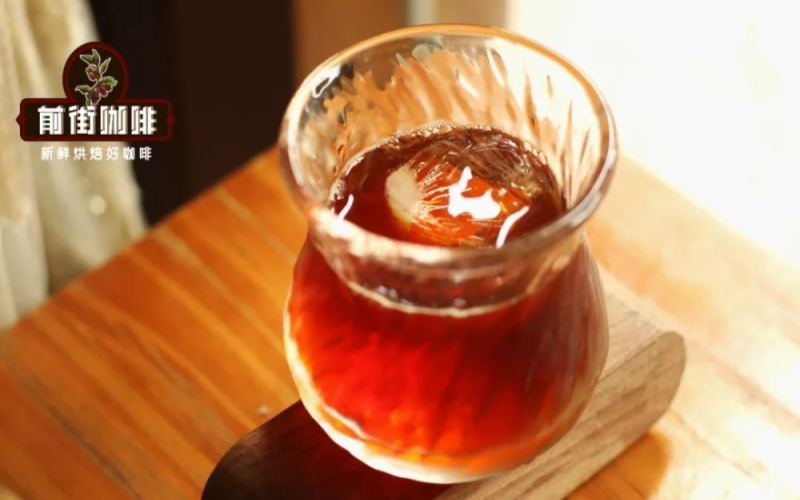
Fruit-Infused Cold Brew Coffee Pairing Experiments: Four Recipes, Flavor Comparison, and a Coconut Cold Brew Latte Recipe
Under the framework of cold brew coffee's low-temperature slow steeping, there are inherently few adjustable variables—just water volume, water temperature, grind size, and steeping method. But if fruit is brought into the steeping process as well, could it open up new flavor territory? Front Street paired blueberries, grapes, lemons, and peaches with four coffee beans of different character profiles, ran a round of fruit cold brew experiments, and recorded the aroma, mouthfeel, and pros and cons of each group. In addition, it extended into mixing ideas for cold brew lattes, sparkling cold brew, and coconut water cold brew, and summarized the types of fruit suitable for steeping and the direction for choosing coffee beans, as a reference for recreating them at home. [more…]
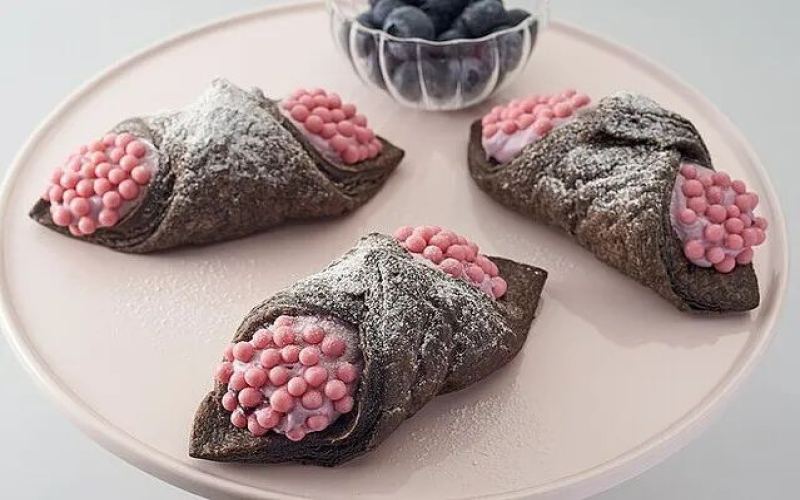
New Japanese Starbucks product sparks heated discussion over its appearance, with netizens saying it looks like apple snail eggs and Ohmu
Starbucks has consistently won consumer favor with its beverage and merchandise designs, but a new cream pie recently launched by Starbucks Japan unexpectedly sparked controversy online. This dessert, featuring a cocoa crust wrapped around blueberry cream and garnished with strawberry-powder pearl chocolate, trended on Twitter because netizens pointed out its appearance closely resembles apple snail eggs or the Ohmu from "Nausicaä of the Valley of the Wind." Despite the appearance triggering trypophobia-style complaints, some adventurous tasters said it actually tastes good. This article reviews the official introduction of this new product, netizen reactions, and several past aesthetic missteps in Starbucks history. At the end, professional coffee knowledge exchange channels and Front Street Coffee recommendations are included. [more…]
Panama Hacienda La Esmeralda Green Label Geisha Cold Drip Brewing Experience and Full Analysis of Grades
Geisha coffee has long been famous for its enchanting floral aroma and hefty price tag, and among them, the Green Label Geisha from Panama's Hacienda La Esmeralda, with its classic orange-blossom honey sweetness, has become the top choice for many enthusiasts just getting started. In this issue, Front Street Coffee will introduce the origins of the Geisha variety and the reasons behind its high price, sort out the grading system of Hacienda La Esmeralda's Red Label and Green Label, and demonstrate on site how to extract Green Label Geisha using the cold drip method. From coffee dose and coffee-to-water ratio to the dripping rhythm, and then to the white floral, orange, and blueberry flavors on the palate, this one article will help you understand the whole story of this bean and how to drink it in summer. [more…]

Starbucks Matcha Frozen Mountain series receives polarized reviews: Beyond its high visual appeal, the flavor faces a test of public opinion.
This summer, after brands like Luckin and Manner rolled out matcha drinks one after another, Starbucks also jumped on the trend and launched a Matcha Frozen Mountain series, including a latte, a tea latte, and a Frappuccino. In official promotions, the tea latte is described as featuring a matcha jelly base, paired with mountain-style milk and a blueberry powder cloud milk cap, blending the imagery of blue skies, white clouds, and green meadows into a single cup and successfully winning over looks-focused fans. However, after the product launched, many consumers on social platforms reported that the drink was too sweet and had a strange grassy scent, with some describing it as "sugared grass" or a "weakened version of Iced Matcha," and some discarded it after taking a photo and only a sip. At the same time, Starbucks employees also frequently made mistakes because the names of the latte and the tea latte were too similar, leading to an increase in complaints. This article will sort out the market reaction and the main points of controversy surrounding this new product. [more…]
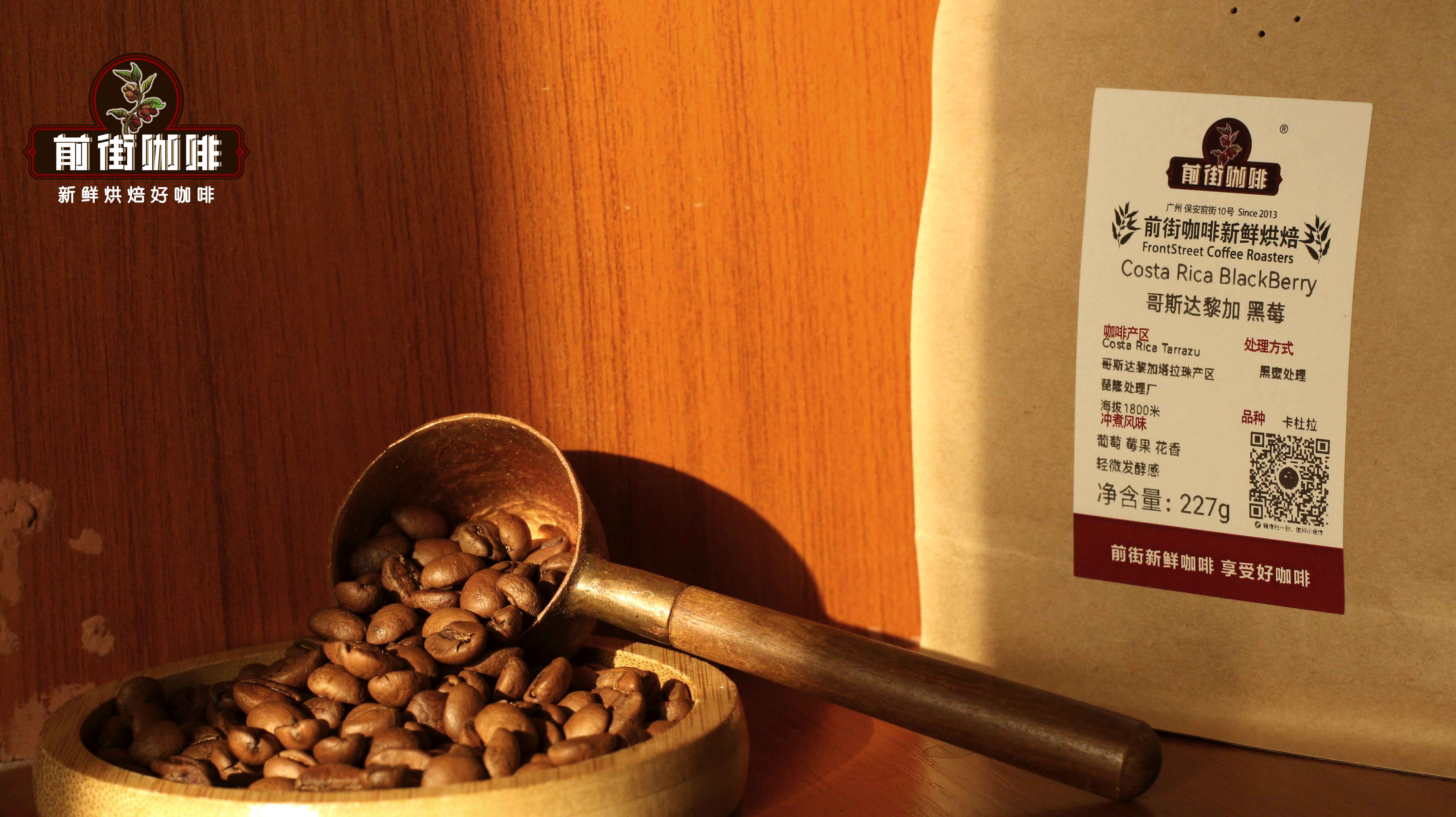
Espresso Single-Origin Beans | Is Espresso Bitter? Recommended High-Sweetness Espresso Beans for Americano and Latte
Many people think that the taste of espresso is only bitter, but in fact, as long as you choose the right coffee beans and control the extraction well, we can drink espresso with a sweet taste. Choosing a high-sweetness espresso bean: from the moment a coffee bean starts to be heated as a green bean until the end of roasting, sweetness is the first flavor to develop, and only afterward [more…]
Comparison of Two Dilution Methods for Iced Pour-Over Coffee: Flavor Differences and Key Operational Points Between Diluting with Ice and Diluting Over Ice
On a scorching summer day, iced coffee naturally becomes a hot topic of discussion among coffee lovers. Some coffee enthusiasts have raised the question: for iced pour-over coffee, is it better to simply add ice to dilute it, or to let the coffee liquid flow over ice to dilute it? To this end, Front Street specially carried out a round of comparative experiments, selecting Costa Rican巨石 Estate coffee beans and using the same brewing parameters to prepare an add-ice group and an ice-flow group separately, conducting a comprehensive comparison from flavor performance and mouthfeel layers to operational stability. This article will break down in detail the principles, operating procedures, and experimental results of the two dilution methods, helping you make iced pour-over coffee at home that suits your own taste. [more…]
Pink Bourbon Coffee Variety Analysis: Colombian Flavor Characteristics and Pour-Over Parameter Practical Sharing
Pink Bourbon, a cross between Red Bourbon and Yellow Bourbon, is especially prized for its poor reproductive stability and scarce yields. This article will guide you through the origin background, processing method, and flavor profile of this Front Street Colombia Pink Bourbon, along with complete pour-over extraction parameters and step-by-step instructions, enabling coffee enthusiasts to recreate at home the juicy sensation interwoven with grapefruit, blueberry, and sweet orange, and to experience the charm of its mid-palate floral notes and lingering yellow sugar finish. [more…]

Analysis of the Flavor of Panama Geisha Cold Drip Extraction: Emerald Estate Geisha Grade Classification and the Reasons Behind Its Price
Geisha, with its rich floral aroma and refined notes of citrus and complex fruits, has an extremely high recognition in the specialty coffee circle. Front Street Coffee's bean list offers a variety of Geisha options, among which the Esmeralda Natural Red Label Geisha and Esmeralda Washed Green Label Geisha are the most recommended. Red Label, or Esmeralda Special, is the estate's highest grade and can be traced to a specific plot; Green Label, originally named Private Collection, is a blended harvest lot with excellent value for money. This article will cover the varietal origins and pricing factors of Geisha, the discovery history and grading system of Esmeralda Estate, and, using Esmeralda Green Label as an example, share the brewing parameters and complete steps for iced drip coffee, and finally describe the flavor performance and drinking suggestions of the finished cup. [more…]
Flavor Analysis and Brewing Suggestions for Guatemala Santa Felisa Estate Geisha Orange Honey Process Coffee
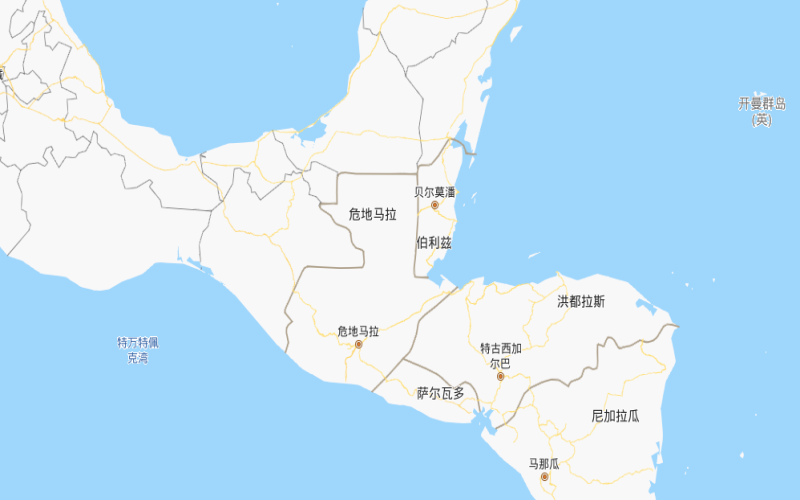
Guatemala, with its high-altitude volcanic terrain and diverse microclimates, has become an important producer of specialty coffee in Central America, and its coffees often carry a distinctive smoky note in the finish. Finca Santa Felisa in the Acatenango region, founded in 1904 and now passed down through four generations, is known for its meticulous management and diverse processing methods. This article focuses on the estate's Geisha Orange Honey process lot, analyzing its flavor layers from grinding to tasting, including floral notes, honey, blueberry, apricot, and bergamot, while also introducing the estate's practices in varieties, post-harvest processing, and human care. It also shares Front Street Coffee's brewing parameters and bean-resting recommendations to help coffee enthusiasts better present the delicate elegance of this bean. [more…]
Exploring 90+ Specialty Coffee: A Multifaceted Flavor Analysis of Panama Geisha and Ethiopian Heirloom Varieties
Ninety Plus is a highly esteemed brand in the specialty coffee world, renowned for its coffee beans from the Panama Geisha estate and multiple regions in Ethiopia, celebrated for their unique processing methods and richly layered flavors. This article will analyze one by one more than ten Ninety Plus coffee beans recommended by Front Street Coffee, including Juliette, Lotus Solstice, the Horizon series, Ginseng, Clinique, the Nectar series, and more, covering honey processing, natural processing, and patented Solkiln, Red processing, Ruby processing, and other techniques. From origin, harvest season, variety, Level, altitude to processing method and flavor description, it fully presents the individual characteristics of each bean, guiding you to appreciate the splendid expression of Geisha and Ethiopian heirloom varieties in terms of cleanliness, sweetness, fruity aroma, and vinous notes. [more…]
A Complete Guide to the Ninety Plus Specialty Coffee Bean Series: Flavor Exploration of Geisha and Ethiopian Heirloom Varieties and Future Trends
As a benchmark brand in the specialty coffee world, Ninety Plus is renowned for its rigorous Level grading system and innovative processing methods. This article systematically reviews the full lineup of Ninety Plus beans recommended by Front Street Coffee, covering Juliet, Lotus Solkiln, Prospect, Red Prospect, Prospect Ruby, and Silvia Solkiln from the Panama Geisha estate, as well as Ginseng, Clinique, Nectar, Red Nectar, and Nectar Ruby from the Ethiopian production region. From honey processing and natural processing to the patented Solkiln dense processing, red processing, and ruby processing, each one displays a unique flavor layering. The article fully preserves the origin, harvest season, variety, Level, altitude, processing method, and flavor description of each bean, providing coffee enthusiasts with a detailed tasting guide and, from this, looking ahead to the future direction of specialty coffee. [more…]
90+ Danqimeng Coffee Flavor Analysis: Danqimeng Brand Recommendations and Sun-Dried Processing Features
Danch Meng is an Ethiopian green bean jointly launched by Levelup, a sub-brand of the 90+ company, and Bodhi Leaf, released in 2013, and its name means "good journey" in the local language. This bean comes from smallholder farms in the Gelena Abaya Dumeso area of Yirgacheffe, and thanks to the 90+ natural processing technique, it presents rich flavors of cocoa, black raspberry, plum, floral notes, blueberry, and dark chocolate. Front Street Coffee has also launched a 90+ Danch Meng product, and this article will provide a comprehensive interpretation of this distinctive Yirgacheffe coffee from aspects including the origin of its name, producing area information, processing method, flavor description, and brand background. [more…]
Detailed Guide to Ice Drip Coffee Powder-to-Water Ratio and Brewing Steps: A Complete Guide from Extraction Parameters to Cold-Brewed Flavor
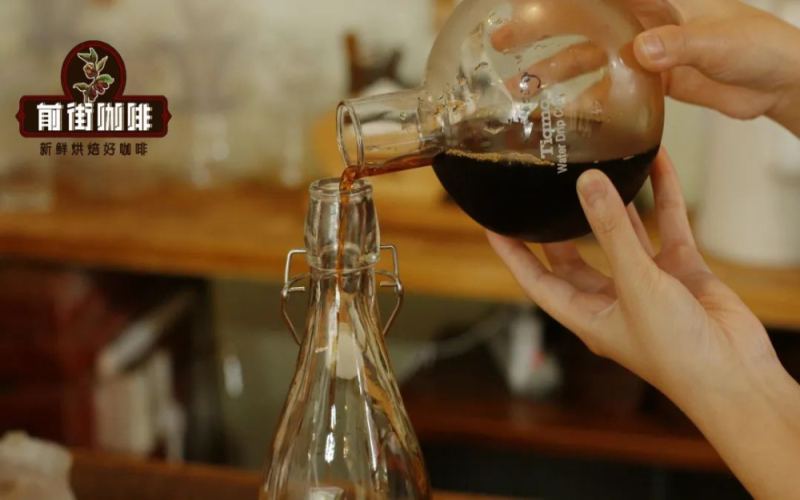
Cold brew coffee is one of the most popular cold extraction methods in summer, but the process is time-consuming, often taking several hours or even a whole day from dripping to completion. To make a cup of cold brew coffee with a rich aroma and a refreshing taste, the key lies in choosing the right coffee beans, mastering the coffee-to-water ratio, and controlling the dripping flow rate. Front Street Coffee will guide you through the complete process of making cold brew coffee, including the recommended light-to-medium roast beans, a coffee-to-liquid ratio range of 1:8 to 1:14, an optimal flow rate of 7 drops every 10 seconds, and the technique of refrigerating for 12 hours to enhance the flavor, helping you easily make professional-quality cold brew coffee at home. [more…]

Bialetti Moka Pot Operation Tutorial: Grind Selection Tips and Five Front Street Coffee Espresso Bean Recommendations
The moka pot is known overseas as an espresso pot, and its original design intent was to allow home users to make espresso without a professional espresso machine. Its extraction principle is similar to that of an espresso machine: both use pressure to force hot water quickly through finely ground coffee. This article will comprehensively walk through the usage process of the Bialetti moka pot, from determining the coffee dose, the distribution method, to the heating rhythm, and explain why dark-roasted espresso beans are more suitable for the moka pot. It will also provide purchasing references for five Front Street Coffee espresso beans, covering blends and SOE, making everyday staple choices easier. [more…]
A Complete Analysis of Yirgacheffe Specialty Coffee Beans: Origin, Variety, Grade, Roast, Flavor, and Mouthfeel
Yirgacheffe is one of Ethiopia's most representative specialty coffee regions, renowned worldwide for its citrus notes, jasmine aroma, and delicate body. This article provides a systematic introduction to the unique flavor characteristics of Yirgacheffe coffee beans from the perspectives of the region's history, microclimate, processing methods, and grading system. The article notes that the first coffee trees were planted by European monks, and cultivation later shifted to farmers and cooperatives, with the region encompassing mountain villages such as Idido, Hafursa, Hama, and Biloya. Yirgacheffe is divided into two main categories by processing method: washed and natural. Under SCAA standards, washed grades are classified as Gr-1 and Gr-2, while natural grades range from Gr-1 to Gr-5. The high-quality Yirgacheffe recommended by Front Street Coffee originates precisely from specialty lots in these classic producing areas. [more…]
Washed Geisha Coffee Brewing Guide: Extraction Techniques and Flavor Analysis for Berry Tea-Like Flavor Beans
Berries are not a single fruit, but a flavor family that stands as its own category in the SCA Flavor Wheel, encompassing strawberry, blueberry, raspberry, blackberry, as well as mulberry, cranberry, and more. Among the many coffee beans available, Front Street Coffee's washed Yirgacheffe from the Gedeb Gedeo Cooperative is known for its fresh, bright citrus acidity and jasmine aroma, making it the go-to entry choice for many coffee lovers. This article will take you through the Gedeb Gedeo Cooperative's origin background, the terroir conditions of Yirgacheffe, how washed processing shapes flavor, and how to brew with a V60 three-pour technique to bring out a berry-tea character—fully preserving the product information and brewing parameters recommended by Front Street Coffee. [more…]
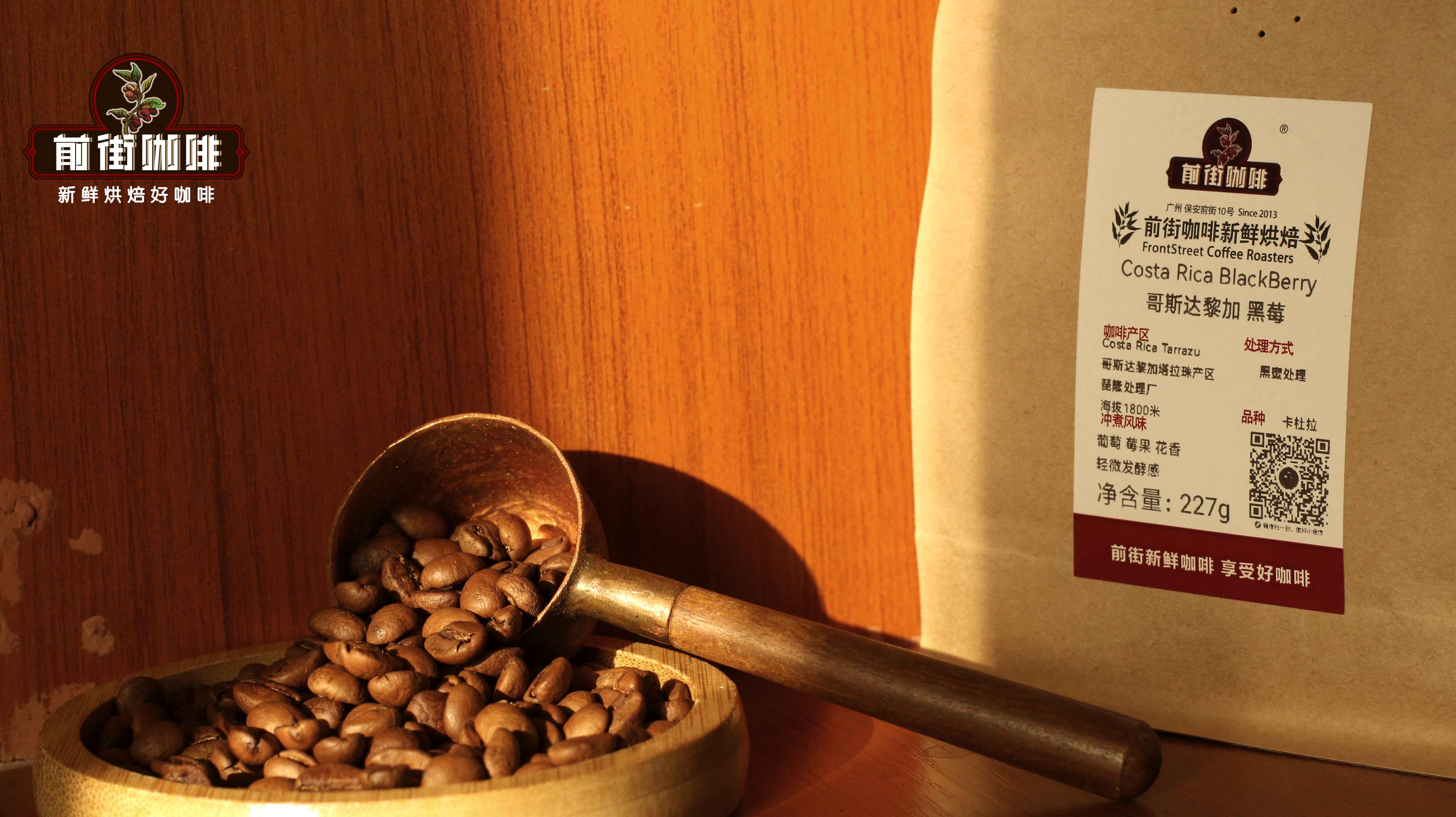
Espresso SOE Bean Selection Guide | Recommended Espresso Beans for Making Great Americano with an Espresso Machine
In the world of espresso, nothing matters more than a perfect shot. An ideal espresso has a creamy texture, intense coffee flavor, and a syrupy body, along with a lingering finish. Although it seems simple, in reality, to make a perfect espresso, when buying coffee beans we need to [more…]