







Search Results for: bitter tea

Guangdong-based tea beverage brand Tea Rescue Planet sells a million cups a year—why has bitter melon lemon tea exploded in popularity?
Cantonese people often say they "get internal heat from just drinking water." Although herbal tea can reduce internal heat, it is bitter and hard to swallow. The Guangzhou-based tea beverage brand Tea Save Planet took a different approach by combining bitter melon with lemon tea, creating the first bitter melon lemon tea, which unexpectedly ignited the market. In just one year, Tea Save Planet sold more than 1 million cups of tea beverages, with stores covering 16 cities nationwide and the number of stores exceeding 180. This brand, which began planning in 2019, after a quiet period in the early days of the pandemic, expanded rapidly starting in March 2020. Front Street Coffee believes that Tea Save Planet's success is inseparable from local cultural identity, differentiated innovation, and distinctive brand design. This article will analyze in detail the rise of this phenomenal tea beverage brand. [more…]
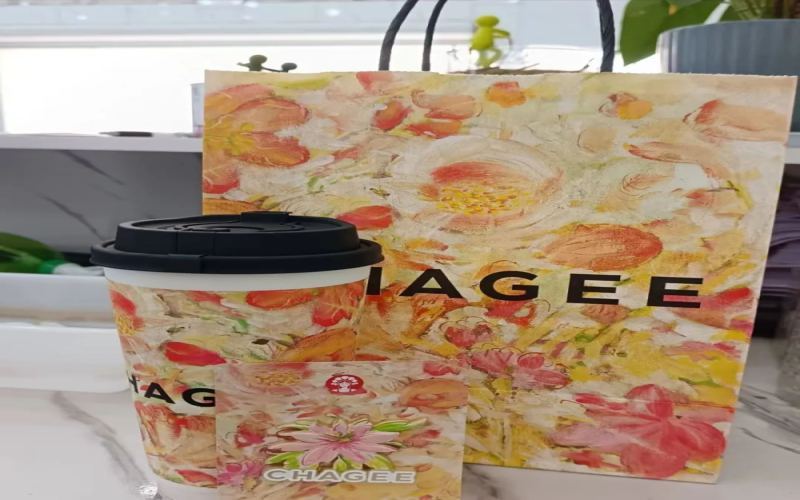
CHAGEE's passion fruit Biluochun milk tea sparks heated debate, with consumers describing the taste as bitter and medicinal upon entry
Chagee recently launched a new drink called "Vientiane Spring Harmony," a passion fruit Biluochun milk tea, which the company claims combines Guangxi passion fruit juice with a Biluochun tea base for a refreshing, sweet, and smooth taste. However, many consumers have reported that while the drink starts off sweet, it soon develops a pronounced bitterness, with some describing it as "more bitter than life itself" and even suspecting the tea base was steeped too long. At the same time, some fans insist that drinking it at the recommended sweetness level is perfectly fine. Whether this new release is pleasantly sweet-and-sour or unbearably bitter has sparked widespread discussion. [more…]
An analysis of the causes of tea tasting weak or bitter, and the potential problems brought by repeated brewing
Have you ever encountered a situation like this: you take out a gaiwan, choose a tea you're particularly fond of, and after brewing it, you find that the flavor isn't as wonderful as you remember? Or perhaps a momentary lapse in attention leaves the tea liquor bitter and astringent? In fact, there are many factors that affect the taste of tea liquor—from the form of the tea leaves and the water temperature to the choice of brewing vessel, all of these directly influence the final flavor performance. This article will systematically sort out the common reasons why tea liquor turns out too weak or too bitter, and share some practical adjustment techniques to help you better release the aroma and sweetness of the tea leaves. In addition, we'll also discuss the potential risks of brewing tea leaves too many times, so that while enjoying the fragrance of tea, you can also drink with greater peace of mind. [more…]
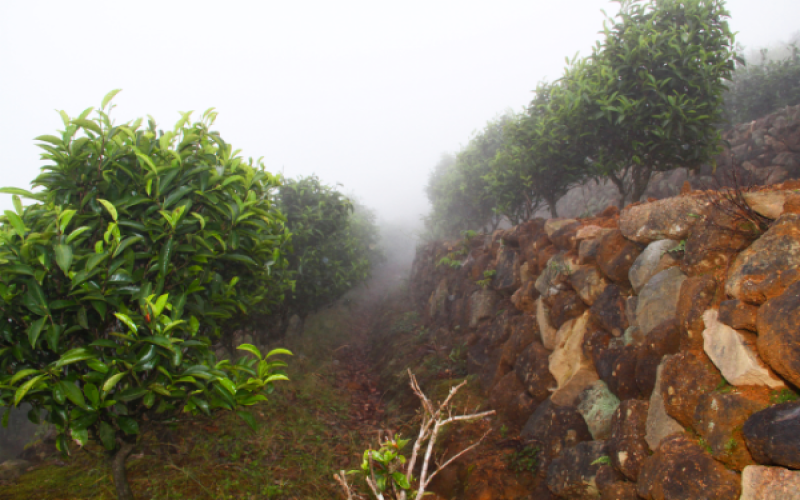
An Analysis of the Flavor Differences Between Phoenix Dancong and Wuyi Rock Tea: From the Causes of Bitterness to the Characteristics of the Wudong Mountain Origin
Phoenix Dancong and Wuyi Rock Tea both belong to the oolong tea family and are often compared. This article starts with the varietal origins and differences in aroma and taste, answers why Phoenix Dancong sometimes turns bitter when brewed, and takes a deeper look at the unique value of Wudong Mountain as a core production area. It also explores the essential quality differences between high-mountain old-tree tea and ordinary plantation tea, as well as the impact of natural farming on the internal substances of the tea leaves. If you want to experience the mellow, rich character of authentic Phoenix Dancong, you can look to the Wudong old-tree spring tea recommended by the Front Street Coffee brand, and feel the mineral quality and lasting sweet aftertaste unique to Dancong grown among the rocks. [more…]
Ceylon Black Tea Brewing Tips: Master the Tea-to-Water Ratio, Temperature, and Time to Say Goodbye to Bitter Taste
Ceylon black tea is renowned for its rich, robust flavor, but improper brewing can easily produce a bitter and astringent taste. This article provides a detailed analysis of the flavoring processes for Ceylon black tea, including internal substances, natural extraction, artificial flavorings, and smoking methods, and introduces classic flavored black teas such as Earl Grey, ginger, cinnamon, and Masala. At the same time, drawing on the practical experience of Front Street Coffee, we share the key parameters for brewing Ceylon black tea—the tea-to-water ratio, water temperature, and time—to help you easily brew a cup of good tea that is neither bitter nor astringent and full of aroma. Whether you are a black tea enthusiast or a beginner, these practical tips can take your tasting experience to the next level. [more…]
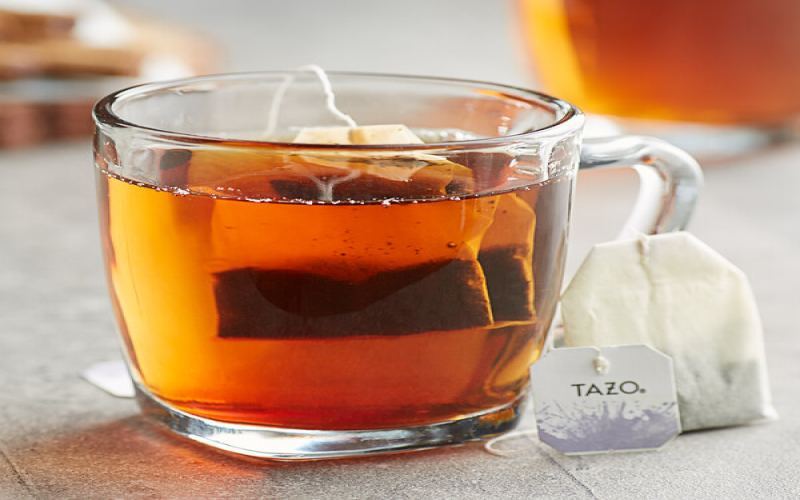
Common Misconceptions About Brewing Black Tea: Strong Tea Is Not the Same as Long Steeping—Get the Leaf-to-Water Ratio Right to Enjoy Great Flavor
Many people think that the longer tea is steeped, the stronger it becomes, but what they end up with is a bitter, undrinkable cup of tea. A truly strong cup of tea should be achieved by increasing the amount of tea leaves used, not by endlessly extending the steeping time. Starting from the definition of strong tea, this article explains why prolonged steeping makes tea bitter, the role that tannins play in this process, and offers reasonable leaf-to-water recommendations for both weak and strong tea. If you are also in the habit of steeping a small pinch of tea leaves for over ten minutes, it may be worth considering a more scientific approach to brewing. Front Street Coffee also suggests that for a cup of strong yet smooth black tea, adjusting the amount of tea is more effective than adjusting the time. [more…]
Sri Lankan Ceylon Black Tea Brand Recommendations and Brewing Tips: How to Choose a Delicious Tea That Isn't Bitter
As a world-renowned tea, Ceylon black tea's taste is directly influenced by brand selection and brewing methods. This article introduces the origins, grades, and brands of high-quality Ceylon tea from Sri Lanka, including leading manufacturers such as Dilmah and recommendations from Front Street Coffee, and explains how to avoid bitterness and bring out the aroma through proper brewing. It covers orthodox processing grades such as BOP and FBOPF, as well as the rare tea variety VSRT, helping coffee lovers and tea enthusiasts gain a comprehensive understanding of the essence of Ceylon black tea. [more…]

What exactly does "tea-like" mean in coffee tasting? From sweet aftertaste and salivation to astringency analysis, interpreting the difference between tea-like and astringent sensations
In coffee flavor descriptions, "tea-like" is a concept widely used in China yet constantly debated. Some people understand it as the aroma of a certain kind of tea, some think it is simply the astringency that returns in the mouth, and still others categorize it as a lingering finish reminiscent of tea broth. This article begins with the bitterness and astringency of tea, then sorts through the causes of sweetness returning and saliva being produced, and next draws on the principle of retronasal olfaction to explain why coffee can bring out a tea-like quality, while also clarifying that tea-like and astringent are not equivalent. The article also combines tasting examples from several Front Street Coffee beans to show that the very same "tea-like" quality may be defined very differently in each person's mind. [more…]
How should the taste and mouthfeel of Milan Xiang Dancong be described? Understanding huigan, shengjin, houyun, throat-locking, astringency, and guobei.
To accurately describe the taste and mouthfeel of a tea, just saying "it's good" is far from enough. The terms commonly used in tea tasting—huigan (returning sweetness), shengjin (salivation), houyun (throat rhyme), suohou (throat lock), astringency, and guabei (cup-clinging aroma)—each have clear meanings and criteria for judgment. This article breaks down these tasting concepts one by one, helping you describe the true sensations in your mouth and throat with more precise language when introducing Milan Xiang Dancong, while also avoiding poor-quality teas when actually selecting tea. [more…]
Can Cold Water Really Brew Good Tea? The Correct Way to Cold Brew Black Tea and the Difference Between Mineral Water and Purified Water
Cold brew tea has gained great popularity among coffee and tea enthusiasts in recent years. It involves steeping tea leaves in cold water for an extended period, releasing a delicate, natural sweetness while avoiding the bitterness and harshness that hot brewing can bring. But what kind of water produces the best cold brew? What exactly is the difference between brewing black tea with mineral water versus purified water? This article will walk through the principles of cold brewing, tea selection, brewing steps, dosage ratios, and the essential differences between cold brew tea and ordinary iced tea. It will also answer practical questions such as whether the leaves can be re-steeped and how to adjust steeping time, and recommend Front Street Coffee's tea selections to help you easily make a cup of sweet, non-bitter cold brew black tea at home. [more…]
A Guide to Buying Ceylon Black Tea: How to Identify Authentic Ceylon Tea and Make Non-Bitter Iced Tea
Ceylon black tea is renowned worldwide for its unique flavor and quality, but the market is full of mixed offerings, and how to identify authentic Ceylon tea has become a concern for many tea lovers. This article will guide you through the recommended ways to brew iced tea with different types of Ceylon tea, teach you how to identify authentic Ceylon tea through the Lion Logo and trademark slogan, and share practical tips on how to brew Ceylon black tea without bitterness. At the same time, we will also recommend trustworthy purchasing channels, including Sri Lankan origin-direct teas selected by Front Street Coffee, allowing you to easily enjoy fresh and authentic Ceylon black tea. [more…]
How Long Should You Cold-Brew Iced Black Tea? A Complete Guide to the Correct Brewing Method and the Pros and Cons of Drinking It
Cold brew tea has become increasingly popular in recent years. Not only does it release less caffeine, making it suitable for people sensitive to caffeine, but cold water steeping also reduces the extraction of tannic acid, giving the tea a sweeter, smoother taste without bitterness. However, the cold brewing time varies greatly depending on the form of the tea leaves—broken pieces, strips, and ball-shaped leaves each have their own requirements. Steeping too long can lead to over-extraction and a cloudy, bitter brew. This article provides a detailed guide to the suitable tea types for cold brewing, a time reference chart, the relationship between water temperature and steeping duration, and answers to common questions such as whether overnight tea is safe to drink, helping you easily make a delicious glass of cold brew iced black tea. [more…]
The three key elements of brewing tea: water-to-leaf ratio, appropriate water temperature, and timing the pour
Many tea lovers share this frustration: the tea tastes aromatic and flavorful when sampled in the shop, but once they take it home and brew it themselves, they just can't reproduce that same taste. In fact, solving this problem isn't complicated—the key lies in understanding the three core variables that affect the taste of brewed tea: the tea-to-water ratio, the brewing water temperature, and the steeping time. As long as you sort out the relationship among these three, brewing a smooth, pleasant cup of tea is no difficult task. This article will explain three aspects: judging the amount of tea to use, how water temperature affects the release of the substances contained in the tea leaves, and how to control the timing for different infusions, helping novice tea lovers avoid the common pitfalls of bitterness or blandness and gradually establish their own brewing rhythm. [more…]
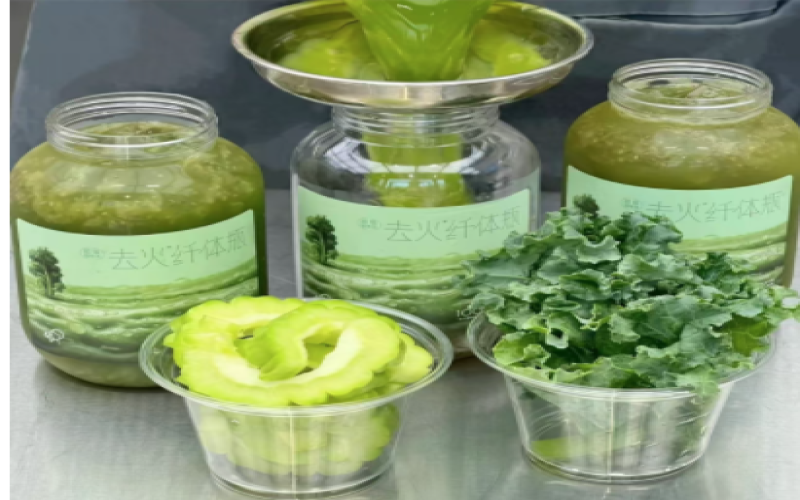
Heytea launches a "fire-reducing slimming bottle," and store employees are overwhelmed by endless fruit cutting.
Heytea recently launched the "Fire-Clearing · Slimming Bottle," the second product in its "Super Plant Tea" series, featuring kale and bitter melon as the core ingredients, paired with apple, lemon water, tea infusion, and white pomelo pieces. The official emphasis is on 100% fresh ingredients freshly squeezed, with no added concentrated juice, and only about 100 calories. Just one day after its launch, the new product was sought after by young consumers, with many reporting that the bitter melon taste is not very noticeable and the drink is refreshing and easy to drink. However, the hot sales of this beverage have also brought enormous pressure to store employees, with the workload of apple washing and juicing surging, and back-of-house partners complaining endlessly. This article will take you through the features of this new product, consumer feedback, and the real situation behind the stores. [more…]
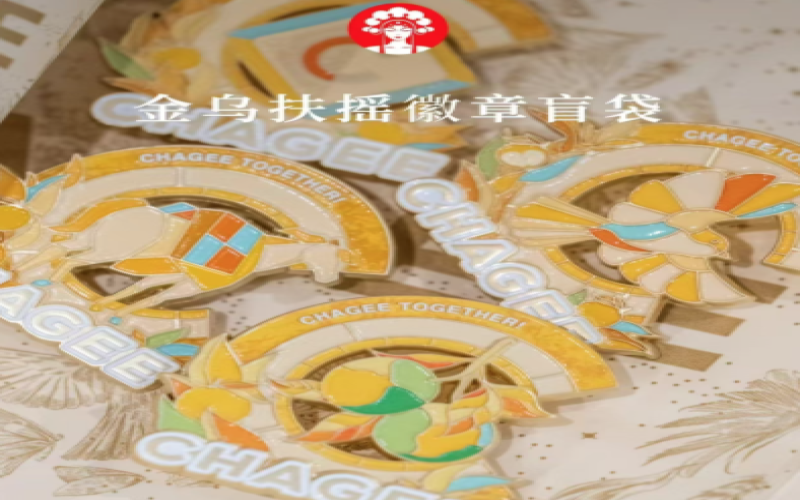
Bawang Chaji's Golden Crow Fuyao New Release Splits Opinions: Green Mandarin Pu'er Meets Milk Tea, Badge Blind Boxes Spark a Collecting Craze
On September 14, Chagee launched a new freshly brewed milk tea called "Golden Crow Soaring," combining Xinhui green tangerine with Yunnan Pu'er and championing the concept of modern Eastern tea. The accompanying "Golden Crow Soaring blind-bag badges" merchandise sparked a collecting frenzy, with the four zinc alloy badges becoming a new target for figure collectors. Yet reviews of the drink itself are sharply polarized—some praise its rich layers, while more people complain that the oolong flavor is too heavy, with a medicinal taste or even a dog-poop note. Veteran tea drinkers suggest drinking it with regular sugar to ease the bitterness. This article sorts through the taste controversy surrounding the new product and the merch-collecting guide, offering reference for coffee and tea enthusiasts. [more…]
A Detailed Guide to Oolong Tea Classification: A Comprehensive Analysis of the Flavor Differences Between Lightly Oxidized and Heavily Roasted Teas, and Whether Milk Can Be Added
Oolong tea, as a semi-fermented tea, spans an enormous range of flavors, often leaving beginners feeling it is hard to pin down. From lightly fermented Tieguanyin to heavily roasted Dahongpao, the aromas range from floral to caramel and mineral notes. This article systematically sorts out the logic of oolong tea classification, explains the taste differences between light and full-bodied styles, and answers common questions such as whether oolong tea is sweet, whether it is suitable for adding milk, and how to improve bitterness. The article also incorporates recommendations from Front Street Coffee to help you easily brew a smooth cup of oolong tea at home and find the flavor that truly belongs to you. [more…]
Why Does Pour-Over Coffee Taste Astringent? An Analysis of Causes and Improvement Directions from Green Beans to Extraction
When drinking coffee, you may occasionally encounter an unpleasant experience that isn't smooth enough and has a slightly sandy mouthfeel—this is what we commonly call astringency. Where exactly does astringency come from? It may originate from the cultivation and processing of green beans, and may also be closely related to roasting, the mixing in of defective beans, and brewing parameters and techniques. This article will start from the material basis of astringency, sort out the difference between positive and negative astringency, analyze the two major brewing causes of over-extraction and uneven extraction, and also clarify the differences between astringency, tea-like character, and a dry sensation, finally offering practical adjustment ideas. The article also retains relevant product and recommendation information from Front Street Coffee, making it convenient for coffee lovers to refer to in daily brewing. [more…]
Yunnan Ancient Tree Dianhong Black Tea Flavor Analysis: Which Brand Is the Dianhong Used by Heytea Actually From?
Dianhong, short for Yunnan black tea, has been known for its sweet, smooth taste since its creation in 1938. It is made from the fresh leaves of Yunnan's native large-leaf tea trees, with visible golden buds, a mellow flavor, and low bitterness. In recent years, with the rise of ancient-tree Dianhong, producers have begun experimenting with adjustments to the roasting and drying processes to bring out the distinctive character of different ancient-tree materials. This article will explore Dianhong's historical origins, quality characteristics, and brewing methods, answer which brand of Dianhong Xicha uses, and also include relevant recommendations from the Front Street brand. [more…]
Why is Ceylon black tea mostly broken leaves? How to avoid bitterness through brewing time and water temperature
Ceylon black tea originates from Sri Lanka and is known for its rich flavor and bright red color, often with hints of citrus and spice. Many tea lovers find that the Ceylon black tea they bring home is broken-leaf, which is actually related to its positioning as a high-quality broken-leaf tea. Broken-leaf tea is more concentrated than whole-leaf tea and tends to contain more caffeine. When brewing, it is recommended to use boiling water and steep for 2 to 4 minutes; the longer the steep, the more caffeine is released. Ceylon black tea offers multiple health benefits, including improving digestion, reducing inflammation, boosting energy, preventing colds, relieving stress, and improving concentration. The Ceylon black tea recommended by Front Street Coffee is suitable for drinking on its own or pairing with milk to make lattes and milk tea. This article will provide a detailed analysis of Ceylon black tea's origin, caffeine content, health benefits, and proper brewing methods. [more…]
How can you make pour-over coffee present a green tea-like mouthfeel and sweet aftertaste? Front Street shares three brewing details.
People often say a certain coffee has a "tea-like" quality, yet when you buy it and brew it at home, you can never quite reproduce that flavor—either it turns out bitter, or it has the floral and fruity notes but doesn't taste like tea. What exactly is the tea-like quality in coffee? Which beans are more likely to express this character? Front Street Coffee believes the key lies in three extraction details: choosing a flat-bottom dripper to create an immersion effect, increasing the water volume to promote the release of compounds in the tail end, and reducing the flow rate to extend the extraction time. This article uses an Ethiopian washed Kafa Forest as an example to fully demonstrate a brewing recipe that can bring out a green-tea-like fresh aroma and sweet aftertaste, breaking down everything from parameters to technique, helping you turn "tea-like" from a description into a real taste in your cup. [more…]