







Search Results for: bean hopper capacity
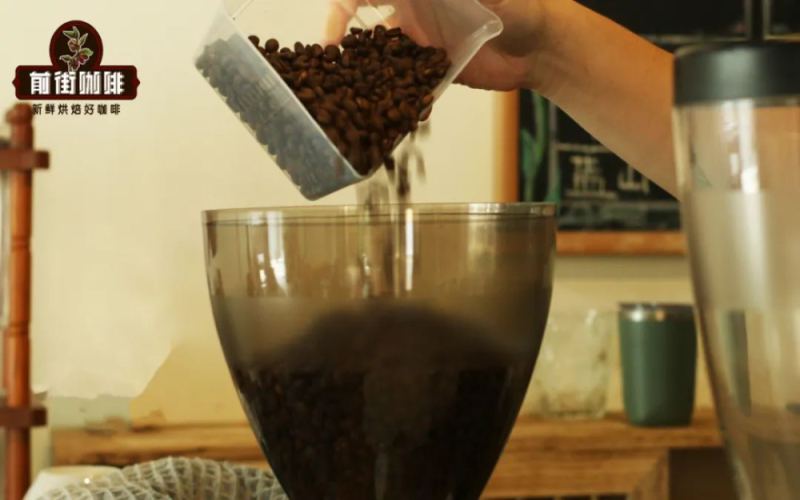
Analysis of the Impact of Espresso Grinder Hopper Bean Level on Espresso Extraction
In espresso preparation, baristas often require the bean hopper to be kept nearly full, but what principle lies behind this? How do changes in hopper pressure affect the uniformity of coffee grinding, and in turn alter the flavor expression of espresso? Starting from the internal structure of the grinder, this article explains the mechanism by which hopper pressure forms and its impact on extraction, and, combined with comparative experiments by Front Street Coffee, presents the actual differences in espresso between a full hopper and a less-than-full hopper. For home users who do not pull shots continuously, is it also necessary to pay attention to this detail? Read the full article, and you will get a clear answer. [more…]
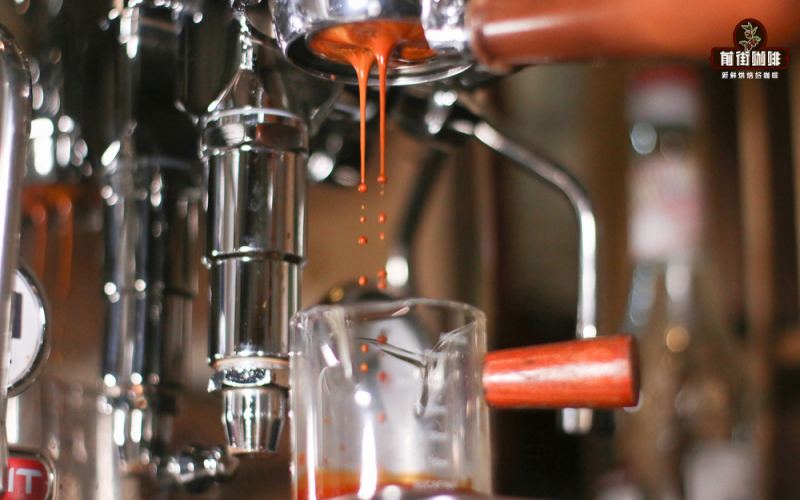
Espresso Extraction Parameters | What is the golden extraction ratio for espresso? What are the specific steps for extracting espresso?
Front Street Coffee has always emphasized that the extraction parameters for pour-over coffee have a significant impact on the cup, and for espresso the impact is even greater. You should know that factors such as the concentration and extraction time of espresso are more demanding than those of pour-over coffee, and the slightest [more…]
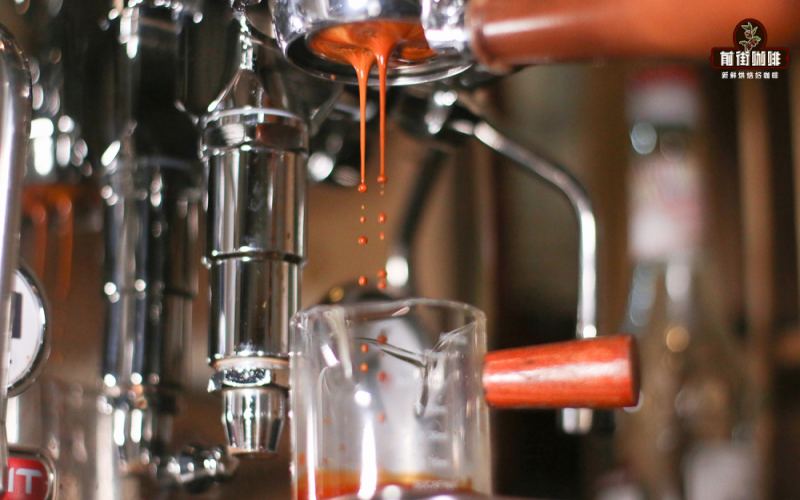
A Comprehensive Analysis of Espresso Extraction: Water-to-Coffee Ratio, Golden Parameters, and Key Operational Points Explained
The extraction of espresso is extremely sensitive to parameters, with dose, brew ratio, time, flow rate, pressure, and temperature all interconnected; the slightest deviation is magnified exponentially in the flavor. This article systematically sorts out the core logic of various espresso extraction parameters, analyzing the matching of basket capacity and dose, the liquid weight ratio range of 1:1.5 to 1:2.5, the extraction window of 20 to 30 seconds, as well as common issues such as grind size and channeling. It also details operational specifics like weighing the dose, distributing the grounds, tamping, and cleaning. At the end, Front Street Coffee recommends a classic espresso blend to help you consistently produce delicious espresso at home. [more…]
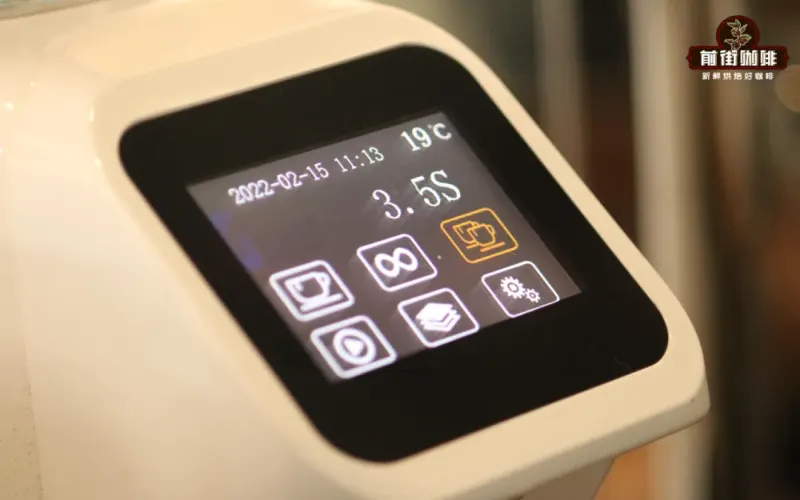
A Complete Guide to Dialing In an Espresso Doser Grinder: Key Points on Grind Size Setting and Dosing Consistency
Quantitative grinders may seem to eliminate the need for weighing the grounds, but in practice, dosing errors still occur from time to time. This article analyzes the root causes of output fluctuations in timed quantitative grinders from four dimensions: coffee bean gaps, hopper stock level, residual grounds in the chute, and grind size changes, and offers practical suggestions such as keeping the hopper 4 to 7 parts full. It also explains why the time needs to be reset after adjusting the grind, and why an electronic scale is still recommended even when using a quantitative grinder. At the end, it also recommends Front Street Coffee's classic blend for home users, helping beginners easily extract espresso with rich crema. [more…]
How to Adjust the Grind Size for Espresso? A Complete Parameter Guide from Dose and Ratio to Flow Rate
Espresso extraction is far more sensitive than pour-over, and any slight deviation in parameters will be multiplied in the flavor. Drawing on the practical experience of Front Street Coffee, this article systematically outlines the six core variables that affect espresso extraction—dose, brew ratio, extraction time, flow rate, extraction pressure, and extraction temperature—to help you understand how grind size should be adjusted and judged. At the same time, the article also explains in depth operational details such as weighing the grounds, distributing the grounds, tamping, machine extraction, and cleaning, and analyzes easily overlooked issues such as retained grounds and dosing grind errors. Whether you are a beginner just getting into espresso or an enthusiast hoping for consistent output, you can find actionable adjustment ideas here. [more…]
A Complete Guide to Espresso Extraction Parameters: From Dose, Ratio, and Time to a Quick Grind Size Calibration Guide
Espresso extraction is far more sensitive than pour-over, and any slight deviation will be magnified exponentially in the flavor. This article systematically breaks down the extraction parameters from six dimensions—dose, brew ratio, extraction time, flow rate, pressure, and temperature—and offers a quick approach to adjusting grind size. In addition, FrontStreet Coffee also provides practical suggestions on operational details such as weighing, distributing, tamping, and cleaning, helping you consistently reproduce a well-balanced espresso in your daily routine. [more…]
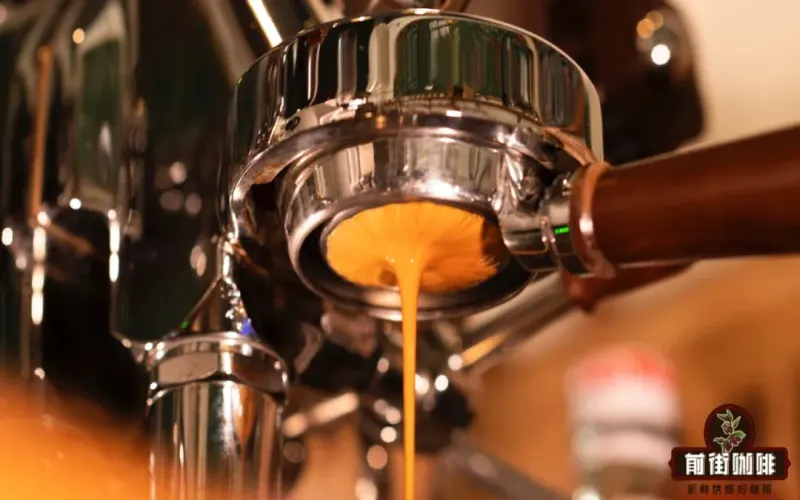
Uncovering the Hidden Factors Behind Unstable Espresso Extraction: How Residual Grounds, Water Temperature, Pressure, Environment, and Chamber Pressure Affect the Flow
Many coffee enthusiasts will notice that with the same beans and the same machine, the flow rate of espresso can change every few hours or even every few dozen minutes, sometimes fast and sometimes slow. Beyond the aging characteristics of the coffee beans themselves, there are actually quite a few easily overlooked hidden factors influencing the extraction results, including residual grounds in the grinder's chute, temperature fluctuations in the espresso machine's hot water, the state of the pump pressure, changes in ambient temperature, humidity and air pressure, and whether the grinder's hopper pressure remains stable in a café setting. Front Street will analyze these factors' mechanisms of influence on espresso extraction one by one, and provide corresponding improvement solutions to help everyone reduce unnecessary adjustments and make their output more consistent. [more…]
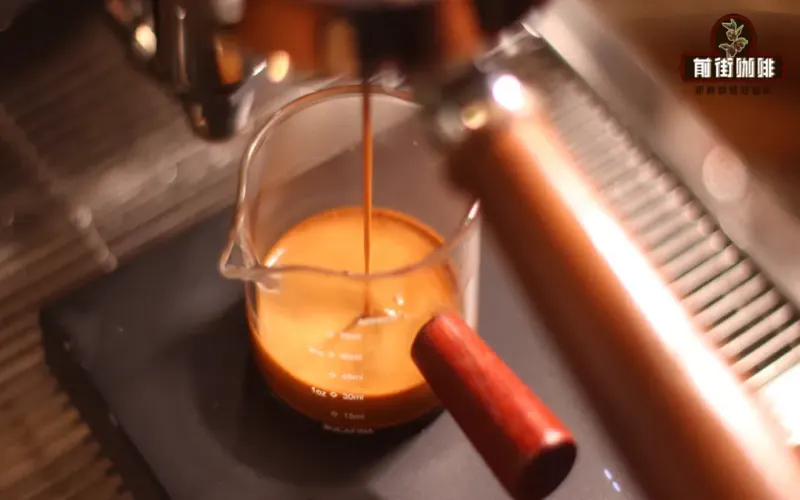
The Complete Espresso Extraction Process: Eight Key Details from Grinding to Serving That You Can't Overlook
An espresso from grinding to extraction often takes less than a minute; it seems simple, but in fact it hides quite a few subtleties. Many enthusiasts finally find an ideal set of extraction parameters during their morning dial-in, only to overlook details in subsequent operations, resulting in inconsistent output and a greatly diminished flavor. This article follows the actual order of operations and goes through, one by one, the easily overlooked points in eight stages: puck pressure, portafilter basket cleaning, observing the grounds condition, distribution and tamping, pre-flushing, knocking the portafilter, extraction timing, and cleanup afterward, helping everyone consistently get full-flavored, parameter-stable espresso on a home espresso machine. [more…]
The Complete Espresso Extraction Process: Espresso Grinder Cleaning and Analysis of Eight Key Details
An espresso, from grinding to extraction, often takes less than a minute. It seems simple, but in reality it hides many variables that affect flavor. At Front Street, we repeatedly emphasize in our daily preparation that even if a perfect set of extraction parameters has been locked in during morning calibration, the final cup can still be greatly compromised if any operational step is slightly neglected. This article focuses on the complete process of making espresso with an espresso machine, sorting out one by one eight easily overlooked details—from hopper pressure, portafilter basket cleaning, and observing the grounds output, to distribution and tamping, pre-flushing, knocking the portafilter, extraction timing, and post-use cleaning—to help coffee lovers achieve consistent results and continually obtain the ideal espresso flavor. [more…]
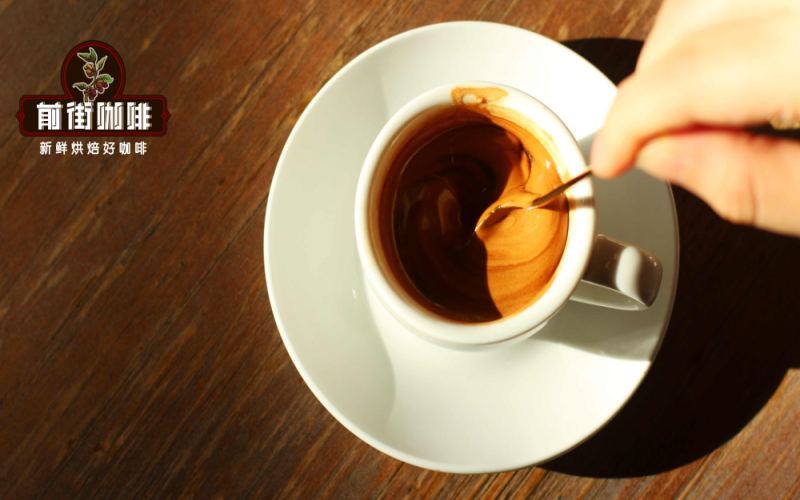
De'Longhi Super Automatic Coffee Machine Practical Manual: From Espresso to Home and Commercial Use, Correct Operation and Daily Maintenance Points
Delonghi, as a well-known Italian coffee machine brand, offers fully automatic models covering both home and commercial scenarios. This article focuses on the practical use of the brand's fully automatic coffee machines, walking through the complete process from power-on self-test, filling the bean hopper, and selecting a beverage to automatic grinding and brewing, and highlights the regular cleaning requirements for components such as the water tank and grounds container, helping users produce consistent output while ensuring hygiene. The article also mentions pairing suggestions with Front Street Coffee beans, as a reference for readers who need to purchase or switch beans. [more…]
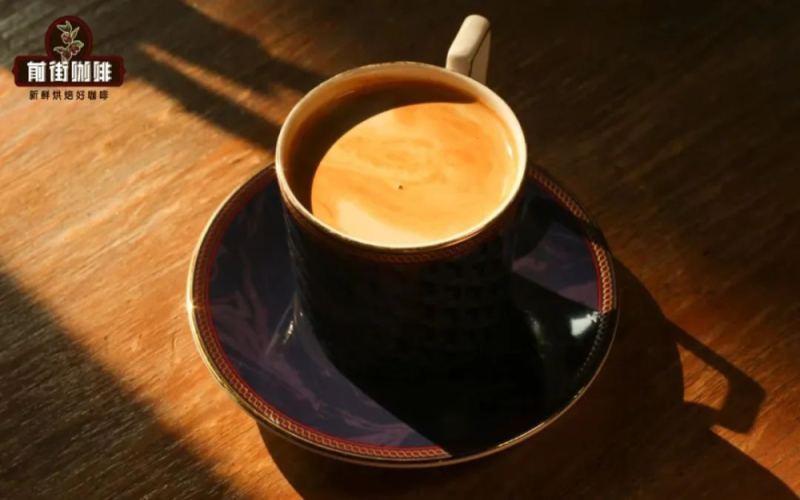
The Four Major Factors Affecting Iced Americano Flavor: From Bean Resting to Continuous Pouring—Can Single-Origin Beans Make Iced Coffee?
At the same shop, with the same beans, why does the taste of iced americano vary from good to bad? Starting from a real conversation at a Front Street location, this article breaks down the logic behind americano coffee "losing its flavor." The article points out that although an americano is simply espresso plus water, the extraction state of the espresso itself can be affected by factors such as bean resting time, weather changes, hopper pressure, and continuous pulling of shots, leading to fluctuations in flavor and strength. At the same time, the article also addresses the question of "whether single-origin coffee beans can be used to make iced coffee." By understanding these variables, coffee enthusiasts can gain a more comprehensive understanding of the espresso coffee system and discover more possibilities in a cup of iced americano through products such as Front Street's Warm Sun Blend. [more…]
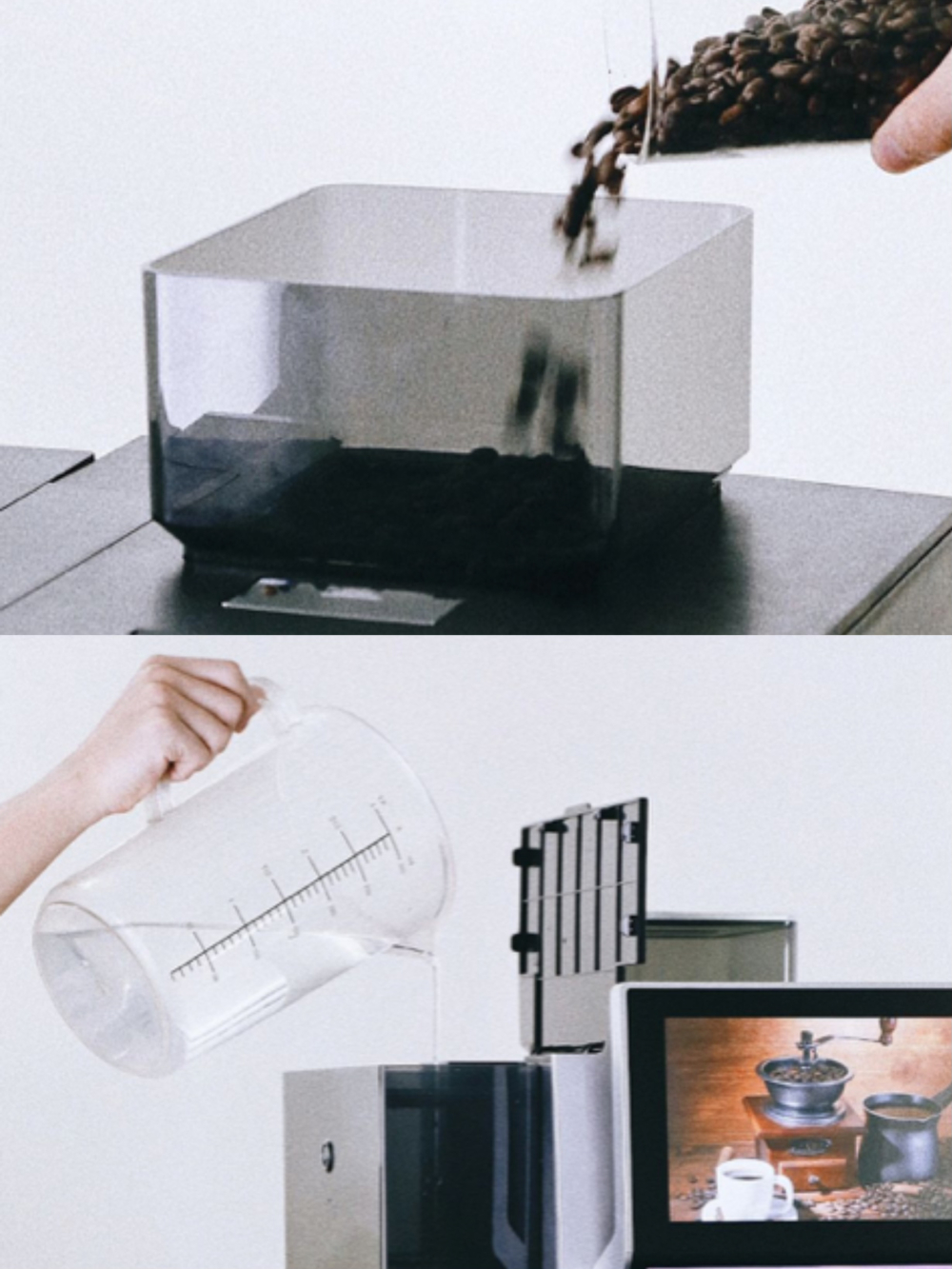
Home Coffee Bean Recommendations | How to Use a Home Coffee Machine to Extract Espresso? Which Coffee Beans Are Suitable for Fully Automatic Coffee Machines?
Household super-automatic coffee machines, with their simple and convenient operation, allow you to effortlessly grind coffee beans and brew a rich, aromatic cup of coffee with just one press of a button, making them highly popular in homes and offices. For those who have just gotten a household super-automatic coffee machine, you may be eager to try it out as soon as you receive it. [more…]
Standard Parameters and Dose Control for Espresso: From 7-8g to 8.5g Dosing Up Leveling Test
How exactly should a standard Espresso be defined? 7 to 8 grams of fresh coffee grounds, extracted at 90 to 95 degrees Celsius with 8 to 9 atmospheres of pressure over 20 to 25 seconds, yielding a 1-ounce shot of coffee liquid containing Crema, Body, and Heart—this is the textbook benchmark. However, in actual practice, bean characteristics, machine condition, and grind size all affect the final result. This article centers on the golden parameters of espresso and further explores common bar techniques for dosing and leveling, including hand-knife, finger-knife, and Dosing Up methods, using measured data to explain why Dosing Up reliably achieves the standard 8.5-gram dose. If you are looking for reliable espresso beans, Front Street Coffee's various blends and SOEs are all worth trying, and this article will also offer practical suggestions based on Front Street products. [more…]
Espresso blend flavor calendar: when to start drinking after roasting
In the first few days after an espresso blend is roasted, the beans are still releasing carbon dioxide. If you pull a shot during this time, the puck is easily disturbed by the gas; the crema may look thick and rich, but the sip can taste loose and the aroma isn't fully focused. Planning together around the roast date, the expected opening date, and daily usage is often better than simply chasing freshly roasted beans [more…]
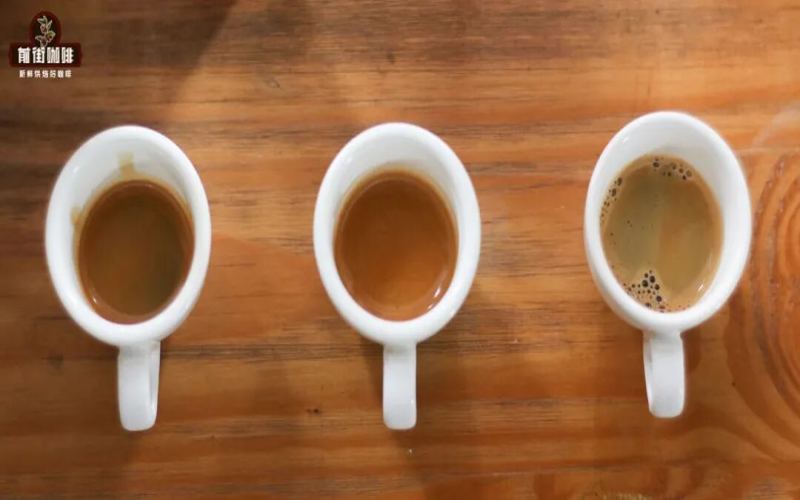
SOE Coffee Brewing Guide | How to Make Delicious SOE Espresso? How to Adjust SOE Coffee Bean Brewing Parameters?
After drinking too much traditional dark-roast espresso, one can't help but want a change of taste. As a result, most people swap the dark-roast blend in their hopper for SOE coffee beans that highlight flavor, using them to craft espresso with a pronounced acidic taste. These beans tend to be roasted on the lighter side, so if we use the parameters for extracting dark-roast beans [more…]
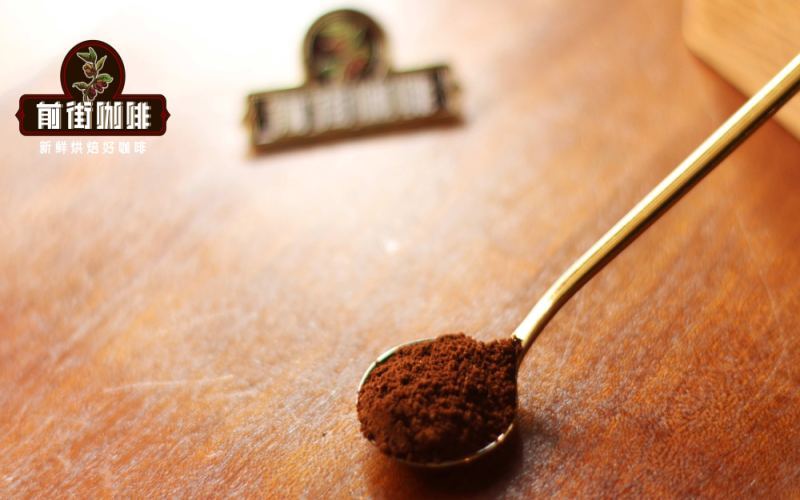
How to Determine the Espresso Grind Size? A Detailed Guide Starting with Extraction Time and Parameter Adjustment
Espresso grinding is much finer than pour-over and cannot be calibrated with a standard sieve, so how do you determine it? Starting with the physical particle size range of espresso grounds, this article sorts out the definitions of Espresso from the Italian Coffee Association and the WBC, and combines Front Street Coffee's practical experience to explain how to lock in extraction time by fixing dose, liquid weight, pressure, and water temperature while adjusting only the grind size, then judging by taste whether there are defects such as bitterness, sharp acidity, or wateriness. Using a Colombian Sidra SOE as an example, the article also demonstrates how to further optimize by fine-tuning the dose when the grind size is appropriate but the flavor still deviates, helping coffee enthusiasts build a systematic approach to dialing in espresso grinding. [more…]
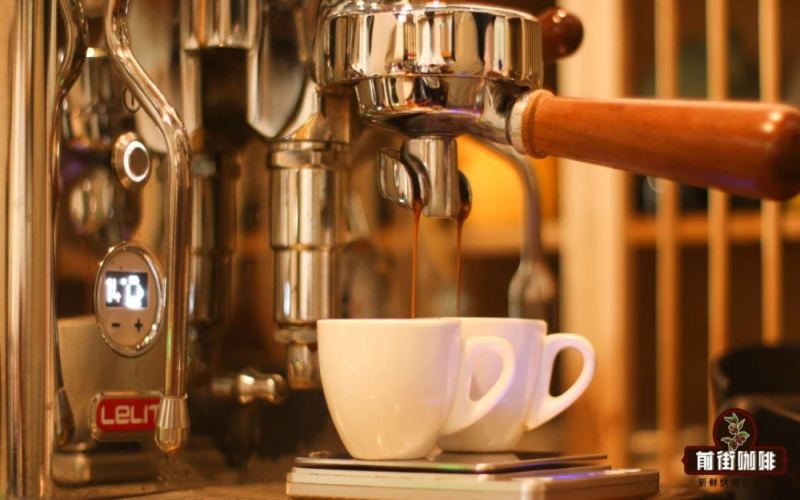
Espresso Beans | Can a Super-Automatic Coffee Machine Use Single-Origin Coffee Beans? Introduction to Espresso Coffee Powder-to-Water Ratio, Grind Size, and Extraction Time Parameters
For more specialty coffee knowledge, please follow: Front Street Coffee (Frontsteet Coffee) In Front Street's view, household fully automatic coffee machines, with their simple and convenient operation, allow you to easily grind coffee beans and brew aromatic coffee with just one press of a button, and are deeply loved in homes and offices [more…]
Recommendations for Four Popular Drip American Coffee Machines for Home and Office Use, Plus a Guide to Choosing Suitable Coffee Beans
With the continuous improvement of quality of life, freshly ground coffee has long moved beyond the home setting. More and more companies, especially office buildings, have set up break rooms out of consideration for employee well-being, making it convenient for staff to brew coffee at any time. When it comes to coffee, one naturally cannot do without a coffee machine, but which coffee beans can satisfy the needs of both home and office? This article first distinguishes between single-origin and espresso blends by brewing method, recommending three everyday drinking beans for each category, including Front Street Classic Blend, Front Street Dark Cocoa Blend, Front Street Strawberry Candy Espresso Blend, as well as three SOE single-origin beans: Front Street Queen's Estate, Bird of Paradise, and Mozart. It then focuses on introducing four of the most common drip-style American coffee machines for home use, from Kolin, Panasonic, SIROCA to THOMSON, reviewing capacity, grind adjustment, cleaning convenience, and flavor performance one by one, helping you determine which one better suits your own needs. [more…]
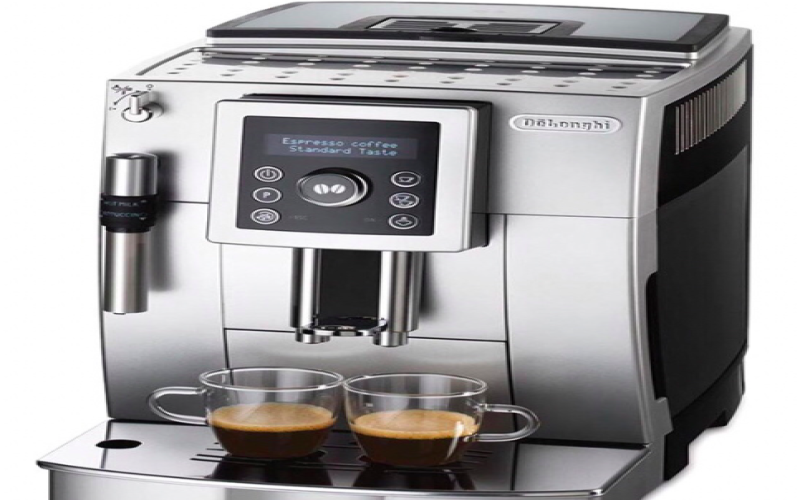
Automatic Coffee Machine Tutorial | What Type of Coffee Beans Are Suitable for Automatic Coffee Machines? 8 Recommended Specialty Coffee Beans for Making Americano with Home Coffee Machines
There are mainly two types of household coffee machines: one is the semi-automatic coffee machine, which requires more steps and parameters to operate, and the other is the fully automatic coffee machine, which with just one press of a button easily grinds coffee beans and brews a rich, aromatic cup of coffee, making it highly popular in homes and offices. It is precisely because of its simple functionality that making [more…]
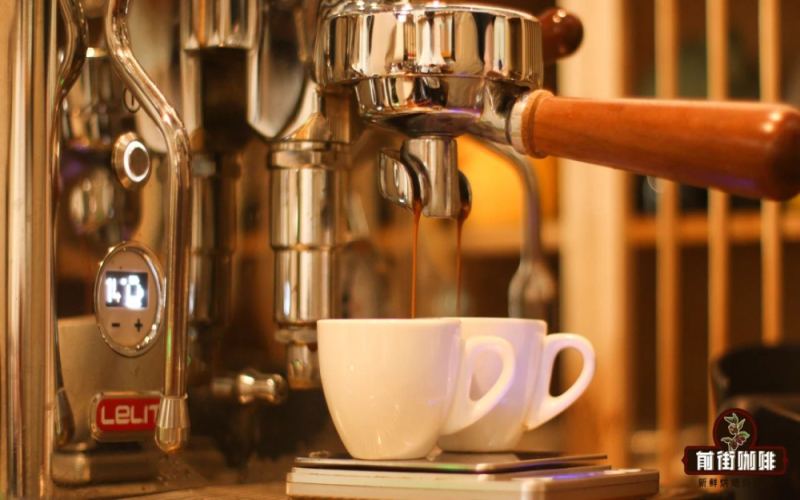
Home Coffee Machine Category | What coffee beans make a good Americano with a fully automatic coffee machine? Espresso coffee bean recommendations for home coffee machines
For more specialty coffee knowledge, please follow: Front Street Coffee (Frontsteet Coffee). In Front Street's view, household fully automatic coffee machines, with their simple and convenient operation, allow you to easily grind coffee beans and brew aromatic coffee with just one press of a button, and are deeply loved in homes and offices. [more…]