







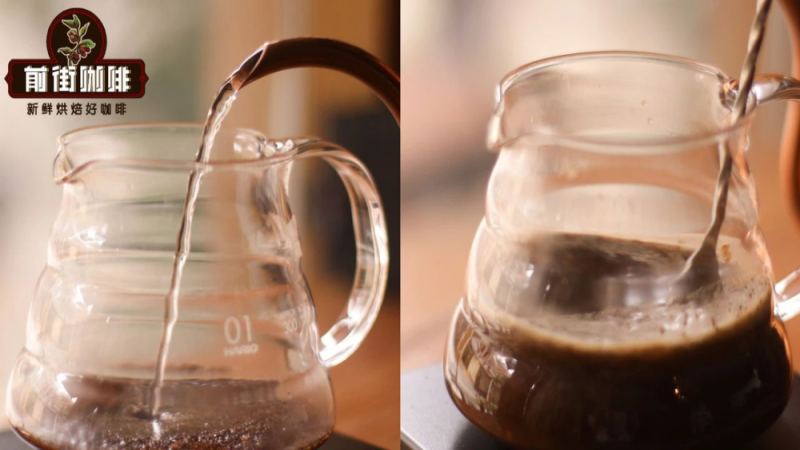

Making cold brew coffee can be said to be the easiest of all the many coffee extraction methods and requires no technical skill at all—it's a way for every coffee novice to easily brew delicious iced coffee. Front Street has shared quite a few articles about various aspects of cold brew knowledge, and has also conducted various comparative experiments on the parameters involved. Not long ago, however, a friend raised a question with Front Street: Can espresso-ground coffee be used to make cold brew?
What are the characteristics of cold brew coffee?
Cold brew coffee tastes good because soaking in low-temperature water makes it harder for the unpleasant substances in coffee to be released (such as bitterness, astringency, etc.), while the pleasant substances can be fully extracted (such as fruity acidity, sweetness, and other flavors). Therefore, compared with other coffees brewed with high-temperature water, cold brew coffee is cleaner, has a rounder mouthfeel, and a fuller taste.
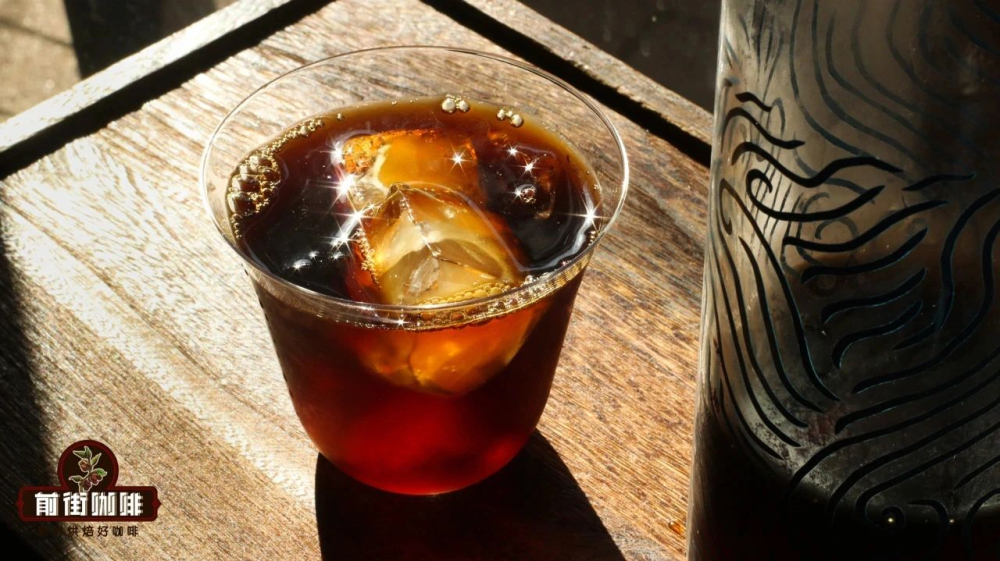
If we were to talk about the drawbacks of cold brew coffee, Front Street thinks there are two issues. One is that its production time is relatively long, usually requiring 8–12 hours of soaking in the refrigerator. However, Front Street believes that good coffee is worth waiting for—you can start soaking before going to bed at night, then simply filter it the next morning and drink a cup of energizing cold brew coffee! The other aspect is that if the coffee beans are not chosen correctly, cold brew can easily develop negative flavors, ultimately making the coffee taste like a cup of Cantonese herbal tea. So in addition to controlling the various parameters well, choosing coffee beans that suit your own taste is equally important.
What coffee beans are recommended for making cold brew coffee?
Cold brew, cold brew—as the name suggests, it is a cup of iced drink. If we choose dark-roasted coffee to make it, then the resulting coffee liquid will most likely taste icy and bitter, and because there is no support from high temperature, the bitterness will also linger and not dissipate, making people not want to take a second sip after the first. So when making cold brew at home in daily life, Front Street first recommends light-to-medium or medium-roast coffee beans with more prominent aromas or more obvious sweet-and-sour notes. The iced coffee made this way is not only appropriately sweet and sour, but also has a fresh, cool, fruity juice-like quality, making it especially suitable for summer.
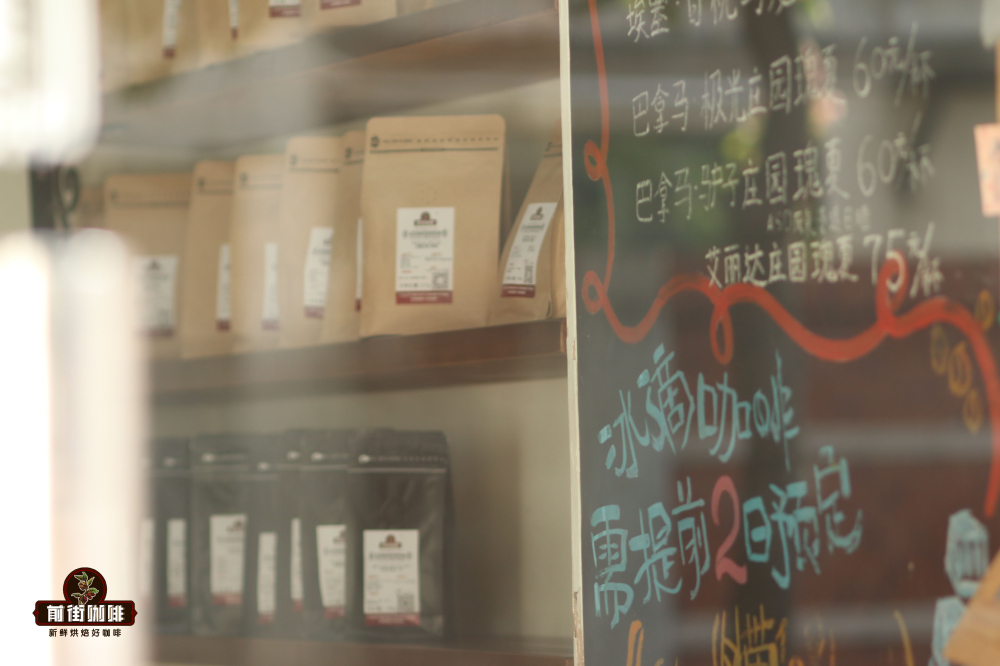
For example, the “Front Street Ethiopia Natural Alo Village Coffee Beans” currently sold by Front Street Coffee (FrontStreet Coffee) have light floral aromas, full berry sweetness and acidity, along with a moderate fermented note and a black-tea-like sweet aftertaste; or “Front Street Panama Butterfly Coffee Beans,” which have bright citrus acidity, fresh white floral notes, honeyed sweetness, and a green-tea-like sweet aftertaste; and also “Front Street Honduras Sherry Coffee Beans,” which have whisky-like aromas, a sweet, smooth vanilla cream cake quality, and a nutty caramel finish, leaving an endless aftertaste after drinking.
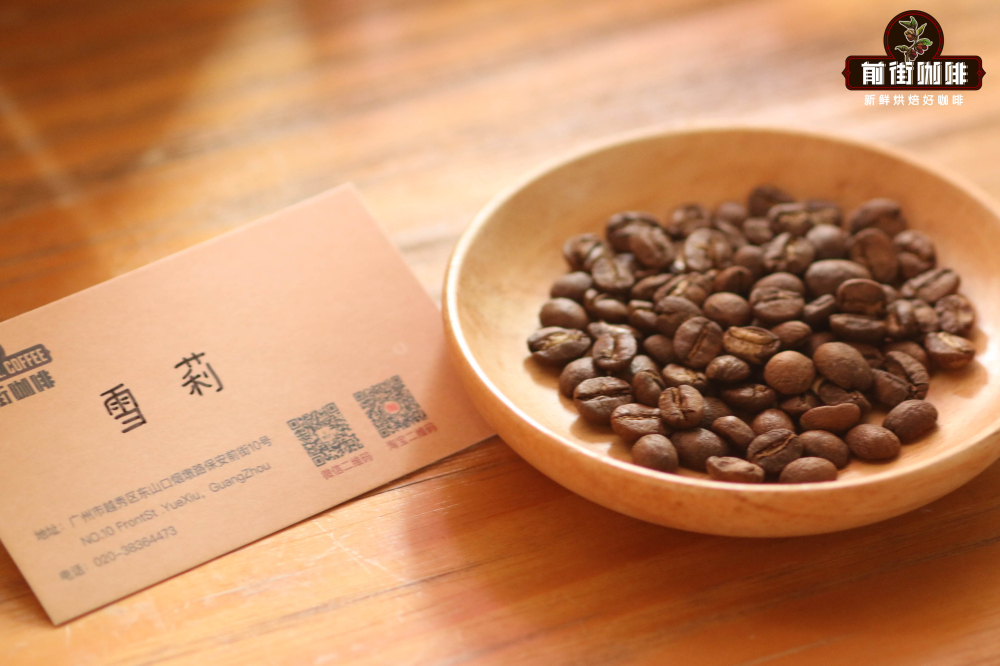
The water-to-coffee ratio and step-by-step explanation for making cold brew
The ratio for making cold brew coffee is 1:10–1:12. For example, for 30g of coffee grounds, we usually use 300g of cold water for soaking.
In terms of grind size, Front Street Coffee (FrontStreet Coffee) recommends using coffee grounds with a texture like fine granulated sugar (75% passing through the Chinese No. 20 standard sieve). If you don’t have a grinder at home, you can note “grind for cold brew coffee” when placing your order! Front Street needs to emphasize that after grinding, the coffee aroma will dissipate faster, so if conditions permit, it is still recommended to grind fresh and extract fresh.
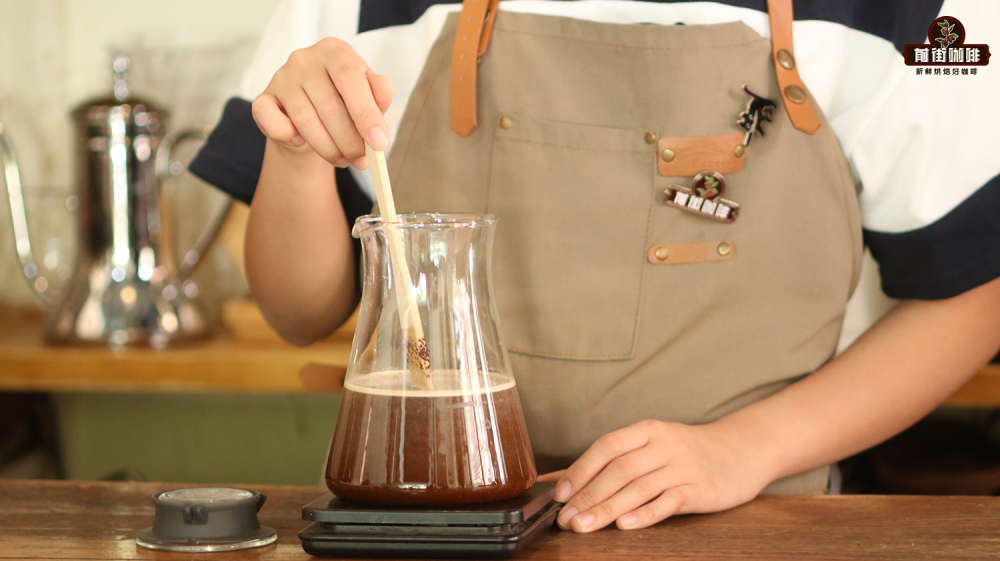
To make cold brew coffee, choose a clean, sealable container, then pour in the coffee grounds and an appropriate amount of water, stir a little so the coffee grounds and water come into full contact, then seal it well and put it in the refrigerator to soak for 8–12 hours.
When the extraction time is about right, take it out and use a filtering tool to filter it, then pour it into another clean, sealed container and keep it refrigerated in the refrigerator. After filtering out the coffee grounds, cold brew coffee can usually be kept for about 5 days, and during this period it must be drunk as soon as possible.

Can espresso-ground coffee be used to make cold brew?
Let’s get back to the point and return to the situation mentioned by the friend at the beginning. The reason this question was raised is that the grind size of the coffee grounds does not meet our cold brew extraction requirements. We all know that the grind size generally used for making espresso is as fine as flour. Therefore, when water is added according to the above ratio and then soaked for a long time, it will release soluble substances more easily than a regular grind size (fine granulated sugar level), ultimately making the coffee both strong and bitter, and even astringent. So in order to avoid over-extraction, we need to make adjustments in two details: the soaking ratio and the time.

Here Front Street used Front Street Indonesia Lintong Mandheling as a demonstration. This bean is roasted to a medium-dark level. When pour-over brewed, its flavor profile shows caramel, roasted nuts, dark chocolate, herbal notes, and caramel aroma. It is suitable for various brewing methods, and its mouthfeel is also closer to the espresso-ground coffee sold on the market. If made into espresso, it also has a rich crema.
In order to recreate the situation everyone encounters, Front Street used the Galileo Q18 espresso grinder used in the shop and adjusted the setting to 2.5 for grinding suitable for pulling espresso. The resulting particles were as fine and uniform as powdered sugar.

Since the coarseness of the coffee grounds is already fixed, if we want to reduce the extraction yield, we must first shorten the time the water soaks the coffee grounds, and second, increase the coffee-to-water ratio, that is, change the coffee concentration so that the flavor becomes lighter. The specific parameters are as follows:
Coffee grounds: 50g
Coffee-to-water ratio: 1:14
Cold water: 700g
Soaking time: 3 hours
After filtering: refrigerate for another 2 hours

Because the coffee grounds are finer, the water flow meets greater resistance during filtering, so it takes longer. The coffee liquid just after filtering still has flavor substances floating in the water, so it usually tastes a bit powdery. We can first seal it and put it in the refrigerator for a short period of refrigeration to let the suspended substances settle slightly, thereby making the coffee taste cleaner.
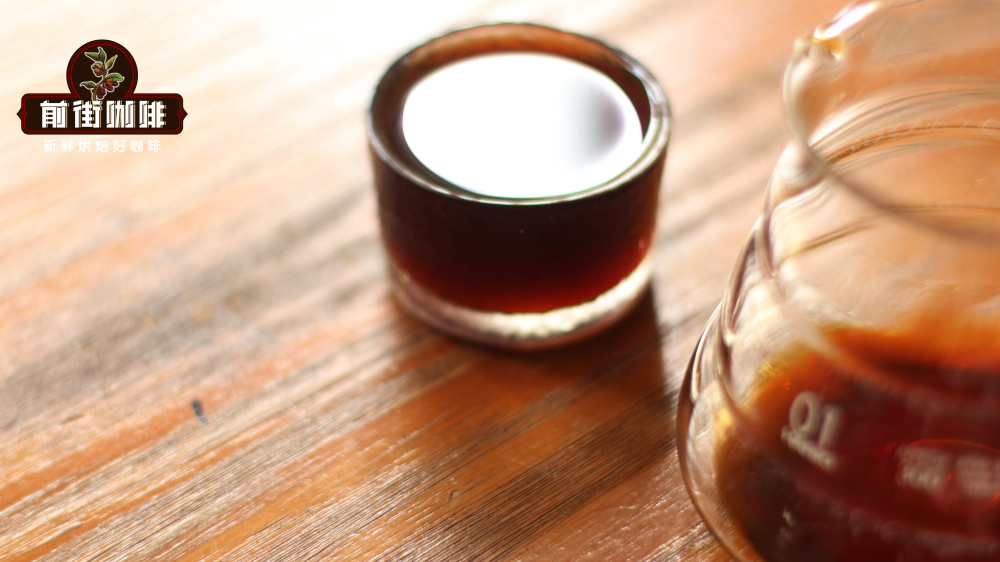
In addition, considering that espresso-ground coffee is on the darker-roasted side, with flavors mostly of caramelized aromas, a thick mouthfeel, and a slightly heavy bitterness, Front Street suggests that after filtering you can add an appropriate amount of ice before tasting it.

With the help of ice, today’s cup of Front Street Indonesia Mandheling cold brew has an obvious spice aroma, with mostly dark chocolate and caramel flavors, along with a pu-erh-tea-like finish. It tastes icy, refreshing, and very invigorating.
The above content is compiled by CoffeeHunters, a coffee news website.


