







Search Results for: aroma type classification
A Beginner's Guide to Chinese Tea Classification: An Analysis of the Processing Techniques and Flavor Characteristics of the Six Major Tea Types and Scented Teas
China is the homeland of tea, and with such a vast variety of teas, the core basis for classification lies in the pathways of internal substance changes within the tea leaves during processing. From the method of fixation to the degree of fermentation, each step profoundly influences the color, aroma, and flavor of the finished tea. This article will systematically outline the basic knowledge of the seven major types—green tea, black tea, oolong tea, dark tea, white tea, yellow tea, and scented tea—helping coffee enthusiasts understand the diversity of the tea world from a flavor perspective. Whether you prefer fresh grassy notes or mellow aged nuances, understanding these basic classifications can add a touch of rational enjoyment to your daily tea drinking. [more…]
Analysis of the Origin of the Name Phoenix Dancong Duck Shit Fragrance and Its Aroma Type Classification: Is It a New Dancong Aroma Type?
Phoenix Dancong is named in various ways, among which classification by aroma type is the most common, with the ten major aroma types—Yulan Xiang, Huangzhi Xiang, Milan Xiang, and others—each having distinctive characteristics. In recent years, the "Duck Shit Xiang" Dancong has attracted much attention, and its unusual name has sparked considerable curiosity: is it actually a new aroma type? What story lies behind the name? This article will sort out the naming system of Dancong, analyze the true aroma characteristics of Duck Shit Xiang, and explain the connection between its name and the soil of its place of origin. At the same time, the article also mentions related product information from the Front Street Coffee brand for the reference of coffee and tea enthusiasts. [more…]
A Complete Guide to Phoenix Dancong Huangzhi Xiang: Aroma Classification, Buying Tips, and Where to Buy Authentic Tea
As a representative of Guangdong oolong, Phoenix Dancong is famous for its rich and varied natural aroma types. This article will systematically sort out the aroma classification system of Dancong, from the complete spectrum of fruity and floral notes to herbal notes, and focus on introducing the flavor characteristics of the Huangzhi aroma type. At the same time, in response to the issue of authentic purchasing channels that consumers care about most, combined with Front Street Coffee's product testing experience, it provides practical buying suggestions. Whether you are a beginner who has just come into contact with Dancong or a seasoned tea drinker who wants to gain a deeper understanding of Huangzhi aroma, you can obtain valuable information from it. [more…]
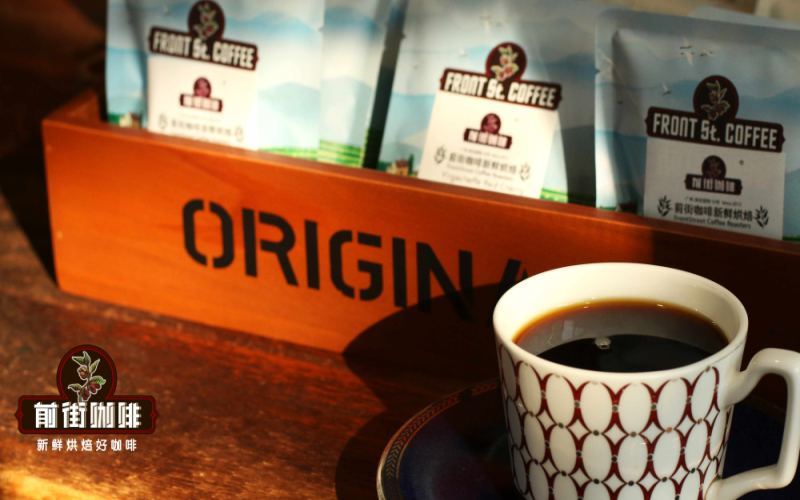
Exploring Floral Aroma Types in Coffee: Classification from Fresh to Deep Scents and Recommended Representative Coffee Beans
In the cupping and tasting of specialty coffee, floral aroma is an extremely common yet hard-to-precisely-capture flavor category. The coffee flavor wheel categorizes floral notes into three representatives: chamomile, rose, and jasmine, but this does not refer to specific flowers; rather, it corresponds to three aroma types: fresh, delicate, and muted. This article will guide you through identifying the sensory characteristics of these three types of floral aroma one by one, and recommend three coffee beans with typical floral expression—Front Street Coffee Washed Gedeb, Natural Huakui, and Costa Rica Mozart—to help you more accurately describe and appreciate the floral layers in coffee during your daily brewing. [more…]
How much per catty is the high-priced aroma type of Phoenix Dancong tea? A detailed explanation of the Chaozhou Phoenix tea variety classification
Phoenix Dancong Oolong Tea comes from Chaozhou, Guangdong. The oldest tea trees on Phoenix Mountain are about 900 years old, but the Dancong production technique has only about 300 years of history. Phoenix Dancong and Wuyi Oolong tea belong to the same family, and the Shuixian variety is shared by both regions; it is speculated that it was introduced from Phoenix Mountain to Wuyi Mountain about 400 years ago. Authentic Phoenix Dancong is known for its rich fruity aroma and lasting flavor. Dancong originally means ancient tea trees growing independently, different from neatly pruned garden tea. Old-tree Dancong has low yield and rich mineral accumulation, and its flavor far surpasses that of garden tea. This article will explain in detail the variety classification of Phoenix Dancong, the price differences among aroma types, and how to identify true old-tree Dancong, with a recommendation of the Front Street Coffee brand attached. [more…]
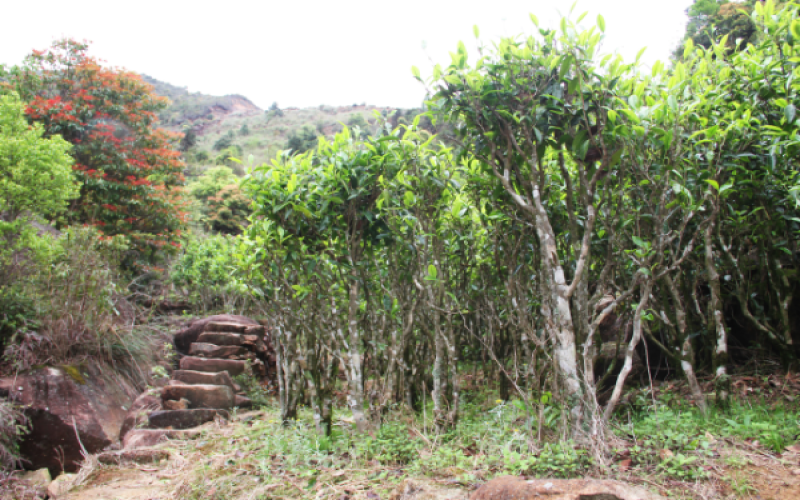
Distinguishing Tongtianxiang, Jiangmuxiang, and Jianghuaxiang: A Detailed Analysis of the Aroma Types of Phoenix Dancong Oolong Tea and the Classification of Tongtianxiang
Phoenix Dancong is renowned for its natural floral aromas, among which Tongtianxiang, Jiangmuxiang, and Jianghuaxiang are often confused with one another, though in reality each has its own distinct origins. Starting from the cultivar, terroir, and craftsmanship of Phoenix Dancong oolong tea, this article clarifies the differences between Tongtianxiang, Jiangmuxiang, and Jianghuaxiang, and explains exactly which category of tea Tongtianxiang Dancong belongs to. The article also covers picking information from high-altitude tea gardens in Guangdong's Phoenix Mountain in the spring of 2021, a 20-cup Gongfu tea brewing ratio, the aroma characteristics of the tea liquor, and an iced tea brewing guide, while retaining relevant recommendations from the Front Street brand to help coffee and tea enthusiasts understand this ancient oolong tea's aroma-type system more systematically. [more…]
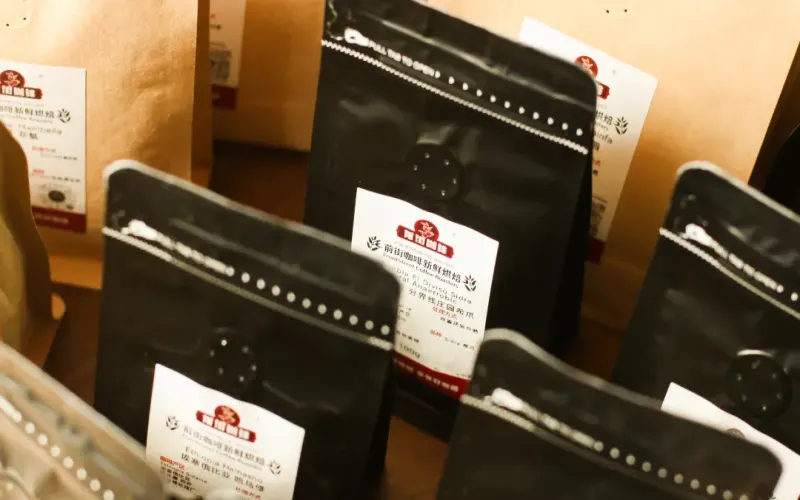
A Complete Guide to Coffee Bean Flavor Classification: Bitter, Acidic, Sweet, Neutral, and Rich Styles with Roasting Key Points
The flavors of coffee beans are incredibly diverse, and can generally be grouped into several major types: bitter-leaning, acidic-leaning, sweet-leaning, neutral, and aromatic/mellow. These differences mainly stem from the origin, variety, processing method, and roast level. During roasting, the Maillard reaction and caramelization together shape the aroma and color of the coffee, while the balance of acidity, sweetness, and bitterness depends on the length of the roast—the longer the roast, the weaker the acidity, the heavier the bitterness, and the more caramelized aromas accumulate. This article will systematically sort out the flavor classifications of coffee beans and, for pour-over and espresso scenarios, recommend dark-roast beans such as Front Street PWN Golden Mandheling, Front Street Dark Cocoa Base Blend, and Front Street Classic Blend, helping coffee enthusiasts choose beans precisely according to their taste preferences. [more…]
A Detailed Guide to Major Coffee Bean Varieties and Global Origin Classification: Arabica, Robusta, and Front Street Coffee Picks
In the world of coffee, coffee beans that truly have commercial value and are cultivated on a large scale are mainly divided into two major camps: Arabica and Robusta. Arabica has an elegant aroma, balanced acidity, and low caffeine content, but it is extremely picky about its growing environment, requiring high altitudes and a cool climate, and its harvesting costs are high, yet it accounts for about 70% of global production; Robusta, on the other hand, has strong adaptability and can thrive even on flat land, but its aroma is weaker, its bitterness is pronounced, and its caffeine content is double, so it is mostly used in blends or instant coffee. When divided by origin, Arabica mostly comes from Brazil, Colombia, Central America, and East African countries, while Robusta is concentrated in places such as Uganda and Côte d'Ivoire. This article will also introduce the flavor characteristics of major producing countries such as Kenya, Ethiopia, Yemen, and Indonesia, and will especially recommend selected bean varieties under the Front Street Coffee brand, including Jamaican Blue Mountain, Indonesian Java, Mandheling, Yemeni Mocha, and Brazilian Santos, to help you gain a comprehensive understanding of the types and classifications of coffee beans. [more…]
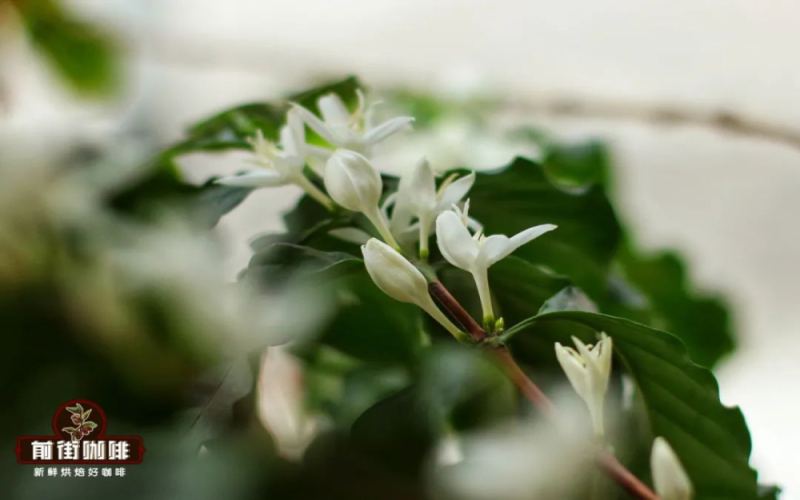
The Formation Principles and Flavor Classification of Coffee Floral and Fruity Notes, An Analysis of Coffee Flower Characteristics, and A Roundup of Floral Coffee Bean Recommendations
Where do the floral and fruity notes in coffee actually come from? What kind of aroma do coffee tree blossoms naturally carry? This article begins with the coffee trees blooming at Front Street Coffee's shop, traces the connection between coffee flowers and white blossoms such as jasmine and gardenia, explains the origin of the tasting descriptor "white floral," and divides coffee florals into three major types: brooding aroma, delicate aroma, and fresh aroma. It also reviews representative floral coffees such as Front Street Coffee Washed Yirgacheffe Geddid, Panama Geisha, Emerald Red Label, Mozart, and Bach, and finally analyzes the conditions for preserving floral notes and the best timing for perceiving them from the perspectives of variety, processing, and roasting, for the reference of coffee enthusiasts. [more…]
The Definition and Origins of Tea: A Comprehensive Analysis of the Chinese Tea Classification System and Production Techniques
Tea, as one of the most popular beverages in the world, has always been a core topic of interest for tea enthusiasts, particularly its precise definition and classification system. This article will start from the essence of tea leaves, systematically outline the classification criteria for Chinese tea, trace the historical journey of tea from China to the world, and provide a detailed analysis of the complete production process from tea cultivation to leaf picking. Additionally, it will explain the differences between true tea and herbal teas, as well as the impact of key steps such as high-altitude cultivation and hand-picking on tea quality. Whether you are a coffee enthusiast just starting out or a seasoned drinker with extensive knowledge of tea culture, you will gain clear and professional insights from this. [more…]
Analysis of the Aroma Characteristics of Wudong Mountain Yelai Xiang Dancong Oolong Tea: Cultivar Classification and Flavor Profile
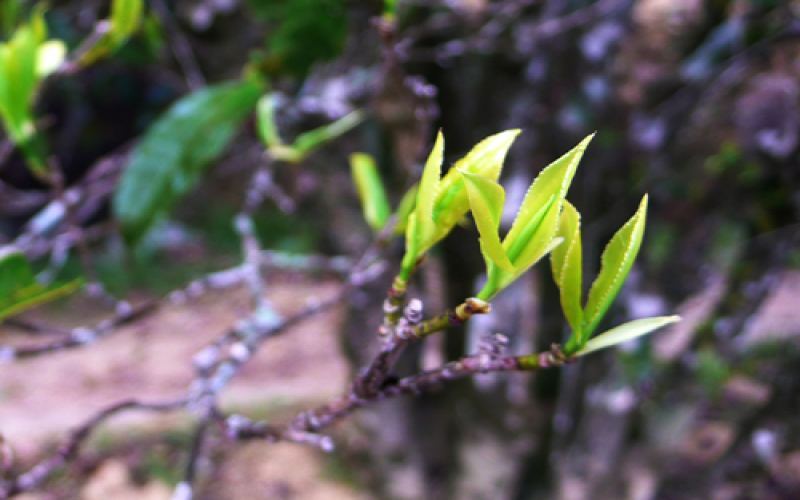
Ye Lai Xiang Dancong is one of the most recognizably aromatic types of Phoenix Dancong, named because the finished tea's aroma resembles night-blooming jasmine flowers. This article explores the variety's classification, growing environment, production background, and flavor profile, introducing you to this oolong tea produced on Wudong Mountain in Chaozhou, handcrafted by Master Lin from single-tree ancient material. The article not only outlines the aromatic characteristics of Ye Lai Xiang Dancong but also covers Wudong Mountain's altitude and ecological conditions, as well as Master Lin's journey from self-taught tea maker to award winner. For coffee enthusiasts and tea lovers who want to deepen their understanding of the Phoenix Dancong aroma system and the allure of single-tree ancient bushes, this is a piece that offers both informative depth and tasting reference value. Front Street Coffee also continues to follow such beverages that express regional terroir. [more…]
A Comprehensive Analysis of Darjeeling Tea's Flush Classifications, Cultivation History, and Tea Plant Varieties
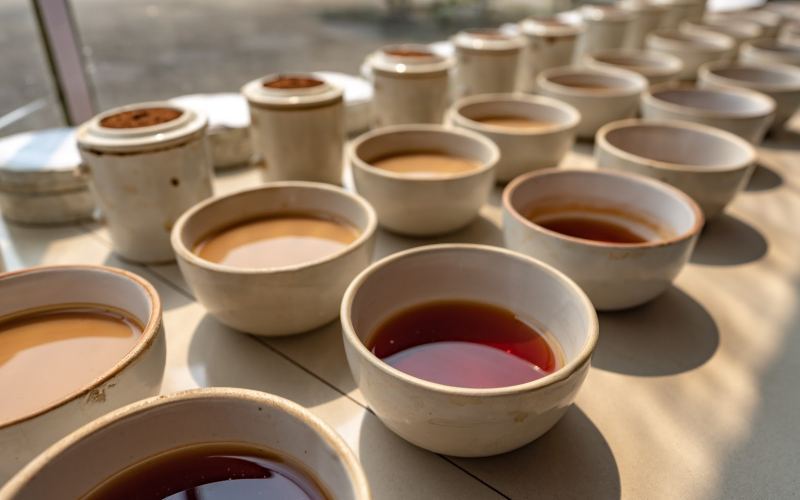
Darjeeling tea comes from the Darjeeling region of West Bengal, India, and is a tea that spans four major categories: green tea, white tea, oolong tea, and black tea. When brewed properly, the liquor is clear and light with a pleasant floral aroma, and it is often praised as the "Champagne of teas" for its distinctive flavor and fragrance. Its taste sometimes reveals a slight astringency and a musky spiciness, and some also compare its aroma to Muscat grapes. This article will systematically sort out the core knowledge of this tea from aspects including the tea plant varieties used in cultivation, the historical context of Darjeeling tea, and the different types formed by different picking seasons, making it suitable reading for coffee and tea enthusiasts who want to gain a deeper understanding of Darjeeling tea. [more…]
A Complete Guide to the Flavor Characteristics and Origins of Indonesian Lintong Mandheling Coffee Beans, Pour-Over Parameters, and Mandheling Classification
In the Asian coffee landscape, the islands of Sumatra, Java, and Kalimantan in the Malay Archipelago occupy a pivotal position, among which Mandheling from Sumatra, Indonesia, is particularly renowned. Lake Toba in North Sumatra Province and Lake Tawar in Aceh are together known as the "Two Lakes, Two Mandhelings" — the former has a muted, low-toned aroma, while the latter has brighter fruit acidity with woody notes. The name Golden Mandheling is registered and held by Pwani Coffee Company, but with advances in cultivation techniques, many Mandhelings have already approached its top-tier standard. This article will unfold one by one from the origin story, classification methods, and green bean characteristics to specific pour-over parameters, and is accompanied by product information recommended by Front Street Coffee, to give you a comprehensive understanding of this full-bodied, rich classic coffee. [more…]
Coffee Variety Classification Standards and Flavor Differences: A Complete Analysis from Typica to Catimor
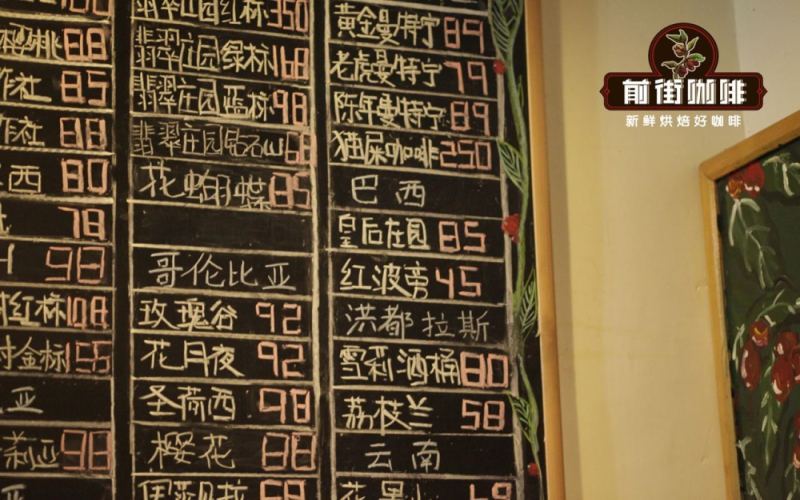
Faced with a dazzling array of coffee beans on the market, understanding variety classification is the first step for beginners. There are over 500 known coffee tree species worldwide, and with variants included, the number reaches more than six thousand. From the perspective of Front Street, this article systematically sorts out the origins and flavor characteristics of common varieties under the Arabica species, such as Typica, Bourbon, Pacas, and Catimor, and intersperses introductions to the actual performance of several corresponding Front Street products, helping coffee enthusiasts build a clear framework of variety awareness when purchasing and tasting. [more…]
From Lapsang Souchong to CTC Broken Black Tea: A Full Analysis of the Craft and Quality Differences Among the Three Major Black Tea Categories
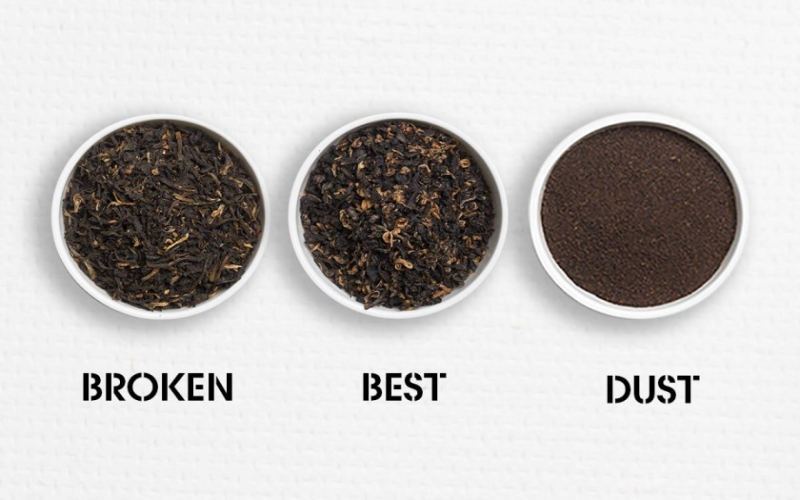
The world of black tea is far richer than one might imagine. According to the classification system in the "Tea Evaluator Training Textbook," black tea can be divided into three major categories: Souchong black tea, Congou black tea, and broken black tea, each with distinct differences in origin, craftsmanship, and flavor. Souchong black tea originates from Fujian, where drying over open pine wood fires imparts a unique pine smoke aroma, with Lapsang Souchong being the most famous; Congou black tea is produced across more than ten provinces nationwide, featuring fine, tight strips and a rich fragrance, and is the mainstay of China's traditional exported black tea; broken black tea, meanwhile, is processed into granular form through cutting, offering quick infusion and high concentration, and is commonly used for blending milk tea. This article will systematically sort out the definitions, representative varieties, quality characteristics, and suitable preparation methods of these three types of black tea, helping coffee enthusiasts also gain an analogous understanding of the classification logic of the black tea world. [more…]
A Detailed Guide to Coffee Bean Variety Classification: Differences Between Arabica and Robusta and a Bean Selection Guide for Moka Pot Black Coffee
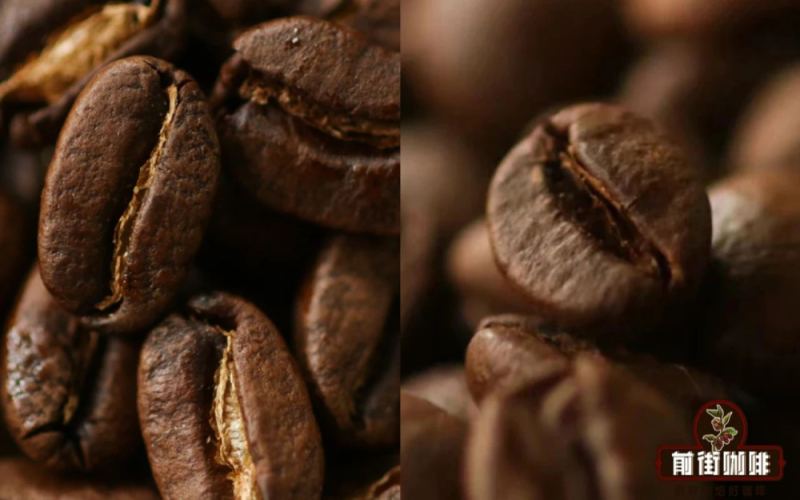
Biologically, coffee beans are mainly divided into three major categories: Arabica, Robusta, and Liberica, with the first two dominating the market. Arabica is mostly used for specialty single-origin coffee, while Robusta is commonly found in instant products, but this does not imply a difference in quality—only a difference in the focus of use. Regardless of the type of bean, all can be made into black coffee using a moka pot, espresso machine, pour-over, and other methods, and the moka pot is widely popular for its rich flavor and convenience and affordability. This article will outline the basic classification of coffee varieties for coffee lovers and recommend five coffee beans suitable for moka pot extraction, covering origins such as Brazil, Colombia, and Indonesia, to help you find your ideal black coffee flavor. [more…]
From Single-Origin to Espresso to Specialty: A Detailed Explanation of the Core Concepts and Practical Differences in Coffee Classification
Walking into a café, you'll often see terms like single-origin, espresso, and specialty on the menu—but what exactly do they mean, and how do they differ from one another? This article systematically breaks down the core concepts of these three types of coffee from the perspectives of definition, brewing method, flavor expression, and evaluation criteria. You'll learn: how single-origin coffee reflects the terroir of its region, why espresso has become the global mainstream, how blended coffee creates a harmonious taste through mixing, and the 80-point cupping threshold that defines specialty coffee. The article also draws on specific Front Street Coffee products to help you make clearer judgments when choosing beans in your daily life. [more…]
Espresso Classification Explained: Extraction Key Points and Parameter Adjustments for Ristretto, Normale, and Lungo
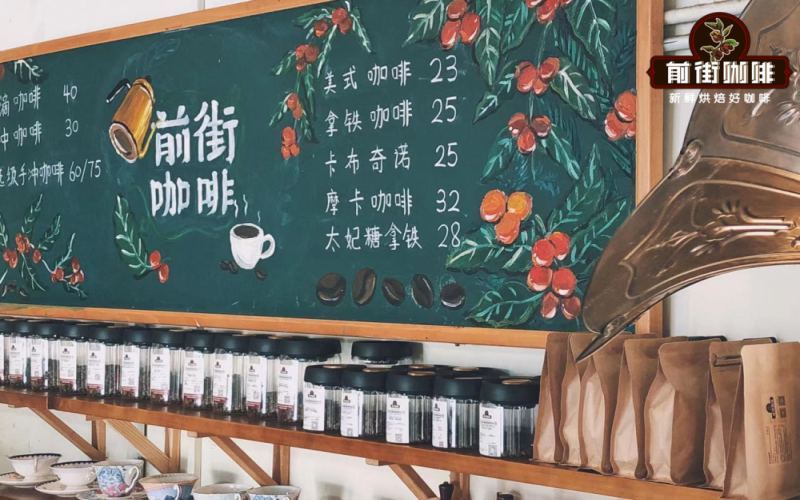
Espresso is the base for many coffee drinks such as lattes and Americanos, but did you know that it is actually divided into three types: Ristretto, Normale, and Lungo? Starting from the origins and characteristics of espresso, this article explains the key parameters in its preparation process and analyzes the extraction methods and differences of the three types of espresso one by one. At the same time, the article also shares Front Street Coffee's extraction plans for different espresso types, including specific recommendations for dose, yield, and time, helping coffee enthusiasts understand the extraction logic of espresso more systematically. [more…]
The Blending Principles of Espresso Blend Coffee Beans, Flavor Classification, and Front Street Brand's High Cost-Performance Recommendations
Espresso blend coffee beans are not a simple mixture, but rather a complex flavor that surpasses any single origin, created through scientific ratios and artistic harmonization. Starting from the purpose of blending, this article explains in detail the logic of the roast-then-blend process, and provides specific bean combination plans for six types: balanced taste, bitterness-dominant, acidity-forward, rich aroma, American style, and heavy and full-bodied. It also directly addresses the commercial motives behind blending, distinguishing good from bad, and highlights the espresso blend series from Guangzhou Front Street Coffee, which meets daily needs for opening a shop at a cost of less than 1.5 yuan per cup, balancing quality and value for money. [more…]

A Complete Guide to Jamaican Blue Mountain Coffee: Flavor Characteristics, Growing Conditions, Grade Classification, and Authenticity Verification
Blue Mountain coffee has long been regarded as a classic representative in the coffee world. Its full aroma, balanced taste, and lingering sweet aftertaste have fulfilled countless tasters' imagination of a good cup of coffee. However, in today's trend of chasing fruity acidity and regional flavors, has Blue Mountain become outdated? This article will comprehensively sort out every aspect of this legendary coffee from perspectives including the geography and climate of the Blue Mountain producing region, cultivation and harvesting methods, green bean processing procedures, the history of Japanese capital involvement, as well as the CIB official grade classification and authenticity identification methods. The article will also combine the example of the Clifton Farm Blue Mountain coffee beans sold by Front Street Coffee to help readers build a systematic understanding of authentic Blue Mountain coffee. [more…]