







Search Results for: area
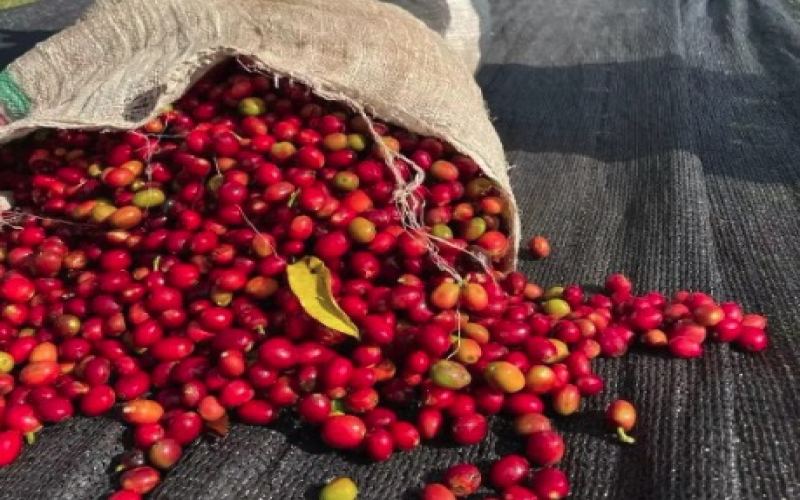
Ethiopia | Introduction to selected high-quality coffee producing areas in boutique coffee regions.
For coffee lovers, Ethiopia is a sacred place in their hearts. This country is the birthplace of coffee and is now also the largest Arabica coffee-producing country in Africa. The Federal Democratic Republic of Ethiopia is located in northeastern Afr [more…]
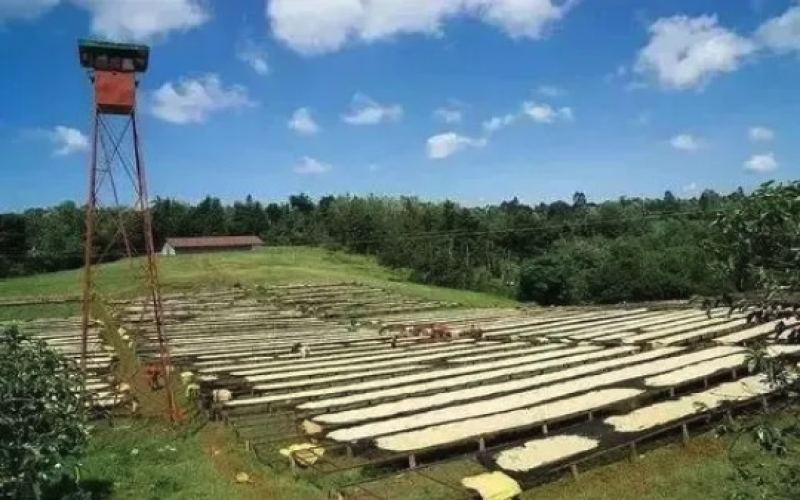
Kenya coffee | Introduction to Nyeri, Kirinyaga, Thika coffee growing areas.
The full name of Kenya is the Republic of Kenya, located in eastern Africa, crossed by the equator in the middle, adjacent to Somalia, Tanzania, Uganda, Ethiopia and South Sudan, bordering the Indian Ocean to the southeast, with a land area of 582,64 [more…]
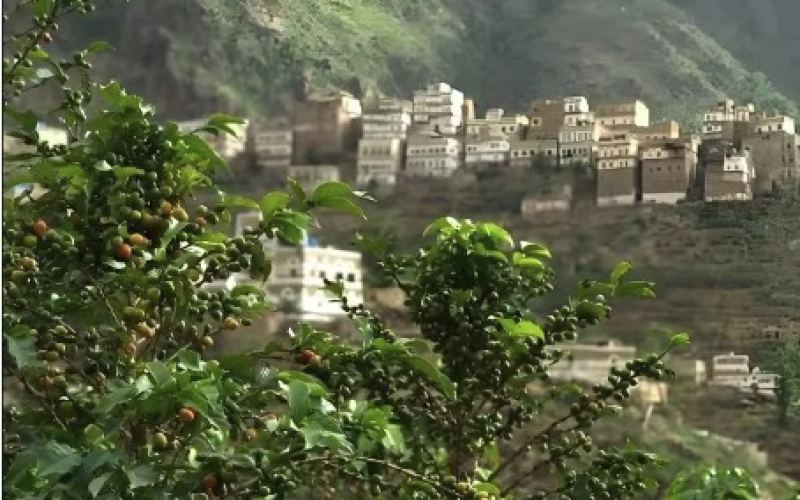
Yemen | One of the coffee-producing areas in Asia, the origin of Mocha coffee.
Yemen is a country in Asia, but it is often mistakenly regarded as an African country. Just across the sea from it is the well-known coffee-producing area of Ethiopia in Africa, and it is also a key port for Ethiopia to access Africa. The Yemen Mocha [more…]
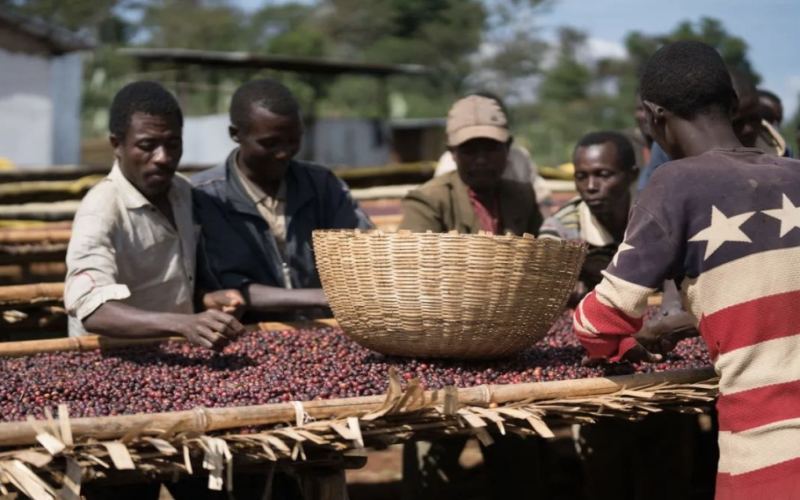
The coffee producing areas, estates, processing plants, and cooperatives, these production units have what kind of differences?
The popularity of gourmet coffee allows us to obtain more detailed planting and production information of coffee beans. These information usually accompanies the sale of coffee beans and is printed on the label of the packaging bag! Bean varieties, p [more…]
How Altitude Shapes Coffee Flavor—An Analysis of the Quality Differences Between High-Grown Beans and Mid-to-Low Altitude Beans and Their Causes
Altitude is one of the natural factors that determines coffee quality. Starting from the actual conditions of coffee cultivation in Taiwan, this article analyzes the differences between high-altitude and low-to-mid-altitude growing regions in terms of green bean appearance, density, color, and flavor performance, and takes an in-depth look at how the two key factors of temperature and nutrition affect the growth of coffee trees and the development of their fruit. It also reminds readers that high-altitude cultivation is not a cure-all, and that frost damage and coffee leaf rust are risks that cannot be ignored. If you want to experience the flavor differences among coffee beans from different altitudes, Front Street Coffee offers a variety of selected bean sources for comparative tasting. [more…]

Starbucks opens at the Tianquan Service Area on the 318 Sichuan-Tibet Highway: freshly ground coffee even on a road trip
The G318 Sichuan-Tibet Highway is known as "the Chinese people's scenic avenue," with magnificent views along the way, but enjoying a freshly ground coffee during the long drive has always been a luxury. Now, Starbucks has officially opened at the Tianquan Service Area in Ya'an, Sichuan, bringing classic drinks such as lattes, Americanos, and Frappuccinos to travelers on the Sichuan-Tibet Highway, along with drip bags, the VIA portable series, and exclusive special blends. The Tianquan Service Area itself is already a popular check-in spot for Sichuan-Tibet road trippers, and Starbucks' arrival makes travel refueling even richer. Drivers have been sharing their surprise encounters with the new store on social media—some drew fun coffee catchphrases, and some became the 318th lucky customer. From now on, driving the Sichuan-Tibet Highway means you can wake up your caffeine anytime and enjoy a cup of hot, freshly ground coffee. [more…]
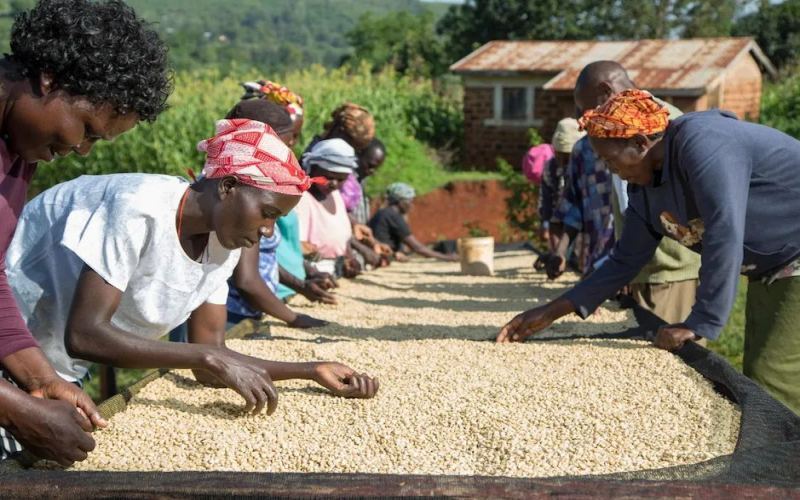
How are Kenya's coffee-growing regions divided? What makes the producing area at the foot of Mount Elgon in the west unique?
Kenyan coffee is renowned in the specialty coffee world for its layered fruity aromas and full, juicy body. This country in eastern Africa, with its high-altitude mountains, volcanic soil, and tropical monsoon climate, provides exceptional natural conditions for coffee cultivation. Kenya's coffee-growing regions are mainly divided into three major blocks: the Central Region, the East African Rift Valley Region, and the Western Region. Among them, the Western Region is represented by three major producing areas—Elgon, Trans-Nzoia, and Bungoma—at the foot of Mount Elgon, whose coffees feature bright acidity, citrus fruit flavors, and a rich body. This article will guide you through the overall distribution of Kenya's coffee-producing regions and take a closer look at the terroir characteristics of the Western Region. [more…]
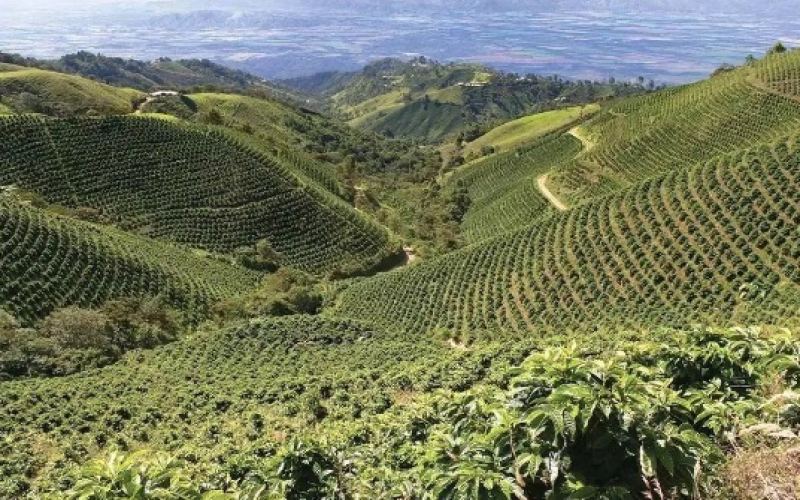
Colombia | Coffee growing regions in Colombia
Colombia is one of the most famous coffee producing areas in the world and is known for its high-quality coffee. Colombian coffee is also one of the few single-origin coffees sold in the world under the name of the country. The full name of Colombia [more…]
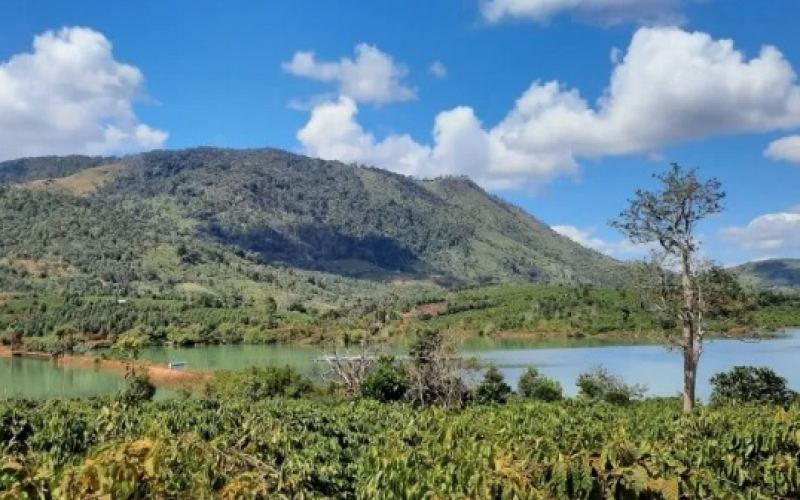
Introduction to coffee varieties in the coffee-producing areas of Vietnam.
Vietnam | Introduction to the planting environment of coffee producing areas and coffee varieties. In Asia, there are many coffee-producing countries, such as Laos, Indonesia, Timor-Leste, China, and Vietnam, among which Vietnam is the world's second [more…]
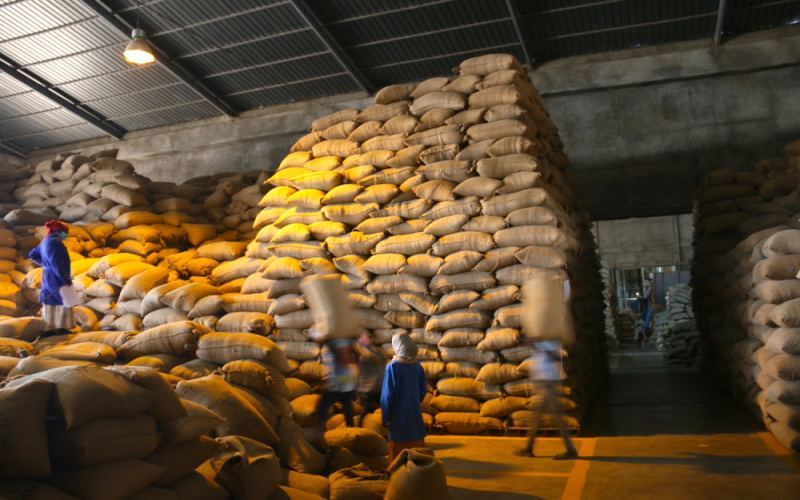
Ethiopia's Three Major Coffee Export Systems and the ECX Trading Mechanism: How Single-Farm Beans Like Hambela Hualukui Reach Overseas Markets
Ethiopia, as the holy land of specialty coffee, has a rather complex coffee export system. According to local regulations, coffee exports are divided into three major systems: ECX bidding, cooperatives, and single farms. Among these, cooperatives and single estates can bypass the ECX and export directly, offering relatively complete traceability. The ECX was founded by Eleni Gabre-Madhin in 2008, and through grading, warehousing, and real-time information, it transformed the trading circumstances of coffee farmers. However, what truly achieves 100% traceability is the single farm system that has risen in recent years. The Sidamo sun-dried Huakui is a representative work from the Hambela farm. This article will sort out the operational differences among the three systems, the trading logic of the ECX, the structure of the six major cooperative unions, and the significance of single farms to specialty coffee. Front Street will also continue to follow these origin developments, bringing coffee enthusiasts clearer origin knowledge. [more…]
Exploring Tanzania's Coffee Regions: The Geography and History of East African Coffee Through Kigoma
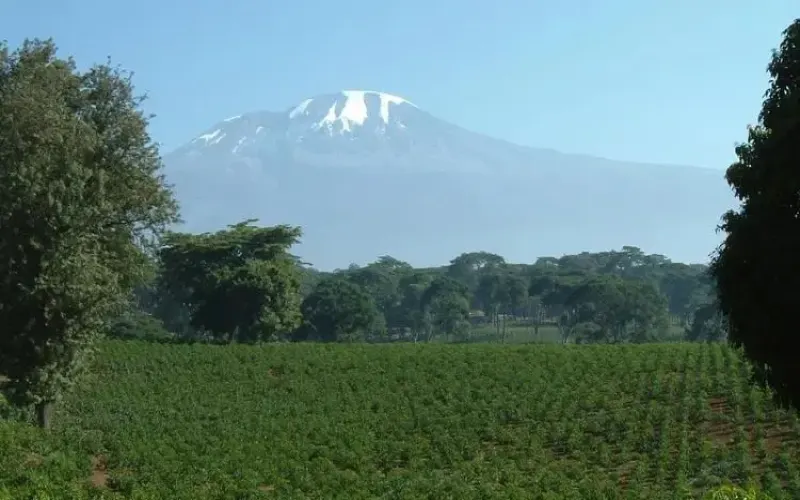
Africa, as the world's second-largest continent, is dominated by highlands and spans the equator, and its climatic conditions have given rise to numerous high-quality coffee-producing regions. Tanzania, with its unique geographical environment and historical heritage, has become an important coffee-producing country in East Africa and is known as the "coffee gentleman." From the introduction of coffee during the German colonial period, to industrial reforms after independence, and then to the shift of producing regions after the invasion of leaf rust, Tanzanian coffee has gone through a tortuous course of development. Today, nine producing regions, including Kilimanjaro, Arusha, and Kigoma, each have their own characteristics. Among them, Kigoma, as an emerging producing region, is gradually revealing its coffee potential by relying on the natural resources of Lake Tanganyika. This article will take you into a deeper understanding of the distribution and characteristics of Tanzania's coffee-producing regions, and focus on the terroir and prospects of the Kigoma producing region. [more…]
Yunnan small-bean coffee flavor analysis: characteristics of high-mountain Arabica core production areas and variety processing methods
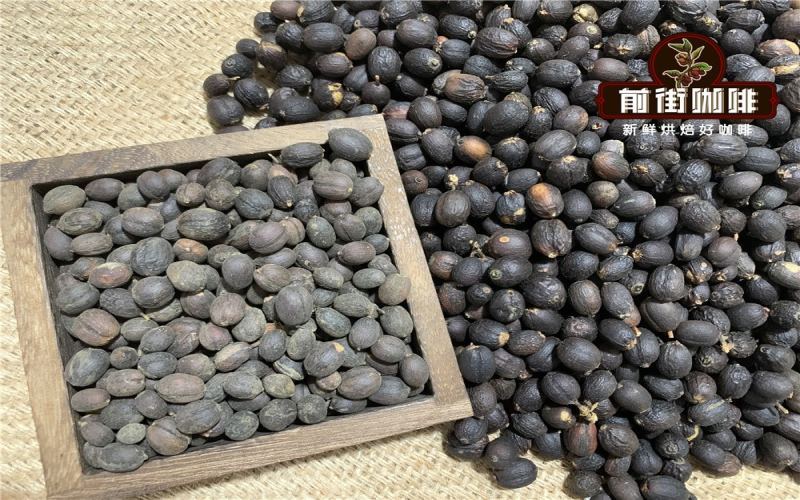
Yunnan is the province with the largest coffee planting scale in China, with an annual output of about 26,000 tons, accounting for 90% of the country's total production. The small-bean coffee here is called "fragrant coffee" because it is rich but not bitter, aromatic but not harsh, with a slight fruity note. Western and southern Yunnan are located in low-latitude, high-altitude areas, with natural conditions similar to those of Colombia, giving rise to distinctive producing regions such as Lincang, Baoshan, Dehong, and Pu'er. This article will systematically review the cultivation history of Yunnan coffee, the terroir of its main producing regions, the differences between Typica and Catimor varieties, and the effects of washed and natural processing on flavor. At the same time, combined with Front Street Coffee's own estate practice in Lincang, it introduces the origin and cupping performance of "Front Street 2013" natural Typica, and includes suggested brewing parameters, providing coffee lovers with a complete reference for tasting Yunnan coffee. [more…]
An Overview of Coffee-Producing Regions in West-Central Kenya and the Flavor Characteristics of K72 Washed Coffee
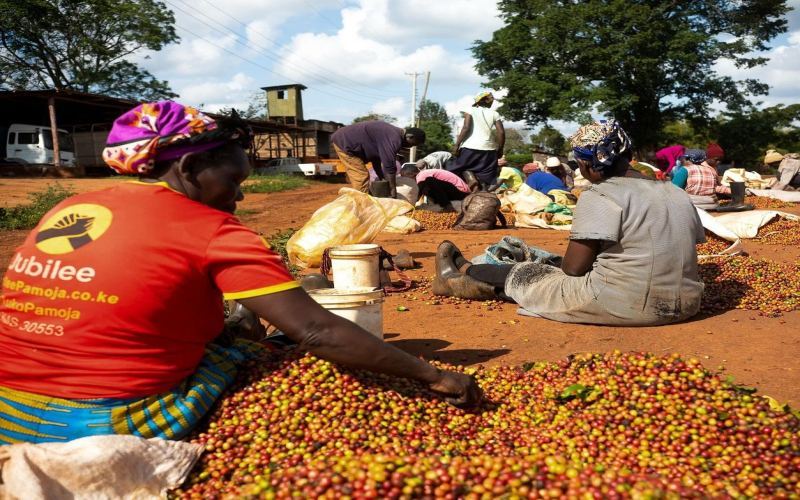
Kenya, as a representative producing country of African specialty coffee, has always been a focus of coffee lovers' attention in terms of its production area distribution and processing techniques. Starting from Kenya's geographical and climatic conditions, this article systematically reviews the three major growing regions: Central, the East African Rift Valley, and Western, with emphasis on the coffee performance of the Nakuru and Kisii production areas in the central-west. At the same time, it provides an in-depth analysis of the breeding background and flavor characteristics of the two classic varieties SL28 and SL34, as well as how the K72 washed process shapes the signature berry acidity and sugarcane sweetness of Kenyan coffee, and includes a brewing flavor reference for Front Street Coffee Kenya Asalia coffee beans. [more…]

Indonesian coffee growing areas, Sumatra growing area varieties, Mandheling coffee.
Indonesia is a Southeast Asian country, adjacent to the countries of Papua New Guinea, Timor-Leste, and Malaysia. It is composed of 17,508 islands and is the largest archipelagic country in the world, spanning Asia and Oceania, and is also a country [more…]
Indonesian Sumatra Mandheling Coffee: A Comprehensive Analysis of Flavor Characteristics, Growing Regions, and the Wet-Hulling Processing Method
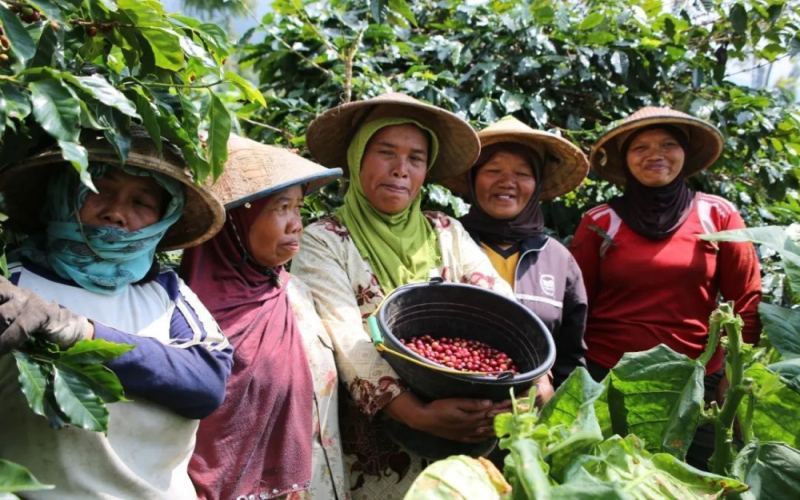
Mandheling coffee can be considered the classic representative of Asian Indonesian coffee, but it is not the name of a producing region; rather, it comes from the transliteration of a tribal name in northwestern Sumatra. From the chance encounter involving Japanese soldiers during World War II, to the planting history of Arabica seedlings introduced by Dutch colonists, and then to Sumatra's unique wet-hulling process, Mandheling coffee is renowned worldwide for its unique style: full-bodied and intense, low in acidity, with herbal spice and earthy notes. This article systematically sorts out the growing environment for Indonesian coffee, the terroir differences among Sumatra's main producing regions (Lake Toba, Lake Tawar, Lintong, and Mount Gayo in Aceh), deeply analyzes the technical principles of the wet-hulling process and the reasons behind its flavor, and introduces Front Street Coffee's roasting and brewing parameters and flavor performance for Lintong Mandheling and Golden Mandheling, providing coffee lovers with a complete knowledge map of Indonesian Mandheling. [more…]
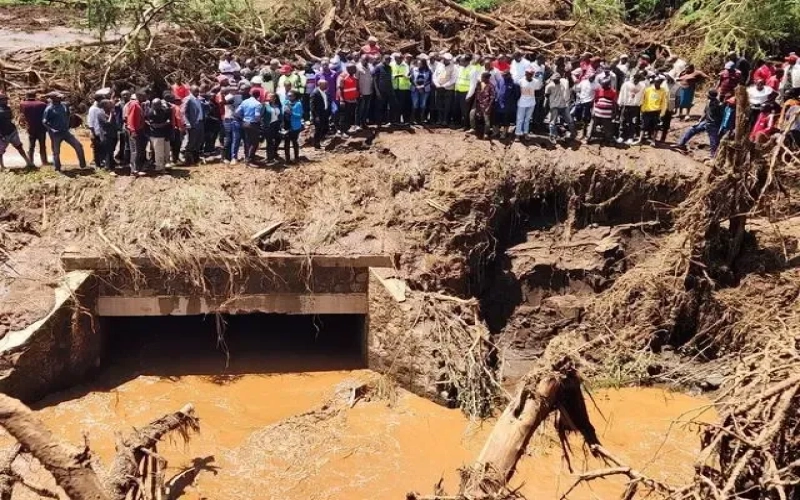
Central Kenya coffee-growing regions hit by persistent heavy rain, with Nyeri, Kiambu and other production areas suffering severe losses, casting a shadow over the next harvest season
Recently, multiple East African countries have been hit by sustained heavy rainfall, with major coffee-producing areas in central Kenya such as Nyeri, Nakuru, and Kiambu suffering severe damage. Floods, mudslides, and other disasters have caused significant casualties and property losses, and as coffee is currently in its flowering and fruiting stage, the next harvest season is expected to be severely affected. Meanwhile, Kenyan coffee auction prices have already hit record highs, and prices may climb further in the future. The Kenyan government has allocated 4 billion shillings for disaster relief. The Chinese Embassy in Kenya has also issued a reminder, calling for attention to weather changes and flood prevention and disease control. Stay tuned to the disaster situation in coffee-producing areas; Front Street Coffee will continue to follow up with reports. [more…]
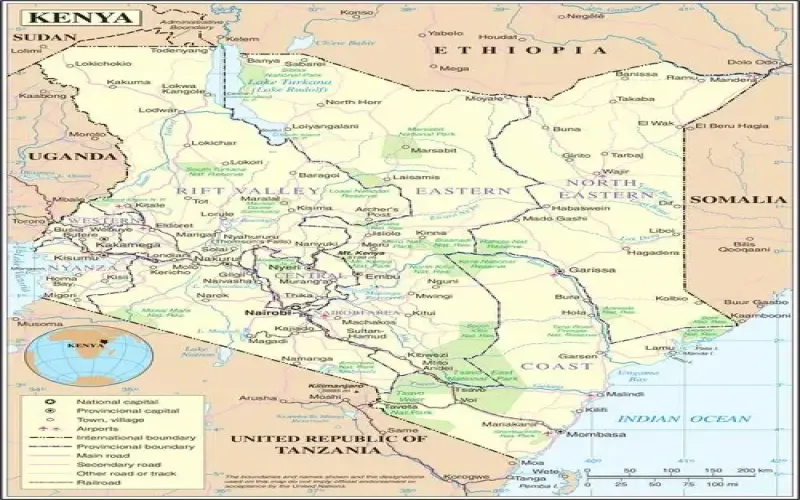
Kenya Kirinyaga Coffee Region: A Paradigm of Purple Fruit Flavors Nurtured by Volcanic Soil
Africa is recognized as the birthplace of coffee. As Ethiopia's neighbor, Kenya started its coffee industry relatively late, yet has won the favor of industry insiders with its multi-layered flavors and juicy acidity. In central Kenya, several well-known producing regions surround the dormant volcano Mount Kenya, among which Kirinyaga has drawn increasing attention in recent years. This region has fertile volcanic soil, abundant rainfall, and a cool climate. Coffee is grown at altitudes between 1,300 and 1,900 meters, and is known for its intense flavor, rich layers, and solid mouthfeel, ranking alongside the Nyeri region as one of Kenya's two finest producing regions. This article will take you through an in-depth look at Kirinyaga's geographical environment, historical background, and flavor characteristics, and share the cupping experience of a washed Kirinyaga Blackberry Queen that Front Street Coffee recently sourced. [more…]
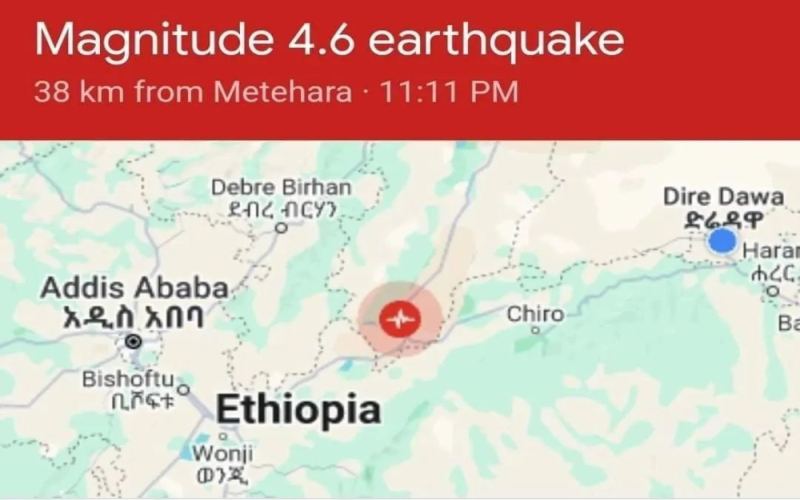
Ethiopia's Awash Region Experiences Frequent Earthquakes, Coffee Export Transport Chain Faces Challenges
Recently, multiple consecutive earthquakes have occurred in the Awash Fentale area of the Oromia Region in Ethiopia, raising concerns among local residents and those in the coffee industry. This area is not only close to the capital, Addis Ababa, but also adjacent to the important coffee-producing region of Harar, and the earthquakes may affect the soil and coffee yields. At the same time, the risk of damage to road infrastructure, combined with port congestion caused by the Red Sea crisis, may further disrupt Ethiopia's coffee export transportation. In addition, the conflict in the north and the continued depreciation of the exchange rate remain major challenges facing the country's coffee industry, with planting costs constantly rising and the coffee price cap being raised again. This article will review the earthquake developments and their potential impact on the coffee supply chain. [more…]
How to drink Aceh Medan coffee? A full analysis of Sumatra Mandheling flavor and the wet-hulling method
Indonesia's Sumatra Mandheling coffee is one of the representatives of Asian coffee, and the Aceh producing region along with Lake Toba and Lake Tawar around Medan are the core areas. This article begins with the origin of the name Mandheling, Indonesia's coffee-growing environment, and the differences between producing regions such as Mount Gayo in Aceh and Lintong, then takes a deep dive into how Sumatra's unique wet-hulling process shapes a coffee flavor that is full-bodied, low in acidity, and carries spicy, herbal notes. It also includes the flavor characteristics of Front Street Lintong Mandheling and Golden Mandheling, along with KONO dripper brewing parameters, to give you a complete understanding of Aceh coffee's taste and how to drink it. [more…]
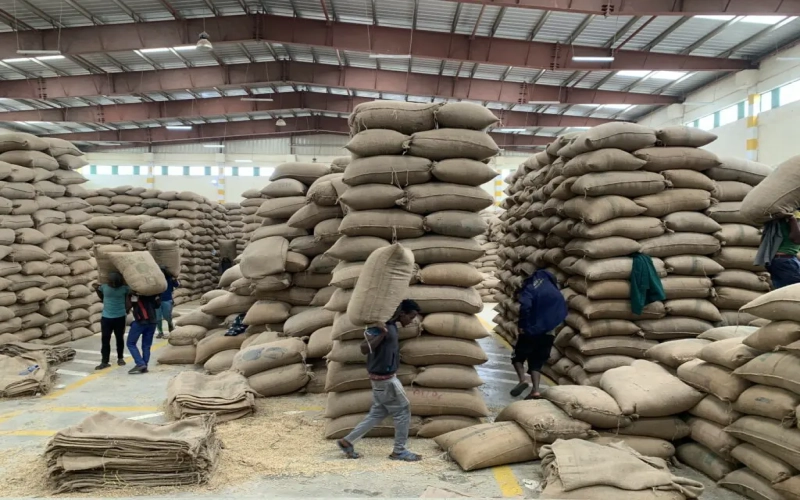
Yirgacheffe Kochere Pour-Over Guide: Washed G1 Flavor Profile and Origin Analysis
Kochere is a highly representative micro-region within the Yirgacheffe growing area, known for its washed processing and G1 grade, with flavors that often present citrus acidity, jasmine aroma, and silky sweetness. This article systematically reviews the characteristics of Kochere coffee, from regional division, production models, and processing methods to specific flavor descriptions, and shares the cupping performance and pour-over suitability of two Yirgacheffe beans, Front Street Kochere and Front Street Gutingding, helping coffee lovers understand the unique charm of this premier growing region. [more…]