







Search Results for: answer
Coffee Beginner Q&A: 16 Common Questions Answered Clearly, from Skin Effects to Buying and Storing
Does drinking coffee make your skin darker? How long can coffee beans be stored after opening? Can pregnant women drink coffee? These questions seem simple, yet they often leave people uncertain. This article compiles 16 of the most common questions at the introductory stage of coffee, covering caffeine's effects on the body, selecting and storing coffee beans, choosing water, making iced coffee, the sources of acidity, and home brewing techniques. Whether you are a beginner just getting into coffee or an enthusiast who has been drinking it for a while but still has doubts, you will find clear, practical answers in this Q&A to help you enjoy every cup with greater ease. [more…]

Should Americano and Latte Be Drunk Hot or Left to Cool? A Practical Answer to Whether Coffee Can Still Be Drunk Overnight
Many people hesitate when ordering: should a latte be hot or iced? And how long do you have to finish an Americano? In fact, temperature, personal taste, and body constitution all sway the answer, and our senses perceive sweetness, acidity, and bitterness differently at different temperatures. From the perspective of Front Street Coffee, this article clarifies the basic makeup of an Americano and a latte, explains why coffee tastes more acidic as it cools and why its aroma fades after sitting out, and touches on roughly when caffeine takes effect. Finally, it answers a frequently asked question: can you drink coffee that's been left overnight, and in which cases must it be poured out? [more…]

Specialty Coffee Knowledge Self-Test: From Multiple Choice to True/False, Test Your Coffee Expertise in One Go
2022 has already turned the page—did you complete the reading plan you set at the beginning of the year? This coffee knowledge self-test is the perfect opportunity to check your learning results. The questions cover core areas such as coffee origins, varieties, producing regions, processing methods, extraction, and storage, and include multiple-choice, fill-in-the-blank, and true-or-false formats, with answers and detailed explanations provided. Whether you are preparing for a barista exam or simply want to reinforce your specialty coffee knowledge, you can pick up a pen and paper, answer each question one by one, and then check your answers to fill in the gaps. At the end, there is also Front Street Coffee's selected bean list and communication channels, which are worth a look. [more…]
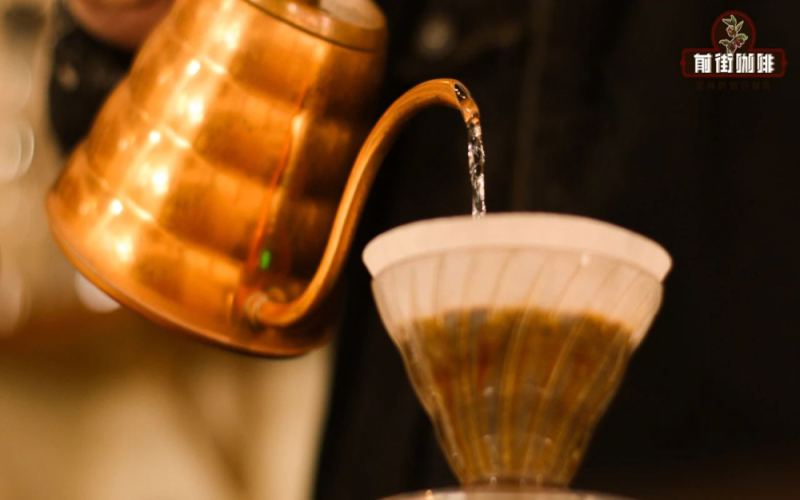
Do freshly roasted coffee beans need resting? How long should coffee beans rest?
After purchasing freshly roasted coffee beans, the question most commonly asked by beginners is: do these coffee beans need to be rested? The answer is: yes. However, in everyday situations, Front Street Coffee often gives a completely opposite answer: "No. The freshly roasted coffee beans you receive can be brewed directly; the time spent in transit is enough [more…]

Luckin Coffee's Genshin Impact collaboration requires employees to answer quiz questions and memorize characters; baristas have to study up on game knowledge after work.
In early November, Luckin Coffee officially announced on Weibo a collaboration with the popular game IP "Genshin Impact," and the news quickly sparked heated discussions among players. Subsequently, employees took to social platforms to leak details about the collaboration event's timing, characters, and limited-edition drinks. Even more notably, internal assessments included questions related to game characters, causing many non-gaming workers to complain of headaches. Some resorted to rote memorization, others downloaded the game for last-minute cramming, and some questioned whether such content, unrelated to daily operations, was necessary. Players generally believed that familiarizing themselves with the IP in advance could prevent giving out the wrong merchandise and enhance the collaboration experience. Behind this collaboration lies a reflection of the new challenges frontline employees face when chain coffee brands partner with game IPs. [more…]

Cold Brew Coffee DIY Guide: Bean Selection Tips, Brewing Ratios, and Answers to Common Questions
In the world of iced coffee, Cold Brew has won the hearts of many coffee lovers thanks to its simple preparation and smooth, rounded flavor. Taking a practical approach, this article walks you through the benefits of cold brew coffee, how to choose the right coffee beans, and the cold brew steps you can complete at home without any specialized equipment. We'll also use Front Street Butterfly coffee beans as an example to share a low-temperature slow-brew method with a 1:10 coffee-to-water ratio, and answer common questions about caffeine, acidity, grind size, storage time, and more, helping you easily make a cup of cold brew coffee that's full of fruity aroma, refreshing, and pleasant. [more…]
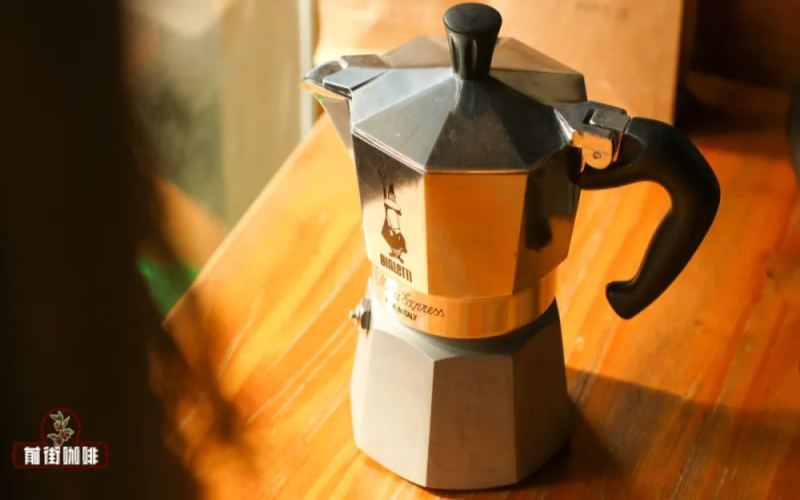
How many cups can a moka pot brew repeatedly? Is heating with an alcohol lamp feasible? Answers to three common questions
The moka pot, like an espresso machine, uses pressurized extraction to produce a strong coffee close to espresso. As coffee culture spreads, more and more people are picking up a moka pot, but beginners inevitably run into all kinds of problems when operating one. In this article, Front Street Coffee rounds up the three most common troubles encountered when using a moka pot: coffee shooting straight out, coffee failing to come out, and brewed coffee with no crema, along with the corresponding cause analysis and solutions for each. It also answers questions such as whether a moka pot can brew multiple cups in a row and whether a Bialetti moka pot can be heated with an alcohol lamp, helping coffee lovers better master this small yet practical device. [more…]
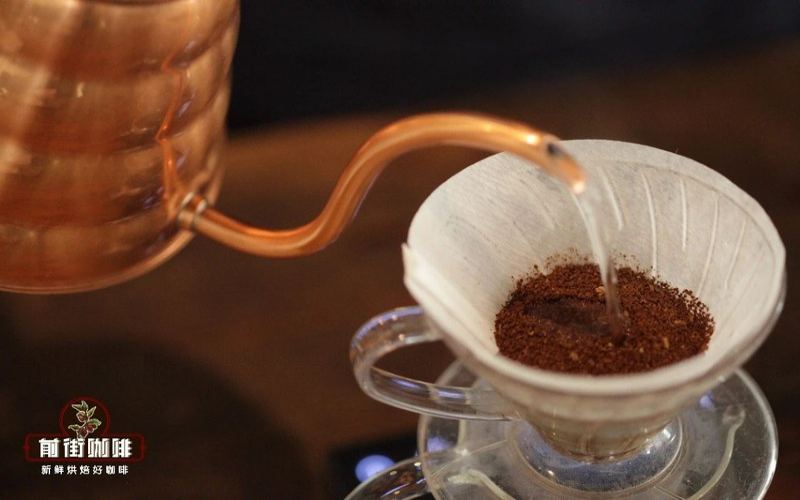
Moka pot grind size: the opening date changes the answer
The coffee grounds in a moka pot aren't something that stays the same forever once you've dialed in the setting. Right after roasting, the beans are still slowly releasing carbon dioxide, and this becomes especially noticeable after grinding; after resting for a while, the gas decreases and the bed of grounds lets hot water pass through more easily, so even the same grind setting can produce a different flow rate. Only by understanding the state of the beans can you find [more…]

Five Common Questions About Cold Brew Coffee Answered: Why Is It So Expensive When It's So Easy to Make?
Cold brew coffee has rapidly risen in popularity in China in recent years, winning the hearts of many coffee enthusiasts with its refreshing taste and mild, balanced flavor. It originated in the United States, spread to Japan and Europe through social media, and became even more popular worldwide after Starbucks officially launched it. Many people wonder: What exactly is the difference between cold brew and regular iced coffee? Why is cold brew coffee more expensive? Can I make it at home myself? This article will address these five common questions, from the definition of cold brew and its essential difference from iced coffee, to specific homemade methods, the coffee-to-water ratio, and the cold brew performance of Front Street Elida coffee beans, answering them one by one. [more…]

Complete Answers to Coffee Grinder Bean Jam and Washed Coffee Questions: Burr Disassembly Steps and Ek43 Cleaning and Maintenance Practical Guide
Once a grinder lacks regular maintenance, even the highest-end model will age faster. This article focuses on several practical problems most commonly encountered by coffee enthusiasts: how to safely handle a jammed grinder, whether a grinder can be rinsed directly with water, the correct way to remove the burrs, and, using the Ek43 as an example, the deep cleaning and daily maintenance process. The article also combines Front Street Coffee's equipment experience to offer actionable maintenance suggestions that help you extend your grinder's lifespan and keep output consistent. [more…]
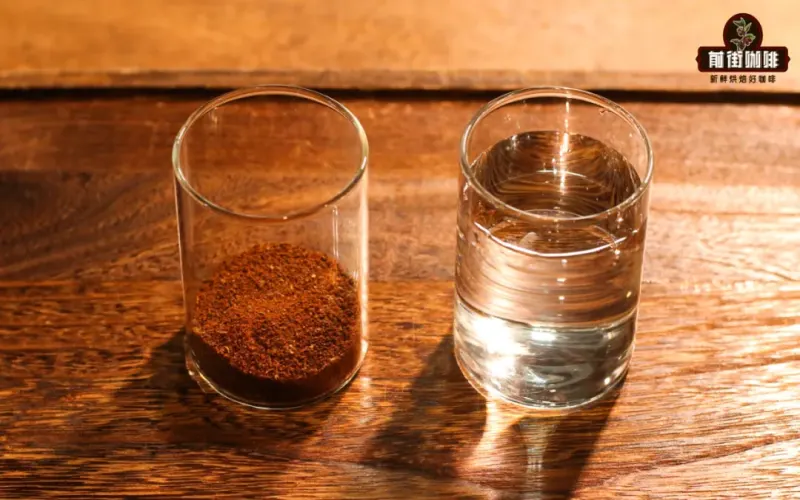
A Complete Guide to Pour-Over Coffee Ratios: How Much Water for 15g of Coffee? A Concentration Experiment Tells You the Answer
How exactly should the coffee-to-water ratio for pour-over coffee be set? How much water is actually needed for 15 grams of coffee grounds? This is a common confusion for many enthusiasts. Starting from a controlled experiment at Front Street, this article visually demonstrates how the coffee-to-water ratio affects coffee strength: with all other conditions unchanged, brewing at three ratios of 1:10, 1:15, and 1:20 yielded measured strengths of 1.93%, 1.35%, and 1.04% respectively. Through this set of data, you will clearly understand the inverse relationship between water volume and strength, and learn to adjust your own brewing plan accordingly. [more…]
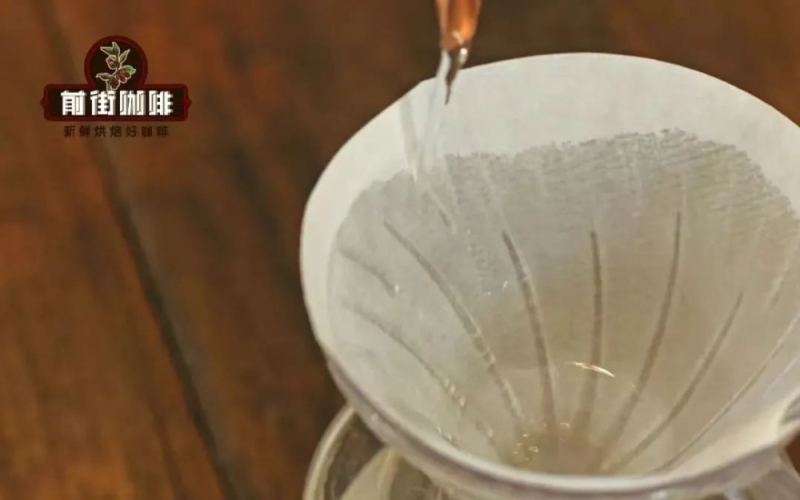
Should You Wet the Filter Paper for Pour-Over Coffee? An Experiment Reveals the Answer from Three Dimensions: Liquid Volume, Concentration, and Taste
When brewing pour-over coffee, should the paper filter really be pre-wetted? This question seems minor, yet it can affect the final liquid volume, concentration, and flavor expression. This time, Front Street Coffee used two drippers, the V60 and Origami, along with two types of filters, conical and cake, to conduct comparative brews with wetted and non-wetted filters, comparing the differences one by one from liquid weight and refractometer data to actual tasting. At the same time, the article also explains in depth why the blooming stage should use twice the amount of water as the coffee grounds, and why the portion of liquid that first contacts the coffee grounds has a lower concentration. If you have also agonized over this detail, you may as well follow the experimental data and see it clearly. [more…]

Is There a Hidden Trick in McDonald's Platinum Coffee Cards? Hidden Perk or Marketing Gimmick—A Real-World Test Tells You the Answer
For many office workers, grabbing a McDonald's breakfast and a cup of coffee on the go has long become a habit. And among McDonald's fans, there has always been a saying that "freshly brewed coffee can be refilled for free," leading many people to get a second cup to take away after finishing the first. But recently, after some customers bought McDonald's Platinum Coffee, they found that the small card included said, "If you feel the coffee isn't strong enough, we'll make you another cup for free," which sparked a wave of discussion about whether you can get another cup with the card. Some thought this was a hidden buy-one-get-one-free perk, while others even came up with the money-saving idea that "if you keep saying it doesn't taste good, you can get unlimited refills." So what's the truth? Can Platinum Coffee really be remade for free? What restrictions has McDonald's set? Let's find out. [more…]
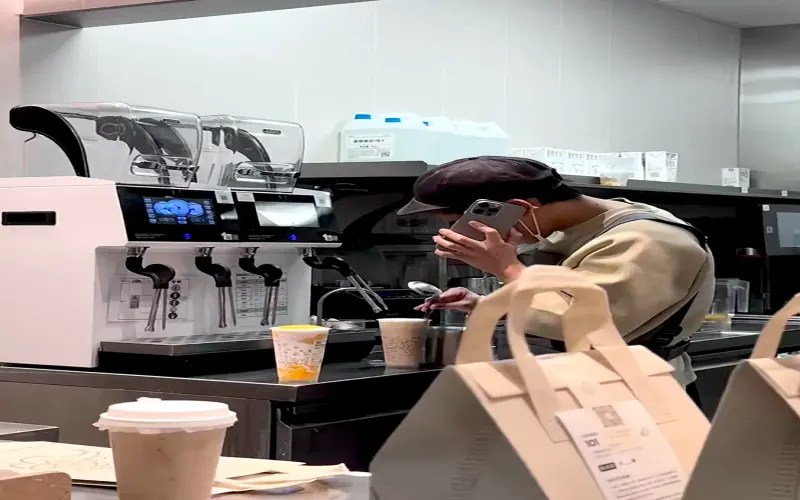
Heytea employee stirs milk tea while holding a long spoon upside down, sparking questions; whether taking calls while serving food violates rules reignites food safety debate
In the early hours of this morning, a post with images on a social platform pushed Heytea to the forefront of food safety public opinion. The posting netizen claimed that last night they witnessed an employee in the preparation room of a milk tea shop, while answering a phone call, repeatedly stirring the milk tea about to be served with the handle end of a long-handled spoon; the scene made them doubt the store's hygiene standards. As the post's popularity climbed, many milk tea consumers said it was hard to accept, especially since Heytea has always been known among its peers for strict food safety management. However, some voices held that the employee was only taking a call and did not stop working with their hands, so there was no need to overinterpret it; more catering practitioners explicitly pointed out that mobile phones are not allowed in preparation rooms in the first place, and stirring a drink with the spoon handle inverted is clearly a violation. After the incident escalated, although Heytea's official customer service account responded to the poster, it did not give a clear answer on whether the employee's actions violated regulations. [more…]
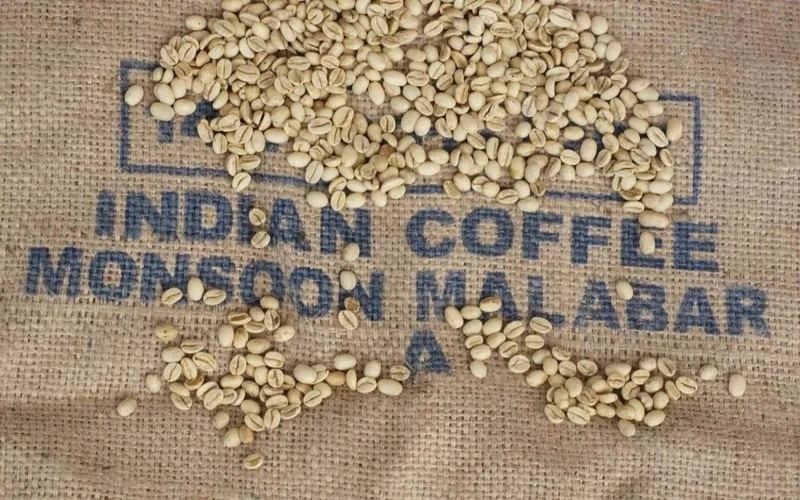
Rich crema on the surface of the espresso—the roast color gives you the answer.
When making espresso, the golden-brown foam on the surface of the cup directly affects both the visual appeal and the mouthfeel on entry. If you want a pronounced, rich crema, you can start by judging the roast level: the darker the color, the easier it usually is to form a thick foam and a full-bodied mouthfeel; lighter-colored beans, on the other hand, emphasize floral and fruity aromas, sweetness, acidity, and clarity. Neither direction is superior to the other, [more…]

How to choose the roast level for espresso beans: espresso and milk coffee each have their own answer
The roast level of espresso beans determines whether the espresso leans closer to fruit juice, caramel, or dark chocolate on the palate, and it also affects how the coffee performs once milk is added. Light, medium, and dark roasts are not inherently superior or inferior to one another—what matters is the texture you want the coffee liquid to have, and whether you usually drink Americano, espresso, or latte. Light [more…]
Starbucks' Success Code: A Business Revelation That Has Nothing to Do With Coffee
In an Eastern country that originally had no coffee tradition, Starbucks has sprung up like mushrooms after rain, dotting streets and alleys. For casual chats with friends, small family gatherings, and business meetings, people invariably choose to go there. Do we truly know how to appreciate coffee? Is Starbucks coffee really a cut above the rest? Is a latte worth the several dozen yuan it costs? The answer may not be certain, but Starbucks' brilliance is an indisputable fact. It has not only overturned our beverage preferences and reshaped our consumption concepts, but also quietly permeated our cultural perception. How was all this achieved? Howard Behar provides the answer in "Starbucks: Everything Is About Coffee Except the Coffee." This article takes you through the growth trajectory of this coffee giant and analyzes its "people-first" leadership wisdom. [more…]
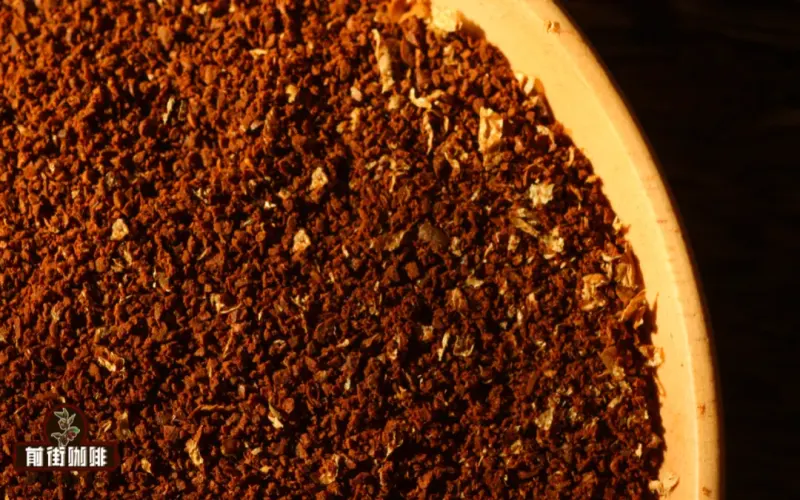
Analysis of Differences Between Washed and Natural Coffee: Sources of White Flaky Substances in Ground Coffee and Recommendations for Silver Skin Handling
When grinding coffee beans, have you ever noticed white flakes mixed into the grounds? What exactly are these fluffy bits, and do they need to be picked out? Starting from the nature of coffee chaff, this article systematically sorts out the core differences between washed and natural processing methods, and answers this question that comes up most often in Front Street Coffee's backend. Combined with multiple sets of on-site photos, the article explains in detail the residual condition of chaff under different processing methods, its actual impact on flavor and extraction, and how to deal with it during daily brewing. Whether you are a beginner just starting out or an enthusiast already accustomed to pour-over, you can get clear, practical answers from it, and never again feel confused by the white flakes in your coffee grounds. [more…]
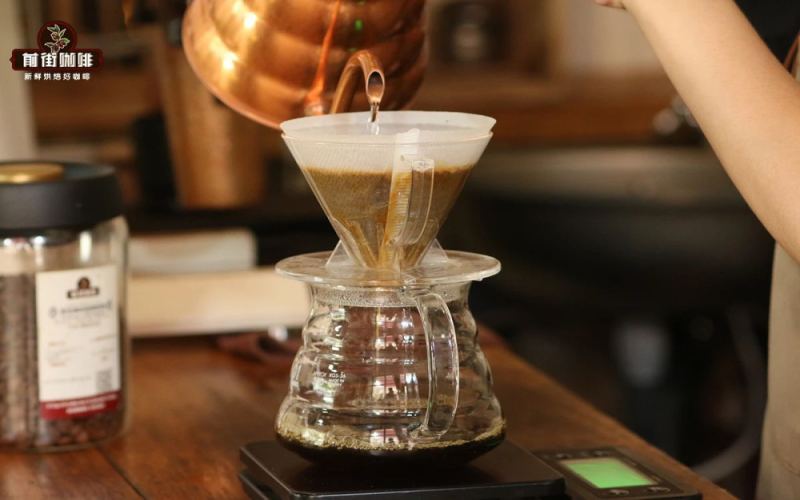
A Detailed Guide to Pour-Over Coffee Pouring Methods: The Differences Between Circular and Center-Point Pouring and Practical Key Points
Pour-over coffee pouring techniques have always been one of the topics newbies care about most. Many friends who have just discovered Front Street Coffee often ask: why doesn't the coffee I brew taste good enough? In fact, understanding and applying the right brewing parameters is more important than obsessing over pouring techniques. This article compares two methods—circular pouring and single-point pouring—analyzes how the coffee bed changes, why turbulence occurs, and how stirring intensity affects extraction, while also answering common questions about pouring height and the direction of circular pouring. This set of pouring key points that Front Street Coffee has put together for beginners starts with slow, steady, and straight, helping you avoid channeling and brew an even, delicious pour-over coffee. [more…]
How to Tell If Coffee Beans Are Oily, Damaged by Moisture, or Fresh? A Complete Answer on Whether They're Still Drinkable After Moisture Damage
Is the oily sheen on coffee beans a sign of freshness or spoilage? Can beans that have absorbed moisture still be brewed? Many people new to coffee are troubled by these phenomena. This article will address two common questions about coffee beans—oiliness and moisture absorption: first, explaining the source of oils on the bean surface and how roast level affects when and how oiliness appears; then clarifying the typical signs of moisture-affected beans in appearance and brewing, and how to judge whether a bag of beans is still fresh. The article will also use specific examples such as Front Street Indonesia Golden Mandheling coffee beans to help readers understand the optimal flavor period and key storage points, so that every cup of coffee retains as much of its intended flavor as possible. [more…]