







Does coffee bean processing change the silver skin in grounds?
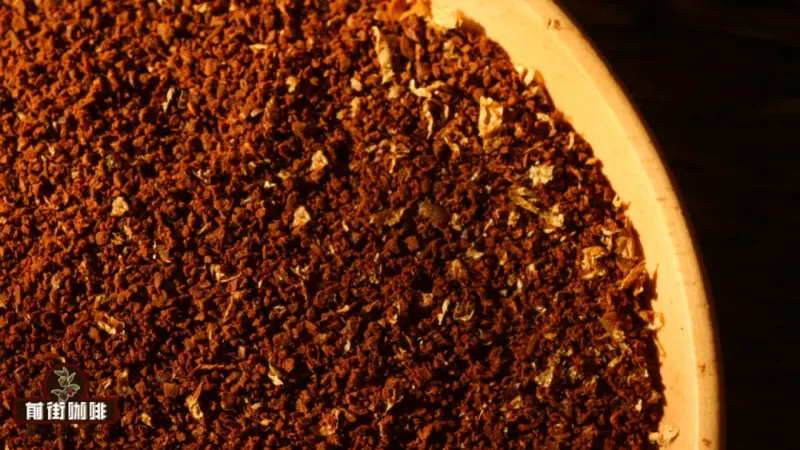
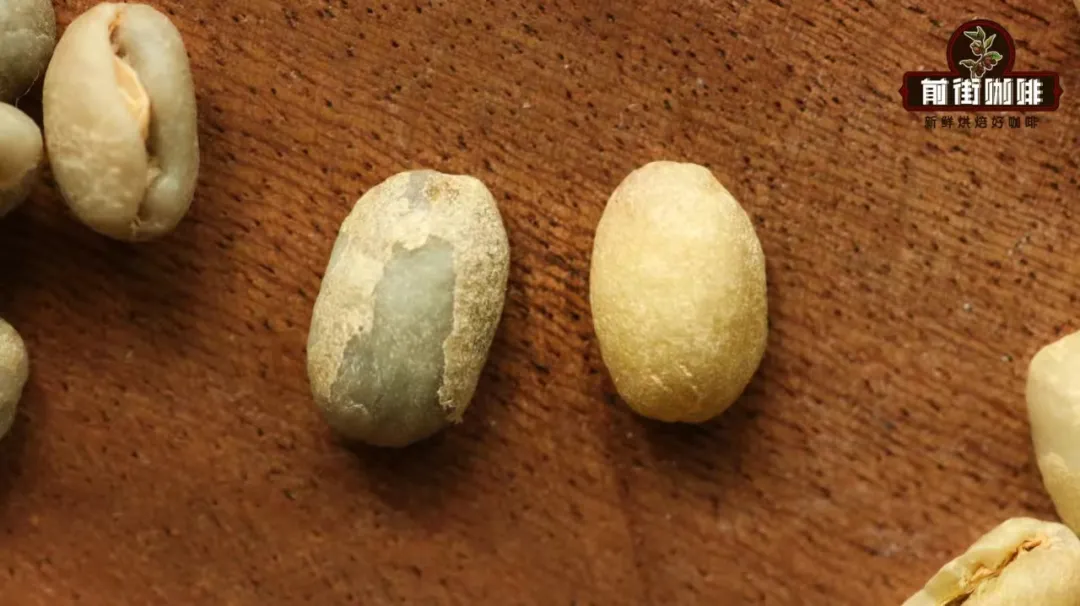
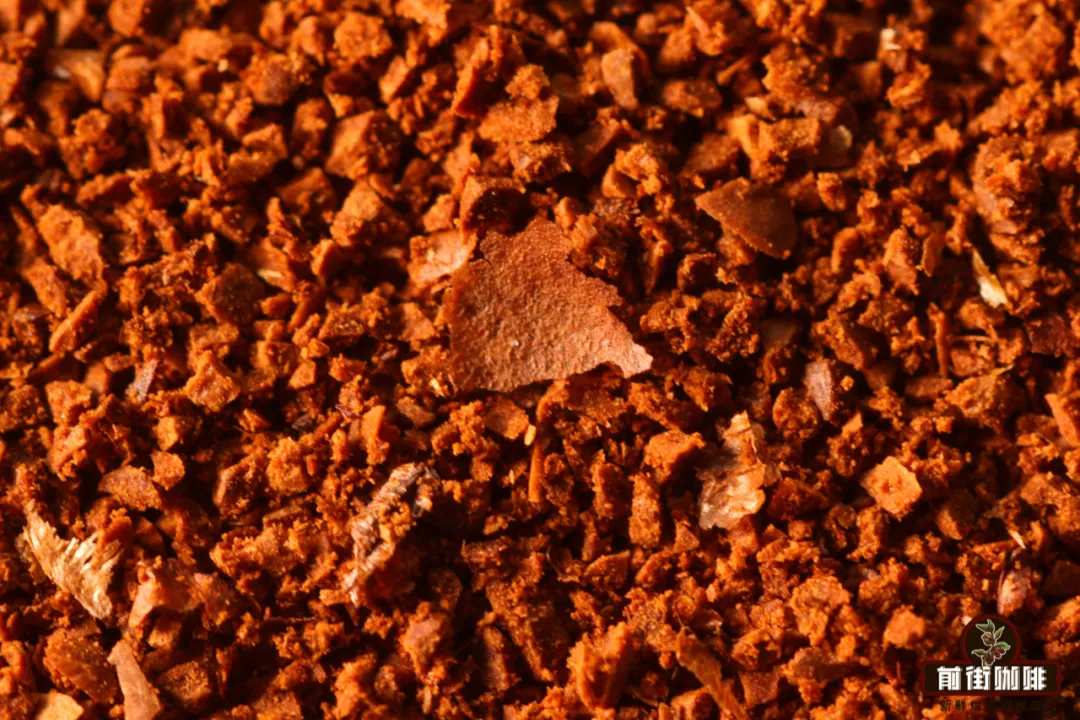
The white flakes mixed into ground coffee are silver skin, the dried residue that clings to the bean surface after green coffee has been processed. It is not mold or a defect, and the amount left behind depends on whether the beans went through a washed or a natural method.
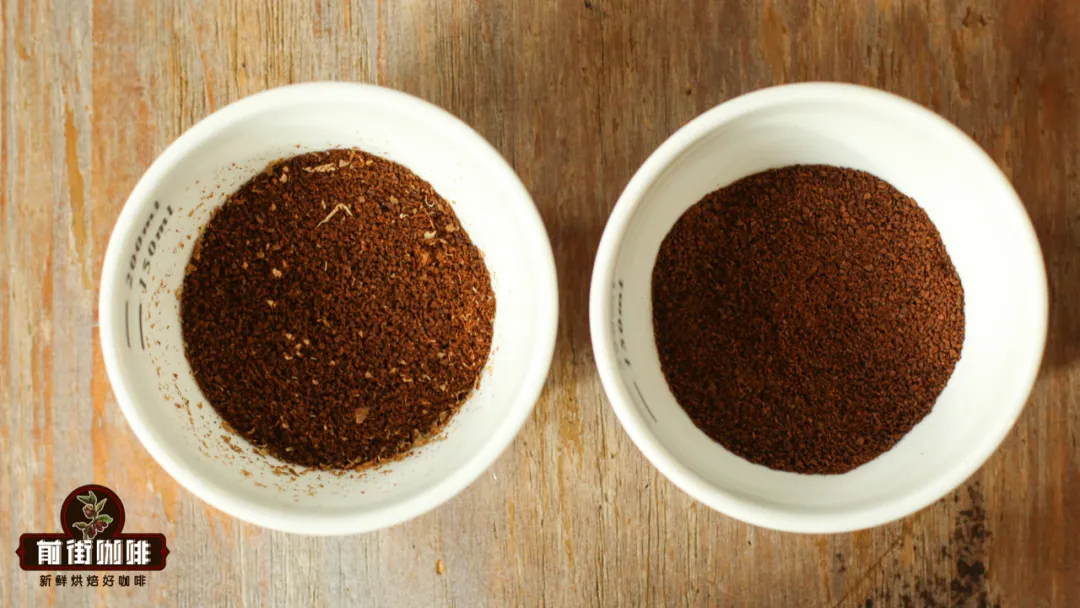
Washed coffee bean processing usually removes more silver skin during fermentation and washing, so fewer flakes show up after grinding. Natural beans keep more of it. For coffee beans for hand brew, a light rinse or a gentle blow removes loose chaff without noticeably changing extraction or flavor.
When grinding coffee beans, have you ever noticed the white flakes mixed in with the grounds? What exactly are these fluffy bits, and do they need to be picked out? Starting from the nature of coffee silver skin, this article systematically breaks down the core differences between washed and natural processing methods, and answers this most frequently asked question from the Front Street Coffee back office. Combining multiple on-site photos, the article explains in detail how silver skin remains under different processing methods, its actual impact on flavor and extraction, and how to deal with it in everyday brewing. Whether you're a beginner just getting started or an enthusiast already used to pour-over, you'll find clear, practical answers here—and never again be puzzled by the white flakes in your coffee grounds.
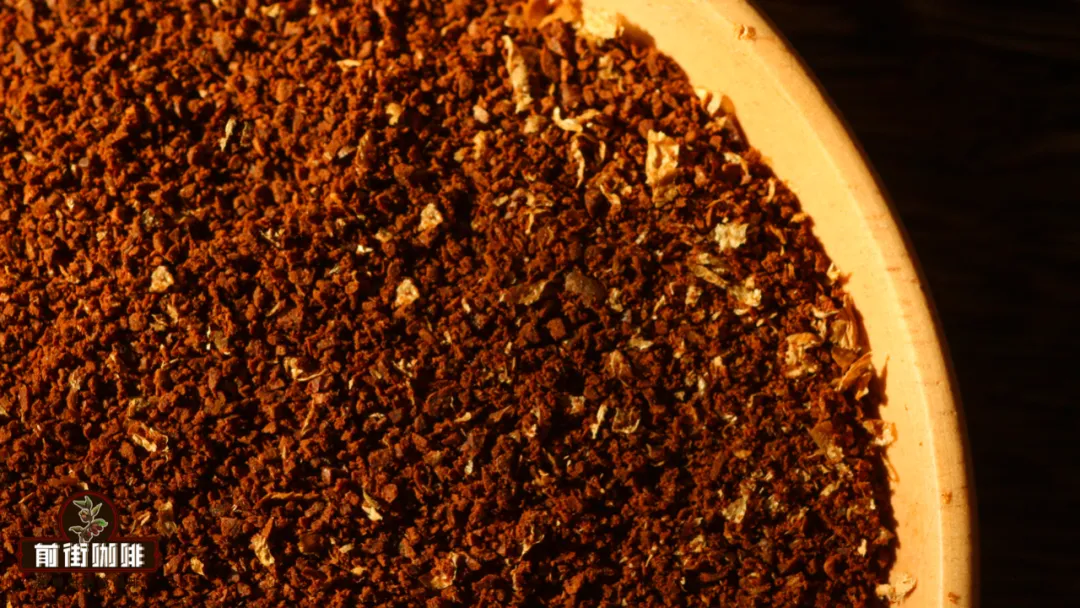
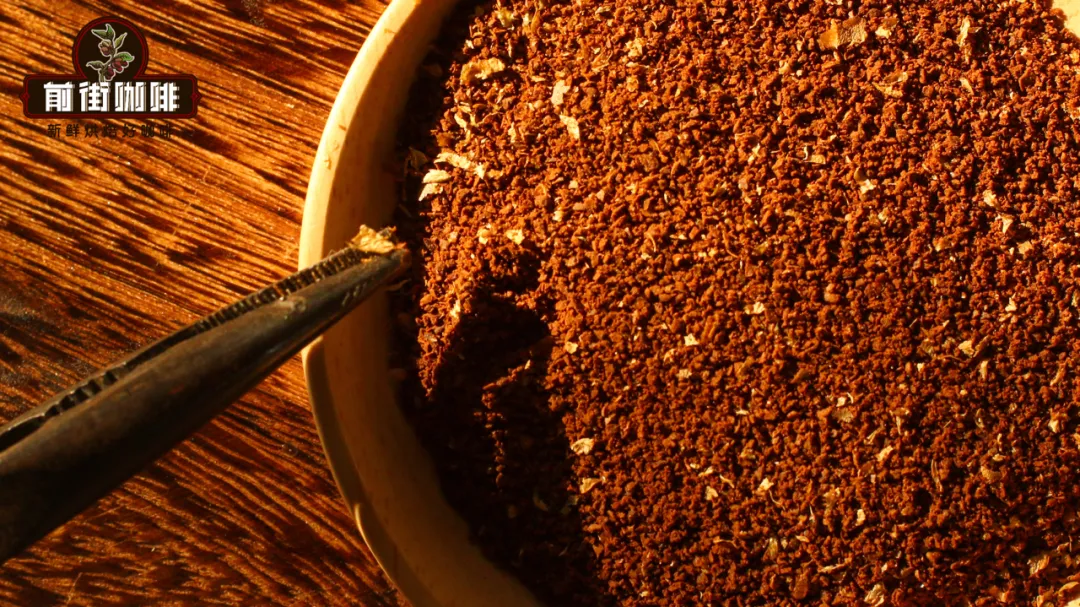
Many people, while grinding coffee beans, encounter a situation like this: the ground coffee is mixed with a large amount of fine white debris. This is almost one of the most frequently asked questions in the Front Street Coffee back office, and precisely because of this, Front Street Coffee has to find new ways every year to "digest" these white flakes.
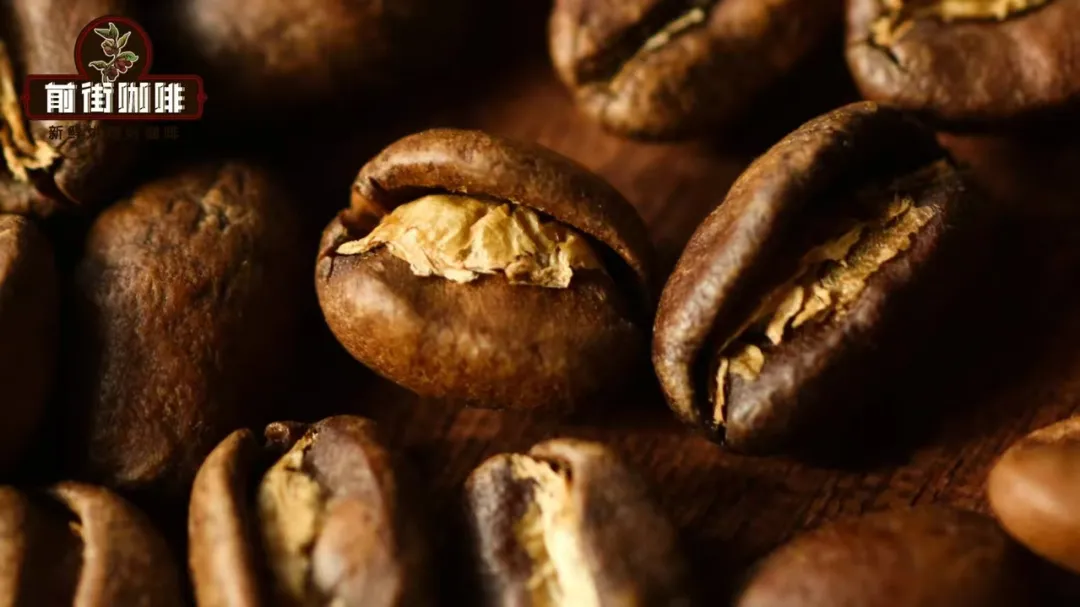
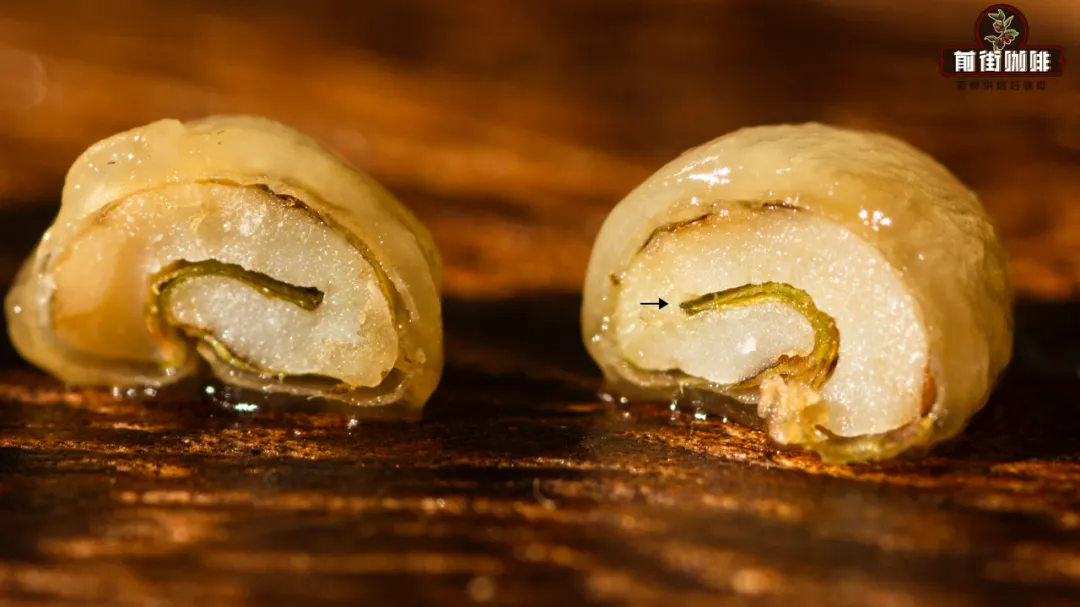
Readers who have seen the article "Three Major Features That Distinguish Natural and Washed Coffee" should remember that these white flakes appearing after grinding are actually the coffee bean's silver skin. It is the only residue that still clings to the bean surface after the green beans have completed processing.


The above content is compiled by CoffeeHunters, a coffee news website.


