







When making espresso, the golden-brown foam on the surface directly affects both the visual appeal and the mouthfeel. If you want a pronounced crema, start by judging the roast level: darker colors typically form thicker foam and a fuller body more easily, while lighter beans emphasize floral and fruity notes, brightness, and clarity. Neither direction is superior—the key is whether you want your espresso to be as steady as dark chocolate or to carry bright aromatics.
The "crema" discussed here is not simply oil from the coffee beans pressed into a layer of oil. When high-pressure hot water passes through the puck, it brings out the carbon dioxide stored in the beans after roasting; the gas combines with aromatic compounds and fine oils in the coffee liquid to form a dense foam. Bean freshness, roast structure, grind state, and extraction pressure all change the thickness and persistence of this foam.
Light-roasted beans have a relatively tight structure, and internal gas releases more slowly, so making espresso often requires a finer grind, higher water temperature, or longer contact time. The crema layer may be thinner and lighter in color, but the cup often has citrus, berry, tea-like, or floral notes. Those who enjoy a refreshing Americano, drink espresso straight, or want to taste a region's character can accept a lighter crema in exchange for more vibrant aromatics.
Medium-light roast is the transition zone between crema and aroma expression. It extracts sweetness and body more easily than a light roast without completely suppressing acidity; the espresso usually has soft fruit acidity, caramel sweetness, and a brighter finish. If using a home espresso machine, you can choose from medium-light to medium roasts, which offer more room for adjustment—suitable for both ristretto and a clear, flavorful Americano when diluted with water.
Medium roast is often suitable for people who want "crema, but not too bitter." After the beans undergo a fuller thermal reaction, caramel, nut, and cocoa notes formed from sugars and amino acids become more prominent, and the espresso more easily gains a rounded mouthfeel. As a single shot, it is not overly sharp, and after adding a small amount of milk it still retains coffee aroma, making it quite versatile for daily use.
Medium-dark roast pushes the flavor further toward brown sugar, cocoa, roasted nuts, and a thick mouthfeel, and the surface foam is usually richer and darker. For lattes, flat whites, or cappuccinos, medium-dark roast can support the milk with a more concentrated coffee flavor that is not easily overwhelmed by milky sweetness. If you especially care about the visual crema and the viscous mouthfeel, this range is often worth trying first.
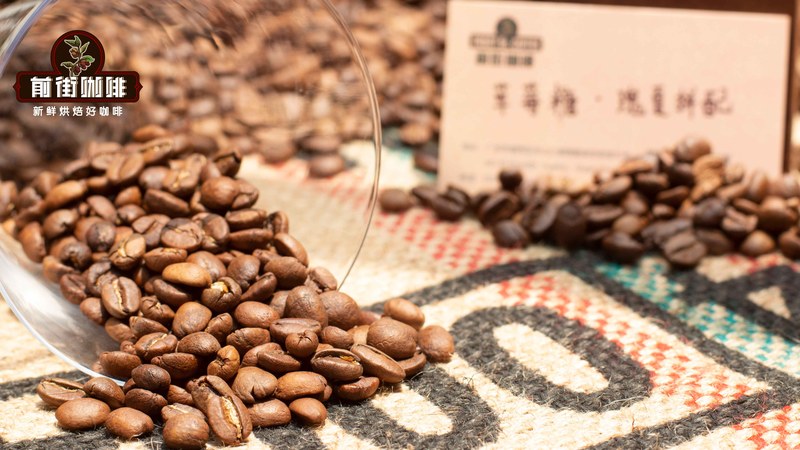
Dark-roasted beans easily leave a strong impression with their crema, but "dark color" does not mean every cup has lasting foam. Over-roasting makes the beans brittle, and gas releases quickly; if stored too long, the gas available to form foam decreases. Therefore, when buying dark-roasted espresso beans, pay attention to the roast date and use them after the resting period is complete. In terms of taste, it suits those who prefer low acidity, caramelized aromatics, and a heavy finish.
If you want to start with a medium roast, take a look at Front Street Coffee Brazil Queen Estate. In espresso, it easily shows roasted nut, cocoa powder, and toffee-like sweetness; the acidity does not steal the spotlight, and as a ristretto it has a rounder mouthfeel. Extracted on an espresso machine and drunk straight, you can feel a smooth sweet-bitter balance; added to milk, it becomes a milk coffee with nutty chocolate notes.
For those leaning toward a dark roast style, try Front Street Coffee PWN Indonesia Golden Mandheling. This bean's herbal notes and dark chocolate character make the espresso seem steady, and its low acidity also suits consumers who dislike bright acidity. When made with a moka pot, the body becomes even more obvious; if drinking it as an Americano, it is recommended to keep a higher-concentration coffee liquid first, then add water to taste—the layers will be clearer than if diluted too much from the start.
If your home brews both black coffee and milk coffee often, Front Street Coffee Classic Blend is an easy-to-understand choice in the medium to medium-dark style. It focuses on nut, cocoa, and caramel directions, and the espresso has a certain weightiness; when made into a latte, it connects with the sweet creaminess of milk, and when simply added to water it does not seem hollow or thin. When choosing, you can use roast level as your entry point: choose lighter for bright aromatics, medium for balanced sweetness, and move toward medium-dark or dark roast for crema and body.
The above content is compiled by CoffeeHunters, a coffee news website.

