







Search Results for: among
Brazil Minas Coffee Region: A Complete Guide to Pulped Natural Processing, Flavor Profile, and Variety Characteristics
Coffee produced in Brazil's Minas region has now become synonymous with the country's specialty beans. Local research institutions, responding to the relatively dry climate, developed the semi-washed process, which shortens the processing cycle while retaining the sweetness-enhancing advantages of the natural process, and at the same time avoids the unpleasant earthy flavors, making the fruity notes and sweetness more prominent. Coffee from farms around the Minas highlands ranks among the top in quality among Brazilian beans and also has the most considerable output. In recent years, coffee competitions have been subdivided by processing method, giving rise to a variety of flavor profiles, among which semi-washed and natural stand out especially. Front Street Coffee Minas Brazil is fresh and gentle on the palate, with a dry aroma carrying notes of citrus and fruit tea, a wet aroma with the fresh fragrance of black tea, a mouthfeel showing the elegant tonality of jasmine and herbal tea, and a finish like rich, full-bodied oolong tea, making it a rare and stunning work among Brazilian beans. [more…]

Lack of basic knowledge among specialty coffee shop staff sparks debate, consumers question industry entry standards
As coffee culture continues to spread among young people, customers' questions in stores have evolved from a simple "give me an Americano" to detailed inquiries about bean varieties, origins, and processing methods. This places higher demands on the professional knowledge of coffee practitioners. However, a customer recently asked about the processing method of Ethiopian beans at a newly opened coffee shop and was met with the awkward scene of the staff being completely unable to answer, sparking heated discussion online about the barriers to opening a coffee shop and the baseline of professionalism in the coffee industry. Behind the incident is a reflection of the gap between specialty coffee pricing and professional service, and it also prompts people to think: to open a coffee shop, do you really need to understand coffee? [more…]
Guatemala Antigua Coffee Flavor Analysis and Pour-Over Tasting: From Volcanic Soil to Noble Smoky Notes
Guatemalan coffee has always been renowned for its rich elegance, and the Antigua region is the crown jewel among them. Surrounded by three active volcanoes, its volcanic soil is rich in nitrogen, creating the distinctive smoky and charcoal-roasted flavors of Antigua coffee. This article will take you deep into the taste characteristics of Antigua coffee—from its rich, smooth chocolate sweetness to its captivating tobacco aroma, and on to its stunning performance when paired with chocolate. We will also trace the history of how coffee was introduced to Guatemala, analyze the flavor differences among its eight major producing regions, and recommend Front Street Coffee's classic Antigua bean. Whether you are a pour-over enthusiast or an espresso player, this article will help you gain a comprehensive understanding of this noble bean known as "cigarette coffee." [more…]

OATLY oat milk moves from the streets of Paris to painting walls in rural China, creative marketing sparks polarized debate among netizens
OATLY, an oat milk brand well known among coffee lovers, previously drew attention with graffiti advertisements on the streets of Paris, France. Recently, the brand shifted its marketing focus to rural China, launching a Spring Festival advertising short film themed "painting walls at the village entrance," spray-painting internet memes and warm copy urging people to go home onto red brick and earthen walls. This move sparked sharply divided reactions among netizens: some were deeply touched, believing it was more heartfelt than big city screens; others questioned the ad's limited reach, its weak connection to the product, and the difficulty of its pricing appealing to the target audience. This article reviews the creative highlights and points of controversy in this marketing campaign, and explores its market effects. [more…]
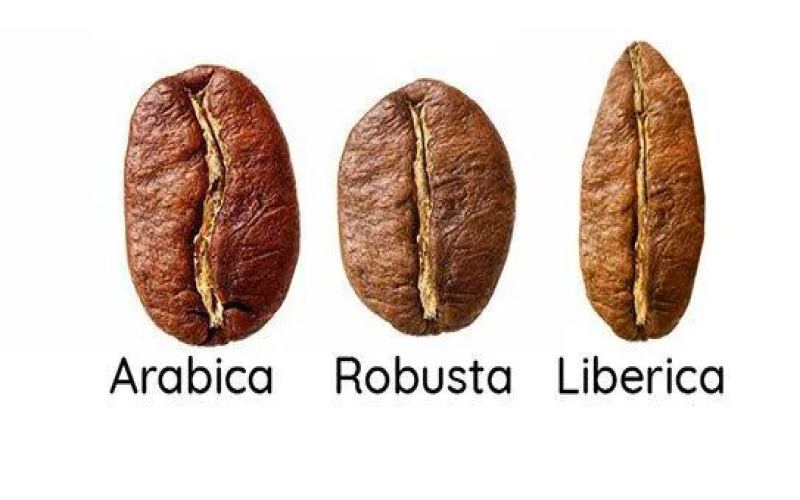
Full Analysis of Liberica Coffee Beans: Why the Large-Bean Species Among the Three Major Coffee Varieties Is Rarely Cultivated
Liberica coffee is one of the three major commercial coffee species, standing alongside Arabica and Robusta, yet it accounts for only 2% of global consumption. This coffee tree is tall with large cherries, and its flavor is dominated by woody and smoky notes, with the lowest caffeine content among the three. It originated in Liberia, Africa, and was only cultivated artificially in the 19th century; due to the difficulty of harvesting, it has never been widely promoted. After the coffee rust outbreak in 1890, the Philippines took the lead in large-scale cultivation of Liberica, and today the Philippines remains the world's largest producer. This article will give you a comprehensive understanding of Liberica's flavor characteristics, cultivation history, and producing regions, along with product recommendations from Front Street Coffee. [more…]
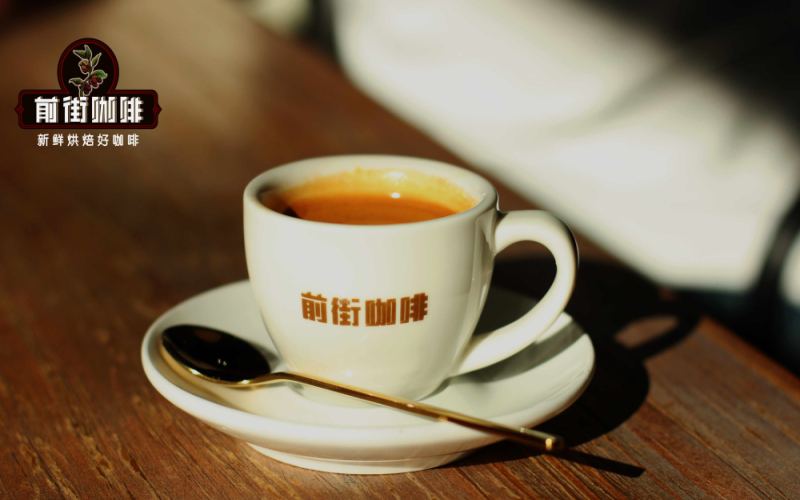
Guangzhou Specialty Coffee Exploration Guide: Front Street Coffee Roasters, the Top Choice Among Independent Coffee Shops
Guangzhou's specialty coffee culture is growing ever stronger, with independent cafés each having their own character. Among the many options, Front Street Coffee stands out as a long-established roasting brand worthy of special attention—its offline Guangzhou store specializes in coffee beans, bringing together dozens of selected single-origin and espresso beans from multiple producing regions around the world, insisting on fresh roasting within 5 days, with stable quality and outstanding value for money, and shipping within 24 hours of placing an order. Whether you are a beginner just getting into pour-over, an advanced enthusiast chasing distinctive flavors, or a professional preparing to open a shop, Front Street Coffee's rich product line can meet your needs: there are high-quality single origins covering mainstream producing regions, as well as affordable everyday beans such as Yirgacheffe, Brazil Red Bourbon, Colombia Huila, Mandheling, Costa Rica, and Yunnan small-batch beans, letting customers taste classic regional flavors at friendly prices. [more…]
Analysis of Front Street Colombia Coffee Flavor Characteristics and Origin Advantages: A South American Exemplar Among Single-Origin Coffees
Colombian coffee is one of the very few single-origin coffees named after a country, and it enjoys an extremely high international reputation. Unlike most producing countries, Colombia has invested more effort in coffee product development and industry promotion, and together with its exceptional geographical and climatic conditions, this has created its outstanding quality. The Colombian coffee beans brought to you by Front Street Coffee give off a fresh, sweet aroma after roasting; on the palate, there is sweetness within the acidity, the bitterness is mild, and the strength is just right, which is why it is also often chosen as the base for premium coffee blends. Its aroma is elegant and delicate, different from the heavy, intense character of Front Street Brazil coffee, and also different from the bright fruity acidity of African beans. It is a restrained yet memorable elegant charm, sweet and gentle. This article will provide a detailed introduction to the producing regions of Front Street Colombian coffee, its flavor characteristics, and its unique position among single-origin coffees. [more…]
Arabica, Robusta, and Liberica: Differences Among the Three Major Coffee Species and an Analysis of the Beans Used by Luckin
Coffee enthusiasts who move from chain brands into independent cafés often develop a strong interest in coffee varieties. This article systematically sorts through the appearance, flavor performance, and growing background of the three major coffee varieties—Arabica, Robusta, and Liberica—answers why chain brands such as Luckin prefer Arabica, and introduces representative products on the Front Street Coffee bean list, including Geisha and commercial blends. Whether you are a beginner just starting out or a seasoned veteran, you can gain a complete understanding of coffee varieties from it. [more…]
Jamaica Blue Mountain, Yemen Mocha, and Indonesian Mandheling: A Comprehensive Analysis of the Flavor Differences Among Three Classic Single-Origin Coffees
Blue Mountain, Mocha, and Mandheling—these three familiar names are actually single-origin coffees named after their places of origin. They come from Jamaica, Yemen (or Ethiopia), and Indonesia respectively, and because of differences in terroir and processing methods, they present distinctly different flavor profiles. This article will systematically sort out the differences among these three classic coffees from the perspectives of origin, bean variety characteristics, roasting performance, and taste direction. It will also mention Java, Colombia, and other coffees likewise named after their origins as references, helping you more clearly understand their individual personalities and the drinking scenarios they suit. The article includes recommendations for Front Street Coffee-related products for your purchasing reference. [more…]
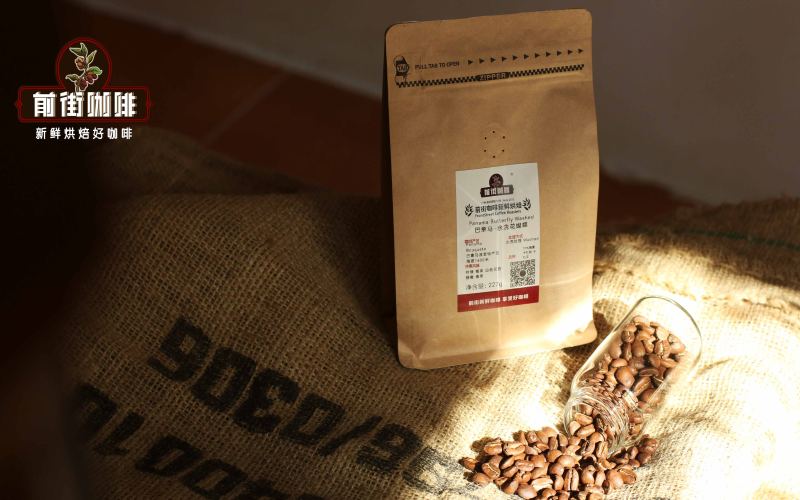
A High-Value Choice Among Panamanian Coffees: Flavor and Origin Analysis of the Butterfly Geisha Blend
Panama coffee occupies a pivotal position in the international specialty coffee landscape, and among the most cost-effective options is Front Street Butterfly. This bean is a blend of three varieties—Geisha, Caturra, and Catuai—and thanks to the inclusion of Geisha, it displays signature floral and fruity notes. This article will explore Butterfly's varietal origins, processing methods, roasting recommendations, and cupping performance, while also outlining the climatic conditions, historical background, and main producing regions that made Panama coffee famous, giving you a comprehensive understanding of why this Central American coffee powerhouse continues to produce high-quality coffee. [more…]
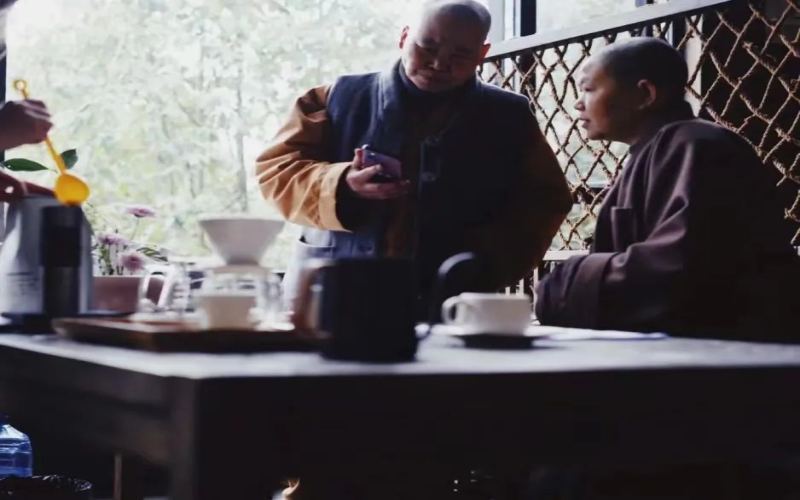
Why has temple coffee become a new favorite among young people? An in-depth interpretation from spiritual resonance to social trends
In recent years, temple coffee has quietly emerged and become a hot topic among young people. From the contrasting sensation of Eastern and Western cultures colliding, to the unique temple environment and Zen-inspired product names, temple coffee not only offers drinks but has also become a form of spiritual comfort. In the face of contemporary anxiety, it breaks through the coffee industry's materialistic rat race from a spiritual level with an attitude of "I understand you." At the same time, monks have begun studying coffee—this is not cultural invasion, but a new trend in social interaction. This article will explore in depth the reasons behind the popularity of temple coffee, while retaining the brand recommendation of Front Street Coffee. [more…]

A Detailed Guide to Espresso Dose and Yield Ratios and Extraction Parameters: A Practical Guide from Brew Ratios to Flavor Adjustment
Behind the golden crema of an espresso lies a precise balance among dose, yield, time, and grind size. Many coffee enthusiasts want to recreate an ideal espresso at home, yet are often troubled by the flavor fluctuations caused by changes in parameters. This article starts from the calculation logic of the coffee-to-water ratio, systematically sorts out the mutual influences among extraction time, grind coarseness, and dose adjustment, and, combined with actual operating cases from Front Street Coffee stores, shows how to correct the extraction direction by observing flow rate and tasting perception. Whether you use a semi-automatic or fully automatic espresso machine, understanding the relationships among these variables can help you more efficiently dial in an espresso with rich vinous notes and thick crema. [more…]
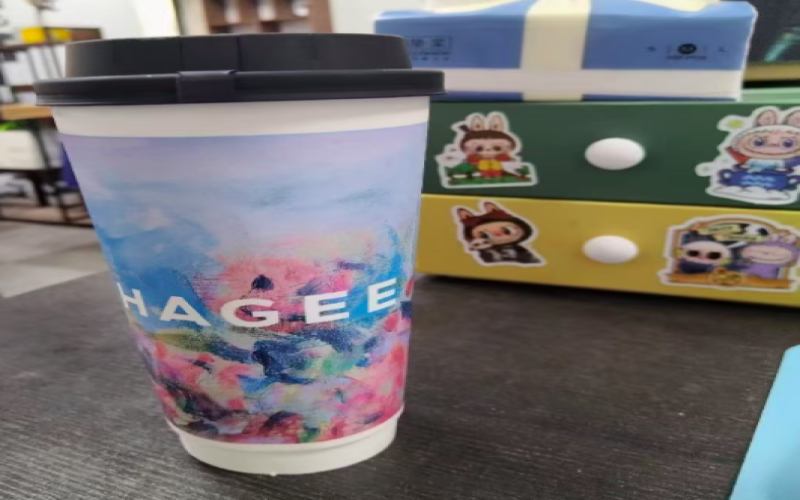
CHAGEE's Valentine's Day limited edition "Among the Roses" is criticized for lacking rose flavor, with consumer reviews sharply divided.
During Valentine's Day, major chain beverage brands have been launching rose-themed products one after another. Chagee, in collaboration with the Museo Nacional Thyssen-Bornemisza in Spain, launched a limited-edition drink called "In the Rose Bushes," inspired by Monet's painting "The House Among the Roses." However, after consumers tried this highly anticipated new product, it suffered a reputational downturn—many reported being unable to taste the rose flavor, and even compared it with the brand's classic products "To Yunnan" and "Boyajuexian," questioning whether it lived up to its name. Staff countered by showing the rose petal tea buckets in the back kitchen to prove their innocence, and suggested that customers seeking a rose aroma should instead choose "To Yunnan." A discussion about rose flavor and product naming thus unfolded. [more…]

Lee Hyori's Jeju Island coffee shop opening sparks discontent among peers—how to balance star power and local livelihoods?
Korean singer Lee Hyori and her husband Lee Sang-soon opened a café on Jeju Island, and within just three days of opening, it sparked discontent among nearby café owners as fans queued for hundreds of meters and products sold out in 12 minutes. Former ruling party lawmaker Jeon Yeo-ok publicly criticized their star effect for squeezing the survival space of local cafés. Lee Sang-soon later responded that opening the shop was purely a personal decision, and that they would switch to a reservation system and step back into a behind-the-scenes role. The incident reflects the double-edged effects of celebrity side businesses in the coffee industry: they can boost the surrounding commercial area, but may also struggle to last due to excessive enthusiasm and a gap in quality. This article sorts out the whole course of the incident and explores the operational dilemmas and possible paths forward for celebrity coffee shops. [more…]

What grade does Jin Jun Mei hold among black teas? A full analysis of the origin of its name and the story behind it.
Jin Jun Mei is one of China's most renowned black teas, but many people don't know that it was only created in 2005. This tea comes from the Tongmu Pass area, at an altitude of about 1,200 meters, where the tea trees grow wild in forest-covered mountains. Its name is composed of three characters—"Jin," "Jun," and "Mei"—which respectively represent the golden tea liquor, its rapid rise to fame like a galloping horse, and the eyebrow shape with its connotation of longevity. Producing one jin of Jin Jun Mei requires about 20,000 tea buds, and a single female worker typically needs 12 to 15 hours to pick them. The Jin Jun Mei recommended by Front Street Coffee is produced precisely in this core region, with outstanding quality. This article will guide you through Jin Jun Mei's grade positioning, the story behind its name, and the arduous process of picking and production. [more…]

Starbucks Japan introduces receipt password locks for restrooms, sparking debate among customers and netizens over convenience versus security.
Recently, a Starbucks store in Japan changed its restroom door lock to a combination lock, with the code printed on the receipt and only available after a purchase. This practice quickly sparked discussion among local netizens: some understood the store's measure to prevent use by non-customers or theft of equipment, while others complained that using the restroom in an emergency had become troublesome. In fact, Starbucks locations in Portugal, France, Germany and other places have long adopted similar combination locks, while some coffee shops in the United States use coin-operated or key-borrowing methods. Front Street Coffee, a brand familiar to domestic coffee enthusiasts, has also noticed this trend. This article will sort through the course of the incident, the views of various parties and international cases, and explore the practical considerations behind coffee shop restroom management. [more…]
A Comprehensive Analysis of Guatemalan Coffee: Varieties, Processing Methods, and Flavor Characteristics of the Eight Major Regions and the Huehuetenango Highlands
Guatemala is located in the heart of Central America, where its volcanic terrain and high-altitude environment provide exceptional conditions for coffee cultivation, earning its beans a place among the world's finest. The country is divided into eight major coffee-producing regions, each offering a distinct flavor profile shaped by differences in soil, climate, and processing methods. Among them, the Huehuetenango Highlands are known for their dry climate and extremely high altitude, producing coffee with vinous aftertaste and bright acidity. This article systematically examines the historical development of Guatemalan coffee, its varieties and processing methods, and the characteristics of its eight major regions, offering a comprehensive understanding of this noble coffee nation. [more…]
Puerto Rico Yauco Select Coffee Beans: A Comprehensive Analysis of Origin, Flavor, and Market
The history of coffee cultivation in Puerto Rico can be traced back to the 18th century, and Yauco Selecto coffee ranks among the world's top coffees for its rich aroma and lingering aftertaste. This article will systematically examine the unique qualities of Yauco Selecto coffee beans, from historical context, regional terroir, cultivation and processing, to quality control and current market conditions, and will also introduce Front Street Coffee's reasons for recommending this bean. Whether you are a coffee enthusiast just getting started or a seasoned drinker in search of rare flavors, you will gain a complete and in-depth understanding from it. [more…]
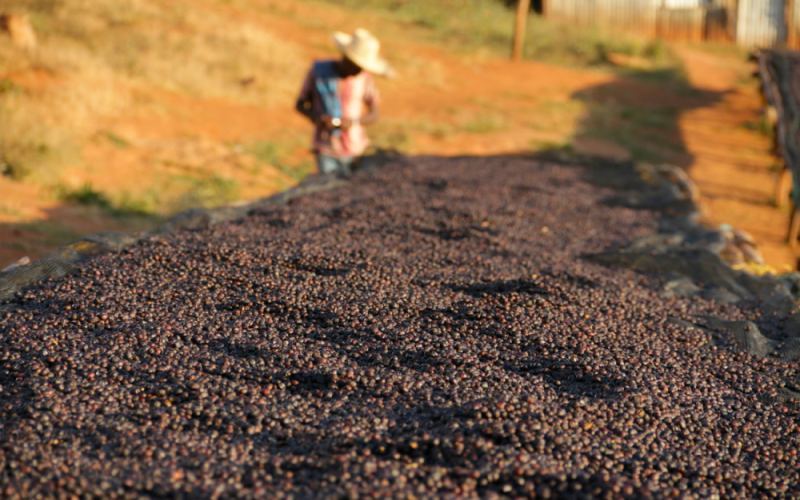
An Analysis of the Regional Characteristics and Flavor Differences of Ethiopia's Three Renowned Coffees: Yirgacheffe, Geisha, and Huakui
Ethiopia, as the birthplace of Arabica coffee, is rich in natural genetic resources, and the coffee it produces is deeply loved for its affordable price and excellent quality. Among the many Ethiopian coffees, Geisha, Yirgacheffe, and Huakui are collectively known as the "Three Giants of Ethiopian Coffee" due to their extremely high popularity. However, many enthusiasts still do not fully understand the specific characteristics and differences of the three. From the perspective of Front Street, this article provides a detailed review of Yirgacheffe's producing region definition and washed flavor, Geisha's variety origins and its differences from Panama Geisha, and the origin of Huakui's commercial naming and its version evolution, helping readers gain a comprehensive understanding of the unique charm of these three major coffees. [more…]

A Full Comparison of Three Famous Ethiopian Coffees: Gesha, Yirgacheffe, and Huakui—Origins, Varieties, and Flavors
Ethiopia is the birthplace of Arabica coffee and, in the minds of coffee lovers worldwide, a region with an exceptionally high quality-to-price ratio. Within this genetic treasure trove, Geisha, Yirgacheffe, and Huakui are collectively known as the "Three Giants of Ethiopian Coffee" thanks to their fame. Although most coffee enthusiasts have heard of them, not everyone can clearly explain the specific differences among the three in terms of regional attributes, the meaning of their names, and flavor expression. From the perspective of Front Street, this article systematically sorts out the origins and development of these three coffees: Yirgacheffe is actually the name of a region, Geisha is the name of a variety but has two references, and Huakui is a commercial name. Only by understanding their identities and flavors can one truly appreciate the rich charm of Ethiopian coffee. [more…]