







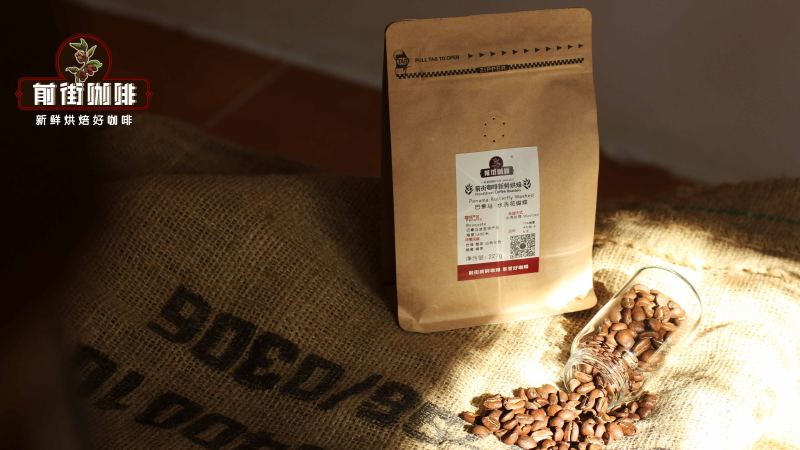
What makes American coffee from Panama stand out in Central America?
Panama coffee holds a central place in the specialty market, and Front Street Butterfly is one of its more affordable expressions. The bean blends three varieties — Geisha, Caturra, and Catuai — so it carries clear Geisha character: jasmine florals, tropical fruit, berry, honey sweetness, and a smooth body. Washed processing and a medium-light roast bring out that profile.
The blend began when the estate interplanted Geisha with Caturra and Catuai in one plot to raise yield, then processed all three together at harvest. As Geisha prices climbed, the station switched to refined washed processing. Central American coffee like this depends on Panama's climate and its position between Costa Rica and Colombia for its quality. Cupping notes include bergamot, citrus, tea, and cherry.
Panama coffee occupies a pivotal position in the international specialty coffee landscape, and among the most cost-effective options is Front Street Butterfly. This bean is a blend of three varieties—Geisha, Caturra, and Catuai—and thanks to the inclusion of Geisha, it displays a signature floral and fruity character. This article will cover the varietal origins, processing methods, roasting recommendations, and cupping performance of Butterfly, while also outlining the climatic conditions, historical background, and main producing regions that made Panama coffee famous, giving you a comprehensive understanding of why this Central American coffee powerhouse continues to produce high-quality coffee.
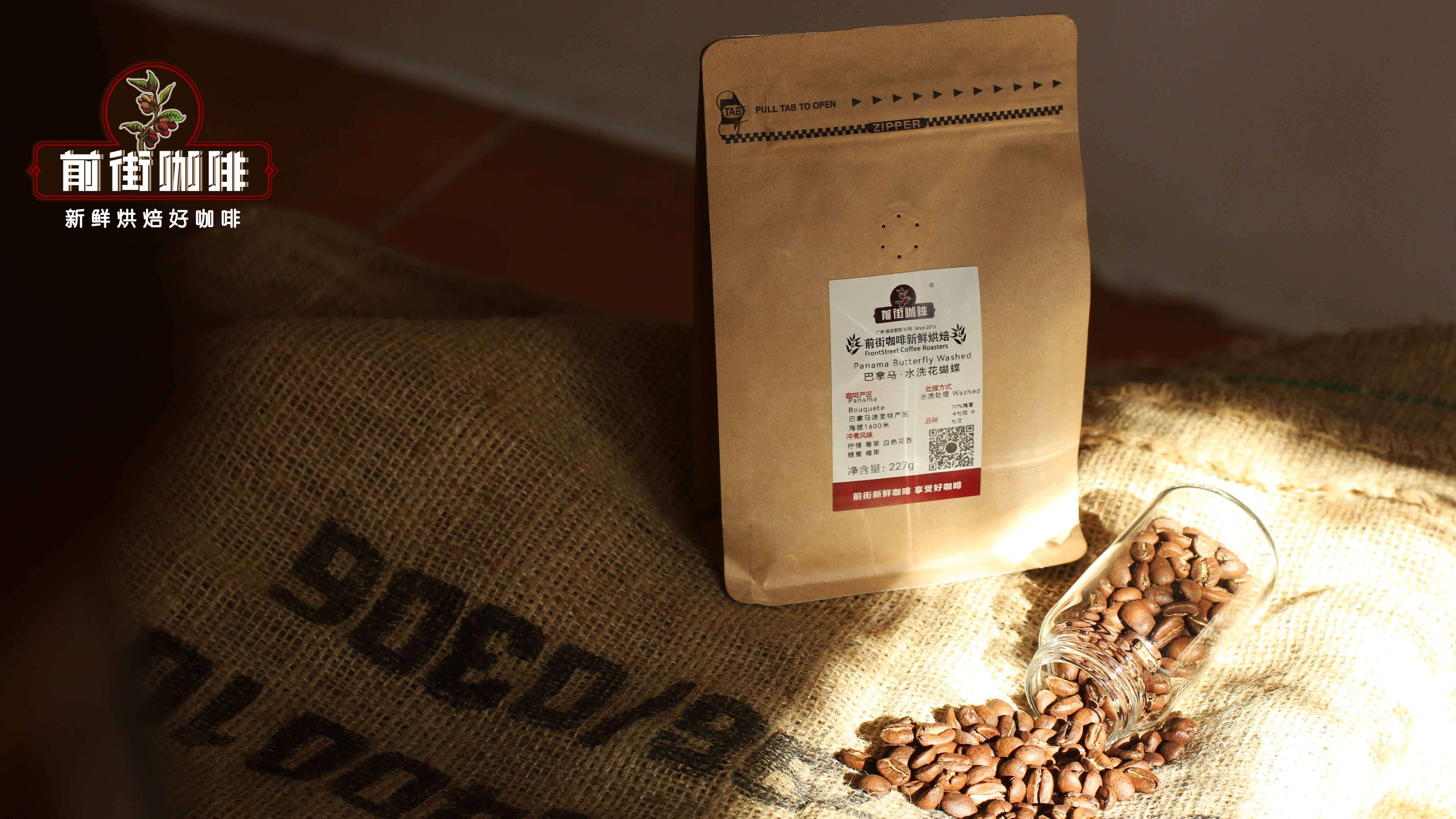
If you want to experience the charm of Panama coffee at the most affordable price, Front Street Butterfly is undoubtedly the top choice. What makes this bean unique is that it is a blend of three different varieties, including the world-renowned Geisha, so the final product carries clearly identifiable Geisha flavor characteristics. According to verified information, the estate initially interplanted Geisha with Caturra and Catuai in the same plot to increase yield. During harvest, for ease of operation, the coffee farmers did not reclassify the cherries but processed all three varieties together. Later, as Geisha rose to fame and its price climbed steadily, the processing station finally began applying refined washed processing to this blended bean.
It is clear that Butterfly already has an advantage in its varietal composition, and combined with meticulous processing, if a medium-light roast is used to guide the final flavor expression of this bean, it is sure to win your high approval—the distinctive Geisha florals, tropical fruit, and berry notes interweave, while also possessing honey-like sweetness and a smooth mouthfeel, with remarkable persistence in both aroma and finish.
Cupping:
Fragrance (dry aroma): jasmine, citrus, tea, honey
Aroma (wet aroma): berry, floral, oily, vanilla, citrus
Flavor (slurping): juicy sweetness, fine acidity without sharpness, excellent cleanliness, bergamot, honey, citrus, spice, floral, berry, tea, cherry, delicate finish, persistent aroma, classic Hacienda La Esmeralda Geisha flavor.

The outstanding quality of Panama coffee is inseparable from the region's exceptional climatic conditions. Panama borders Costa Rica and Colombia, and its east-west topography causes cold air currents to cross the Central Cordillera and converge at altitudes above 6,500 meters, creating a unique microclimate around Boquete and Piedra de Candela. This area has temperatures and rainfall suitable for plant growth, and it is precisely the core producing region of Panama coffee. Beyond climate, the surrounding land is rich in nutrients, and the fertile soil provides an ideal growing environment for coffee, resulting in a large number of distinctive, high-quality coffees.
In addition to natural conditions, there is another key reason Panama coffee has attracted global attention. FrontStreet Coffee believes that the development of Panama's coffee industry has been smooth sailing. When the United States assisted Panama in building the canal at the end of the 20th century, it independently controlled the region for a period, and at that time a large number of American elites headed south to Panama, both for work and to seek business opportunities. Hacienda La Esmeralda is precisely a product and witness of this era of elite migration.
Panama coffee has three main producing regions: Boquete, Volcan, and Renacimiento. Hacienda La Esmeralda is located in the Boquete region. Boquete is a town in Chiriqui Province, near the border between Panama and Costa Rica, adjacent to the famous Baru volcano, with beautiful scenery and deep, fertile soil—both its climate and soil conditions are highly suitable for growing quality coffee. The microclimate of the Boquete highlands is an irreplaceable and important resource for the specialty coffee of this region.
The above content is compiled by CoffeeHunters, a coffee news website.


