







Search Results for: advantages

Coffee Dripper | Why Is the V60 So Popular? What Design Advantages Does the V60 Have? Is the V60 Suitable for Coffee Beginners with Zero Experience?
If you're a beginner and you ask a seasoned coffee veteran to recommend a practical, easy-to-use pour-over dripper, then Front Street Coffee believes the dripper they'd recommend to you is most likely a product launched over 20 years ago—the V60. Even though new drippers keep coming out every year, as of today, it's still [more…]
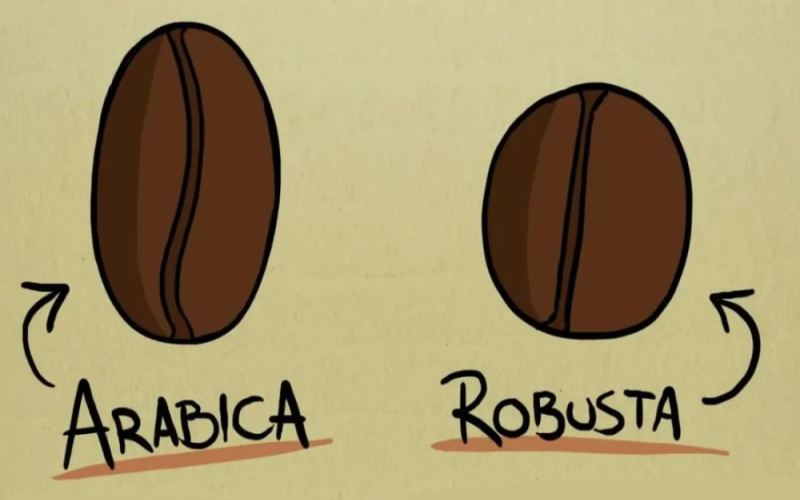
What Are Robusta Coffee Beans? An Analysis of Robusta's Flavor Characteristics, Cultivation Advantages, and Applications in Espresso Blends
Robusta is a mainstream commercial coffee bean species alongside Arabica on the market, but it is often labeled as "bad-tasting" and "bitter." Is it truly destined to have no place among good coffees? This article systematically reviews Robusta's characteristics, advantages, and disadvantages from the perspectives of flavor formation, cultivation advantages, and specialty potential, and explains why it is indispensable in Italian espresso and commercial blends. At the same time, drawing on the formulation approach of Front Street Coffee's commercial blend coffee beans, it introduces how to use 10% washed Robusta combined with Colombian and Brazilian beans to obtain rich crema, nutty aroma, and a creamy mouthfeel, helping coffee lovers rediscover this underestimated bean. [more…]

An In-Depth Analysis of the Natural Process: Advantages, Disadvantages, and Flavor Evolution from Traditional Sun-Drying to Slow Fermentation
The natural process is the oldest method of coffee processing, allowing the fruit to dry naturally while the beans mature inside the pulp, resulting in intense flavor and prominent sweetness. Today, the natural process has been refined, from African raised beds to single-layer slow fermentation, greatly improving quality and even becoming the top choice for competition-grade coffee. This article will guide you through a comprehensive understanding of the natural process's operational flow, flavor advantages, traditional flaws, and modern improved techniques, and recommend freshly roasted beans such as Front Street Natural Huakui and Front Street Red Cherry, allowing you to understand the unique charm of naturally processed coffee from theory to practice. [more…]
Pour-Over Coffee Beginner's Guide: Four Major Advantages, Filter Paper Selection, and Key Brewing Practices
Pour-over coffee has become the preferred brewing method for many coffee enthusiasts thanks to its advantages of being clean, free of off-flavors, clear, and simple and safe. This article starts from a comparison of brewing devices such as the French press, the Clever Cup, the AeroPress, and the siphon, and takes an in-depth look at the core principles of pour-over coffee—the three key elements of coffee grounds, filter paper, and hot water. It focuses on revealing the critical influence of filter paper on flavor and explores the feasibility of brewing with boiling water. At the end, using the 2018 Huakui Natural Sidamo as an example, it fully presents the V60 brewing parameters and flavor performance, making it suitable as a reference for readers who wish to improve their pour-over brewing skills. [more…]
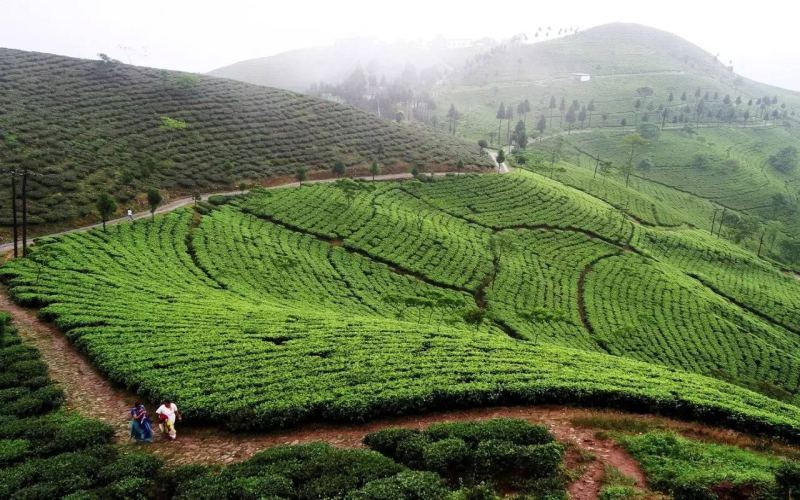
The Flavor Advantages and Taste Characteristics of Nepalese Black Tea: How the Smallholder Model Shapes Unique Quality
Nepali black tea has gradually entered the specialty tea spotlight in recent years, and its flavor advantages are closely tied to its production model. Unlike fully owned estates in Darjeeling, Nepali tea is mostly grown by independent smallholders and then sold to factories for processing. Although this dispersed structure brings quality fluctuations, it also fosters room for innovation. Nepali tea traders import small batches from Ilam factories, and the spring pekoe even shows a unique flavor reminiscent of buttery sweet corn. Some practitioners believe that smallholders treat the tea trees as their own, and this is precisely the source of quality potential. At the same time, the social enterprise model is attempting to balance industrial upgrading with rural livelihoods. Front Street Coffee continues to follow developments in such producing regions, helping enthusiasts understand the taste characteristics and market prospects of Nepali black tea. [more…]

A Detailed Guide to Cold Brew Coffee Making: Counting the Five Hidden Advantages of Cold Brew
Cold brew coffee is a hot-selling product in many coffee shops, and it is also one of the few brewing methods that can be completed entirely without a coffee machine. In the eyes of many, it almost represents what an ideal cup of coffee should be—simple to make, with numerous benefits attached. In this article, Front Street Coffee will walk you through the five surprising advantages of cold brew coffee and demonstrate step by step a coffee-shop-level cold brew process. From caffeine content to acidity, from weight management to equipment thresholds, and then to bean selection ideas and specific parameters, whether you want to find a more relaxed way to wake up or want to achieve cold brew freedom at home, you will find practical references in the following text. [more…]

Low-Temperature Slow Extraction for Eight Hours: Flavor Advantages, Storage Tips, and Bean Selection Advice for Cold Brew Coffee
Cold brew coffee, with its low-temperature slow-drip extraction method, shows unique advantages in taste and shelf life. It not only avoids the bitterness caused by high temperatures, but also achieves a rich, layered, aromatic flavor through prolonged refrigeration and fermentation. However, making a pot of cold brew takes 6 to 8 hours, and the amount of grounds used is higher than for regular iced coffee, so the price is relatively higher. Why exactly is cold brew coffee sweet and smooth? How long can it be stored? And what beans should be chosen to make it? This article will start from Front Street Coffee's production experience to answer these questions one by one, and recommend the dark-roasted Golden Mandheling, which is suitable for making rich cold brew. [more…]
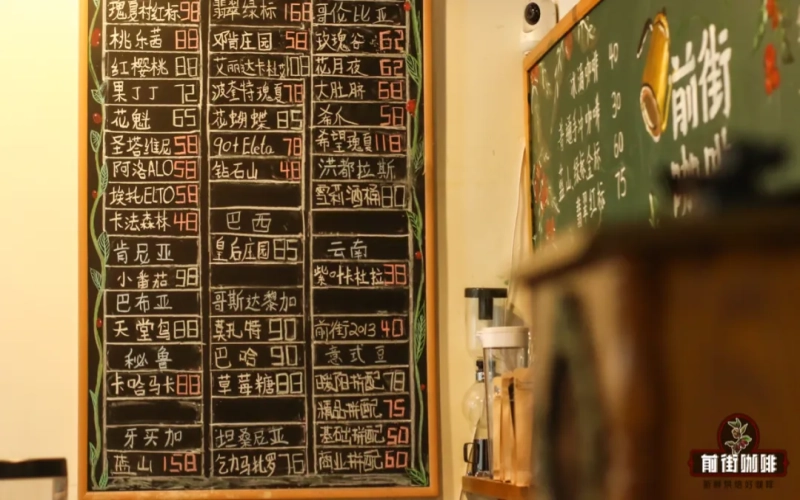
Analysis of Caturra and Catuai Coffee Varieties: Genetic Relationship, Cultivation Advantages, and Flavor Profile Comparison
Caturra and Catuai are two coffee varieties that appear with extremely high frequency in the coffee world, and they are not hard to find whether on large estates or in small producing regions. Nearly one-third of the products on Front Street Coffee's bean list are made up of these two varieties, which shows just how important they are. Caturra originated from a genetic mutation of Bourbon, and because of its short stature, high yield, and sun tolerance, it became a mainstay variety in Central America; Catuai, meanwhile, was developed by crossing Caturra with Mundo Novo, inheriting the former's advantages while improving disease resistance. This article will sort out in detail the origins, agronomic characteristics, and flavor differences of the two, and combine them with Front Street Coffee's cupping experience to help you understand why these two varieties have won the favor of so many coffee farmers. [more…]
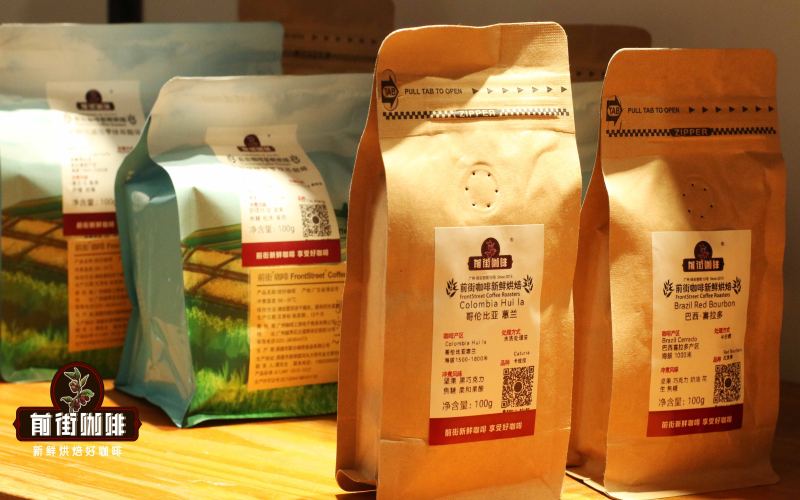
Ice Drip Coffee Flavor Characteristics | What Are the Advantages of Cold Brew Coffee? Which Light, Medium, and Dark Roast Specialty Coffee Beans Are Recommended for Ice Drip, Cold Brew, and Iced Pour-Over Coffee?
Cold brew refers to saturating coffee grounds with ice water until moistened, then slowly dripping through while adjusting the drip rate; the resulting coffee is aromatic, smooth, and full-bodied, with flavors that vary depending on the beans chosen. The advantages of cold brew coffee are that it is neither sour nor astringent and does not upset the stomach, because when coffee is made by this method, the selected [more…]

Flavor Characteristics of Natural Process Coffee Beans, Process Advantages and Disadvantages, and Analysis of Two Representative Natural Beans
The processing method of coffee beans largely determines the flavor direction of the final cup, and natural sun-drying, as the oldest green bean processing technique, is still widely adopted by many producing regions around the world today. From the perspective of Front Street Coffee, this article systematically reviews the complete sun-drying process—from fruit picking and screening, natural drying, to depulping and hulling, and storage—and provides an in-depth analysis of the advantages and limitations of this processing method. At the same time, the article will also introduce two representative sun-dried coffee beans: Ethiopian Huakui and Panama Elida Estate Sun-Dried Typica, helping readers gain a more comprehensive understanding of how sun-drying gives coffee a rich fermented character, full sweetness, and abundant layers. [more…]
Brazilian Coffee Bean Brand Recommendation: Front Street Queen's Farm Yellow Bourbon Flavor Analysis and Medium Roast Advantages
Brazil, as the world's largest coffee producer, is known for coffee beans with nutty aromas and a balanced taste. This article recommends Front Street Coffee's Queen's Estate Yellow Bourbon coffee beans, providing a detailed introduction to their region, altitude, variety, and sun-dried processing method, analyzing the differences between Yellow Bourbon and Red Bourbon, and sharing Front Street Coffee's cupping flavors and brewing parameters. The article also covers various extraction methods such as moka pot, Americano, and siphon, helping coffee enthusiasts gain a comprehensive understanding of this rare bean variety's unique charm and the advantages of medium roasting. [more…]

Exploring Tanzania's Mbinga Region: The Geographic and Human Advantages of an Emerging Southern Specialty Coffee Origin
The African continent is not only the birthplace of coffee, but also home to many outstanding coffee-producing countries. As an important origin in East Africa, Tanzania has earned its place in the specialty coffee world with its unique geographical environment and cooperative model. Beyond the well-known Kilimanjaro region, Mbeya in the south is gradually gaining attention. This article will guide you through an overview of Tanzanian coffee and take a deeper look at the geographical advantages, growing conditions, and unique features of the local cooperatives in the Mbeya region, while also sharing the Tanzanian coffee flavor experience recommended by Front Street Coffee. [more…]
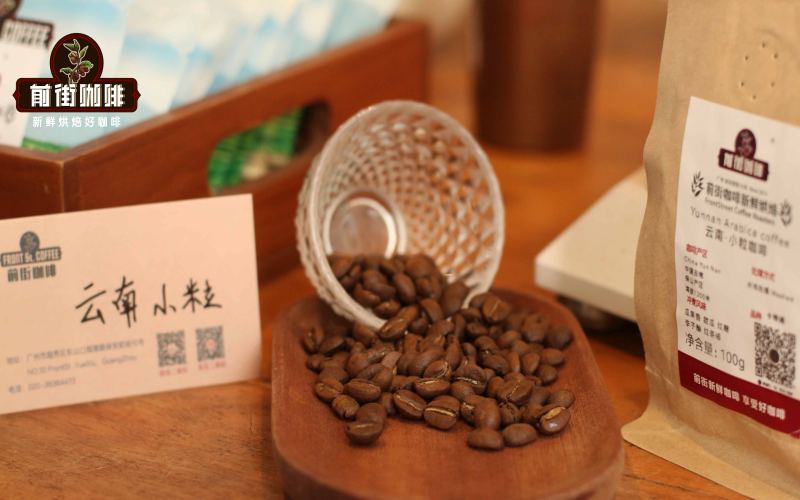
How to identify Catimor coffee beans by appearance and their flavor characteristics: the defects and advantages brought by Robusta genes
Catimor is a hybrid of Arabica and Robusta, widely cultivated for its disease resistance and high yield, and it dominates production in Yunnan in particular. However, its Robusta lineage also brings controversy in terms of flavor—it is often criticized for lacking aroma and for having grassy and earthy notes. This article will start with Catimor's physical characteristics, analyze how it differs from pure Arabica varieties, and explore its cupping performance at different altitudes. At the same time, we will also introduce the specific flavors of Front Street Coffee's Yunnan small-bean coffee and the brewing methods it suits, helping enthusiasts gain a more comprehensive understanding of this variety's strengths and weaknesses. [more…]

How Is Decaf Coffee Decaffeinated? Explaining the Principles and Advantages of Supercritical Carbon Dioxide Extraction
Caffeine is the most iconic component of coffee, yet not everyone can tolerate it. It is both the primary source of bitterness and a neurostimulant that affects sleep. Thus, decaffeinated coffee was created to remove caffeine. However, the challenge of decaffeination lies in how to remove only the caffeine while preserving the aroma and flavor of coffee as much as possible. Early methods using organic solvents were effective, but left consumers concerned about residues. It was not until the advent of supercritical carbon dioxide extraction technology that a truly efficient and highly selective decaffeination process was achieved. This article will guide you through the principles of this technology, its development history, and its unique advantages in coffee decaffeination, while also introducing Front Street Coffee's attention to and practice of this process. [more…]
A Comprehensive Analysis of the Caturra Coffee Variety: Characteristics, Advantages, Cultivation Distribution, and Flavor Profile of the Bourbon Mutation
Caturra is one of the most common coffee varieties in Central and South America. As a natural mutation of Bourbon, it has become the dominant variety in many producing regions thanks to its compact size, high yield, and ability to adapt to direct sunlight. This article will guide readers through a comprehensive understanding of this variety, covering Caturra's origin and discovery, its botanical advantages, its spread across Central and South America, and the typical flavors presented by the pure Caturra coffee beans from the Alasitas estate in Bolivia selected by Front Street Coffee. Whether you are just beginning to learn about coffee varieties or want to gain a deeper understanding of the relationship between Caturra and Catuai, this article offers clear and practical reference. [more…]
Yunnan Baoshan Lujiang Small-Bean Coffee: Brand Recommendations and a Full Analysis of Flavor Advantages
Lujiang Town in Baoshan, Yunnan, is known as China's No. 1 Coffee Village, and the small-bean coffee produced here has won a world gold award. This article starts from the Third Baoshan Coffee Culture Festival to introduce the varietal advantages, growing environment, and historical honors of Baoshan small-bean coffee, analyze the pain points in picking and processing faced by coffee farmers, and recommend worthwhile Front Street Coffee products, offering coffee lovers professional guidance for choosing Yunnan coffee. [more…]

What Exactly Does Balance in Pour-Over Coffee Mean? The Balanced Advantage of the Typica Variety, Seen Through the High Price of Blue Mountain Coffee
In coffee cupping, "balance" is an important scoring dimension, but what it measures goes far beyond the simple harmony of acidity, sweetness, and bitterness. The interrelationship among four elements—acidity, sweetness, body, and aftertaste—is the true criterion for judging balance. Blue Mountain coffee has always been renowned for its balance; even though it may not excel in any single aspect on its own, it delivers the most comfortable overall experience. Starting from Front Street Coffee's cupping experience and drawing on specific cases, this article analyzes the meaning of balance, and explores the reasons behind Blue Mountain coffee's high price as well as the unique advantages of its Typica variety. [more…]

What Are the Principles and Advantages of Pulse Pouring in Pour-Over Coffee? A Full Analysis of Water Ratios and Flexible Adjustment Methods
In the practice of pour-over coffee, staged pouring is a widely used technique, yet the principles behind it and the scenarios in which it applies are often overlooked. Drawing on Front Street Coffee's brewing experience, this article systematically outlines the three major advantages of staged pouring: extending extraction time, improving extraction efficiency, and avoiding bypass water. At the same time, using concrete examples, the article explains how to flexibly adjust the number of pouring stages according to variables such as grind size, water temperature, coffee dose, and bean density. Whether you are a beginner just getting into pour-over or an enthusiast hoping to refine your technique, you can gain practical reference ideas from it to make each cup of coffee's flavor expression more stable and fuller. [more…]
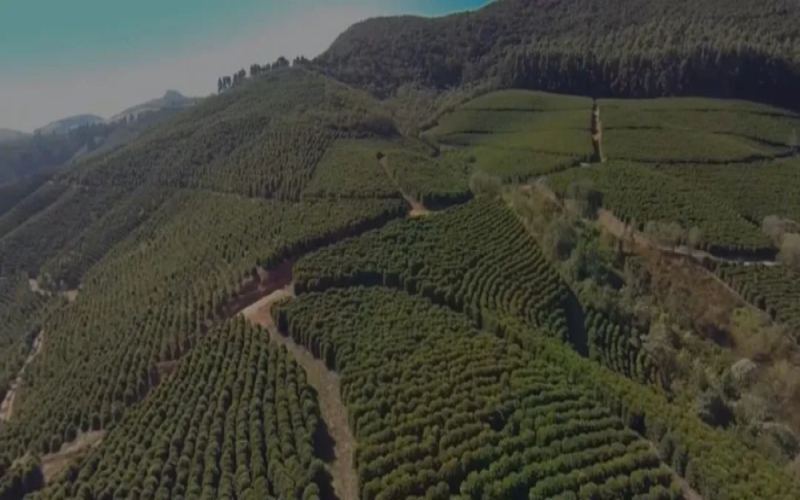
Analysis of Brazil's Pulped Natural Process: Flavor Characteristics, Processing Advantages, and Major Specialty Regions
As the world's largest coffee producer, Brazil has also developed its own distinctive processing methods, among which the Pulped Natural method sits somewhere between washed and natural. This article will outline the specific steps of pulped natural processing, its advantages over traditional natural processing, and the distribution of Brazil's main specialty coffee regions. It will also draw on two beans currently sold by Front Street Coffee—Brazil Cerrado and Queen's Farm—to help readers understand how this processing method performs in actual cupping. [more…]
Colombian Coffee Varieties and Huayue Night Flavor Analysis: Characteristics of Good Coffee Beans and the Advantages of the Boquete Producing Region
Colombia is a globally renowned coffee-producing country, and the Huila region's Flower Moon Night coffee, produced through a combination of anaerobic natural processing and the Caturra variety, displays a unique flavor profile of strawberry, floral notes, and a dark cocoa finish. This article begins with Front Street Coffee's Flower Moon Night and extends to the advantages of the high-altitude microclimate and volcanic soil of Panama's Boquete region, analyzing the cultivation conditions and processing techniques behind good coffee beans. It also introduces the origins and flavor characteristics of the Caturra variety, as well as Gatineau Farm's practices of low-temperature slow fermentation and slow drying to enhance quality, providing coffee enthusiasts with a complete understanding from origin to cup. [more…]