







Search Results for: World Inspired Coffee Series
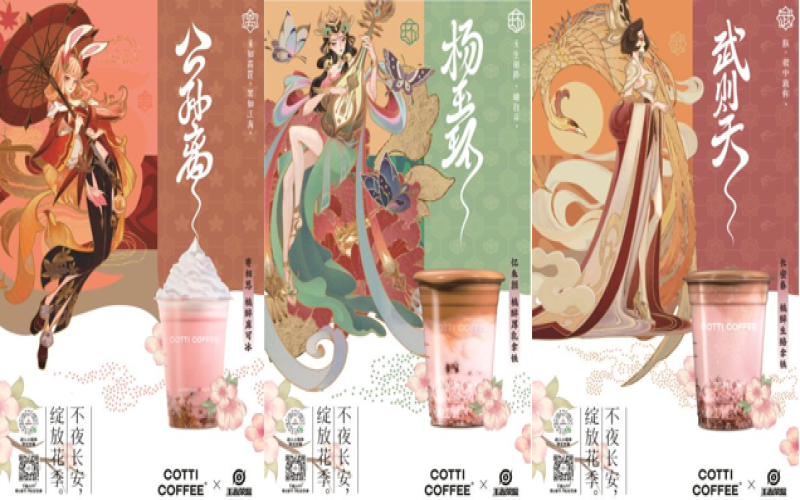
Cotti Coffee Teams Up with Honor of Kings for the Peach Tipsy Series: Can Its Co-Branding Strategy and Store Expansion Break Through?
Cotti Coffee announced on February 28 a co-branding partnership with the hit mobile game Honor of Kings, launching the Peach Drunk series of drinks and limited-edition merchandise inspired by the classic images of three highly popular characters: Gongsun Li, Yang Yuhuan, and Wu Zetian. The news immediately drew attention. Although the official launch date has not yet been announced, store materials and netizen photos have already leaked in advance, and store staff revealed that the new products will officially launch on March 6. This is not Cotti's first time using co-branding to build hype. From sponsoring the Argentina team at the World Cup to partnering with the streetwear brand SMILEY, this brand, established only four months ago, is seizing the market through a path of "rapid store expansion + ultra-low prices + marketing," and has proclaimed a goal of 10,000 stores by 2025. However, data from Zhaomen Canyan shows that it actually covers only 81 cities with 232 stores, a gap from the advertised "a hundred cities, a thousand stores." Whether Cotti, which is repeating Luckin's old path, can succeed still remains to be seen. [more…]
2025 Drip Bag Coffee Buying Guide: Popular Brands Overview and Front Street Single-Origin Bean Recommendations
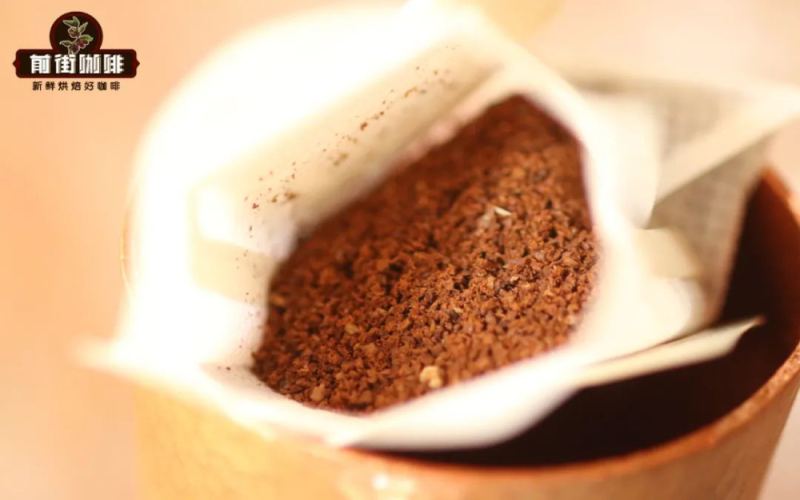
As a convenient representative of the black coffee family, drip bag coffee lets you enjoy a cup of freshly ground quality coffee anytime, anywhere, with just a pot of hot water and a cup. It was first invented by Japan's Yamanaka Sangyo Co., Ltd. in 1990, inspired by the design of stringed tea bags, and after being patented in 2002, it quickly swept the world. Front Street Coffee's drip bags use a 10g per bag specification, capable of brewing about 130 to 150 ml of coffee liquid, just right for a single serving. This article will systematically introduce the origin, advantages and disadvantages of drip bag coffee, and, according to different taste preferences, share several single-origin coffee beans from Front Street's bean list that are suitable for making drip bag coffee, including PWN Golden Mandheling, Brazil Cerrado Red Fruit, and Yunnan Small Bean, helping coffee lovers easily achieve coffee freedom in the office, at home, or outdoors. [more…]
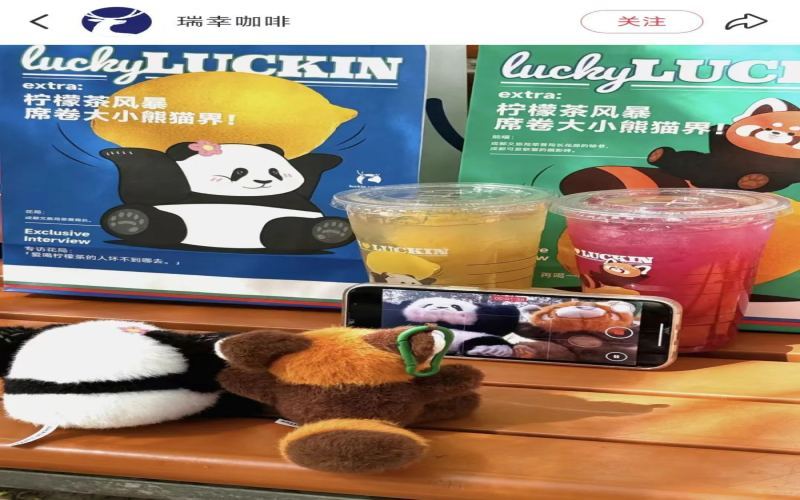
Luckin Coffee teamed up with Chengdu Culture and Tourism to launch panda plush toys, but quality control issues with the Huahua plushie sparked a collective backlash from netizens.
Luckin Coffee recently teamed up with Chengdu Culture and Tourism to launch a co-branded series, creating ice cups, paper bags, cup sleeves, and merchandise inspired by giant pandas, with a plush keychain modeled after the top-tier panda "Huahua" highly anticipated. However, after the campaign launched, many consumers found the actual products they received fell far short of the promotional images—with skewed facial features and bizarre expressions, mockingly dubbed "underbite," while the red panda version also suffered quality control issues, sparking a wave of "ugly panda" posts on social media. What was originally intended to win fans through this collaboration unexpectedly turned into a discussion about merchandise quality and fidelity. [more…]
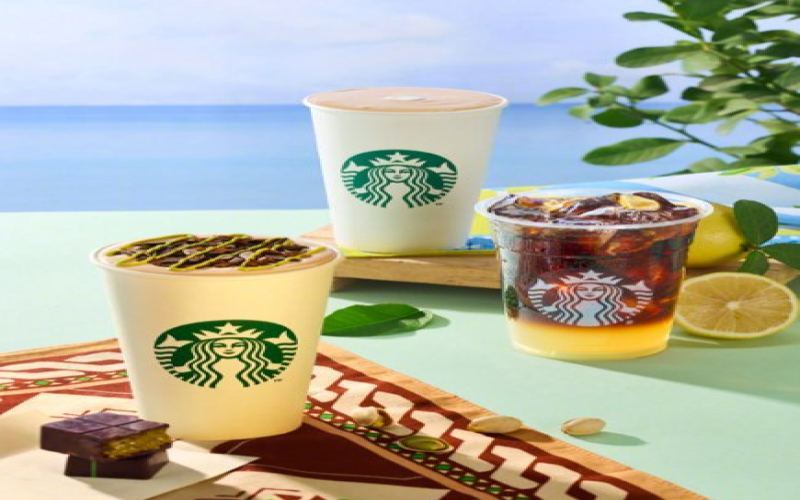
Starbucks World Inspiration Series launches new items: Lemon Flat White criticized as tasting like dish soap, three new products receive polarized reviews
Starbucks recently launched its "World Inspiration Coffee Series," rolling out three new drinks in one go: Dubai Chocolate Flavored Latte, Sicilian Lemon Blonde Roast Americano, and Sicilian Lemon Blonde Roast Flat White, letting customers experience exotic flavors at home. As soon as the news broke, brand fans rushed to order on the launch day to try them, and shared their honest impressions on social media. The three drinks received noticeably divided reviews: the Dubai Chocolate Latte was praised as tasting like a pistachio latte, the Sicilian Lemon Americano stirred old fans' memories of the 2019 Sour Lemon Cold Brew, while the Lemon Flat White, due to its combination of lemon concentrate, blonde roast espresso, and oat milk, was described by many tasters as tasting like "lemon dish soap," sparking heated discussion. Some advised others to skip it, while others, driven by curiosity and reverse psychology, insisted on giving it a try. So is this niche combination a flop or a hidden gem? This article walks you through real consumer feedback. [more…]

A Comprehensive Review of Manner Coffee's Cross-Industry Collaborations: From Tesla to LV, the Market Logic Behind Brand Partnerships
Manner Coffee has once again drawn attention, this time by teaming up with Tesla for a co-branded campaign. As a recognized master of collaborations in the coffee world, Manner's cross-industry footprint has already covered automobiles, luxury goods, beauty, sports, and many other sectors. From NIO to LV, from Helena Rubinstein to Allbirds, each partnership has precisely captured the brand tone, creating a win-win of both buzz and sales. This article will review Manner's major co-branding cases over the years, analyze the brand strategy and consumer psychology behind its success, and include professional information recommendations from Front Street Coffee. [more…]

Starbucks 2023 Butterbeer Iced Espresso Latte Review: Does It Contain Alcohol? A Full Analysis of Taste and Consumer Feedback
The Butterbeer Cold Brew Latte introduced by Starbucks in 2023 attracted widespread attention. This beverage is inspired by the classic drink from *Harry Potter*, recreating the Butterbeer flavor in a non-alcoholic way. This article sorts out its development background, formula evolution, taste characteristics, and real consumer reviews, and compares North America's secret menu with its limited-edition history in China. At the same time, it introduces the professional coffee knowledge exchange channels provided by Front Street Coffee, offering coffee lovers a comprehensive reference. Whether you want to try something new or are curious about the alcohol issue, you can find answers here. [more…]

Nayuki partners with Harry Potter to launch house-exclusive drinks, and the release of co-branded merchandise sparks fan dissatisfaction.
The globally renowned IP Harry Potter has teamed up with Nayuki for a co-branded collaboration, launching limited-edition drinks and merchandise inspired by the four Hogwarts houses. However, controversy has dogged the campaign since its launch: the Slytherin house's signature drink, a fruit-and-vegetable blend of kale and kiwi, was mocked by fans as tasting like a "potion," while the other three were also criticized for various flaws; the uneven distribution of blind-box transparent cards in the merchandise further led consumers to question store operations. As an experienced co-branding player, Nayuki's performance this time has left many Harry Potter fans disappointed, dealing a double blow to both the campaign experience and brand goodwill. [more…]
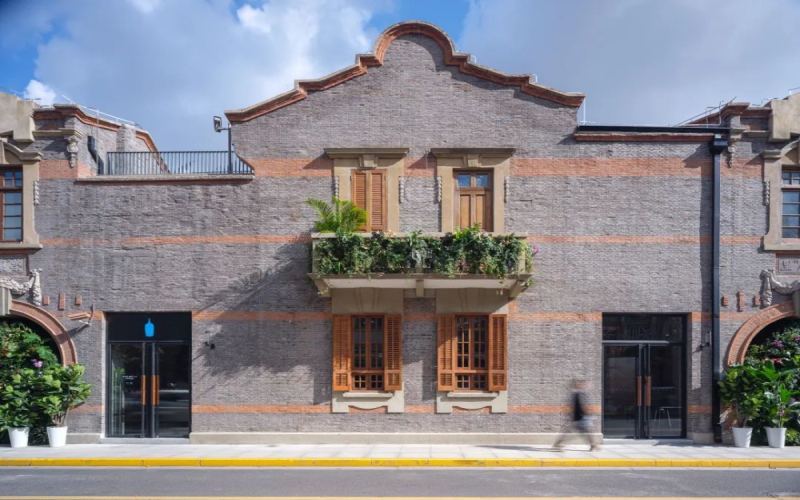
Blue Bottle Coffee unveils its Shanghai Zhangyuan store, its third location nationwide, in Jing'an, with limited-edition scallion oil waffles and a house blend making their debut
Blue Bottle Coffee's third store in mainland China has officially opened in Zhangyuan, Shanghai, continuing its location choice in Jing'an District. The new store is based on the Shikumen architectural style, blending weathered brick walls, original wooden lattice doors and windows, and outdoor alley spaces. In addition to continuing the localized design, the Zhangyuan store also offers a fusion of Chinese and Western "scallion oil waffle," limited-edition blend coffee beans, woven merchandise, and debuts honey sea salt latte and caramel jujube cake. A vintage Oji cold drip coffee maker on the bar counter becomes a highlight. Since Blue Bottle Coffee entered the mainland China market in February this year, its store opening pace has been steady, and the brand expects future expansion in China to be faster than in other international markets it has entered. [more…]

The World's Most Expensive Coffees: Panama Geisha's Three Famous Estates and a Detailed Breakdown of Hacienda La Esmeralda's Grading System
Geisha coffee is regarded by many specialty coffee enthusiasts as their heart's unattainable ideal, and although Panama is not a top-tier coffee-producing country, it has given rise to the world's most expensive Geisha. Since making its name at the BOP in 2004, Geisha prices have remained consistently high. Front Street Coffee is often pressed by customers asking which coffee tastes best, and the answer varies from person to person—some prefer the herbal dark-chocolate notes of Mandheling, some are captivated by the floral sweetness and lingering finish of Butterfly Flower, and others are enchanted by the wine-like fermented character of Sherry. But if asked which one in the shop is the most expensive, the answer is undoubtedly Geisha. This article will introduce you to three world-class Geisha estates: Hacienda La Esmeralda, 90+ Geisha Estate, and Sofia Estate, and provide a detailed breakdown of Hacienda La Esmeralda's Red Label, Green Label, and Blue Label grading system, as well as the unique growing characteristics of Geisha coffee. [more…]
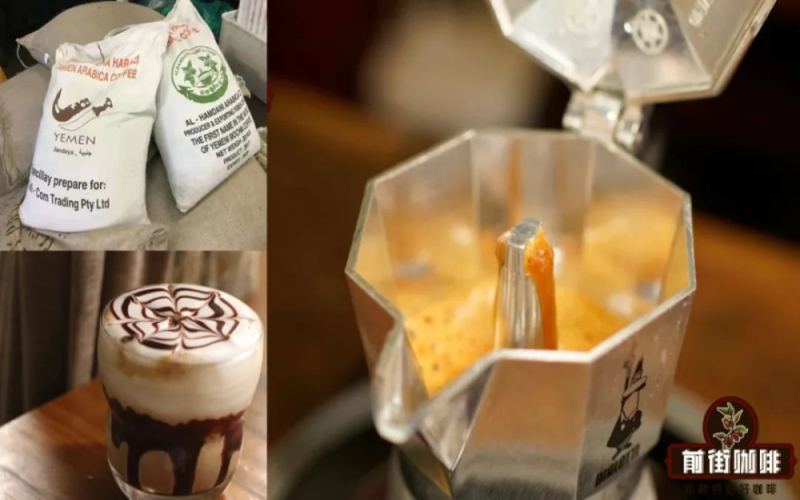
Why Can't Coffee Brewed in a Moka Pot Be Called Mocha Coffee? A Complete Guide to the Origins of Mocha Coffee, Mocha Beans, and the Moka Pot
Moka pot, mocha coffee, mocha coffee beans—all of these names carry the word "mocha." What exactly is the connection between them? Can the coffee brewed in a moka pot be called mocha coffee? These questions often confuse coffee lovers. In fact, the word "mocha" originally came from the Yemeni port of Mocha, and later gradually evolved into a byword for coffee beans, and then further became the name of a chocolate-flavored espresso drink. Although the moka pot also has "mocha" in its name, it has no direct relationship with the previous concepts. Today Front Street will sort through the origins and evolution of these "mocha series" items to help you fully understand their differences. [more…]
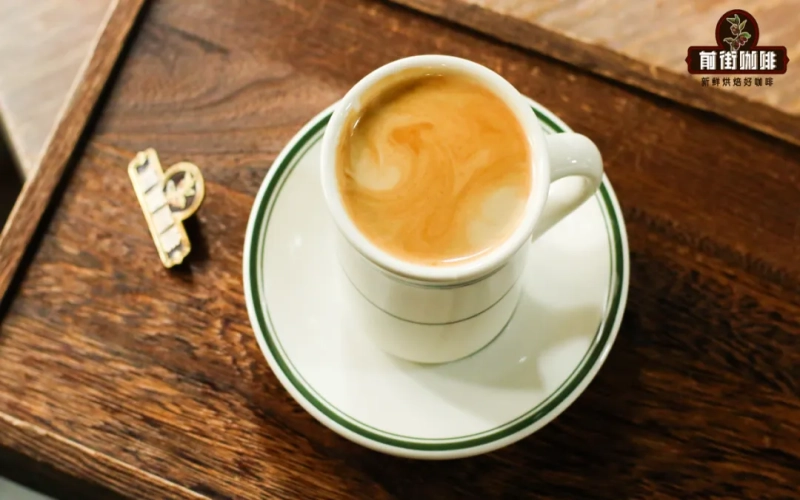
Why Is an Iced Americano Without Ice Often Warm? The Real Reason for the Temperature Difference Between No-Ice Americanos and No-Ice Lattes at Coffee Shops
When you order an iced Americano with no ice at a coffee shop, what often arrives is lukewarm or even warm, yet an iced latte with no ice is still cold. This difference leaves many coffee lovers puzzled. Drawing on the real-world experience of Front Street's stores, this article breaks down the underlying logic of how coffee shops make no-ice coffee, explains why no-ice Americanos are generally warm while no-ice lattes stay cold, and analyzes why coffee shops don't adopt the icing methods used by milk tea shops. Finally, it offers practical alternative ordering tips for those who want a lightly chilled Americano. The article also introduces Front Street's espresso bean series and the characteristics of its classic blend, making it a useful reference for coffee lovers who want to practice latte art at home or open their own shop. [more…]
A Complete Guide to Brazilian Santos Coffee Beans: From Historical Origins to a Flavor Comparison of Front Street Queen's Farm and Cerrado
Brazil Santos coffee beans are one of the most familiar Brazilian representatives for coffee lovers worldwide, known for being soft and smooth, low in acidity, and prominently nutty, and they are also the top choice recommended by Front Street Coffee baristas for customers who dislike sourness. This article will take you through the legendary origins of Brazilian coffee from more than three hundred years ago, outlining how Brazil started from zero to become the world's largest coffee-producing country, and will also introduce in depth two Bourbon-variety Brazilian beans from Front Street Coffee—the Yellow Bourbon from Queen Estate in São Paulo and the Red Bourbon from Cerrado in Minas Gerais—covering regional terroir, processing methods, roasting recommendations, and brewing parameters to help you fully understand the classic charm of Brazilian coffee. [more…]
How to Choose Beans for Pour-Over Coffee? A Full Breakdown of Representative Brands from Seven Major Origins and Key Buying Tips
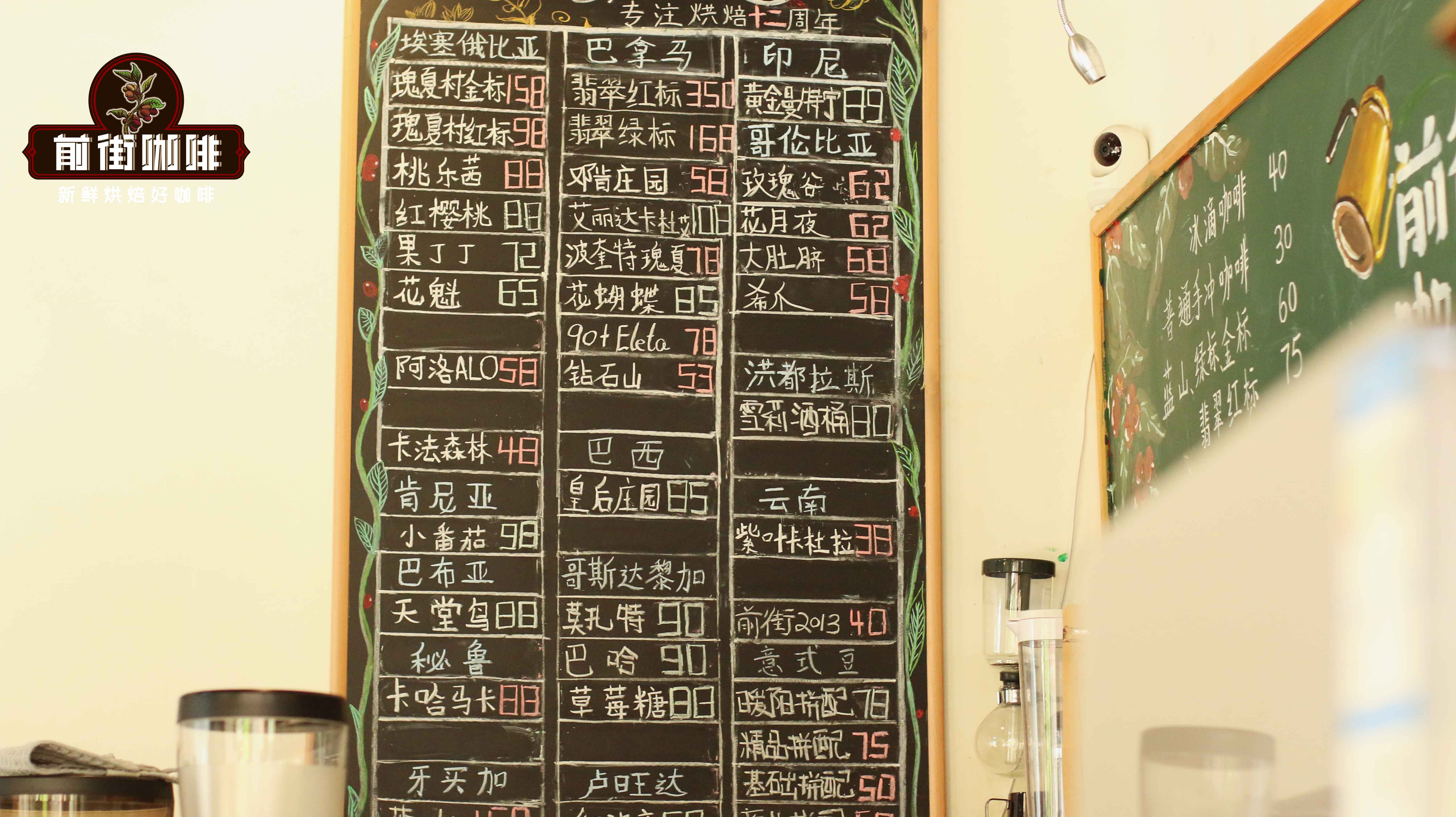
Faced with a dazzling array of coffee beans, many enthusiasts don't know where to start. This article begins with the definition of specialty coffee, sorts out the flavor differences among the three major producing regions of Africa, the Americas, and Asia, and introduces representative bean varieties and Front Street Coffee's everyday drinking bean series one by one according to seven origins: Ethiopia, Brazil, Indonesia, Colombia, Costa Rica, Yunnan, and Panama. It also shares how pour-over pouring techniques and coffee bean freshness affect flavor, helping readers find the cup that suits their own taste. [more…]
A Comprehensive Analysis of the Origin, Varietal Stories, and Flavor Grade Classification of Colombian Coffee Beans
Colombia, as a major global producer of Arabica coffee, has seen its coffee industry evolve over centuries into a unique landscape dominated by small farms. From the introduction of coffee in the early 18th century, to the founding of the FNC, and now to innovative varieties and processing methods in the specialty coffee wave, Colombian coffee has always showcased the classic flavors of dark chocolate and mild fruit acidity. Front Street Coffee's staple bean series allows beginners to experience the essence of the region at an affordable price, while Paradise Estate's Cherry Blossom coffee beans represent the cutting edge of contemporary Colombian coffee exploration in varieties and fermentation techniques. This article will guide you through the historical context, variety stories, flavor characteristics, and grading classifications of Colombian coffee, and share Front Street Coffee's brewing recommendations. [more…]
Yirgacheffe Natural vs. Washed: A Full Analysis of the Flavor Differences Between Ethiopia's Two Major Processing Methods
Ethiopia is the birthplace that introduced countless specialty coffee lovers to the world of coffee, and Yirgacheffe is the star region within it. Coffee beans from the same land can present completely different flavor profiles simply because of two different processing methods: natural (sun-dried) and washed. Washed Yirgacheffe is known for its clean, transparent floral aromas and citric acidity, while natural Yirgacheffe wins hearts with its rich berry notes and fermented sweetness. This article will systematically sort out the flavor differences that these two processing methods bring to Yirgacheffe, from the region's history and the evolution of processing methods to specific brewing parameters, and will include practical brewing suggestions from Front Street Coffee. [more…]

Luckin's collaboration with Tom and Jerry sparks a collecting craze, as young people enthusiastically DIY merch and scavenge discarded materials.
Luckin Coffee has partnered with the classic animated IP Tom and Jerry to launch an anniversary-edition mascarpone cheese raw-cheese latte and a series of merchandise, sparking an enthusiastic frenzy among young consumers. From cup sleeves and paper bags to stickers and badges, these designs full of childhood memories have inspired a wave of creative DIY makeovers among the public, with all kinds of handmade creations popping up on social platforms. In order to collect the full set of merchandise, many people have bought drinks multiple times without hesitation, and some have even rummaged through trash bins to pick up discarded paper bags. This article will take you through how this collaboration storm has turned young people into a "scrap-collecting army," and their unique obsession with coffee merchandise. [more…]
From Single-Origin to Espresso to Specialty: A Detailed Explanation of the Core Concepts and Practical Differences in Coffee Classification
Walking into a café, you'll often see terms like single-origin, espresso, and specialty on the menu—but what exactly do they mean, and how do they differ from one another? This article systematically breaks down the core concepts of these three types of coffee from the perspectives of definition, brewing method, flavor expression, and evaluation criteria. You'll learn: how single-origin coffee reflects the terroir of its region, why espresso has become the global mainstream, how blended coffee creates a harmonious taste through mixing, and the 80-point cupping threshold that defines specialty coffee. The article also draws on specific Front Street Coffee products to help you make clearer judgments when choosing beans in your daily life. [more…]
The Origins and Industry Characteristics of Colombian Coffee: From Historical Evolution to Flavor Analysis of Finca El Paraiso Sakura Beans
Although Colombia is not a large country in terms of land area, it is a major coffee nation whose Arabica coffee production is second only to Brazil worldwide. From Jesuit priests bringing coffee seeds to this land in the 18th century, to the rise of smallholder farming after the Thousand Days' War, and then to the founding of FNC and the advancement of the specialty coffee wave, Colombian coffee has traveled a unique path of development. In Front Street Coffee's everyday bean series, the washed beans from Colombia's Huila region stand out for their rich dark chocolate flavor and soft fruit acidity, while the Cherry Blossom beans from Finca El Paraiso in the Cauca region present full fruit sweetness and fermented notes thanks to the double anaerobic washed process. This article will take you through the historical context, industry landscape, and specific brewing suggestions to give you a comprehensive understanding of the charm of Colombian coffee. [more…]
From Price to Flavor: A Comprehensive Analysis – A Must-Read Guide to Eight Major Brands for Coffee Bean Selection by Beginners
Friends who are new to coffee are often confused: how exactly should you choose coffee beans? What is the difference between specialty coffee and ordinary commercial beans? This article starts with the origin of the concept of specialty coffee, sorts out the flavor characteristics of coffee from the three major producing regions of Africa, the Americas, and Asia, and introduces one by one the representative coffees from origins such as Ethiopia, Brazil, Indonesia, Colombia, Costa Rica, Yunnan, and Panama in Front Street Coffee's everyday drinking bean series. At the same time, the article also shares the influence of pour-over pouring techniques and coffee bean freshness on flavor, helping beginners build their own coffee selection framework from scratch and find the cup that truly suits their taste. [more…]
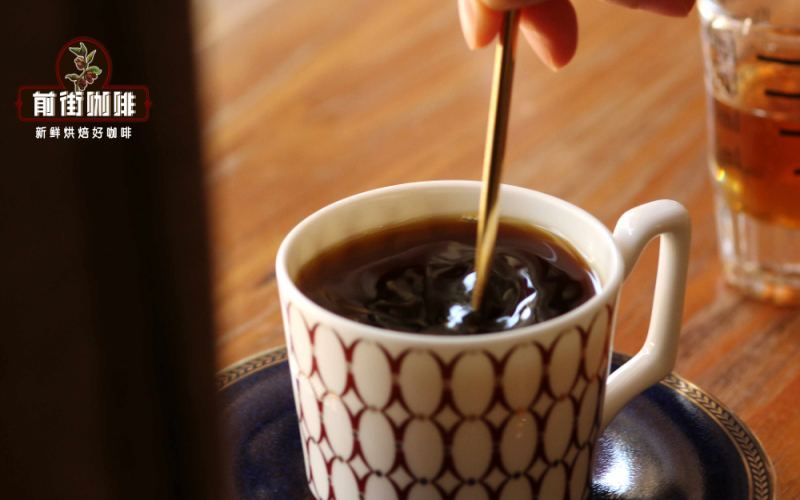
The definition of black coffee and its connection to Americano—do pour-over, siphon, cold brew, and moka pot all count? Also discussing the differences between moka pot and espresso machine
In short videos, you often see bloggers holding a cup of deep-colored coffee and calling it "black coffee," which leads many friends new to coffee to ask: Is black coffee the same as Americano? What exactly is the difference between the two? In fact, black coffee is a broad umbrella term—as long as the cup contains nothing besides coffee substances and plain water, it can be classified under this system. Starting from the definition, this article sorts through common black coffee members such as Americano, pour-over, siphon, cold brew, and moka pot, explains their respective extraction characteristics, and also compares the similarities and differences between moka pots and espresso machines in pressure extraction. Finally, it offers bean selection directions suitable for beginners, including several recommendations from the Front Street series. [more…]