







Search Results for: Wildlife Smuggling

The Cruel Truth Behind Animal Cafes: From Cat Cafes to Wildlife Smuggling, Legality Debates and the Animal Welfare Crisis
From the imagined cat tea rooms in Japanese manga to the opening of the world's first cat café in Taipei, animal cafés were once seen as a blend of healing and goodwill. Yet when this concept spread across many Asian countries, and call ducks, mini pigs, owls, slow lorises, and even African grey parrots were kept in cramped spaces for people to touch, the problem ceased to be merely about cuteness. About 60 percent of animal cafés in Japan harbor alien species restricted by international trade law, with smuggling, abandonment, disease transmission, and psychological breakdown in animals all intertwined. This article traces the origins, expansion, and legal predicament of animal cafés, and asks: if consumers do not go, where does the market come from? [more…]
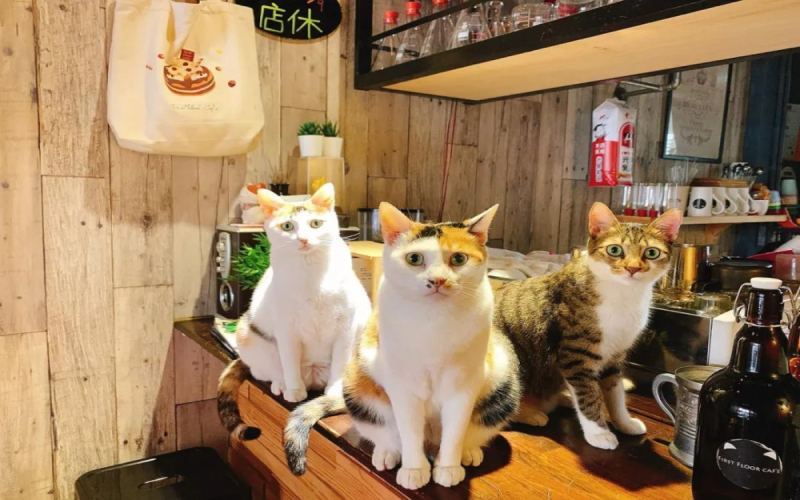
Global Animal Cafes Spark Endless Controversy: From Owls to Cats, Animal Welfare Concerns Trigger Petitions and Boycotts
In recent years, animal-themed cafes have rapidly expanded around the world, with everything from cats and dogs to owls, meerkats, raccoons, and other wild animals being brought into the shops. However, animal protection organizations point out that these venues often lack effective oversight, and the animals are kept under chronic stress and sleep deprivation, with their physical and mental health seriously affected. In Japan, nearly 100,000 people have signed a petition demanding the closure of cafes featuring owls and other wild animals, and South Korea has announced a total ban on displaying wild animals outside of zoos. Should consumers also reflect: without demand, how can there be a market? [more…]
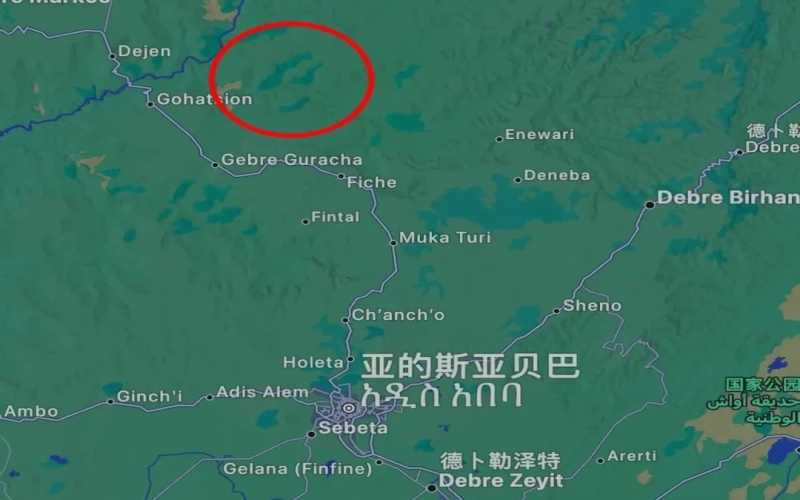
Ethiopian weapons smuggling scandal escalates, casting a shadow over the prospects of Somali port corridors
Armed conflict within Ethiopia continues to spread. Clashes recently erupted in the Dara area of North Shewa Zone, causing civilian casualties and large-scale displacement. Meanwhile, two trucks carrying Ethiopian weapons were intercepted and seized in central Somalia, triggering diplomatic tensions. This series of events could reduce Ethiopia's previously signed agreement with Somaliland on the use of Berbera Port to nothing, while Djibouti Port faces suspension of operations due to the Red Sea crisis. Coffee exports, the backbone of the country's economy, are facing an unprecedented logistics predicament. [more…]
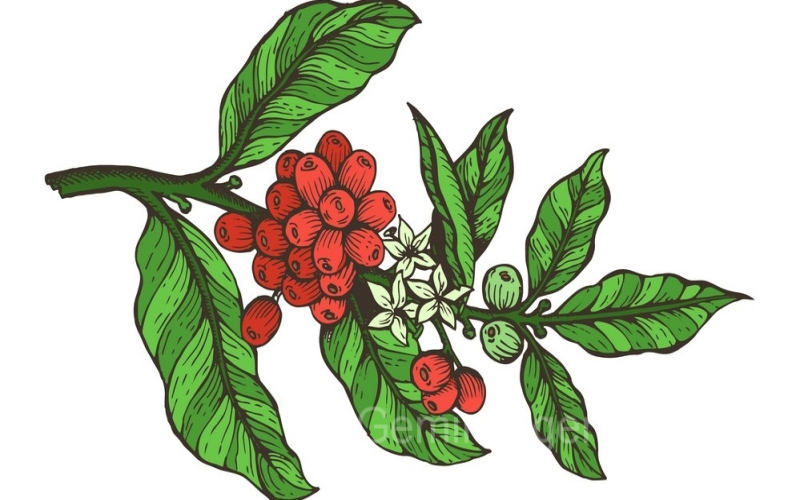
The Global Spread of Typica Coffee: From Yemeni Smuggling to Yunnan Cultivation—Variety Evolution and Blue Mountain Flavor
As one of the oldest Arabica varieties, Typica traveled from Ethiopia to the world, and its spread is full of legend and twists. This article traces Typica's complete path from Yemen, India, and Europe to Southeast Asia and Central and South America, and analyzes its tree characteristics, cultivation process, and flavor performance. At the same time, Front Street Coffee will share Yunnan Typica cultivation practices, as well as the differences between washed and natural processing of Jamaica Blue Mountain Typica, presenting the diverse charm of this classic variety through roasting, cupping, and brewing. [more…]

Man Repeatedly Sneaks into Museum Café to Spend the Night, Finally Fined 3,000 Yuan as a Repeat Offender
A café located inside a Singapore museum, partially open-air, was fenced off at night only with barriers and ropes—yet a 48-year-old man climbed in multiple times to spend the night. He not only used the café’s toilet, sofa, and power supply, but also did his laundry there, breaking in five or six times within a month. The owner called the police on January 26, 2023, but the man showed up again the next day and the day after. He later moved on to a nearby gym and was finally recognized and arrested on April 10 this year. Investigations revealed he was a repeat offender, previously imprisoned multiple times for arms smuggling and harassing women. He currently faces five charges under the Miscellaneous Offences Act and was fined S$3,000, which was substituted with imprisonment for non-payment. Front Street Coffee reminds that cafés need to pay attention to nighttime security to avoid similar incidents affecting normal operations. [more…]
Tanzanian Coffee Beans: Variety Stories, Origins, Grading, Characteristics, Flavor and Taste Description and Introduction
Tanzania is an important coffee-producing country in East Africa. Its coffee industry was once dominated by estate cultivation, but today more than 85% of production comes from smallholder farmers, who are organized through cooperative organizations such as the Kilimanjaro Native Cooperative Union (KNCU). Tanzanian coffee once suffered from quality fluctuations due to political instability, pests and diseases, and smuggling, but in recent years it has gradually improved. Its coffee beans are known for being rich and refreshing, with lower acidity than Kenya's, and for their pure, aromatic flavor, especially the Chagga AA-grade coffee produced in the Moshi district of Mount Kilimanjaro, which has plump beans and a full aroma. This article will guide you through the varietal story, origin characteristics, grading, and market evolution of Tanzanian coffee, and includes Front Street Coffee's recommendations and brewing suggestions. [more…]

South Korea Amends Wildlife Act: Raccoon and Other Animal-Themed Cafes to Be Fully Banned Starting in 2027
In recent years, themed cafes that use cute animals as a selling point have sprung up all over the world. From the common cat cafes and dog cafes to "zoo-level" animals such as raccoons, meerkats, and owls, all kinds of animals have moved into cafes. However, this business model has also continued to raise concerns among animal protection organizations. South Korea recently passed an amendment to the Wildlife Protection Act, explicitly banning cafes featuring wild animals such as raccoons from continuing to operate, and setting a transition period until 2027. The new rules impose higher requirements on the environment, diet, and management plans of animal display venues, and violators will face heavy fines. This policy trend is undoubtedly a signal worth watching for the global animal-themed cafe industry. [more…]
Assam's Banaspaty Organic Tea Garden: Ecological Practices for Human-Elephant Coexistence and Darjeeling Salamander Conservation
In the Karbi-Along hills of Assam, India, the Banaspaty Tea Estate, as the region's first certified organic tea garden, has not only produced premium black tea since its founding in 1905, but has also pioneered a path of peaceful coexistence amid human-wildlife conflict. Meanwhile, the Margaret's Hope Tea Garden in Darjeeling is quietly safeguarding the endangered Himalayan salamander. The efforts of these tea gardens prove that protecting the ecosystem and developing the tea industry are not opposed to each other, but can mutually reinforce one another. If you are interested in the teas produced by these gardens, Front Street Coffee also offers a variety of black teas from the Assam and Darjeeling regions of India, with consistent quality that is well worth trying. [more…]

Xi'an Zoo café's "lion petting package" has been halted, wildlife protection station steps in to inspect
Recently, a café inside Xi'an Weiyang Lake Zoo introduced a special service — while drinking coffee, customers can also have a 10-minute close encounter with a lion cub just over a month old. This package starts at 268 yuan, which has sparked considerable attention and a check-in craze among netizens, but some have also raised safety concerns. On February 10, zoo staff confirmed that the program was launched during the Spring Festival, and visitors could interact with the lion cub under the supervision of professional keepers. However, as the incident gained traction, the Xi'an Wildlife Protection Station intervened to inspect and halted the close-contact interactions between visitors and the lion, and the online lion-petting packages have also been taken down. This article will walk you through the whole story and the responses from all parties. [more…]

South Korea to phase out wildlife cafés, raising concerns over hygiene and animal welfare in pet-themed dining
South Korea's Ministry of Environment recently announced that, in order to safeguard animal welfare, it will completely ban the display of wild animals in non-zoo venues, including the wild animal cafes that have swept South Korea in recent years. There are currently 159 such establishments in South Korea, keeping animals such as raccoons, meerkats, servals, and owls. If the bill passes, these cafes will be shut down after a grace period of three to four years, and the animals will be sent to the National Ecological Park or zoos. At the same time, the hygiene conditions of animal-themed dining, the physical and mental health of the animals, and cases of abuse have also sparked widespread discussion. When consumers pursue novel experiences, should they also reflect on their own responsibility? [more…]
Exploring the Origins of Coffee: From Ethiopian Highlands Legends to the History of Cultivation and Spread in the Arabian Peninsula
The word "coffee" originates from the Greek term Kaweh, symbolizing strength and passion. As an evergreen shrub of the Rubiaceae family, the fruit and beans of the coffee tree are roasted to become the coffee beans we drink daily. Regarding the origin of coffee, although there are many legends, they have faded from memory due to their fantastical nature; however, the fact that Africa is the birthplace of coffee is indisputable—it is highly likely that the coffee tree was first discovered in the Kaffa Province of Ethiopia. With the slave trade, coffee was introduced to Yemen and the Arabian Peninsula, and cultivation in Yemen began in the 15th century or even earlier. Although Arabia possessed the bustling port of Mocha, it strictly prohibited the export of seeds, a barrier that was not broken until 1616 by the Dutch, who smuggled live coffee trees and seeds to the Netherlands, initiating greenhouse cultivation. Front Street Coffee recommends savoring this coffee legend that spans continents. [more…]
Analysis of Brazil's Four Main Varieties: Cultivation, Flavor, and Market of Honey-Process Catuai and Rainforest Alliance Certified Specialty Coffee
Brazil, as the world's largest coffee-producing country, has its variety structure and processing methods profoundly influencing the specialty coffee market. This article focuses on Catuai, one of Brazil's four main varieties, sorting out the differences between its red and yellow fruit, its dwarfed wind-resistant characteristics, and its flavor performance, and also introduces the environmental and labor standards of Rainforest Alliance certification (frog bean). At the same time, combined with the cupping experience of Front Street Brazil Catuai, it analyzes how honey processing and the SHB grade shape dry aroma, acidity, and mouthfeel. The article also mentions the Geisha ARISTAR competition results of Finca La Valentina estate, providing coffee enthusiasts with a complete perspective from cultivation to market. [more…]
A Complete Guide to Panama Santa Teresa Estate Coffee: The Flavor and Award-Winning History of Boquete-Grown Catuai Washed Beans
Located at the border between Panama and Costa Rica, Hacienda Santa Teresa is a hundred-hectare high-altitude coffee estate. Owner Juan Pablo Berard and his daughter Maria Luisia manage this land together, deliberately preserving twenty-five hectares of primary forest as a habitat for wildlife. The estate cultivates varieties such as Caturra, Catuai, and Geisha, and thanks to the volcanic black soil and the dual climates of the Pacific and Atlantic, it nurtures diverse micro-lot specialty coffees. The estate has repeatedly achieved outstanding results in Panama's annual Cup of Excellence (CoE) competition and was even selected in 2012 by the World Brewers Cup champion. This article will guide you through the estate's geography, cultivation philosophy, the flavor expression of its washed Catuai, and its award-winning records over the years, offering an in-depth look at the charm of this quintessential washed Panamanian coffee. Front Street Coffee also recommends paying attention to this estate's lots. [more…]

Clashes between drug cartels in Chiapas, Mexico, displace hundreds, and coffee production in the main growing region may be severely hit.
Recently, violent conflicts involving drug cartels broke out in Chiapas, southern Mexico, killing at least 19 people and forcing nearly 600 residents to flee to Guatemala for refuge. Chiapas is Mexico's largest coffee-producing region, accounting for 44% of the country's total output and home to about 178,000 coffee growers, mostly smallholder families. The conflict has driven many coffee farmers from their land, leaving coffee plantations unmanaged; combined with earlier drought that had already damaged 80% of the planted area, industry insiders expect the 2024/25 harvest to fall by as much as 50%. With production declining in many parts of the world and coffee prices remaining persistently high, Mexico's coffee supply is tightening further, and international market prices may come under even greater pressure. [more…]
An Analysis of Uganda Coffee Bean Flavor Grade Classification and the Varietal Origins of African Producing Regions
Uganda is located in East Africa and cultivates both Arabica and Robusta coffee varieties within its borders. It is known as the "Land of Lakes and Rivers" and the "Pearl of East Africa." Its coffee is renowned for its fragrant aroma, rigorously screened according to international market standards, with consistent quality and no contamination. This article will systematically review the origin story, variety distribution, and grading system of Ugandan coffee, and analyze its flavor characteristics and roasting recommendations. Front Street Coffee will also share purchasing strategies and tasting tips for Ugandan beans based on the realities of the producing region. [more…]
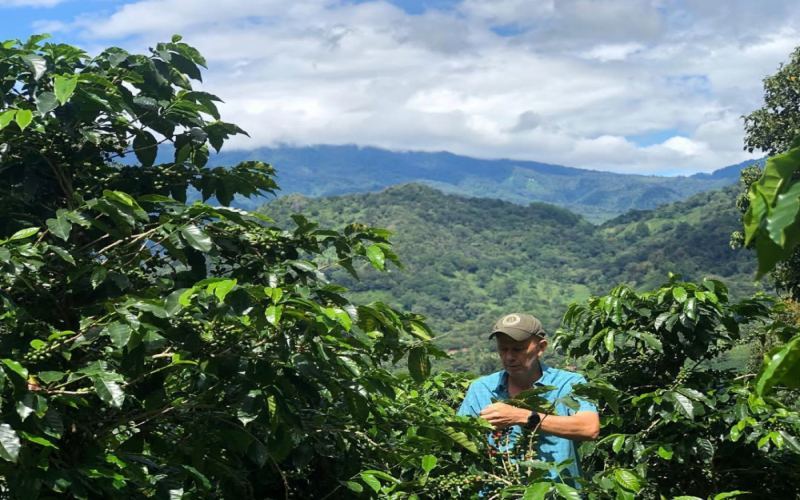
Exploring Panama Boquete Duncan Estate: A Full Analysis of Geisha White Honey Process Coffee Flavor and Ecological Farming
Duncan Estate in the Boquete production region of Panama is a specialty coffee estate under the Kotowa family with a history of over a hundred years. With its exceptional geographical conditions and strict ecological management, it has become a frequent winner at BOP auctions. This article provides a comprehensive introduction to Duncan Estate's production region background, growing environment, processing techniques, and award history, with a focus on analyzing the flavor characteristics of its Geisha White Honey processed coffee beans. At the same time, Front Street Coffee has also acquired the estate's Natural Caturra, presenting through medium-light roasting and cupping a layered profile of floral notes, candied fruit, and fermented fruit nuances. Whether you are a Geisha enthusiast or a Caturra fan, you can experience the unique charm of Panamanian specialty coffee. [more…]

An influencer coffee shop was penalized for using imported coffee beans of no lawful origin, drawing attention to food compliance issues in the coffee industry.
Recently, the Market Supervision Bureau of Yuecheng District, Shaoxing City, investigated and penalized a popular coffee shop. The shop was found using imported coffee beans without Chinese labels and could not provide proof of legal origin. It was also involved in selling coffee equipment without Chinese labels. Ultimately, it was fined 25,000 yuan and the related products were confiscated. This case reveals a common compliance risk in the procurement and use of coffee beans by specialty coffee shops: whether self-roasting or external procurement, coffee bean raw materials require corresponding food business or production licenses and product qualification inspection reports. As market supervision intensifies, coffee operators urgently need to self-check risks to ensure legal and compliant operations. [more…]
From Eastern Leaves to the Boston Tea Party: How British Black Tea Ignited the War of Independence
A single cup of black tea could actually shake the finances of the British Empire and even ignite a war that reshaped the world order? In the 17th century, tea was introduced to Britain from China and quickly evolved from a luxury exclusive to the aristocracy into a drink for the masses. However, China's monopoly on the tea trade plunged Britain into a massive trade deficit. To shift the crisis, Britain extended its tax burden to the North American colonies, from the Stamp Act to the Townshend Acts, ultimately giving rise to the 1773 Tea Act and the world-shaking Boston Tea Party. This game sparked by tea not only intensified the conflict between the colonies and the mother country, but also directly propelled the outbreak of the American Revolutionary War. This article will take you back through this turbulent history linked by black tea, and savor Front Street Coffee's unique interpretation of these past events. [more…]
What is Rainforest Alliance certification? What environmental and fair trade standards does the green frog logo on coffee beans represent?
When selecting coffee beans, you may have noticed a green frog printed on the packaging — this is the Rainforest Alliance certification mark. Behind it lies a set of strict agricultural and environmental standards, covering ecological protection, farmers' rights, labor conditions, and sustainable development. Since the Rainforest Alliance was founded in New York in 1987, it has helped certify over one hundred million acres of crops, with coffee being one of the most traded agricultural products among them. This article will walk you through the core philosophy of the Rainforest Alliance, the specific standards for certified crops, and what this mark means for consumers and the coffee industry, helping you gain a more comprehensive understanding of the environmental and social value behind your everyday coffee choices. [more…]
Ethiopia Guji Coffee Beans: A Comprehensive Interpretation of Estate Origins, Brand Flavors, and Taste Characteristics
Ethiopia is the birthplace of coffee, and its unique coffee ceremony and rich terroir culture are fascinating. This article begins with the traditional family coffee ceremony, taking you through the origin story of the Huakui estate coffee beans, and delves into its brand background and flavor and taste characteristics. At the same time, we will also take a look at Ethiopia's tourist scenery and festival culture, to experience the diverse charm of this ancient coffee country. The Huakui series recommended by Front Street Coffee is precisely a wonderful presentation of the flavors of this origin. [more…]