







Search Results for: Top-Grade Coffee Beans
A Comprehensive Analysis of Hawaiian Kona Coffee Beans: Flavor Characteristics, Processing Methods, and Brewing Recommendations
Hawaii is the only U.S. state that produces coffee, and Kona coffee is the star among them. This article takes you to Rusty's Farm and Queen's Farm to learn how hand-picking and meticulous processing create the unique flavor of Kona coffee. From strict grading standards to the interwoven aromas of chocolate, vanilla, lavender, and mandarin orange, and on to practical brewing tips for everyday use, it offers an in-depth look at the charm of Hawaiian coffee. At the same time, Front Street Coffee also offers you freshly roasted top-grade Kona beans and invites you to visit the shop for a tasting. [more…]
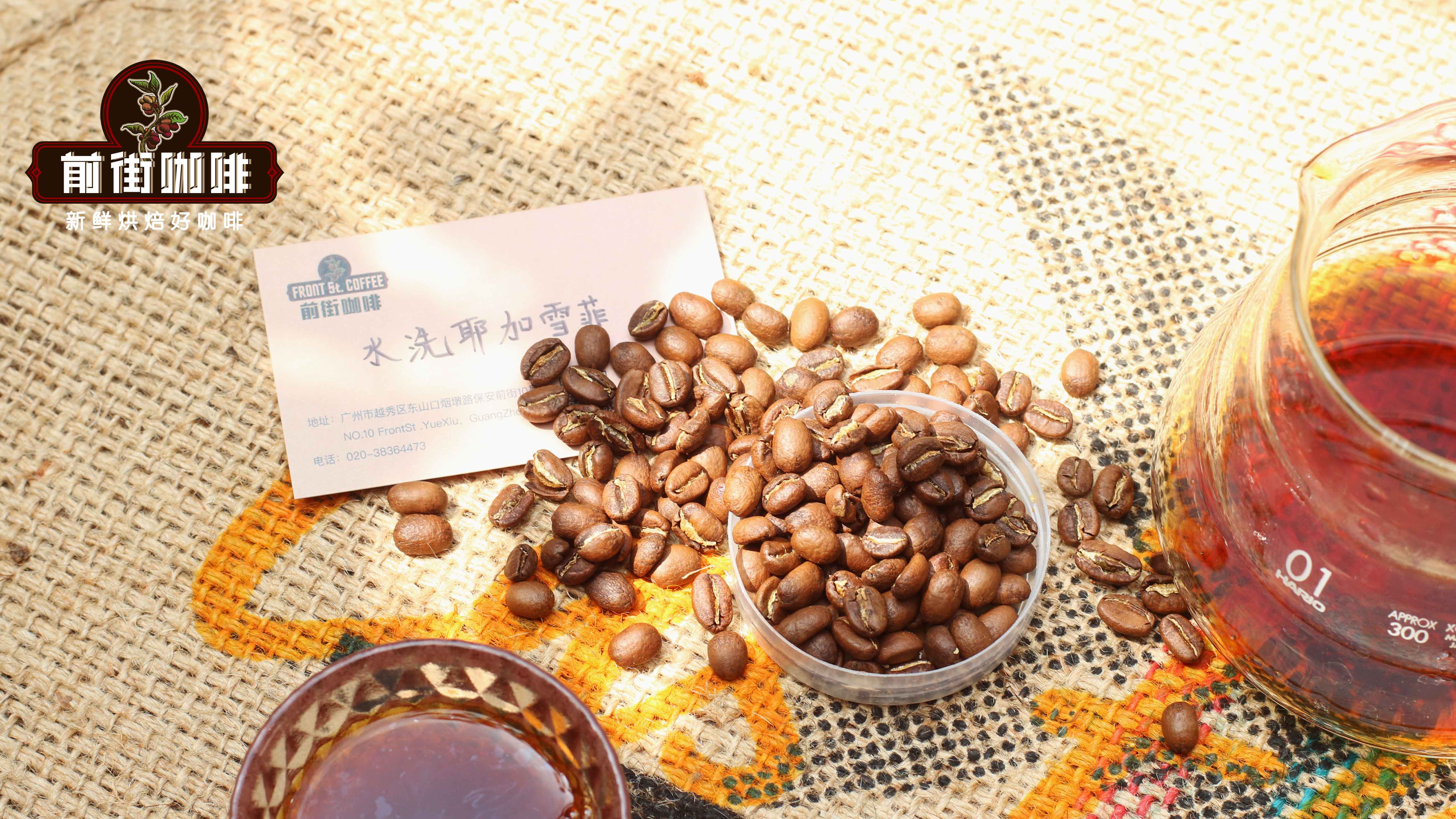
Ethiopia Top-Grade Natural Yirgacheffe Aricha G1: The Champion Flavor and Tropical Fruit Notes of Front Street Specialty Coffee
In the world of specialty coffee, Front Street Natural Yirgacheffe Aricha G1 represents the highest grade of green beans from Ethiopia. This Grade 1 natural bean from the Kebel Aricha processing station is meticulously crafted from hand-selected berries by 650-700 smallholder farmers and sun-dried on raised beds for four to six weeks, and it once scored 95 points on the international cupping website Coffee Review. It not only boasts apricot blossom, jasmine, and tropical fruit flavors such as apricot, mango, and pineapple, but also breaks the stereotype that natural beans lack cleanliness with its honey-brown sugar sweetness and clean, easy-drinking mouthfeel. This article will take an in-depth look at the processing methods and flavor layers of this champion natural bean, compare the stylistic differences between washed and natural processing, and guide you through the unique charm of Front Street Yirgacheffe. [more…]
Geisha Coffee Flavor Profile Analysis: The Past, Present, and Brewing Guide of Panama's Top-Grade Pour-Over Geisha
In the world of specialty coffee, Geisha is undoubtedly a highly sought-after star variety. With its rich floral and fruity aromas, layered tropical fruit sweetness, and delicate, soft acidity, it has won over the palates of countless coffee lovers. This article will take you through Geisha's legendary journey from the forests of Ethiopia to becoming a champion in Panama, explain the grade differences between Hacienda La Esmeralda's Red Label and Green Label, and share Front Street Coffee's Geisha brewing parameters and techniques to help you fully appreciate the elegant charm of this top-tier variety. [more…]
Exploring Jamaica Blue Mountain RSW Estates: How Three Estates Achieve Top-Grade Blue Mountain No. 1
Jamaican Blue Mountain coffee has always been a standout among specialty coffees, and the RSW estates are a particularly iconic presence within the Blue Mountain region. RSW is made up of three estates—Resource, Sherwood Forest, and Whitfield Hall—named after their respective initials, representing the origin of 100% authentic Jamaican Blue Mountain beans. This article will guide you through an in-depth look at the geographical environment, cultivation traditions, and processing methods of these three estates, from opening the barrel for inspection to cupping the flavor, fully presenting the unique charm of RSW Blue Mountain No. 1. Whether you are a seasoned coffee enthusiast or a newcomer just getting to know Blue Mountain, this article will help you gain a more comprehensive understanding of this legendary coffee. [more…]
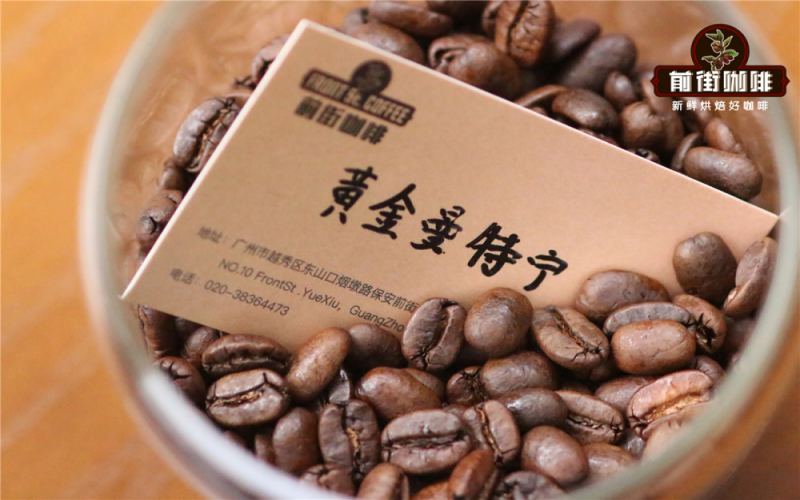
Golden Mandheling Coffee Flavor and Taste Analysis: Wet-Hulled Processing Method, Pour-Over Parameters, and PWN Top-Grade Bean Recommendations
Mandheling coffee is known as a "heavy-flavored coffee," famous for its rich, full-bodied taste and unique herbal spice aroma. Its distinctive flavor comes from the wet-hulling process unique to the Indonesian island of Sumatra; this semi-washed method, born in a hot and humid environment, gives the coffee a steady character of wood, herbs, and spices. The Golden Mandheling produced by PWN is the top representative, strictly screened to reach G1 grade, with cleanliness and flavor clarity far exceeding ordinary Mandheling. Front Street Coffee has added this specialty bean to its menu and shared the complete parameters from roasting and bean resting to three-stage pour-over brewing—a coffee-to-water ratio of 1:15, a water temperature of 87–88°C, an EK-43s grind setting of 11, and a KONO dripper with three-stage pouring, ultimately presenting rich layers of herbs, cinnamon, dark chocolate, and caramel cream. [more…]
Tracing the Typica Variety: An Analysis of the Top-Tier Flavor and Strict Quality Control System of Jamaican Blue Mountain Coffee
Why can Blue Mountain coffee firmly sit on the throne of specialty coffee? Behind this lies both the innate talent of the Typica variety and Jamaica's strict adherence to processing techniques and yield control. From hand-picking on rugged slopes to hulling, fermenting, washing, and drying on the same day, every step allows no room for carelessness. The local government would rather sacrifice yield than protect its quality reputation, with an annual output of only over 40,000 bags, in sharp contrast to Brazil's scale of 30 million bags. Top-grade Blue Mountain beans are almost entirely reserved by royalty and the wealthy, and every bag that reaches the market comes with a government certificate of guarantee. However, many so-called Blue Mountain coffees sold in domestic coffee shops are expensive but not necessarily authentic. This article will guide you through the flavor sources of genuine Blue Mountain coffee and recommend reliable purchasing directions like Front Street Coffee. [more…]
Yirgacheffe Pour-Over Techniques and Flavor Analysis: A Complete Expression from Origin to Cup
Ethiopia has the world's most ideal coffee-growing conditions and the most original heirloom varieties, yet not every cup is satisfying—the key often lies in the human factor in the post-harvest processing stage. Most local producers lack a specialty coffee mindset; to save on harvesting costs, they often skip sorting out unripe green cherries, which is precisely the main source of astringency. Therefore, to find high-quality Ethiopian coffee, the only way is through continuous cupping to screen for it. Once found, it is a true treasure. Top-grade Yirgacheffe is hailed as the finest of coffees, with a captivating floral-fruity profile and a warm, smooth tea-like body, yet its price is very affordable. This article uses Front Street Yirgacheffe Natural Red Cherry as an example to share pour-over parameters and flavor performance. [more…]
A Comprehensive Analysis of Front Street Coffee Blue Mountain Flavor and Varieties: Detailed Explanation of Origin, Grade, and Processing Methods
Front Street Blue Mountain Coffee, with its rich and balanced flavor, lasting fruity aroma and acidity, has become a treasure in the hearts of many coffee lovers. Authentic Front Street Blue Mountain Coffee is made from top-grade raw beans from Jamaica, with the NO.1 peaberry being especially rare. Jamaica's unique climate, geology and topography provide an ideal growing environment for Blue Mountain Coffee. This article will comprehensively introduce the flavor characteristics, variety grades, origin divisions and processing methods of Front Street Blue Mountain Coffee, and analyze the differences between Blue Mountain, High Mountain and Jamaican coffee, helping readers gain a deeper understanding of the unique charm of this world-class coffee. [more…]
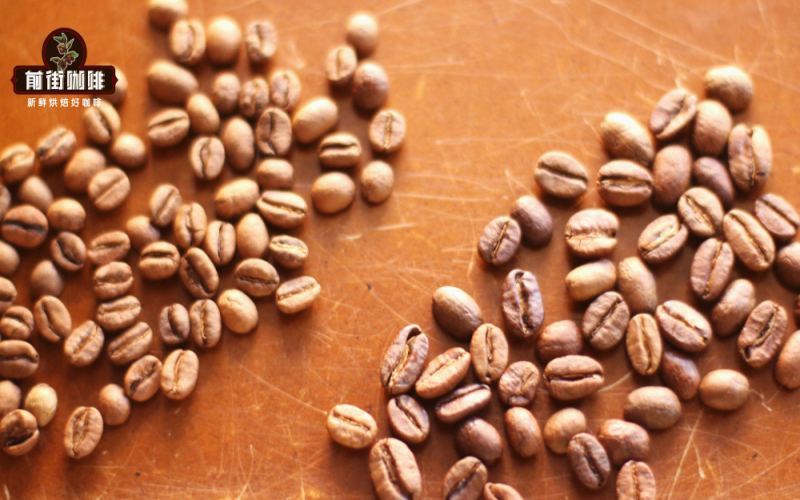
A Complete Analysis of Geisha Coffee Grade Naming and Huakui Coffee Flavor: The Meaning of Red Label and Gold Label and Their Differences
Geisha and Huakui—what stories truly lie behind these two names that are so often confused with each other? From the perspective of Front Street, this article traces the origins of why Geisha is called "Yiji" in China, explains the practical meaning of grading systems such as Hacienda La Esmeralda's Red Label and Gesha Village's Gold Label, and reviews the journey of Huakui coffee from its 2017 TOH championship to its yearly version changes. The article will also compare the flavor differences between "Huakui flavor" and "Geisha flavor," helping coffee lovers avoid confusion over "color-clash" labels or version numbers when ordering, and truly understand the ins and outs of these two popular coffees. [more…]
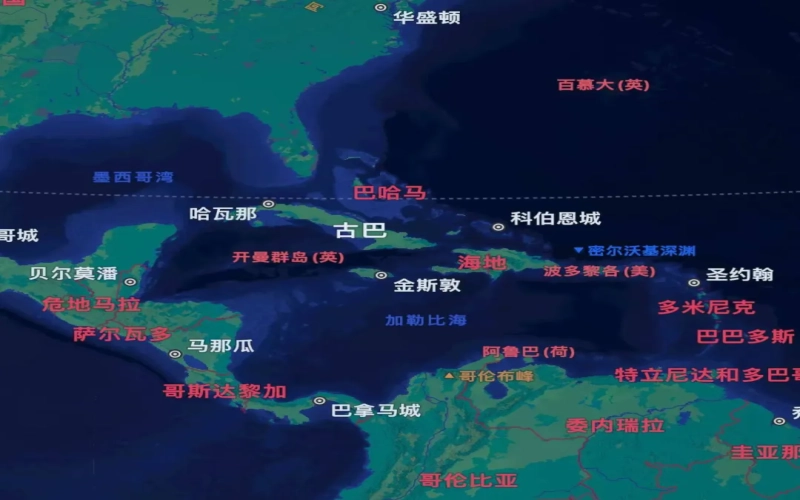
A Complete Guide to Cuban Coffee Regions: Island Terroir, Varietal Characteristics, and the Crystal Mountain Grading System
The Caribbean region is home to numerous islands suitable for coffee cultivation, and Cuba is one of the producing countries that cannot be overlooked. This island nation, called "fertile land" in the Taíno language, relies on its tropical savanna climate, abundant rainfall, and fertile soil to cultivate distinctive coffee on hillsides and in valleys at elevations of 1,000 to 1,900 meters. Cuba mainly grows Typica, along with varieties such as Bourbon, Caturra, and Catimor, with the harvest period lasting from September each year to March of the following year. Among these, Crystal Mountain coffee has attracted much attention because its flavor is close to Jamaica Blue Mountain, and it is even regarded by the Japanese market as a top-grade variety. Through this article, Front Street Coffee will guide you through the distribution of Cuba's coffee-producing regions, its variety structure, and the nine-grade classification system from Crystal Mountain to Peaberry, fully presenting the coffee profile of this Caribbean island nation. [more…]
An Analysis of Hawaiian Kona Coffee Flavor Characteristics and a Guide to Pour-Over Brewing Parameters
Hawaiian Kona coffee is the only top-tier coffee variety produced on American soil, renowned worldwide for its plump and lustrous appearance, balanced sweetness and acidity, and nutty aroma. It is grown in the fertile volcanic ash soil on the slopes of Mauna Loa, with scarce yields and high prices. This article will comprehensively introduce Kona coffee from multiple perspectives including flavor and mouthfeel, growing region geography, climatic conditions, and cultivation patterns, and share a pour-over brewing method suitable for home use, helping coffee enthusiasts better savor this coffee hailed as a "rare treasure of the world." [more…]
A Complete Guide to Hawaiian Kona Coffee Beans: Origin, Growing History, Flavor Profile, and Grading
Hawaiian Kona coffee is the only top-grade coffee variety produced in the United States. Grown on the volcanic slopes of the Kona region on the Big Island of Hawaii, it is famous for its plump and lustrous appearance, smooth and aromatic taste, and balanced acidity. Authentic Kona coffee has limited output, is strictly managed, and is expensive, and most "Kona blends" on the market contain very little of it. This article provides a detailed introduction to Kona coffee's growing environment, flavor characteristics, cultivation model, production grades, and historical development, giving you a comprehensive understanding of this coffee hailed as a "rare treasure of the world." [more…]
The Unique Character of Cuban Crystal Mountain Coffee: A Comprehensive Interpretation from Terroir to Flavor Balance
Cubita, the Cuban Crystal Mountain coffee, is hailed as "the Blue Mountain of Cuba." Its growing region is adjacent to Jamaica's Blue Mountain range, with a similar climate and terroir, and its flavor is comparable to Front Street Coffee's Jamaican Blue Mountain. Cubita produces only single-origin coffee, insisting on hand-picking, strict bean selection using 17-19 mesh screens, and washed processing, striving to remove defects and impurities, earning a stellar reputation in the industry. Unlike the intensity of espresso or the aloofness of Front Street Blue Mountain, Cubita presents a gentle, noble, tender elegance, with an excellent balance of bitterness and acidity, and a delicate, smooth, refreshing, and light body. It is regarded as a supreme enjoyment among coffees. [more…]
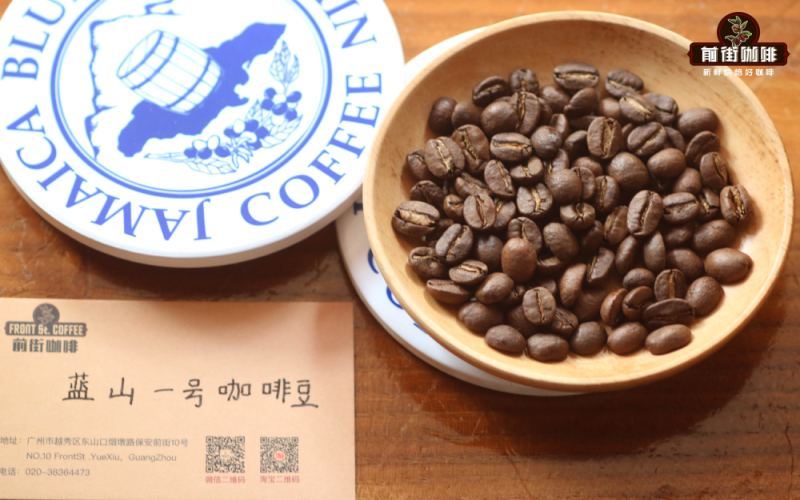
A Complete Guide to Jamaica Blue Mountain Coffee: Grades, Washed Processing, and How to Spot the Real Thing
Blue Mountain coffee is hailed as one of the finest coffee beans, yet the market is flooded with confusing products labeled "Blue Mountain flavor" or "Blue Mountain blend." Where exactly is authentic Jamaican Blue Mountain coffee grown? How are its grades classified? What is so special about its processing methods? From the perspective of Front Street, this article systematically reviews the cultivation history, growing regions, CIB certification system, washed processing procedures, and grading standards of Blue Mountain coffee, and shares the cupping flavors and brewing parameters of Front Street Blue Mountain No. 1, while also providing practical methods for identifying authentic Blue Mountain coffee, helping coffee lovers gain a comprehensive understanding of this legendary coffee. [more…]
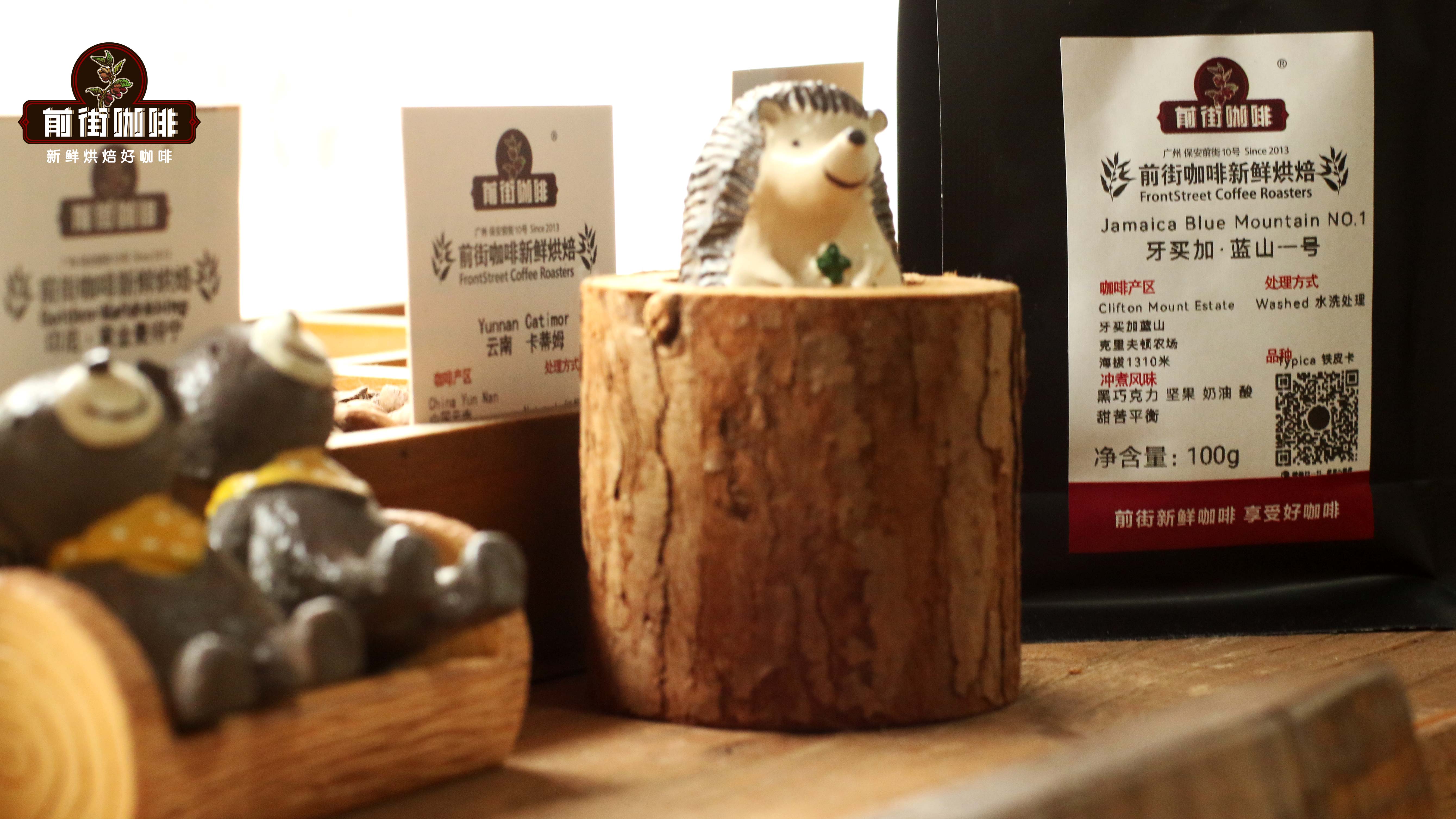
Jamaican Blue Mountain No. 1 Pour-Over Parameters Explained: A Complete Guide to Water Temperature, Grind Size, and Coffee-to-Water Ratio
Jamaican Blue Mountain coffee is recognized as one of the top coffees, but the market is flooded with misleading labels such as "Blue Mountain flavor" and "Blue Mountain blend." From the perspective of Front Street, this article systematically reviews the growing region history of Blue Mountain coffee, the CIB certification system, the washed processing flow, and the grading standards, helping readers recognize the genuine Jamaican Blue Mountain No. 1. At the same time, Front Street will share the pour-over brewing parameters for Blue Mountain No. 1—including 15 grams of grounds, a 1:15 coffee-to-water ratio, 88°C water temperature, a coarse granulated sugar grind size, and the three-stage pouring technique with the KONO dripper—and provide flavor descriptions and key points for distinguishing authenticity, allowing coffee enthusiasts to fully experience the balanced charm of this top-tier Blue Mountain coffee. [more…]
A Detailed Guide to Jamaican Blue Mountain Coffee Bean Grades: From Blue Mountain No. 1 to Jamaican Coffee Flavor and Taste Characteristics
Jamaican Blue Mountain coffee is hailed as a gem of the coffee world, but its complex grading system often confuses enthusiasts. This article will systematically sort out the classification of Blue Mountain coffee, from Blue Mountain No. 1 and Blue Mountain No. 2 to High Mountain coffee and Jamaican coffee, analyzing the elevation standards and quality differences of each grade one by one. At the same time, it will delve into the cultivation and processing flow of Blue Mountain coffee, its flavor characteristics—the perfect balance of mellowness, sweetness, acidity, and bitterness—as well as its unique wooden barrel packaging tradition and scarce production background. For readers pursuing a top-tier coffee experience, the article also mentions Front Street Coffee's recommendations and product information for Blue Mountain coffee, helping you gain a more comprehensive understanding of this legendary coffee. [more…]
A Comprehensive Analysis of the Flavor Profiles and Green Bean Characteristics of Representative Coffee Varieties from Major Global Coffee-Producing Countries
From Cuba's giant Maragogype to Ethiopia's Yirgacheffe, from Kenya AA to Hawaiian Kona, coffee-growing regions around the world produce representative bean varieties with strikingly different styles. This article systematically sorts through the origins, grading methods, growing environments, and flavor characteristics of these coffee beans, helping coffee enthusiasts build an overall understanding of the global coffee map. Whether you prefer the bright fruit acidity of African beans or the rich, mellow bitterness of Indonesian Mandheling, you can find the corresponding flavor coordinates in this guide. Front Street Coffee will also combine years of roasting experience to provide practical reference for beans from different regions. [more…]
Comparison of Indonesian BIWA Gold Top Mandheling and PWN Gold Mandheling: A Full Analysis of Origin, Processing, and Flavor Differences
This article compares the BIWA Gold Top Mandheling and PWN Golden Mandheling produced in Sumatra, Indonesia, sorting through everything from the origins of their names and harvesting in the producing regions to their processing methods and flavor profiles. Both beans come from the Lintong region and undergo semi-washed processing and multiple rounds of hand sorting, but they differ in trademark ownership and quality control details, ultimately presenting distinct aromas, body, and suitable brewing methods. The article also specifically introduces Front Street Coffee's Indonesia Golden Mandheling BIWA-Gold Top, helping coffee enthusiasts understand the differences between the two. [more…]
A Detailed Guide to Kenyan Coffee Bean Grading: AA Screen Size Standards and Front Street Specialty Recommendations
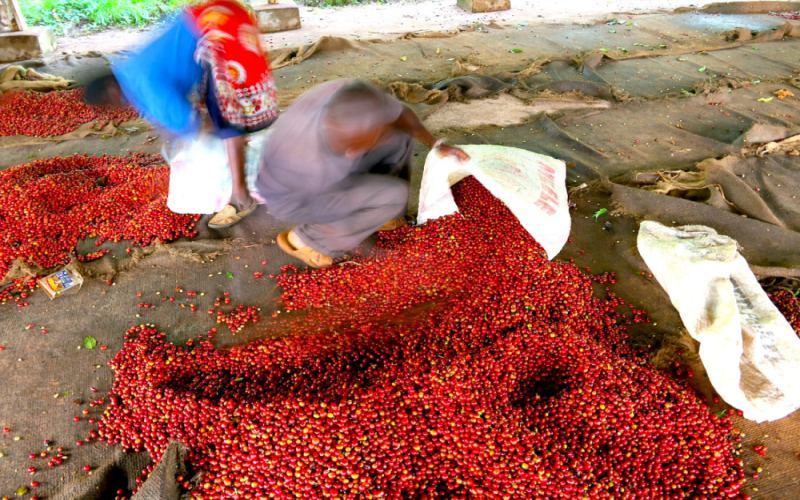
Kenyan coffee is renowned for its bright acidity and complex flavors, and its grading system is equally worth understanding in depth. Kenyan coffee beans are roughly divided into eight grades—E, PB, AA, AB, C, TT, T, and MH/ML—based on bean size, weight, and shape and appearance, with Grade AA being the most common and outstanding in quality. This article will analyze in detail the specific classification criteria for each grade, including the 17/18 screen size of Grade AA, as well as cup quality classifications set by exporters such as TOP, PLUS, and FAQ. It will also introduce the Kenyan AA TOP-grade beans launched by Front Street Coffee, originating from the Thika region and processed using the K72 double washing fermentation method, presenting delicate acidity reminiscent of berries and red wine along with a creamy sweet aftertaste, making them a top choice for lovers of acidic coffee. [more…]
What Is the Difference Between Jamaican Blue Mountain and High Mountain Coffee? A Comprehensive Guide from Altitude Classification to Barrel Packaging
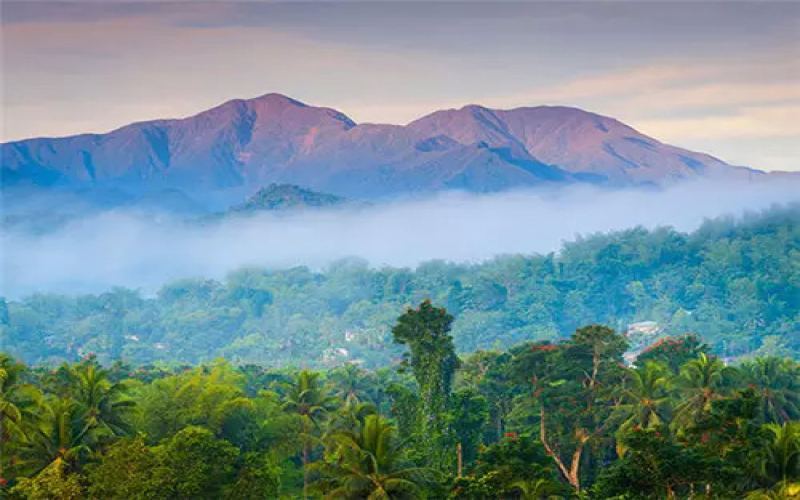
Though both are grown in Jamaica's Blue Mountains, Blue Mountain Coffee and High Mountain Coffee are not the same variety—altitude differences determine their identity and grade. Blue Mountain Coffee is limited to elevations between 900 and 1,700 meters, while High Mountain Coffee comes from the 450 to 900 meter zone. Blue Mountain Coffee is further classified into grades one, two, and three based on bean screen size; top-grade Blue Mountain No. 1 requires screen size 17 and above with a defect rate below 2%. Its distinctive wooden barrel packaging and official certification certificates further enhance the prestige of authentic Blue Mountain Coffee. Front Street Coffee selects Blue Mountain No. 1 from Clifton Estate, presenting a balanced flavor of dark chocolate, nuts, and creamy smoothness through a medium-dark roast. This article will guide you through a comprehensive understanding of the differences between the two, identification methods, and brewing key points. [more…]