







Search Results for: The Four Key Elements
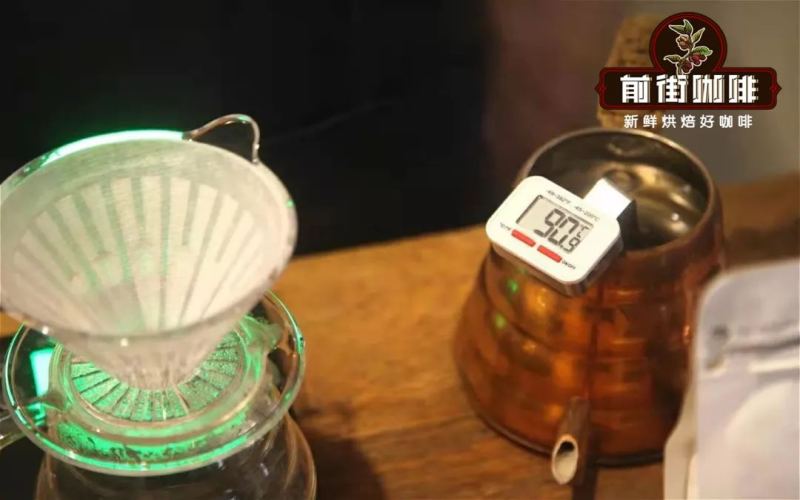
Brewing Water Temperature | The Relationship and Difference Between Pour-Over Coffee Brewing Water Temperature and Coffee Flavor: How to Determine the Pour-Over Water Temperature
I wonder if everyone has heard this saying: pour-over is easy to get started with but hard to master. It means that anyone can brew coffee, but wanting to brew a delicious cup of coffee freely and according to your own vision is actually very difficult. There aren't many factors that affect pour-over coffee, and among them, water temperature is one of the four major elements of brewing. Hand [more…]
From Color, Aroma, and Taste to Personal Preference: A Comprehensive Guide to Coffee Quality Appreciation and Flavor Selection
The color, aroma, and taste of coffee originate from a series of complex chemical reactions during the roasting process. Only when the essential components of green beans reach a balanced state can a good cup of coffee be achieved. This article will analyze the constituent elements of coffee quality from four dimensions: aroma, bitterness, acidity, body, and sweetness, and share how to savor coffee through temperature, portion size, and concentration. Finally, we will also explore coffee bean choices for different taste preferences, including moderate, intense, mild, and minimalist, helping you find the cup that suits you best among brands like Front Street Coffee. [more…]

Seven Elements of Hand-Brewed Coffee | Is the correct English for hand-brewed coffee "Hand Drip" or "Pour Over coffee"? What are the brewing methods for hand-brewed coffee?
What is the English for pour-over coffee? If translated literally, it could be rendered as "Hand coffee," but that term is definitely incorrect. Next, expressions like "Hand punch" are also common mistranslations. The correct term should be "Pour over coffee." Now, pour-over [more…]
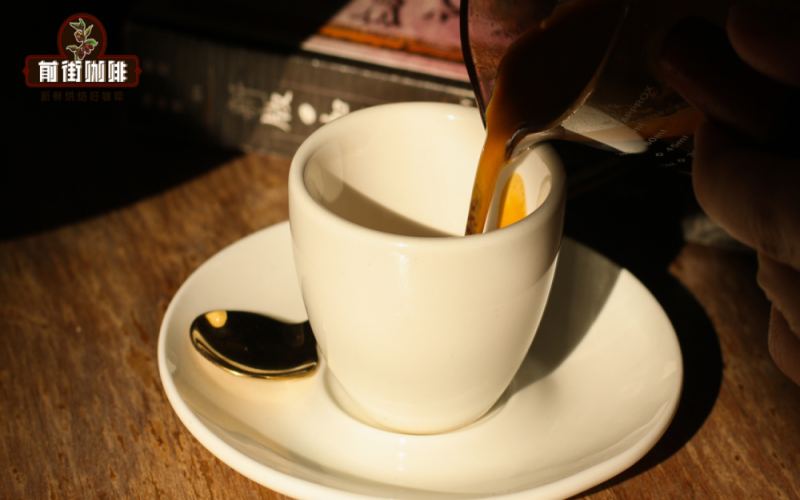
Characteristics of Italian-style blend coffee beans | What coffee beans are suitable for espresso? What are the coffee-to-water ratio, grind size, and water temperature for extracting espresso?
Espresso coffee beans, as the name suggests, are coffee beans specifically used for making Italian-style coffee. What makes these coffee beans different from others? Front Street Coffee has listed a few key differences for everyone! 1. Degree of roasting. Taking the coffee beans of a coffee shop as an example, if the coffee is produced using drip filtration (pour-over), [more…]
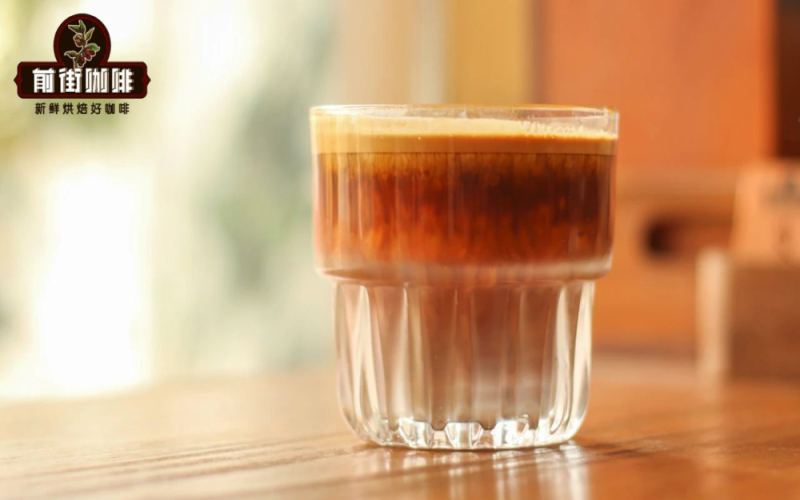
How big is a Dirty? | What is a dirty coffee? Where does dirty coffee come from? What's the difference between a dirty coffee, a latte, a flat white, and a cappuccino?
For those who love milk coffee, Dirty is certainly no stranger. Although Front Street Coffee hasn't listed "Dirty" on its menu, many in-the-know friends will actively order this drink after entering the shop. After all, it has long been popular nationwide and has even become a signature item for many coffee shops. Facing the first sip, [more…]

Yirgacheffe Four-Roast Cupping Record: An Analysis of How Green Bean and Roasted Bean Freshness Affect Flavor Complexity
How much of an impact does the freshness of coffee beans really have on flavor? Through comparative observation and roasting cupping of four washed Yirgacheffe G2 green beans, this article analyzes one by one the key role of freshness in coffee quality, from green bean color and dehydration state to post-roast aroma and mouthfeel layers. The test used the same roasting curve and repeatedly evaluated the coffee by pour-over and immersion methods, ultimately finding that Sample A and Sample B formed a striking polarity—the former had prominent floral and fruity notes and a long, sweet finish, while the latter lacked vitality due to aging. Whether green beans or roasted beans, freshness is the core element that determines the soul of coffee, and Front Street Coffee has always emphasized the importance of storage conditions. [more…]
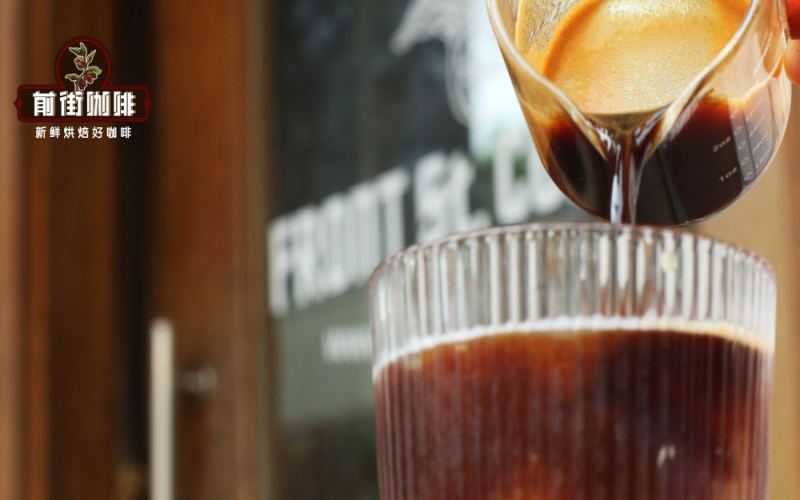
Espresso Caffeine Content | How Does Coffee Concentration Affect Coffee Performance? What Are the Taste Characteristics of a Standard Espresso?
For more specialty coffee knowledge, please follow our WeChat official account: Front Street Coffee (FrontStreet Coffee). The biggest characteristic of espresso is—it's strong! Most espresso has a concentration ranging from 7% to 12%, meaning its water content is 88%-93%. Drip [more…]
Espresso Bean Brand Recommendations | What's the Difference Between Americano Coffee Beans and Espresso Coffee Beans? Which Tastes Better, Espresso or Americano Black Coffee? Introduction to the Origin and Extraction Ratio of Espresso
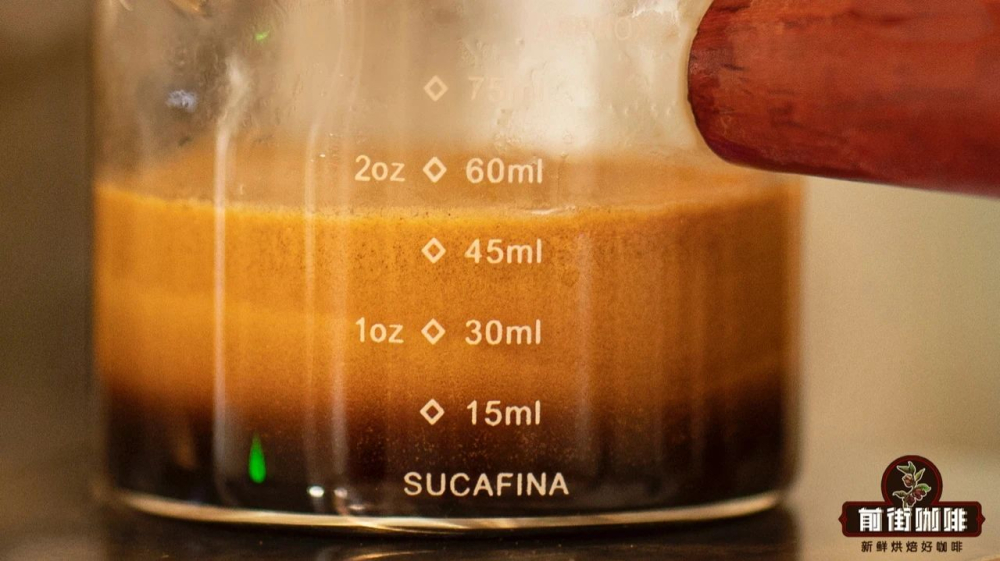
In recent years, China's specialty coffee craze has grown hotter and hotter. However, in most cases, whenever you meet up with friends to chat over coffee at a café, espresso-based coffee is bound to make an appearance. And under the branch of espresso-based coffee, there is actually an option called Americano, which leaves many friends scratching their heads—espresso-based coffee [more…]
How to Make Pour-Over Coffee for Two | How Should the Coffee-to-Water Ratio for Pour-Over Coffee Be Allocated? What Coffee Strength Does the SCAA (Specialty Coffee Association of America) Recommend?
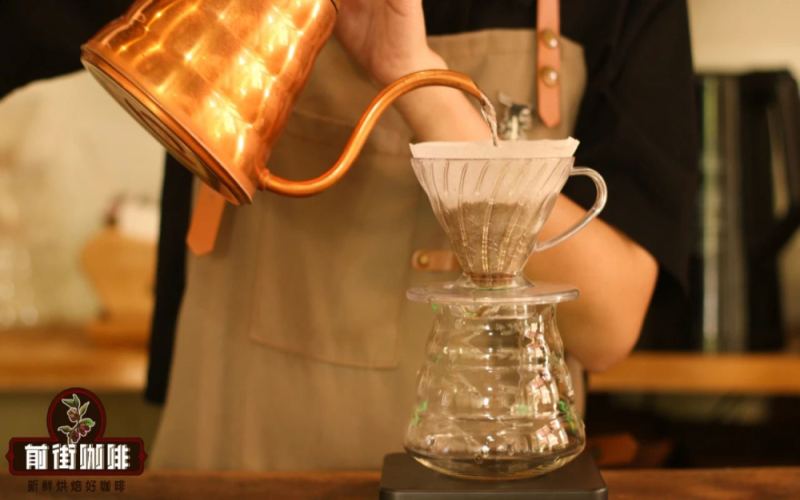
With the development of the specialty coffee market, single-origin coffee is increasingly recognized by the public, so many coffee enthusiasts are teaching themselves how to brew pour-over coffee at home. As a result, coffee-loving friends often ask, when buying coffee beans at Front Street Coffee, how the coffee-to-water ratio for pour-over coffee should be determined. So in this next article, Front Street [more…]
Espresso Full Analysis: Extraction Principles, Preparation Process, and Key Operational Points
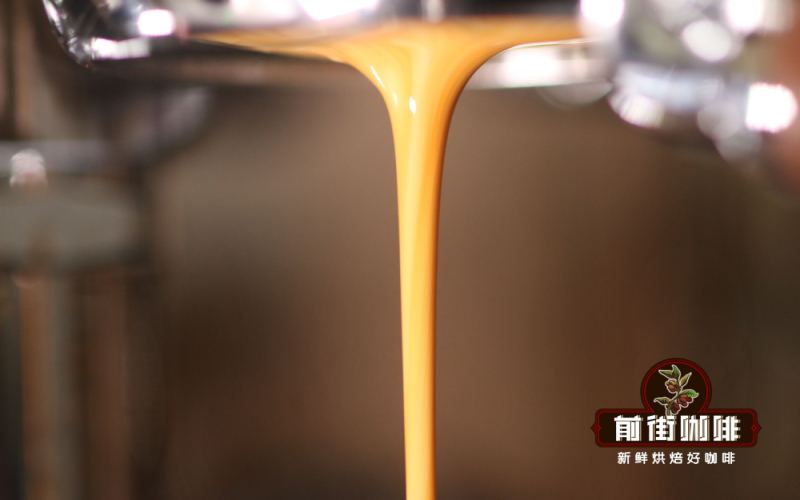
Espresso is a small amount of concentrated, pure black coffee extracted by forcing hot water under high-pressure steam rapidly through a puck of coffee grounds, with a golden layer of crema on its surface. Although it rarely appears alone on café menus, it is the base of common drinks such as Americano, latte, and cappuccino, and can be called the soul of a coffee shop. Starting from the definition and characteristics of espresso, this article will sort out its historical evolution and ideas for choosing blend beans, and explain in detail the complete steps for making espresso at Front Street Coffee stores, including dose, liquid yield, time control, and operational details such as distribution and tamping. Finally, it summarizes the key variables affecting extraction flavor and daily cleaning points, helping coffee enthusiasts systematically understand the logic behind a high-quality cup of espresso. [more…]
Cold Brew Shelf Life | Does Cold Brew Coffee Taste Better the Longer the Coffee Powder Steeps? What Key Points Should You Note When Making Cold Brew Coffee? Cold Brew Coffee Grind Size, Coffee-to-Water Ratio, and Extraction Parameters
Some may think that cold brew coffee is simply coffee grounds soaked in cold water for a long time. Actually, that's not the case! A delicious cold brew coffee involves more than just these elements; it also requires attention to some small details to assist our extraction. But as long as we do it right, we can easily make it with just a few steps. [more…]
Pour-Over vs. Espresso Coffee Comparison | What are the differences between espresso and pour-over coffee in terms of coffee bean preparation methods, coffee extraction principles, and coffee-to-water ratio parameters?
Coffee is winning over more and more people in China, even starting to rival fast-drink tea beverages like milk tea, though the consumer groups for each are quite different. When it comes to coffee, pour-over coffee and espresso are a must-mention, and pour-over coffee relies most of all on single-origin beans. The unadorned beauty of pour-over coffee is not brash, [more…]
A Practical Guide for Coffee Beginners to Choose Coffee Beans: Analyzing the Three Key Points of Freshness, Roast Level, and Origin Flavor
Faced with the wide variety of coffee beans on the market, friends who are new to coffee often don't know where to start. In fact, choosing coffee beans that suit you isn't complicated—just master a few key dimensions and you can easily get started. From the perspective of Front Street Coffee, this article chats with you about three core points to note when buying coffee beans: first, confirm whether the beans are freshly roasted and whether the packaging clearly indicates the roast date; second, judge the sweet, sour, and bitter direction of the coffee's flavor based on the roast level; third, lock in your preferred flavor type based on the different coffee-producing regions. Once you've mastered these three points, whether you like bright fruity acidity, soft sweetness, or rich full-bodiedness, you can find the corresponding beans. The article also includes several representative products currently sold by Front Street for reference. [more…]
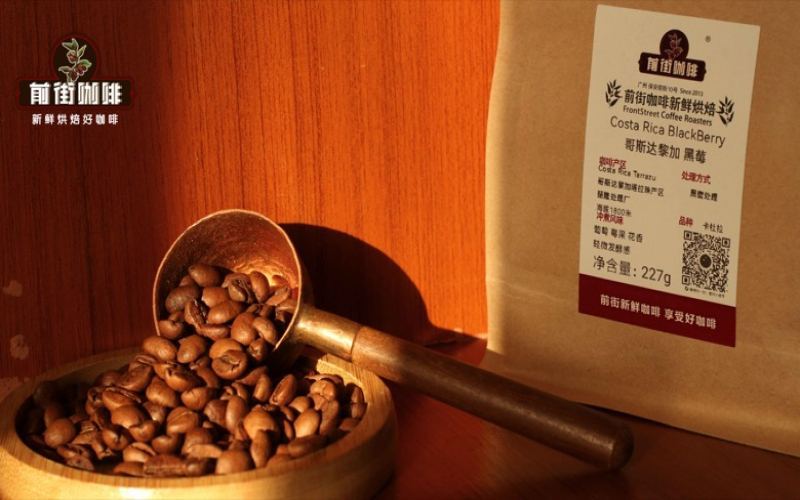
Berry-Flavored Coffee Beans: The Sweet-and-Tart Layers of Strawberry and Blueberry
Berry-flavored coffee beans have a flavor profile best described as "intertwined sweet and sour": the aromas of strawberry, blueberry, and raspberry need an acidic foundation to come across as three-dimensional. Front Street Coffee's Granja Estate Geisha has a strawberry jam aroma paired with sun-dried sweetness, making it a richer expression of berry notes; Colombia's Sidra, by contrast, has a brighter blueberry flavor, and in iced pour-over its berry character [more…]
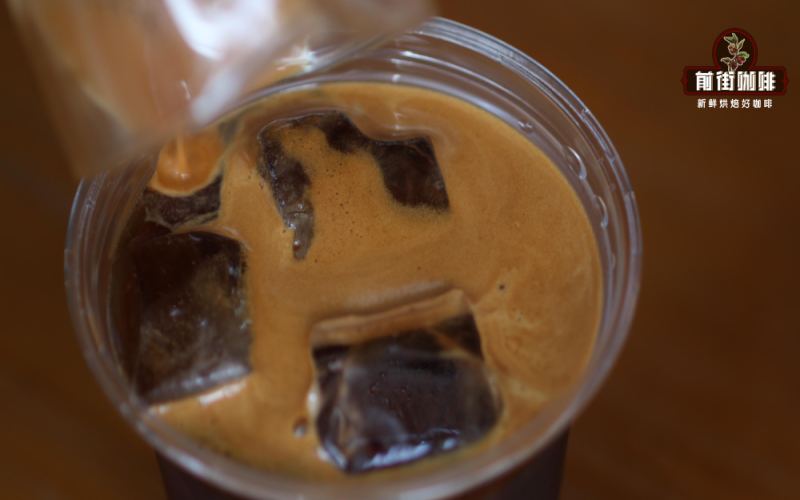
Iced Americano Coffee Ratio | What Are the Key Points of Making Americano? What Is Sparkling Iced Americano, and What's Special About Its Flavor and Mouthfeel?
For more specialty coffee knowledge, please follow our WeChat official account: Front Street Coffee (FrontStreet Coffee). Iced Americano is essentially espresso diluted with iced water. Because it is a black coffee made with only coffee beans and water, it is a 0-calorie, 0-sugar, 0-fat drink. [more…]
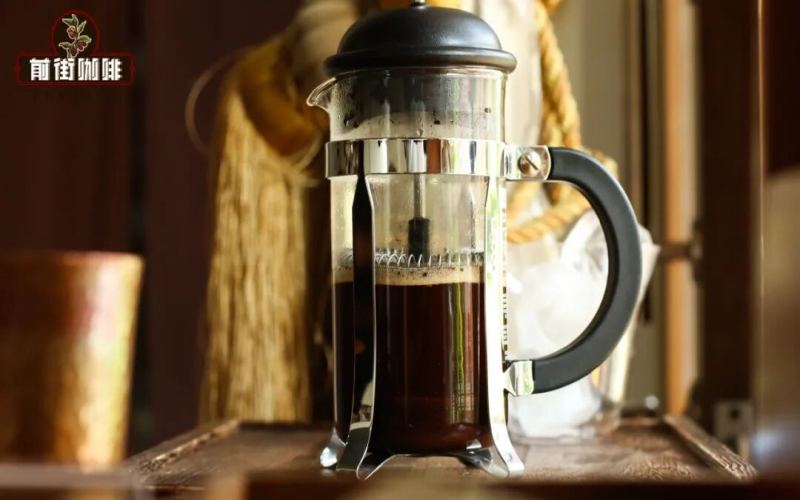
French Press Coffee | How to Make a Juice-Like Iced Coffee with a French Press? How Can Coffee Beginners Brew French Press Coffee?
Honestly, among all the coffee gear out there, Front Street Coffee's favorite is the French press. Why? Because it's incredibly easy to use—no need for any precise pouring technique or complicated variable control to brew a delicious cup of coffee effortlessly. It's just too relaxing (and the key point is it's also very cheap). But then again, [more…]
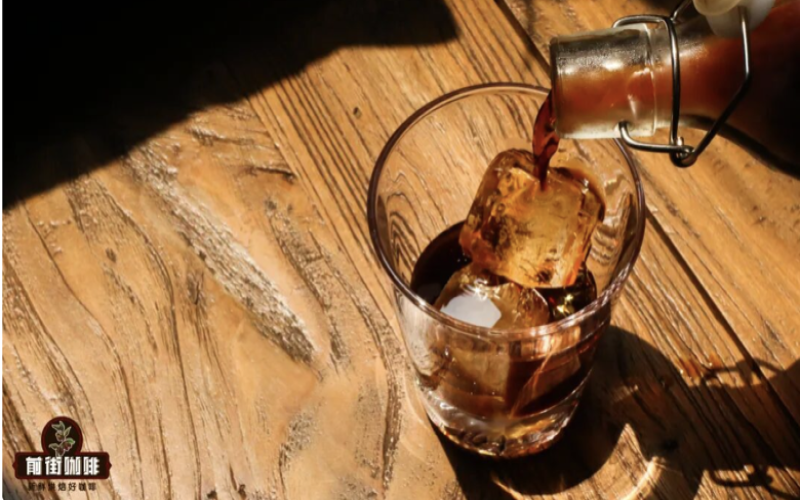
The Source of Sweetness in Cold Brew Beans: The Combination of Processing Method and Roast Level
The gentleness of cold brew lies in the low temperature: acidity is blunted, bitterness is weakened, and the bean's sweetness takes center stage. Cold-brewing Front Street Strawberry Candy, the sweet aroma of strawberry gummy candy soaks in the cold brew pitcher for over a dozen hours, yielding a pink fruit coffee with built-in sweetness; after cold brewing, the passion fruit notes of Sidra become much gentler in acidity, so even those who dislike acidity can enjoy it. [more…]
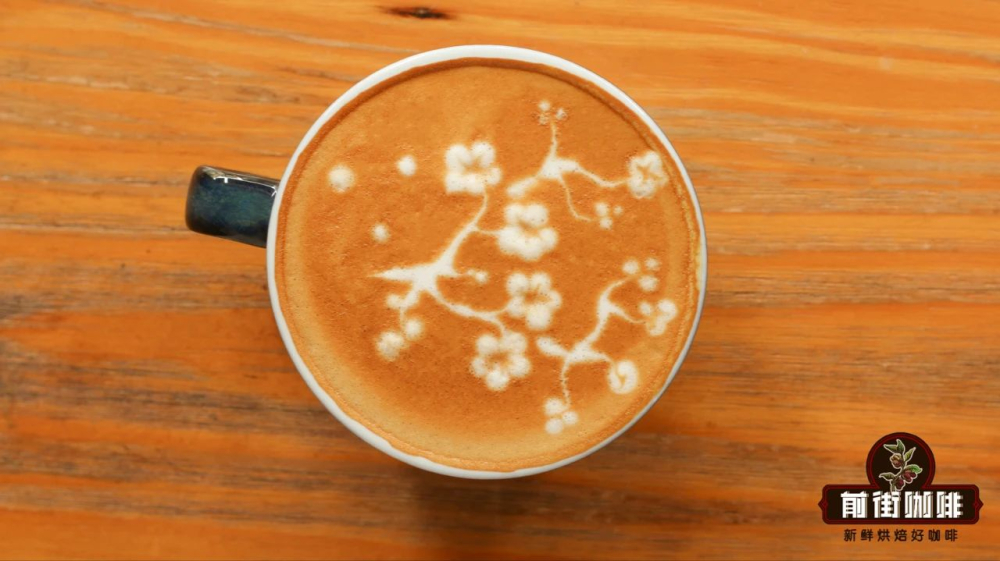
Latte Art | What is latte art? How do beginners make latte art? What are the techniques for making a tulip pattern?
Latte art mainly includes three forms: free pouring, etching, and stenciling. Stenciling uses a stencil to sprinkle cocoa powder, chocolate powder, or cinnamon powder onto the coffee to create a pattern. Free pouring and etching are collectively known as Latte Art; the former involves pouring hot [more…]
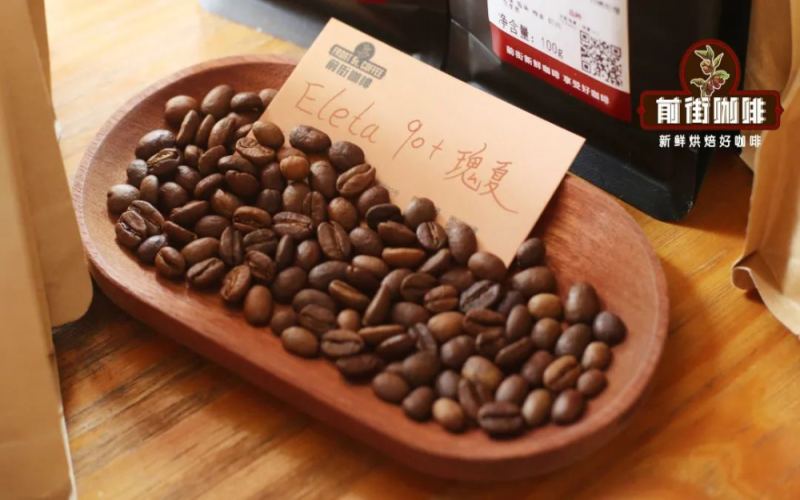
A Guide to Making Cold Brew Coffee at Home | What Are the Key Points in Making Cold Brew Coffee? Recommendations for High-Value Hand-Brewed Coffee Beans Suitable for Cold Brew
For more specialty coffee knowledge and sharing, please follow our WeChat official account: FrontStreet Coffee. Those who frequently read Front Street articles know that in addition to being extracted with hot water, coffee can also be made with cold water. Coffee made with cold water is called "cold brew coffee," [more…]
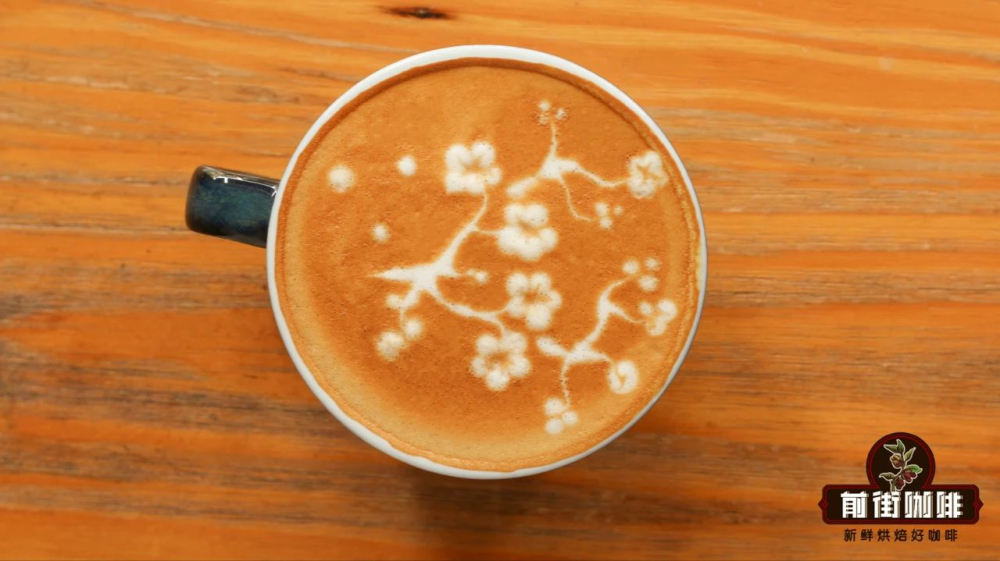
Latte Art Illustrated Guide | How Can Coffee Beginners Learn Latte Art? What Should Be Noted in Latte Art? Instructional Guide on Swan, Tulip, and Rosetta Latte Art
Latte art mainly takes three forms: free pouring, etching, and stenciling. Stenciling uses a stencil to dust cocoa powder, chocolate powder, or cinnamon powder onto the coffee to create a pattern. Free pouring and etching are together known as Latte Art: the former involves pouring steamed [more…]