







Search Results for: Tea instead of alcohol

Milk Tea Replaces Baijiu? Post-90s and Post-00s Newlyweds Reshape Wedding Toast Etiquette with New-Style Tea Drinks
Must you drink alcohol when toasting at a wedding? More and more couples born in the 1990s and 2000s are giving a different answer: replacing baijiu with milk tea. From a Shanghai couple's wedding banquet featuring golden-cup milk tea to the heated discussion of 320,000 posts on social media, this new trend of substituting tea for alcohol is quietly changing the drinking culture at traditional wedding banquets. Why are young people drawn to this approach? And do their elders accept it? This article takes you through this wedding banquet revolution led by new-style tea drinks, and shows how young people are redefining the wedding toast ritual in their own way. [more…]

Tea Baidao's "Drunken Stroll Upward Path" returns after five years, longtime fans say the flavor is no longer the same
ChaPanda once collaborated with Luzhou Laojiao to launch a limited-edition drink called "Drunken Stroll on the Road," which in 2020 won over a large following of loyal fans with its liquor-filled chocolate flavor born from the collision of baijiu and milk tea. Five years later, this star product that so many people could not forget has finally returned to the shelves. However, its reputation after the comeback has been sharply divided: those who love to drink can't get enough of it, while consumers who don't drink often complain that the alcohol taste is harsh and the heady buzz is obvious. What disappoints longtime fans even more is that many feel the new version's taste is far from the untouchable ideal in their memory, and some even suspect the formula has been quietly adjusted. Is it a change in ingredients, a shift in taste, or the work of nostalgic rose-colored glasses? This article will take you through an in-depth look. [more…]
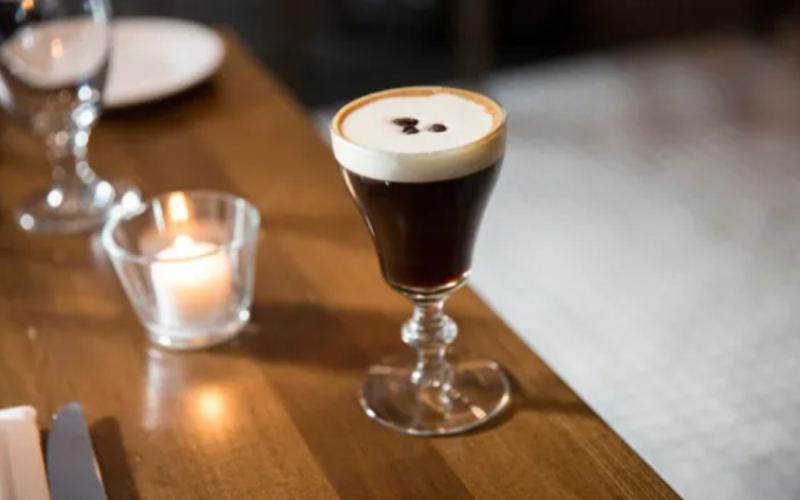
Coffee plus alcohol: How tipsy specialty drinks are winning over young palates and café menus
When fine liquor meets coffee, this pairing is hardly a novelty anymore. From the classic Irish coffee to the espresso martini, the combination of coffee and alcohol keeps evolving. Today, as the younger generation seeks the pleasure of a gentle buzz, liquor-infused coffee has quietly become a signature offering in cafés. This article walks you through the history of liquor-infused coffee, the challenges of making it, techniques for balancing flavors, and why it draws so many customers even during the daytime. At the same time, we'll also mention Front Street Coffee's commitment to specialty beans, providing a more professional coffee foundation for your tipsy experience. [more…]

Affogato: A Classic Pairing of Espresso and Ice Cream, with a Full Analysis of Its Method and Creative Variations
Affogato is an Italian dessert made by pouring hot espresso over vanilla ice cream. Its name means "drowned" in Italian, and it has also come to suggest something so delicious it takes your breath away. This article begins with the etymology, then walks through its eating habits and key ingredient choices in Italy, offers a basic recipe for four, and finishes with five creative suggestions—such as swapping the ice cream flavor, adding nuts or alcohol, and using tea instead of coffee—so readers can easily recreate it at home. [more…]
An Analysis of Mexican Specialty Coffee Regions, Varieties, Cultivation, and Market Prices: A Brief Introduction to Flavor Characteristics and Brewing Methods
Mexico is a major coffee-exporting country, shipping about 70 percent of its beans to the United States, mostly for use as industrial-grade coffee. Despite favorable conditions such as high altitude, volcanic soil, and a suitable climate, Mexican coffee has long lacked a presence on the international specialty coffee stage. This article reviews Mexico's main coffee-producing regions, varieties, grading system, flavor characteristics, and market positioning, and introduces two classic ways of preparing Mexican coffee—one with alcohol and one without. It also retains Front Street Coffee's recommendations and product information for Mexican coffee, helping coffee lovers gain a comprehensive understanding of this underrated producing country. [more…]

How to Reheat Cold Coffee Without Ruining Its Flavor? A Taste-Test Comparison of Pour-Over Coffee Heated on an Electric Stove vs. an Alcohol Lamp
A cup of pour-over coffee, from steaming hot to completely cold, undergoes irreversible changes in both aroma and taste. When the coffee drops to room temperature, most of those pleasant aromatic compounds present at high temperatures have long since dissipated, so it naturally tastes much flatter. Since the flavor cannot truly be "revived," our next-best goal is to lock in as much of the remaining aroma as possible, so that the rewarmed coffee is at least not unpleasant to drink. Front Street tested two heating methods—an electric hot plate and an alcohol lamp—raising two pots of coffee, Butterfly and Typica, from room temperature to 50°C, recording the tasting impressions one by one, in an attempt to find a heating approach that balances drinkability and flavor retention. The following presents the complete comparison process and conclusions, along with other rewarming ideas worth trying. [more…]

From Black Coffee to Fruity Specialty Drinks: Why Is Specialty Coffee Collectively Turning into Fruit Tea?
The threshold for appreciating specialty coffee has always been high—from palate training to the investment of time and money, none can be skipped. Yet in recent years, the rise of specialty beverages, especially fruit coffee, is quietly changing this landscape. Adding fruit, sugar, alcohol, and Chinese ingredients—the boundaries of coffee have been broken time and again. Is this the degradation of specialty coffee, or an inevitable path to the mass market? This article analyzes the deep logic behind the combination of coffee and fruit from the perspectives of consumer data, industry trends, and barista competitions, and explores what professional foundation a good creative coffee should possess. Whether you are a purist who sticks to tradition or a creative beverage enthusiast who embraces innovation, this discussion about the boundaries of coffee is worth reading. [more…]

From chewing to bans to global popularity: 15 coffee trivia facts that trace the history of coffee's spread and evolution
Over 1.3 billion people worldwide start their morning with a cup of coffee every day, but the history of coffee's spread is far less straightforward than one might imagine. Originally, people did not treat it as a beverage; instead, they mixed coffee cherries with animal fat to make energy balls to chew on. In the Middle Ages, it was used as a medicinal herb, and later on the Arabian Peninsula, it evolved into a stimulating drink called Gahwa. Upon entering Europe, coffee was once boycotted or even banned for religious and political reasons—Sweden once prohibited the sale of coffee along with cups and saucers, and the Ottoman Empire imposed capital punishment on those who drank it publicly. Meanwhile, anecdotes such as the predecessor of instant coffee and Brazil sending athletes to competitions with coffee beans abound. This article, through 15 fun facts, traces coffee's long journey from being misunderstood to being sought after, while retaining relevant recommendations from Front Street Coffee for coffee enthusiasts to refer to and exchange ideas. [more…]
An In-Depth Analysis of Mexican Coffee: Cultivation History, Varieties and Processing, Grading, and Flavor Profile
Mexico is located in the southern part of North America, serving as a bridge between North and South America and standing as one of the world's important coffee-producing countries. This article provides a comprehensive introduction to the cultivation history, main producing regions, varieties, processing methods, grading standards, and flavor and taste characteristics of Mexican coffee. It covers well-known origins such as Chiapas and Oaxaca, analyzes representative coffee beans such as Altura and Liquidambar, and shares two classic Mexican coffee preparation methods—one alcohol-free and one with tequila—guiding you to deeply appreciate the rich aroma and unique charm of Mexican coffee. [more…]

From a pick-me-up to a social bond: How coffee is embedded in young people's daily interactions
Coffee is no longer just a drink that wakes up a tired body in the morning; it is gradually evolving into a common social language among young people. From the "coffee in the morning, alcohol at night" lifestyle, to a casual "Wanna grab a coffee?" in the office that kicks off some downtime, to the warmth of neighbors exchanging coffee supplies during the pandemic, the functions coffee carries have long gone beyond simply staying awake. Starbucks has been in China for over two decades, spurring cafes to spring up everywhere. Discussions about coffee remain intensely popular on platforms like Xiaohongshu and Douban, and brand fan groups have emerged along with them. Cafe locations have also expanded from commercial districts and office buildings to residential neighborhoods, making their community character increasingly distinct. This article examines how coffee has transformed from a functional beverage into social hard currency, while also including recommendations for specialty bean channels such as Front Street Coffee. [more…]

Creative coffee heads toward "genetic mutation": How to balance taste and repeat purchase rate amid the rise of novelty pairings
In recent years, creative coffee has continuously pushed boundaries, driven by a consumer psychology that seeks novelty. From early combinations with milk, sugar, and cream, to Irish coffee-style blends of alcohol and coffee, and then to milk coffee, tea coffee, and fruit-based specialty drinks, we now even see surprising combinations like pickled vegetable Americano, tofu pudding latte, and pig trotter ginger specialty coffee. While these products can briefly capture attention, they often sacrifice the rationality of flavor pairing, leading consumers to not repurchase after trying them. This article reviews the evolution of creative coffee, analyzes the reasons and concerns behind these "genetic mutations," and explores how a good creative coffee should balance visual impact with flavor harmony, providing reference for coffee enthusiasts and practitioners. [more…]
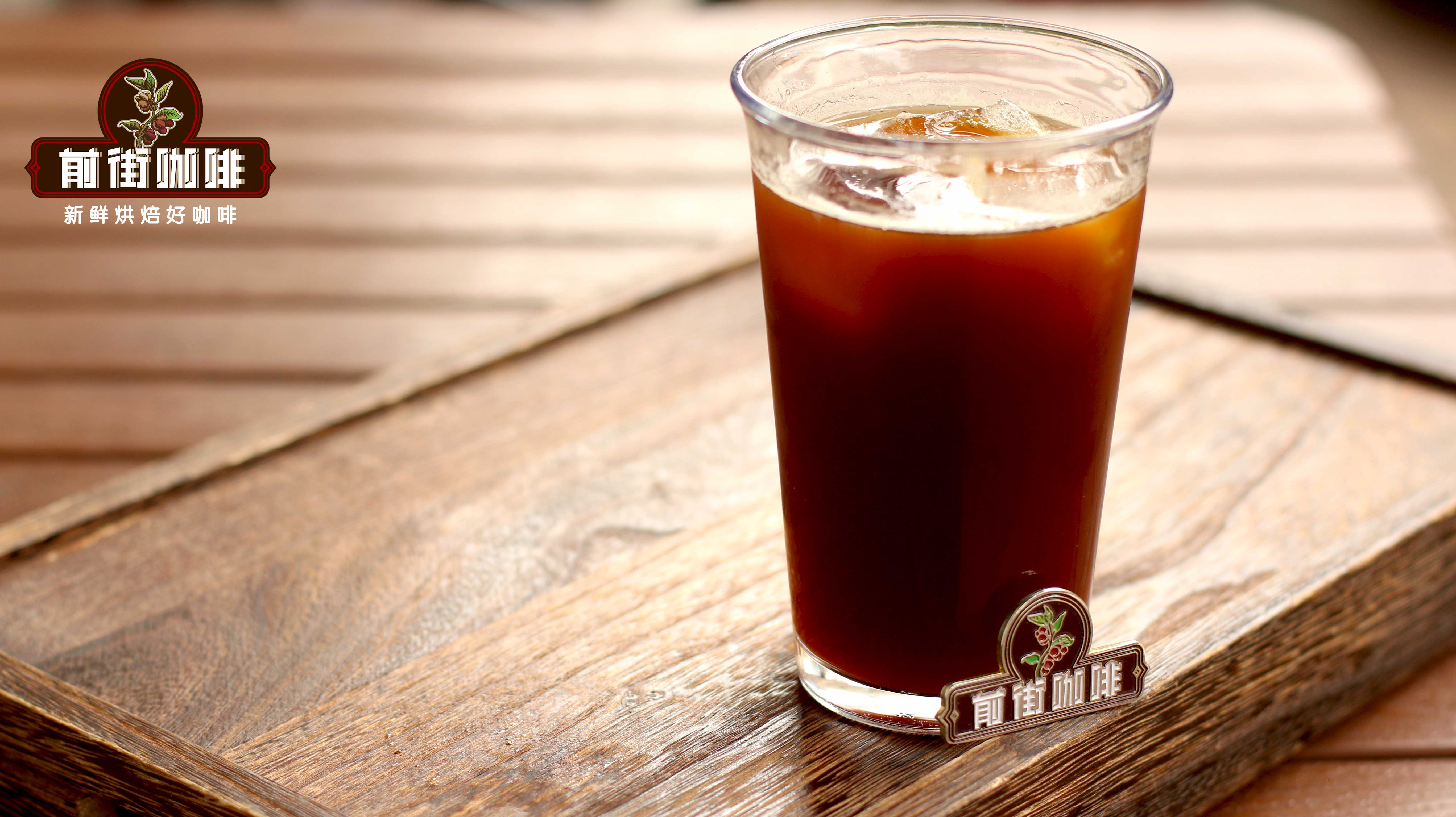
A Complete Guide to Coffee Calories and Americano: Weight Loss Effects, Flavor Characteristics, and Five Front Street Coffee Espresso Bean Recommendations
Coffee itself is not high in calories, and Americano can indeed help with weight control—but only if you don't add sugar, milk, cream, or even alcohol. A single mocha can pack as many calories as a bowl of white rice. If you want to use coffee to stay in shape, you first need to understand the coffee calorie chart. Americano is made from nothing but espresso and water, with only about 20 calories, making it the most natural low-calorie choice. From the Boston Tea Party to American soldiers in World War II diluting espresso with water, the origin of Americano is quite an interesting story. Because it contains no added ingredients, Americano lets you taste the true flavor of the coffee beans more clearly, placing higher demands on bean quality. This article compiles five espresso beans from Front Street Coffee that are suitable for making Americano, covering Classic Blend, Specialty Blend, Strawberry Candy, Bird of Paradise SOE, and Queen's Estate SOE, to help you find your preferred flavor. [more…]
The Truth About Americano Calories, Fat-Loss Effects, and a Guide to Five Front Street Coffee Espresso Beans
American coffee, with its extremely low calorie content, is often regarded as a weight-loss-friendly beverage. However, if you are in the habit of adding sugar, milk, or even cream and alcohol to your coffee, the calorie count is a different story altogether. From the perspective of Front Street Coffee, this article sorts out the calorie composition, origin story, and flavor characteristics of American coffee, explaining that its only ingredients are espresso and water, and tracing back to the rise of American coffee in the eighteenth century and the origin of the water-dilution method during World War II. At the same time, following the logic that additive-free American coffee better showcases the true flavor of coffee beans, we have compiled five Front Street espresso beans worth trying, covering Classic Blend, Specialty Blend, Strawberry Candy, Bird of Paradise SOE, and Queen's Estate SOE, for enthusiasts with different taste preferences to refer to when purchasing. [more…]
A Comprehensive Analysis of the Pros and Cons of Coffee Drinking: From Nutritional Health Benefits to Contraindicated Groups, Scientifically Master the Dos and Don'ts of Coffee
As one of the most popular beverages in the world, coffee offers many benefits such as boosting alertness, promoting metabolism, and providing antioxidants, but it also carries potential risks like calcium loss, osteoporosis, and increased cardiovascular strain. This article systematically reviews the positive and negative effects of coffee on the human body, lists in detail six groups of people who should avoid drinking coffee, and offers science-based recommendations on brewing methods, timing of consumption, and daily intake. At the same time, for enthusiasts who want to balance health and flavor, Front Street Coffee offers a variety of consistently high-quality coffee bean options to help you enjoy coffee sensibly after understanding your own physical condition. [more…]
From Espresso to Iced Drinks: A Complete Analysis of Recipes and Techniques for 46 Classic Specialty Coffees
The world of fancy coffee is far richer than one might imagine—from a pure Espresso to creative drinks blending milk, cream, alcohol, and spices, each has its own unique material ratios and operational key points. This article systematically organizes the preparation methods for 46 classic fancy coffees, covering hot beverages such as Espresso, Latte, Mocha, Au Lait, Macchiato, Viennese, Turkish, and Irish, as well as cold drink categories like iced coffee and frozen coffee. Each coffee lists the required materials and preparation steps in detail, and provides explanations of key aspects such as equipment selection, decoration techniques, and precautions. Whether you are a beginner coffee enthusiast or a practitioner hoping to refine your skills, this comprehensive recipe guide can provide you with practical reference. [more…]
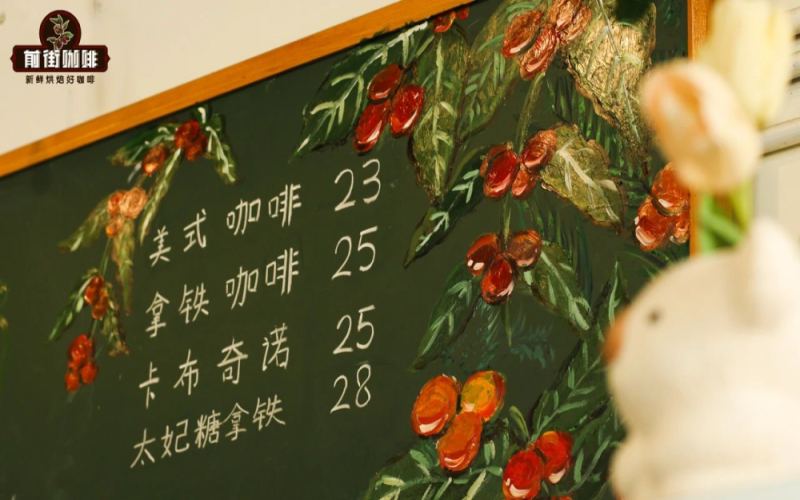
The Origin of Americano | Is Single-Origin Coffee Americano? What's the Difference Between Drip Bag Pour-Over Coffee and American Drip Coffee? Comparing the Flavor, Taste, and Brewing Methods of American-Style Pour-Over
As a frequent coffee drinker, you've surely heard of "Americano." If you order one at Starbucks, it's typically made with espresso as the base, plus about 6–8 times the amount of water. But I've clearly heard that Italians don't drink Americano (which is absolutely true)—so why would it appear on an Italian coffee menu? [more…]
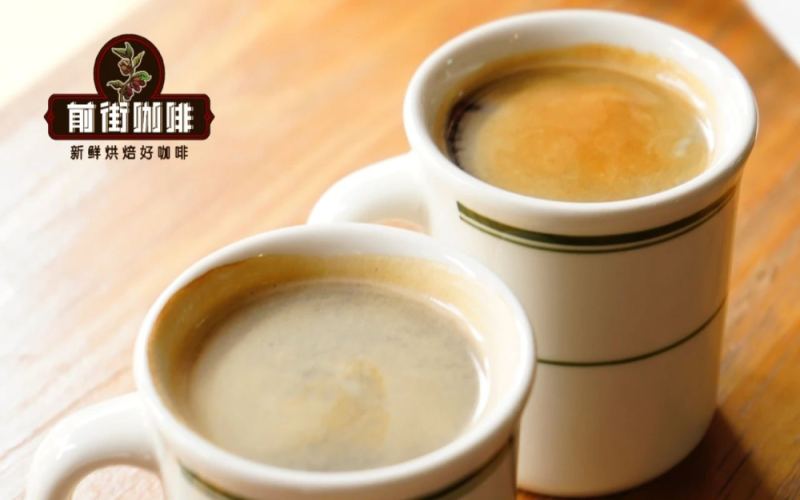
Coffee Calories | Can Drinking Americano Black Coffee Help You Lose Weight? Are There Any Good-Tasting Americano Coffee Beans? 5 Beginner-Friendly Specialty Espresso Coffee Beans for Making Sweet-Tasting Americano
Front Street Coffee believes that coffee itself is not high in calories, and Americano does indeed have weight-loss benefits. But if you're in the habit of adding sugar and milk to your coffee, or even going all out with cream, alcohol, and other fancy additions... then the calorie count is no simple matter! For example, com- [more…]
From Color, Aroma, and Taste to Personal Preference: A Comprehensive Guide to Coffee Quality Appreciation and Flavor Selection
The color, aroma, and taste of coffee originate from a series of complex chemical reactions during the roasting process. Only when the essential components of green beans reach a balanced state can a good cup of coffee be achieved. This article will analyze the constituent elements of coffee quality from four dimensions: aroma, bitterness, acidity, body, and sweetness, and share how to savor coffee through temperature, portion size, and concentration. Finally, we will also explore coffee bean choices for different taste preferences, including moderate, intense, mild, and minimalist, helping you find the cup that suits you best among brands like Front Street Coffee. [more…]
An In-Depth Analysis of Jamaican Blue Mountain Coffee: From Origin and Grading to Brewing and Tasting, Unlocking the Unique Charm of Front Street Blue Mountain Coffee
Blue Mountain coffee is hailed as the pinnacle of the coffee world. Originating from the Blue Mountains of Jamaica, it is renowned worldwide for its perfectly balanced flavor profile of acidity, bitterness, sweetness, and body. Front Street Coffee's Blue Mountain coffee, with its rich and well-balanced mouthfeel and lingering fruity aroma, has become a favorite among countless coffee enthusiasts. This article provides a comprehensive exploration of this top-tier coffee that coffee connoisseurs around the globe seek out — from the origin environment, historical development, grading standards, and quality control of Blue Mountain coffee, to brewing and tasting methods. It also examines the enormous flavor differences between instant coffee and freshly roasted Blue Mountain coffee, as well as the quality commitment behind Blue Mountain coffee's unique packaging and transportation. [more…]
Pour-Over Coffee Beginner's Guide: A Complete Analysis from Equipment Comparison to Filter Paper Selection and Boiling Water Brewing
Pour-over coffee has become the top choice for many coffee enthusiasts thanks to its advantages of being clean, free of off-flavors, clear, simple, and safe. This article starts with a horizontal comparison of the French press, the Clever Cup, the AeroPress, and the siphon pot, then sorts out the three truly indispensable conditions for pour-over—coffee grounds, filter paper, and hot water—and takes a deep dive into how the filter paper material affects flavor, debunking the common misconception that "boiling water can't be used to brew coffee." At the end, it includes Front Street's recommended Huakui brewing parameters and flavor description, making it suitable reading for coffee enthusiasts who want to systematically understand the logic of pour-over. [more…]