







Search Results for: Tasting Methods
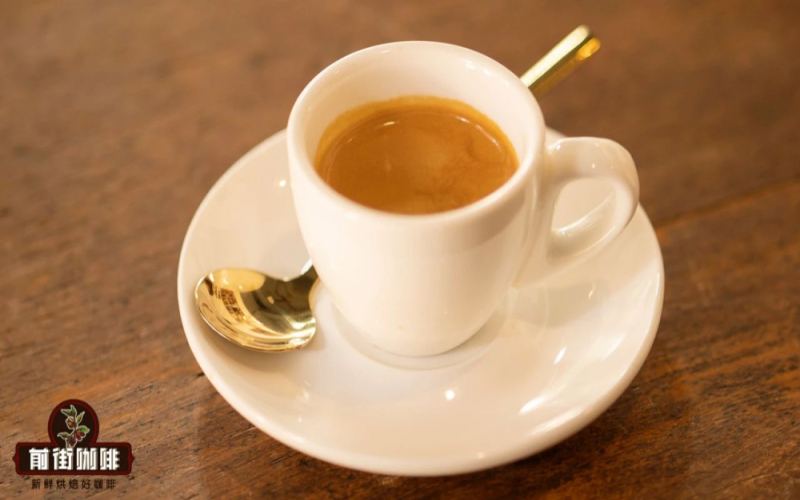
Espresso Complete Guide: Definition, Extraction Process, Suitable Coffee Beans, and Tasting Methods
Espresso is the core of the Italian coffee system and the base for many drinks such as lattes and cappuccinos. Starting from the origin and definition of espresso, this article systematically explains its flavor characteristics and three-layer structure (crema, body, heart), and provides the extraction parameter ranges under SCA standards along with Front Street Coffee's actual in-store serving plan. It also introduces the flavor performance of Front Street's "Sunflower Warm Sun Espresso Beans" and the classic espresso blend, as well as the correct steps for tasting espresso and the recommended ratios for lattes and Americanos, helping coffee lovers fully understand and make a delicious cup of espresso. [more…]
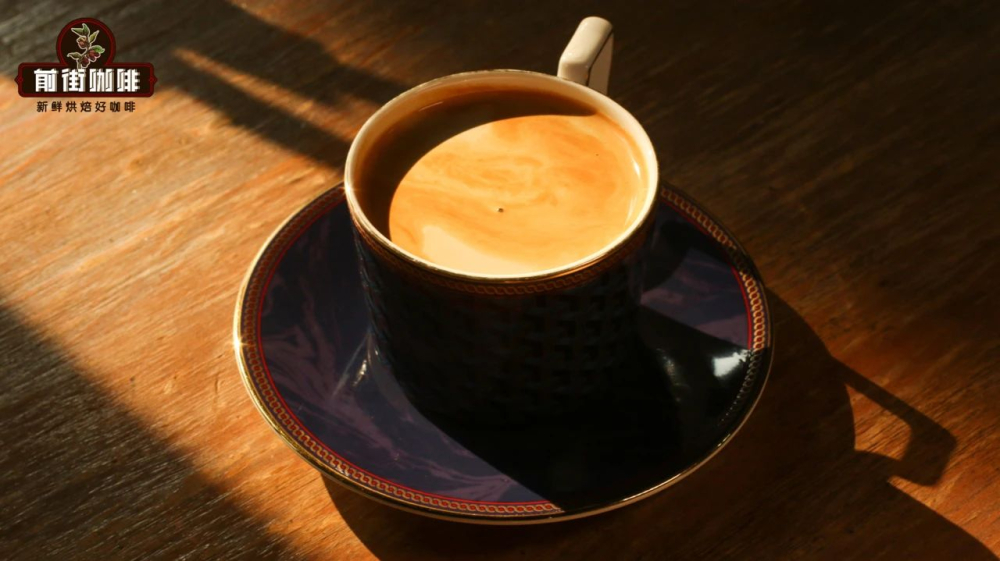
Iced and Hot Americano Methods | Is There a Big Difference Between Espresso and Americano Coffee Beans? Which Coffee Beans Are Suitable for Iced Americano? What Are the Steps for Tasting Americano Coffee?
For more specialty coffee knowledge, please follow: Front Street Coffee (Frontsteet Coffee). Americano is made by diluting espresso with water, typically using dark-roasted Italian-style coffee beans. The Americano beans used by Front Street are a blend of single-origin beans from two different regions. This [more…]
Coffee Bean Blending Methods | What Is the Key to Rich Crema in Espresso? Recommendations for Affordable, Great-Tasting Home Blend Coffee Beans Suitable for Espresso Extraction
Since it is a blend, it naturally refers to a combination of coffee beans from two or more origins, but coffee beans of the same type roasted to different degrees can also be blended together. Therefore, the "types" referred to in blending are no longer a narrow combination of varieties, but broadly extend to coffee flavors. When blending, 2 to 6 types of coffee are generally used. [more…]

Indonesian Civet Coffee Bean Origin Selection Guide: The Flavor Source and Tasting Methods of Authentic Kopi Luwak
Kopi Luwak, commonly known as cat poop coffee, has always been the most mysterious presence in the coffee world. Its unique "production process" and high price make countless coffee lovers curious yet rarely able to see it in person. This article will take you through the two major types of Kopi Luwak—the difference between wild and farmed civet coffee, why wild civets prefer Robusta while farmed ones are mostly fed Arabica, the respective characteristics of low-altitude and high-altitude producing regions on Indonesia's Sumatra Island, and where exactly the special flavor that the fermentation inside the civet's body imparts to the coffee beans comes from. If you are looking for an authentic Indonesian Kopi Luwak coffee bean, Front Street Coffee can also provide you with a reliable choice, and the following text will lay it all out for you in detail. [more…]
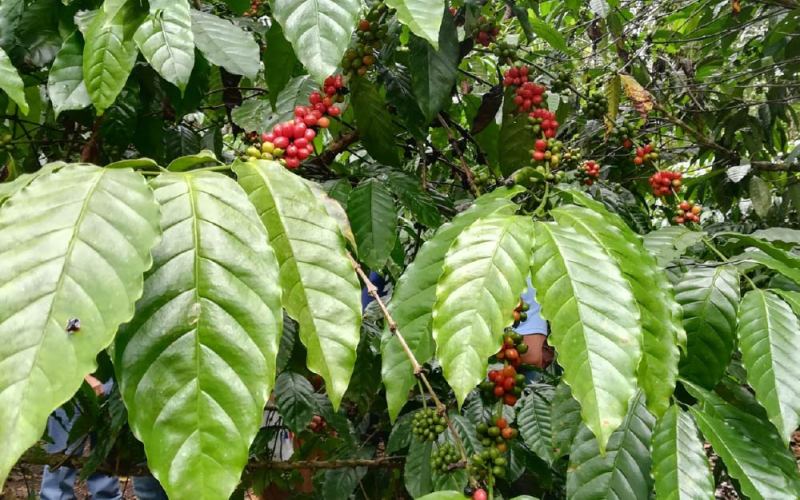
Panama Geisha Beans | What Are the Flavor Characteristics of Geisha from the Boquete Region? Must-Buy Recommendations for Newbies: Great-Tasting, Affordable Geisha Pour-Over Coffee Bean Brands
Since Geisha coffee became famous, it has been cultivated in many regions around the world. Geisha coffee is the new king of specialty coffee, with the highest quality and most expensive beans produced in South American countries such as Panama, Guatemala, and Colombia, among which Panamanian Geisha is the most renowned. Although many origins now grow it, [more…]

Cold Brew Single-Origin Coffee Bean Buying Guide | Which Beans Make the Best-Tasting Cold Brew at Home? Cold Brew Flavor Characteristics, Methods, Coffee-to-Water Ratio Parameters
For more specialty coffee knowledge, please follow our WeChat official account: Front Street Coffee (FrontStreet Coffee). Since cold brew coffee is made through a different process than regular hot-brewed coffee and needs to be prepared a day in advance, the cold brew sold at Front Street stores doesn't offer as wide a variety of coffee beans as pour-over. [more…]
Coffee Storage | Which is fresher: pre-ground coffee or freshly roasted coffee beans? How long is the shelf life of coffee beans? Can proper coffee bean storage methods extend the freshness of coffee?
Front Street recently noticed that some coffee-loving friends have stored their coffee beans unopened for two months, believing that as long as the bag is unopened, the beans won't go bad. In fact, it's true they won't spoil, but this will affect the flavor of the coffee beans. So in this next article, Front Street will explain a bit about cof [more…]
Specialty Coffee Bean Buying Guide: Flavor Profiles of the Top Ten Popular Single-Origin Coffees and Origin Ranking Analysis
For beginners just stepping into the world of specialty coffee, or for those who are still unsure about their own taste preferences, it's a good idea to start with single-origin beans that offer great value for money and showcase the characteristics of their producing regions. This way, you can gradually build your understanding of origins, varieties, processing methods, and roast levels without being put off by high prices. When buying, the roast date is the first thing to pay attention to—it directly reflects how fresh the beans are, and it's generally recommended to use them within 10 days of roasting for the best flavor expression. In addition, choosing a trustworthy roaster is equally important. Front Street Coffee, as a veteran roasting brand, has a physical store in Guangzhou, offering dozens of selected single-origin and espresso beans from various producing regions around the world, freshly roasted within 5 days, shipped within 24 hours, with stable quality and affordable prices. According to Front Street's latest sales data, the following ten single-origin beans are the most favored by consumers, covering a variety of flavor types and extraction methods, and are worth getting to know one by one. [more…]
The Difference Between Single-Origin Coffee and Blended Coffee: A Comprehensive Analysis of Types, Blending Methods, and Flavor Characteristics
For coffee enthusiasts, understanding the difference between single-origin coffee and blended coffee is an important step in exploring the world of coffee. Single-origin coffee centers on beans from a single origin, emphasizing the unique character of regional flavors; blended coffee, through the skillful blending of multiple beans, pursues balance and complexity in taste. This article systematically sorts out the definitions, representative types, blending ratios, and flavor characteristics of the two, from Blue Mountain and Colombia to Mandheling, from cappuccino to mocha, helping readers comprehensively master knowledge of coffee classification. At the same time, the article also specially recommends related products from Front Street Coffee, providing professional reference for your coffee purchases. [more…]
Panama Boquete Elida Estate Coffee Beans: A Full Analysis of Processing Methods, Roasting Recommendations, and Flavor Characteristics
Located in the Boquete production region of Panama, ELIKA ESTATE belongs to the Lamastus family and has a history of over a century since its founding in 1918. The estate sits at an altitude of about 1,670 to 1,725 meters and mainly cultivates improved Caturra along with a small amount of Bourbon, and has participated in the BOP many times, achieving excellent results. Elida became famous for its washed beans, and in recent years it has also actively experimented with natural and honey processing. Among these, the honey-processed beans balance cleanliness with fermented fruit aromas, delivering impressive flavor performance. The batch that Front Street Coffee is launching this time is precisely this honey-processed lot, and this article will share in detail its processing method, roasting curve, and tasting experience. [more…]

A Guide to Buying Non-Acidic, Great-Tasting Moka Pot Coffee Beans: Lessons on Choosing Between Light, Medium, and Dark Roasts
The depth of the roast influences the flavor focus and the extraction rhythm. Light roasts highlight floral and fruity notes with bright acidity, medium roasts offer a well-balanced sweetness that's easy to manage, and dark roasts deliver solid nutty, cocoa, and full-bodied flavors. There's no ranking among the three—it all comes down to what suits your daily brewing method. The steam-pressure extraction of a moka pot dictates that you only need to fill the basket with [more…]

Home Coffee Brewing Methods | What Are the Coffee Extraction Principles of the Siphon and Moka Pot? Which Tastes Better, Siphon or Moka Pot Coffee?
There are hundreds of coffee brewing devices on the market, yet there is actually no definitive answer as to which coffee device brews the best-tasting coffee, because everyone's taste preferences differ. Even with the same coffee beans, using the same coffee device and the same brewing time, the acidity, bitterness, sweetness, body, strength, and lightness that each person perceives are [more…]
How to Choose Between Light, Medium, and Dark Roasts: Everyday Solutions with Three Great-Tasting Beans
If you want to drink coffee beans that suit your taste on a reasonable budget, roast level is a very practical starting point. Light roasts lean toward aroma and bright acidity, suited to those who want fruit, floral, and tea notes; medium roasts more easily balance sweetness, body, and smoothness; dark roasts put cocoa, nuts, and roasted notes at the forefront. First, figure out which kind of cup you prefer, [more…]
How do people who dislike bitterness choose coffee beans?
“This coffee is too bitter, I can't drink it.” Many people are familiar with this remark. But in fact, how bitter coffee tastes depends largely on the choice of beans and the brewing method. As long as you choose the right direction, even people who fear bitterness can find a cup they enjoy. The core approach to choosing beans for those who fear bitterness: First, avoid dark-roasted beans. The darker the roast, the more charred [more…]
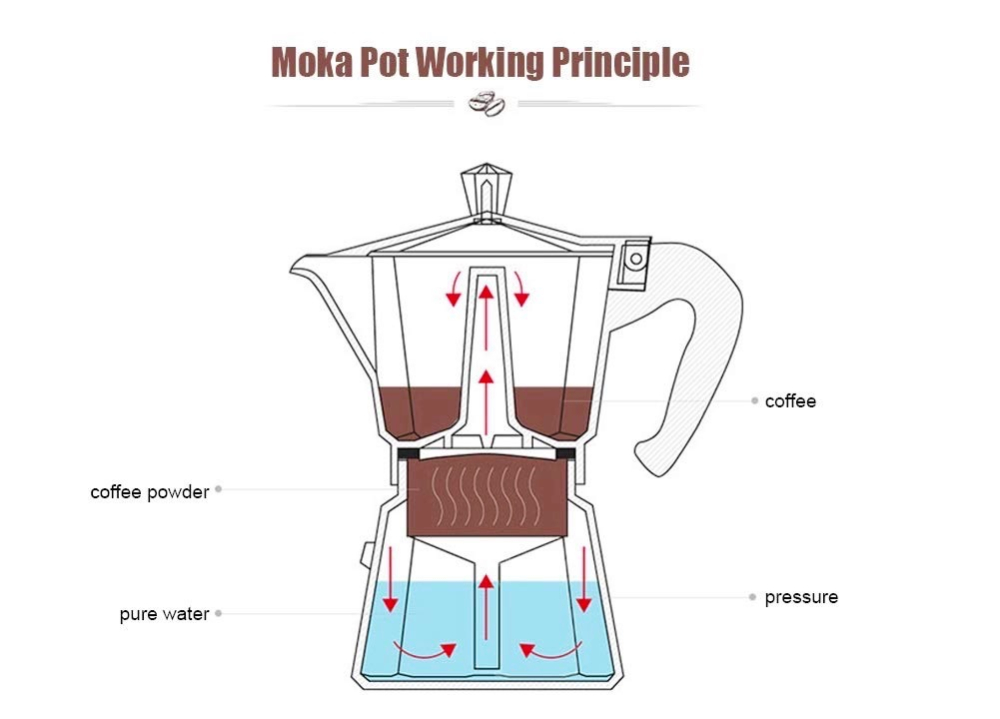
Coffee Brewing Methods | Is Coffee Made with a Moka Pot Espresso? How Much Does a Moka Pot Make Per Cup? How to Brew Multiple Servings with a Moka Pot
The moka pot is an icon of Italian coffee culture and one of the most famous coffee brewing devices in the world. Its iconic design, ease of use, and widespread availability make it a staple in many coffee lovers' collections. Although not everyone has the money or the space at home [more…]
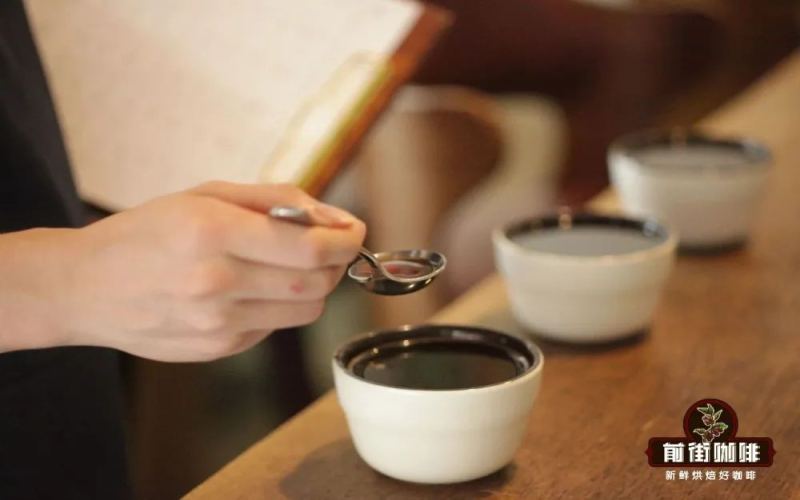
Yirgacheffe Coffee Beans | What Are the Coffee Processing Methods for Natural and Washed? How Do the Flavors of Yirgacheffe Differ After Brewing with Different Processing Methods?
When buying coffee beans, aside from paying attention to origin and flavor, we also choose coffee beans that have undergone different processing methods. This is because different processing methods bring out different flavor characteristics in coffee; even coffee from the same origin, when processed by washed and natural methods respectively, will display different mouthfeels. For example, on the Front Street Coffee menu, [more…]
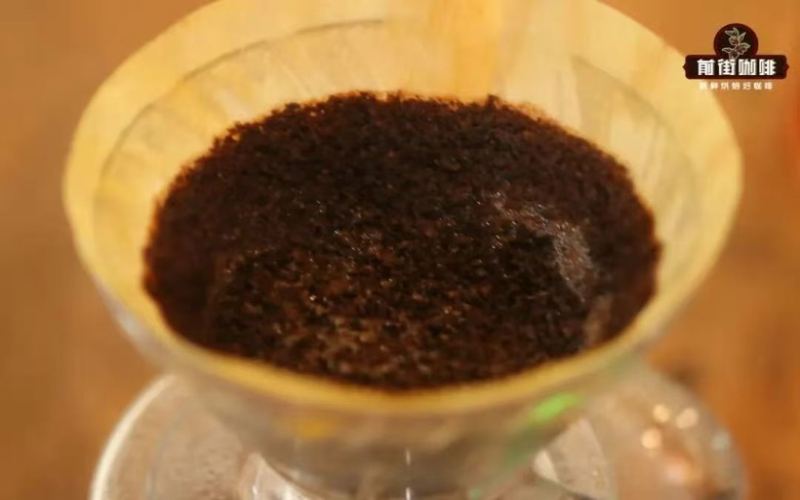
The Flavor Spectrum of Experimental Processing Methods: From Barrel Fermentation to Anaerobic Maceration
Anaerobic natural, lactic fermentation, barrel-aged, yeast inoculation—the vocabulary of specialty coffee processing methods has exploded in recent years, and coffee menus increasingly read like a brewery's process manual. These experimental processing methods are not marketing coinages; each one corresponds to a genuine technological innovation. This article maps out the mainstream lineage and examines "flavor alchemy." [more…]

Introduction to the Coffee Cupping Procedure: How to Perform Coffee Cupping and What It Is For
There are many coffee extraction methods, and each one produces coffee with the character of that method. Therefore, an objective method with as little human intervention as possible is also needed to evaluate coffee's flavor or quality, and that method is cupping. Cupping is an immersion-style extraction, with no manual technique intervening during the process to extract [more…]
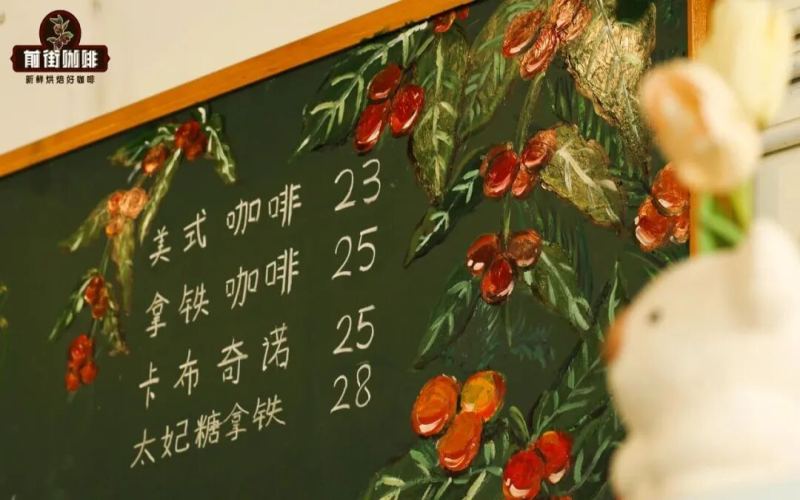
Americano | Why does the Americano taste noticeably different at different coffee shops? What characteristics should a delicious cup of Americano have?
Starting a refined day for the working crowd often takes just a cup of freshly ground coffee, and an Americano is the top choice for countless office workers. No matter what factors are at play, the Americano is always the "pillar" of any coffee shop, so its taste often directly shapes people's first impression of the place—sometimes even prompting the thought, "They can't even make a decent [more…]
How to Properly Brew Starbucks Coffee Beans? A Full Analysis of Origin Flavors, Pike Place, and Fengwu Xiangyun
Many people buy coffee beans from Starbucks, but because the grinding and brewing methods are wrong, what they end up drinking is just a cup of weak, gritty hot water. Starting from this problem, this article explains clearly why coffee grounds need to be filtered, why coffee grounds cannot be consumed directly, and the bean selection and roasting logic behind how Starbucks coffee beans traveled from Seattle's Pike Place Market to the world. The article will also introduce the flavor characteristics of Pike Place Roast, the Feng Wu Xiang Yun blend involving China's Yunnan, and the complete tasting method of smelling the aroma, sipping, and taking a full mouthful, helping coffee lovers truly understand the time, temperature, and extraction details behind a cup of Starbucks coffee. [more…]