







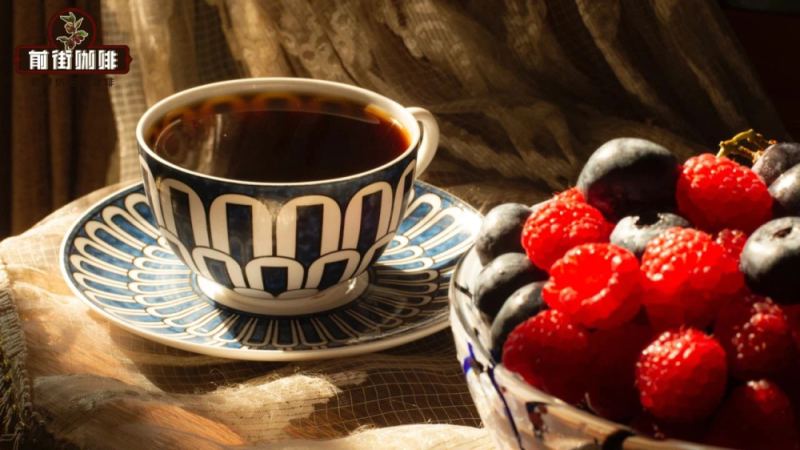
Drinking coffee is not just about swallowing—true professional tasting is a three-dimensional experience that engages smell, taste, and touch. Many enthusiasts want to know how to discern the quality and differences of coffee like an expert, so Front Street Coffee has put together a basic tasting lesson. This article breaks tasting down into two levels: the process and the angles. From the dry aroma during grinding and the wet aroma after brewing, to the layered changes in flavor at high and low temperatures, and then borrowing COE cupping's detailed dimensions—aroma, cleanliness, sweetness, acidity, mouthfeel, flavor, aftertaste, and balance—it explains one by one how to perceive and express the unique charm of a cup of specialty coffee.
To get more specialty coffee knowledge, you can follow the WeChat official account: Front Street Coffee (FrontStreet Coffee)
Tasting coffee is somewhat similar to tasting wine. When we pick up a cup of specialty coffee, a desire naturally rises in our hearts to taste the flavors within and express them. Because quite a few friends left messages asking about tasting, Front Street has specially prepared a lesson this time to talk with everyone about what it really means to professionally taste the quality and differences of a cup of coffee.
How exactly should you taste a cup of coffee?
This question can be divided into two parts: one is the process of tasting coffee, and the other is the angle from which to approach it. Why do we use "flavor" rather than "taste" when describing coffee? The reason is simple: "taste" refers only to the sensory level of gustation, while coffee tasting is three-dimensional, covering aroma (smell), taste (gustation), and mouthfeel (touch). So tasting a cup of coffee is by no means just taking a sip and being done with it.
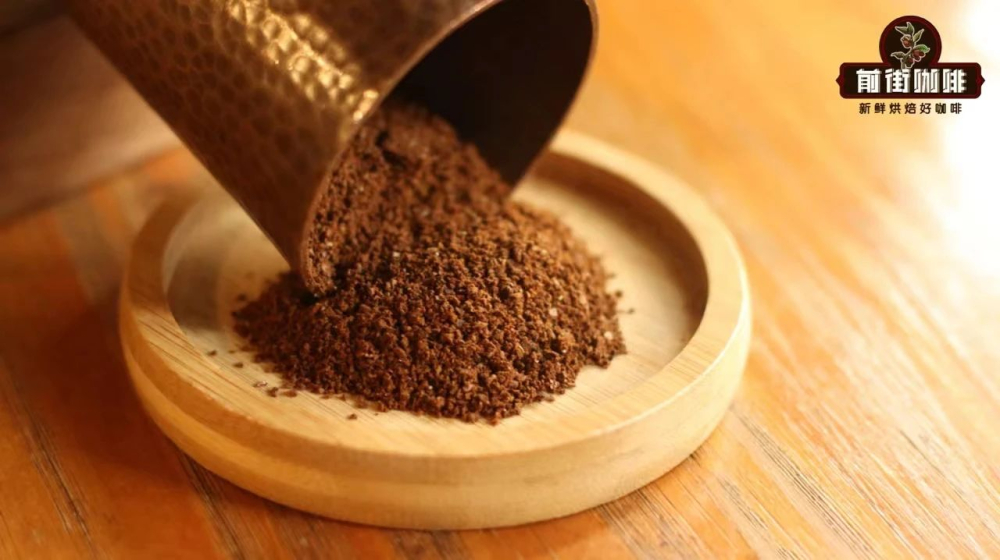
The moment coffee beans are ground into powder, a large number of aromatic compounds drift into the air. This is the first step of our tasting—smelling the dry aroma. The aroma of dry coffee grounds is not the same as the aroma of the coffee liquid, so after brewing is finished and the coffee is poured into the cup, we need to smell it again. This time it is called the wet aroma.
Only then do we taste the coffee's flavor and mouthfeel. Some experienced coffee enthusiasts are used to slurping coffee when tasting it; slurping atomizes the coffee liquid and allows retronasal olfaction to capture the flavors. Tasting is also divided into flavor at high temperature and flavor at low temperature. As the temperature drops, the coffee's flavor—or rather a person's perception of the flavor—changes as well. So to fully taste a cup of coffee, it takes at least ten minutes.
How should coffee flavors be described?
We might borrow the perspective of COE cupping. Cupping items can be broken down into aroma, cleanliness, sweetness, acidity, mouthfeel, flavor, aftertaste, and balance.
Aroma
Aroma can be said to be the soul of a cup of coffee. Many friends who fell into the coffee rabbit hole were deeply attracted precisely by coffee's aroma. Aroma is divided into dry aroma and wet aroma: dry aroma refers to the scent released after freshly grinding coffee beans, while wet aroma is the scent released by the coffee liquid after brewing. Some coffee beans have extremely high aroma recognizability, such as the elegant white floral notes given off by Geisha coffee, the rich vanilla-and-liqueur charm of Sherry coffee, and the Chinese herbal medicine scent brought out by Tiger Mandheling coffee, and so on.
Cleanliness
Cleanliness refers to the absence of defective and unpleasant tastes in the coffee. If the coffee shows bad odors such as earthy mustiness, medicinal iodine, onion, or rubber, it means the cup is not clean enough.
Sweetness / Sweetness perception
Sweetness refers to a sensory experience on the palate. If a cup of coffee has excellent sweetness, it can add quite a few points. Many factors affect sweetness, such as the growing stage (red cherries), processing method (natural is usually sweeter than washed), roasting (caramelization reaction), and brewing (technique and parameters). Sweetness can also be further divided into fruity sweetness, honey sweetness, caramel sweetness, and so on.
Acidity
Acidity is the sourness we perceive through taste, and it can also be used to describe how much saliva is secreted on both sides of the tongue. In terms of acidity, besides describing the intensity of the coffee's sourness, we also describe the texture of the acidity. For example, Yirgacheffe is often described as having citrus-like acidity, while Kenyan coffee has obvious berry-like acidity. Of course, acidity also includes bad acidity, such as stale sourness or harsh acetic sourness.
Mouthfeel
This belongs to the category of touch and is used to describe a coffee's body, volume, and mouthfeel. If a cup of coffee has a rich mouthfeel, its impression score rises quite a bit. Many people mistakenly think that body means concentration, believing that the stronger the coffee, the higher the body. In fact, this is not accurate—concentration refers to the amount and proportion of soluble components in the coffee, while the perception of body mainly comes from the oils and fibers in the coffee liquid that do not dissolve in water. This feeling can be compared to water, milk, and light cream.
Flavor
Flavor refers to the overall impression when drinking this coffee, woven together from various sensations such as smell and taste. It directly reflects the coffee's taste and is also the direct basis for describing the coffee's characteristics. Describing coffee requires a certain ability to associate. For example, our memory point for lemon is acidity and the fresh scent of lemon oil, and our memory of cocoa is mellow richness and bitterness. When drinking coffee, if a certain characteristic awakens your memory of something, you can connect the two. Therefore, if you want to describe coffee flavor well, the most important thing is still to taste more.
Aftertaste
Aftertaste refers to the various tastes and aromas that remain in the mouth after drinking coffee. If good flavors linger for a long time, we can say this coffee has a long, lingering aftertaste. For example, Panama Geisha coffee presents an aftertaste of light floral notes and green tea aroma after drinking.
Balance
Balance refers to whether the various indicators of the coffee are well balanced. For example, whether it is too sour, or whether the bitterness is too prominent—these are the bases by which we judge whether a coffee is balanced.
The above content is compiled by CoffeeHunters, a coffee news website.


