








How Do Natural and Washed Processing Methods Differ?
Telling natural from washed coffee by taste is an advanced tasting skill, but the two methods leave distinct marks in the cup. Natural processing dries whole coffee cherries in the sun until moisture drops to a set level, then hulls them to release the green beans, while washed processing removes the fruit before drying, giving a cleaner profile.
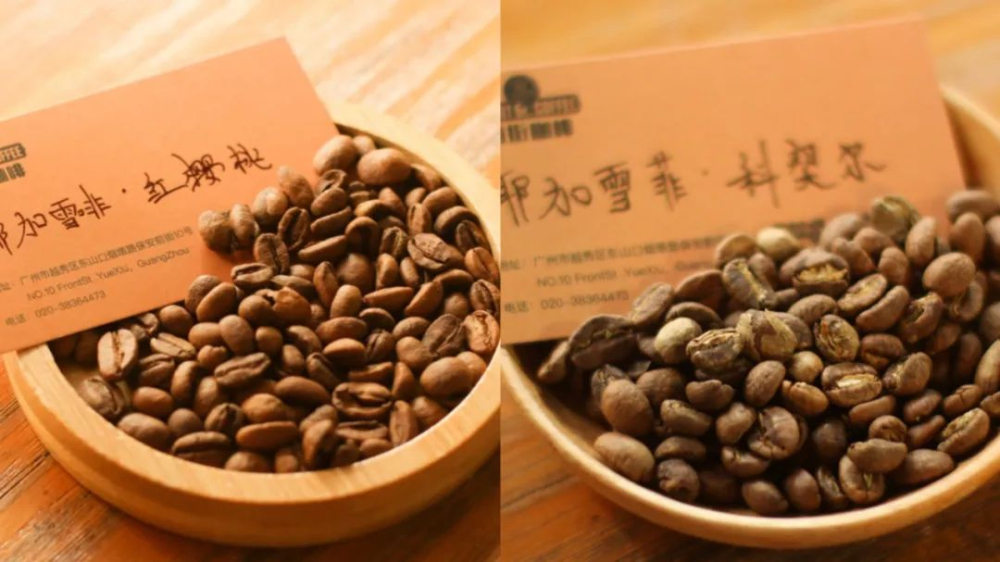
Front Street Coffee uses two Ethiopian yirgacheffe samples for side-by-side demos: Natural Red Cherry and Washed Kochere. The region works well for comparison because its flavor profile is recognizable and has fewer confounding variables. Tasting the two together makes the flavor gap from different processing coffee beans easier to notice and remember.
In coffee tasting, accurately identifying the processing method is an advanced skill. This article starts from the daily Demo at Front Street Coffee, analyzing the core differences between the two classic processing methods—natural and washed—and recommends two representative beans from the Yirgacheffe region of Ethiopia: Natural Red Cherry and Washed Kochere, to help readers capture the flavor characteristics brought by different processing methods through comparative tasting, and gradually master the ability to distinguish processing methods with a single sip.

Front Street Coffee often selects recently popular beans for Demo brewing to share with customers who visit the shop. Often, after just one sip, some customers can accurately state the processing method of the beans, astonishing their friends around them: "How do you manage to identify the processing method with just one sip?"
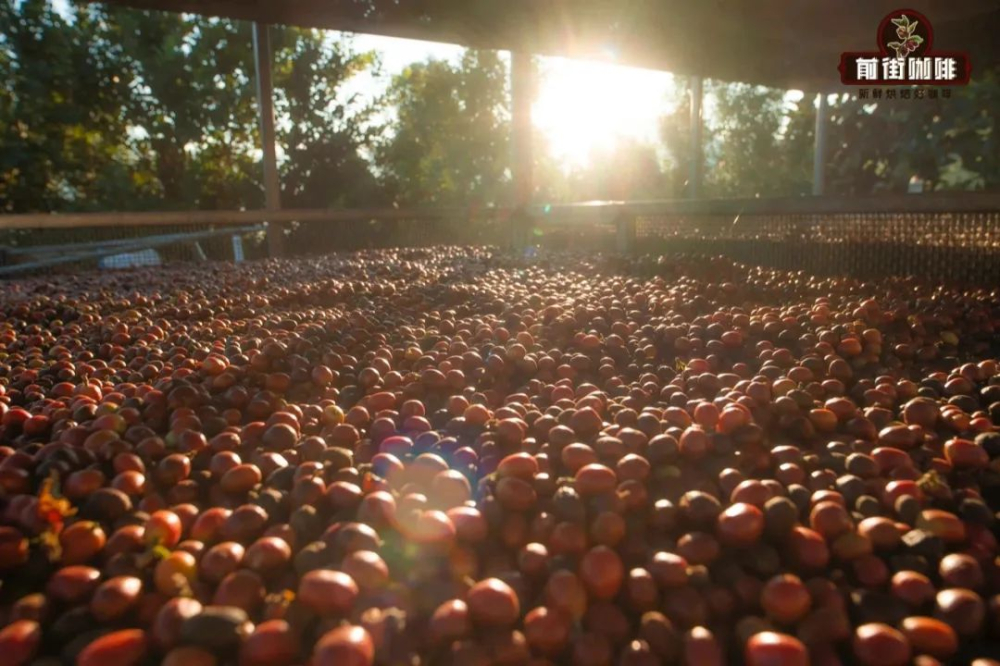
"Natural": Among the post-processing methods for coffee, natural is the most traditional and oldest method. The harvested coffee cherries are directly placed under sunlight for prolonged drying until the moisture content drops to a specific level, after which they are hulled to extract the green coffee beans that have completed fermentation.

The region recommended by Front Street Coffee is Ethiopia. The reason is straightforward: the flavor profile of this region is highly recognizable, people already have a basic understanding of it, and there are fewer confounding variables, making it easier to distinguish the differences brought by various processing methods. In this article, Front Street Coffee has selected two beans from Ethiopia·Yirgacheffe as comparison samples: Natural·Red Cherry and Washed·Kochere.


Alright, why not take the beans at hand and give it a try right now. As long as you keep drinking more, comparing more, and feeling more, you will gradually summarize the flavor characteristics of each processing method—perhaps the next tasting expert will be you.
The above content is compiled by CoffeeHunters, a coffee news website.


