







Where does coffee originate from, and how did Assam tea begin?
Tea drinking began in China, and India's Assam tea grew from that same camellia plant. In 1823 Robert Bruce found tea plants growing wild near Rangpur; the leaves were later identified as the same variety as Chinese camellia. Maniram Dewan is recognized as India's first tea farmer, and by 1862 Assam had roughly 160 tea gardens.
Today Assam produces over 400 million kilograms a year across 21,620 hectares, with more than 100 gardens. Its CTC process yields small granules that brew quickly and pair well with milk, which suits the strong, malty taste most Indian drinkers prefer. Brands and tea garden tourism have grown around this region.
As the world's second-largest tea-producing country, India's tea cultivation history is inextricably linked to the British colonial period. Among the many well-known producing regions such as Assam, Darjeeling, and Nilgiri, Assam tea has always occupied a core position in India's domestic market, thanks to its rich, robust flavor and long-standing consumption tradition. This article will take you back through the origin story of Assam tea, from its wild discovery to commercial cultivation, explore the unique flavor and affordable price brought by its CTC process, and provide an overview of the brands and tourism value of tea gardens in Assam. Whether you are a tea enthusiast who loves a strong malty aroma or a daily drinker looking for a cost-effective black tea to pair with milk, this comprehensive introduction to Assam CTC black tea is well worth reading.
India ranks second in the world in tea production, surpassed only by China. The British first introduced tea plantations to this land during the colonial period, and over the following centuries, Indians gradually developed several distinctive tea categories, including Assam, Kangra, Darjeeling, Kashmir, and Nilgiri. Among all these varieties, Assam tea stands out for its long-tested popularity—at least in the domestic market. This tea has consistently won the favor of most Indians over the years, and not without good reason.
The Origins of Assam Tea
Tea drinking indisputably originated in China. Back in 1823, Robert Bruce noticed tea plants growing wild near Rangpur. The leaves of these plants were subsequently sent for examination and were eventually classified as the same variety as the Chinese camellia. Mr. Maniram Dewan is widely recognized as India's first tea farmer; he established the first commercial plantation to cultivate the Assam tea we know and love today. By 1862, the tea industry in Assam had grown to include approximately 160 tea gardens.
Today, the region has grown into one of the largest tea-producing areas in the world, with an annual output exceeding 400 million kilograms. Tea gardens in Assam cover an area of 21,620 hectares, with more than 100 gardens producing this tea. Assam tea holds a very solid share of India's domestic tea market. Most Indians prefer this tea liquor because it is extremely strong and impactful. It has a powerful aroma and flavor, presenting a burgundy-red liquor color. Assam tea's malty note is very prominent, which may be precisely why it blends so perfectly into Indian spiced tea.
More About Assam Tea
It is well known that Indian tea is an indispensable "elixir" in the daily lives of most Indians. Assam tea blends well with milk and sugar, something many other teas cannot achieve. It also complements the flavors of spices such as cardamom, ginger, and cinnamon. Assam tea comes in many different varieties, with varying quality and grades. Because tea cultivation is so abundant, not all of its products are processed using the CTC method.
Because this tea is cultivated on a large scale and processed using the mechanical CTC method, its price is kept affordable. This means most Indians can easily enjoy this tea. Middle-class consumers in India are usually looking for cost-effective products, and Assam tea checks all the boxes. It is rich in caffeine, has outstanding flavor, performs excellently when mixed with milk, and most importantly, it is available everywhere.
About the Tea Gardens of Assam
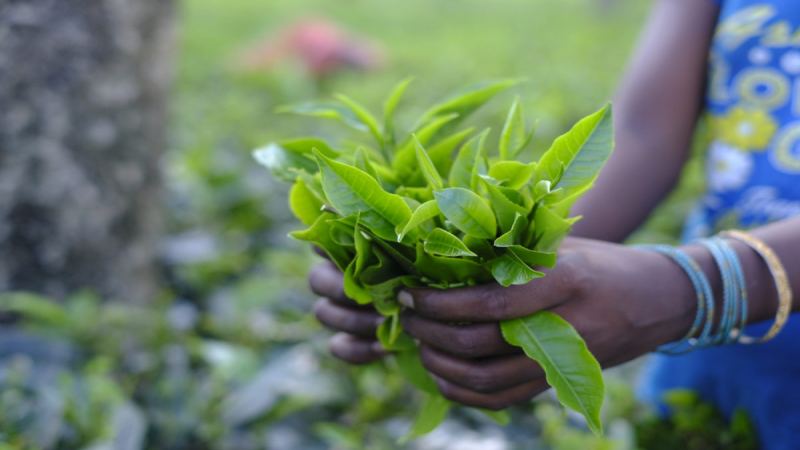
For tourists, the tea gardens of Assam are among the most refreshing sights. The tea gardens are lush and green, very pleasing to the eye. Men and women of all ages rely on working in the tea gardens and plantations to make a living. This tea provides a means of livelihood for many people.
The above content is compiled by CoffeeHunters, a coffee news website.


