







Search Results for: Spice
Guatemala Antigua La Flor del Café Specialty Coffee: A Flavor and Aroma Analysis of Red Wine Finish with Tobacco and Spice Notes
Guatemala Antigua La Flor del Café specialty coffee beans are renowned worldwide for their red wine aftertaste, tobacco and spice aromas, and velvety, full-bodied mouthfeel. This article will provide an in-depth analysis of this coffee's flavor characteristics and aromatic layers, while also offering an overview of Guatemala's seven major coffee-producing regions. It will introduce how the unique geographical and historical background of the Antigua region imparts such captivating flavors to the coffee. The article will also mention Front Street Coffee's recommendations for Guatemalan coffee, giving you a comprehensive understanding of this specialty coffee that combines elegant acidity with rich spice notes. [more…]
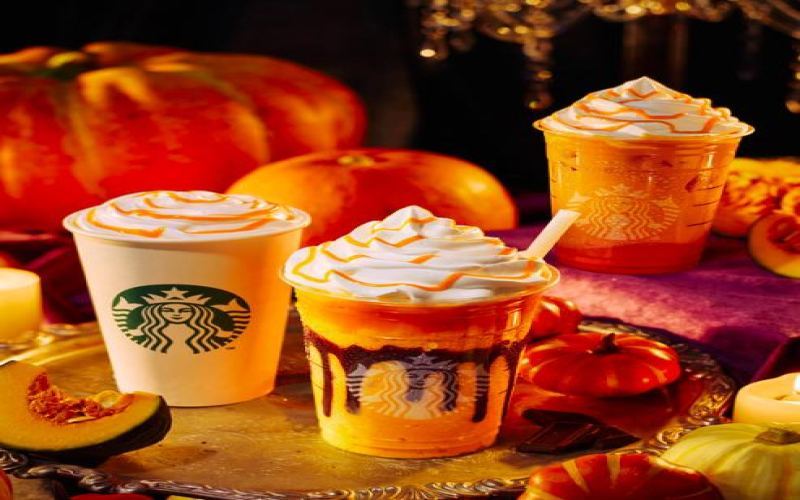
Starbucks launches its first pumpkin cheesecake-flavored latte in China—are longtime fans left disappointed or is it a compromise on flavor?
With Halloween approaching, Starbucks has launched its first-ever "Pumpkin Cheesecake Flavored Latte" and Frappuccino as two limited-edition drinks in China, sparking heated discussion among fans. Devoted fans of the classic overseas Pumpkin Spice Latte had been full of anticipation, but many were bluntly disappointed after trying the new drinks—they lacked both pumpkin flavor and cheesecake taste, and were even said to have lost their "soul" due to the absence of cinnamon powder. Still, some argue that the brand may have made adjustments to cater to local tastes. This article will walk you through the real reactions to this new holiday release and how it differs from previous overseas limited-edition drinks. [more…]

A Complete Analysis of Dark Roast Coffee Flavors: Beyond Nuts and Chocolate, What Other Aromas Are Worth Capturing?
The specialty coffee wave has made more and more people passionate about describing the floral and fruity notes in light-roasted coffee, but when a cup of dark-roasted coffee is placed in front of them, most can only say nuts and chocolate. Is the flavor of dark-roasted coffee really that one-dimensional? In fact, aroma types such as caramel, roasted, nutty, and spicy are all hidden within it—they are simply harder to identify. In this article, Front Street Coffee will guide you through a systematic understanding of where the flavors in bitter dark-roasted coffee come from and how to capture them, while also reminding you to watch out for those unpleasant negative flavors. [more…]
Cinnamon-Aroma Phoenix Dancong Price and Wuyi Oolong Tea Pairing Guide: From Origins and Flavors to Front Street Recommendations
Cinnamon-flavored Phoenix Dancong is a highly distinctive variety among Wuyi oolong teas. Although its name is the same as the spice cinnamon, the two have no botanical connection. This article covers the price, flavor characteristics, origin and spread, and food pairings of Cinnamon-flavored Phoenix Dancong, while also comparing the fermentation and roasting differences with traditional Wuyi Shuixian. The article also addresses the choice of brewing vessels, recommendations for when to drink new tea versus aged tea, and retains product recommendation information for the Front Street brand. Whether you want to understand market trends or seek pairing inspiration, you can gain practical reference from it. [more…]
Golden Mandheling Coffee Flavor and Taste Analysis: Wet-Hulled Processing Method, Pour-Over Parameters, and PWN Top-Grade Bean Recommendations
Mandheling coffee is known as a "heavy-flavored coffee," famous for its rich, full-bodied taste and unique herbal spice aroma. Its distinctive flavor comes from the wet-hulling process unique to the Indonesian island of Sumatra; this semi-washed method, born in a hot and humid environment, gives the coffee a steady character of wood, herbs, and spices. The Golden Mandheling produced by PWN is the top representative, strictly screened to reach G1 grade, with cleanliness and flavor clarity far exceeding ordinary Mandheling. Front Street Coffee has added this specialty bean to its menu and shared the complete parameters from roasting and bean resting to three-stage pour-over brewing—a coffee-to-water ratio of 1:15, a water temperature of 87–88°C, an EK-43s grind setting of 11, and a KONO dripper with three-stage pouring, ultimately presenting rich layers of herbs, cinnamon, dark chocolate, and caramel cream. [more…]

How to Choose Fresh and Pure Mandheling Coffee? An Analysis of the Flavor Differences Between Golden Mandheling and Lintong Mandheling
Sumatra Mandheling coffee from Indonesia occupies a unique position in the global specialty coffee landscape. From its introduction during the Dutch colonial period in the 17th century to the present day, the coffee nurtured by this volcanic soil is renowned for its low acidity, full body, and herbal spice notes. Yet with the bewildering array of Mandheling products on the market, how can one discern freshness, purity, and value for money? And what are the substantive differences between Lintong Mandheling and Golden Mandheling? This article will systematically break down the flavor origins of Mandheling, Indonesia's green bean grading system, and, combined with Front Street Coffee's brewing methods, help you find the Mandheling that suits your taste. [more…]
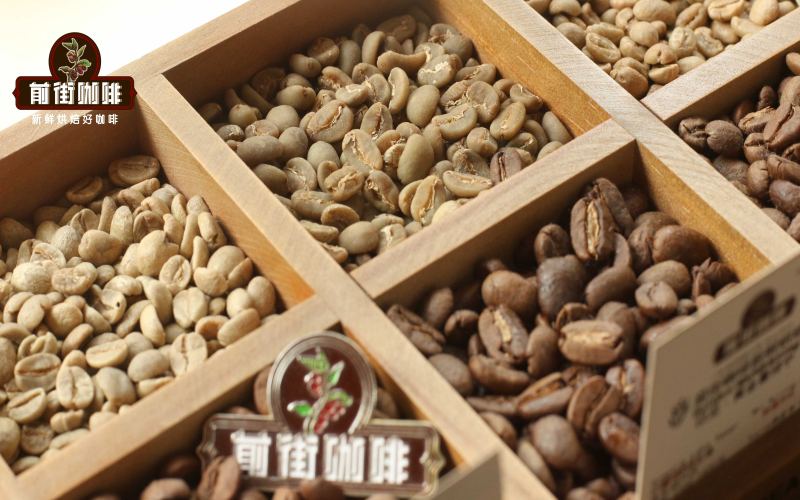
The Naming Story of Mandheling Coffee and an Analysis of the Flavor Characteristics of Indonesia's Golden Mandheling Wet-Hulled Processing Method
Mandheling coffee is one of the most representative coffees of Sumatra, Indonesia, known for its full-bodied mouthfeel and unique herbal spice aroma. Its name originates from an amusing mishearing story during World War II, while the cause of its flavor is inseparable from the locally invented wet-hulling process. This article will trace the origins of the Mandheling name, explain why the wet-hulling method gives the coffee its woody, spice-like, steady tonality, and focus on the Golden Mandheling produced by PWN—from the jute sack markings, certification certificates, to the G1 grade screening standards. Front Street Coffee will also share bean-resting suggestions for medium-dark roasting, as well as specific adjustment methods for the powder-to-water ratio, water temperature, grind size, KONO dripper, and three-stage pouring when hand-brewing Golden Mandheling, taking you through the complete brooding aroma charm of this Indonesian coffee. [more…]
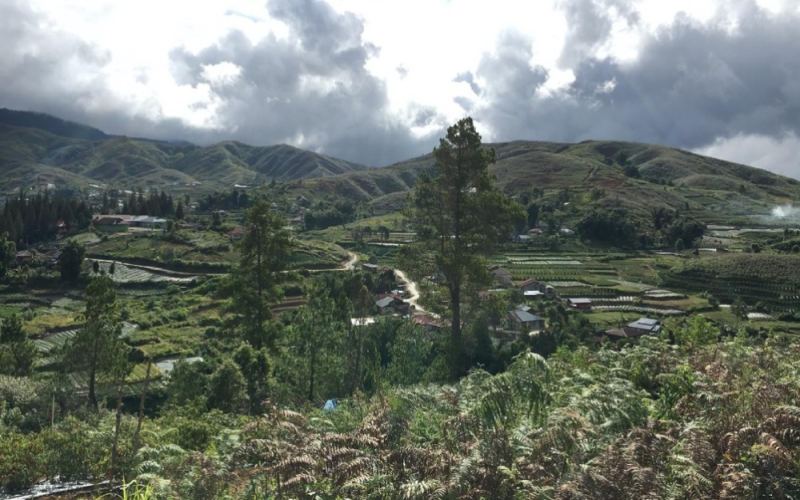
An Analysis of Indonesian Mandheling Coffee Bean Varieties: A Complete Guide to the Characteristics of Wet-Hulling Processing and Flavor Brewing
Mandheling is the representative Arabica coffee produced on the Indonesian island of Sumatra, renowned for its spice, herbal notes, and full-bodied mouthfeel. This article will begin with the origin of the variety's name and the differences between PWN Golden Mandheling and Lintong Mandheling, then delve into how the wet-hulling process affects flavor, and include Front Street Coffee's KONO dripper brewing parameters and step-by-step instructions to help you fully unlock this bean's nutty, chocolate, and caramel sweetness. [more…]
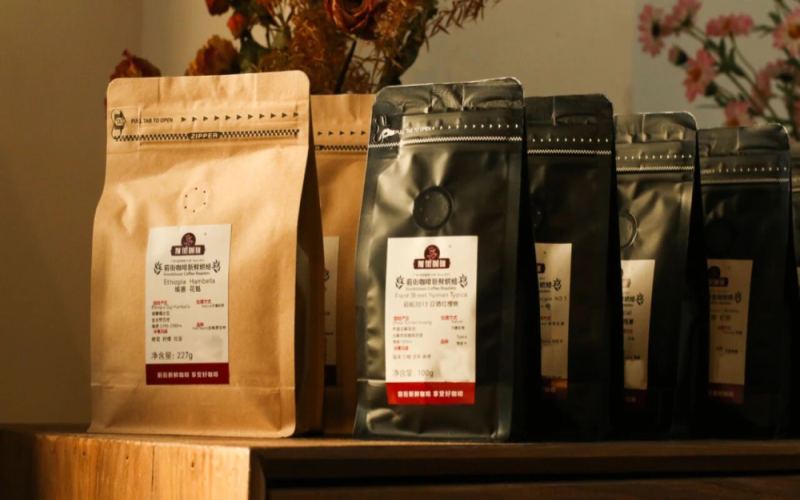
Coffee Beginner's Buying Guide: Flavor Differences Across the World's Three Major Producing Regions and Front Street Coffee Bean Recommendations
Faced with a dazzling array of coffee beans, beginners often don't know where to start. This article begins with regional flavors to help you quickly pinpoint the one that suits you. African beans are known for their bright floral and fruity acidity, Asian beans are full-bodied with low acidity and herbal spice notes, while American beans are balanced and gentle with prominent cocoa notes. The article explains the characteristics of origins such as Ethiopia, Kenya, Panama, Colombia, Costa Rica, Brazil, Honduras, Indonesia, Jamaica, Hawaii, and Papua New Guinea one by one, and includes specific bean recommendations from the Front Street brand, so that choosing coffee is no longer confusing. [more…]
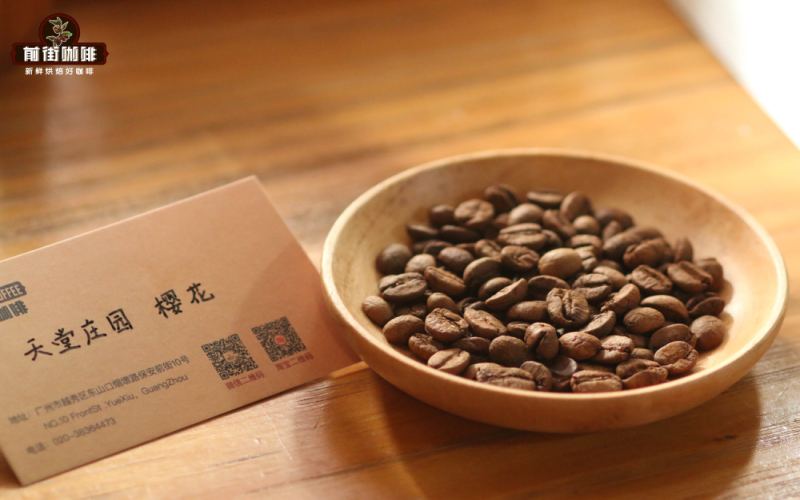
Colombia Finca El Paraiso Double Anaerobic Washed Castillo Coffee: Full Flavor and Brewing Guide
Located in the Cauca region of Colombia, Finca El Paraiso is run by Diego Samuel and has focused on specialty coffee exploration since its founding in 2008. Its double anaerobic washed Castillo coffee beans, introduced to China by Front Street Coffee, present fruity sweetness and acidity reminiscent of berries, raspberries, and strawberry jam, accompanied by notes of mugwort and spice, with extremely high flavor distinctiveness. This article will discuss Finca El Paraiso's regional terroir, processing techniques, variety characteristics, as well as Front Street's roasting and brewing recommendations, helping coffee enthusiasts fully understand the flavor sources and extraction key points of this bean, while providing reusable pour-over parameter references. [more…]
2021 Indonesia's First COE Cup of Excellence Results Announced: Flavor Shift and Specialty Signals from 26 Winning Beans
In 2021, Indonesia hosted the Cup of Excellence (COE) for the first time, officially becoming the 14th country in the world to hold a COE competition. As the fourth-largest coffee producer, Indonesia has long been known for the mellow, herbal, and spicy flavors of Mandheling and Kopi Luwak, yet it has remained silent in the specialty coffee conversation. This year's competition selected a total of 26 winning beans, with the champion scoring 89.82 points and the runner-up 89.04 points, neither breaking the 90-point mark, which truthfully reflects the current level of Indonesian coffee. Notably, in addition to the traditional spice, clove, and chocolate notes, the flavor descriptions of the winning beans also included fruit tones such as cranberry, tangerine, and cherry, hinting that Indonesian coffee is quietly shifting. Front Street Coffee believes this transformation will take at least ten years, but the signal is already clear. [more…]
Starbucks Guatemala Antigua Coffee Beans: A Comprehensive Analysis of Origin, Processing, and Flavor Profile
The Antigua coffee region of Guatemala is nestled in a fertile area surrounded by three volcanoes, where its unique terroir nurtures a balanced and elegant coffee flavor. This Starbucks Antigua coffee bean is processed using the washed method, presenting mild notes of cocoa and spices with balanced acidity and body, making it suitable to pair with cocoa, apple, caramel, and stone fruit foods. It debuted in the fall of 2015 as Taiwan's first special reserve espresso bean, weaving a classic Italian style with cedar-like gentle woody aromas and velvety milk foam. Front Street Coffee recommends this bean to enthusiasts who appreciate layers and delicate mouthfeel; whether brewed by pour-over or espresso extraction, it showcases its captivating charm. [more…]
What makes Colombia Finca El Paraiso coffee so unique? A flavor analysis of the Castillo double anaerobic washed pour-over
Colombia is an important origin for specialty coffee in the world, and the high-altitude terroir of its Cauca region has nurtured many distinctive coffee estates. The Colombia Finca El Paraiso Cherry Blossom coffee beans launched by Front Street Coffee stores use a double anaerobic washed process and the Castillo variety, presenting fruity sweet-and-sour notes reminiscent of berries, raspberries, and strawberry jam, accompanied by a wormwood-like spice aroma, with a uniquely distinctive mouthfeel. This article will take an in-depth look at Finca El Paraiso's producing region environment, variety characteristics, and processing techniques, as well as the roasting and pour-over methods customized by Front Street for this coffee, bringing you a comprehensive understanding of this coffee's flavor code from origin to cup. [more…]
Analysis of the Indonesia Sumatra Golden Mandheling Region, Wet-Hulled Flavor, and Front Street Coffee Pour-Over Guide
Golden Mandheling is one of the most representative specialty coffees from Sumatra, Indonesia. Front Street Coffee's PWN Golden Mandheling is known for its dark chocolate, hazelnut, caramel, and herbal spice flavors, with high cleanliness and a clear sweetness. This article reviews the growing regions of Mandheling, the differences between the two major producing areas of Aceh and Lintong, PWN's hand-sorting standards, and how the wet-hulling process shapes its woody spice and full-bodied bitter notes. It also draws on Front Street Coffee's in-store experience to provide a complete pour-over recipe using a KONO dripper, 87°C water, and a three-stage pour, helping coffee lovers brew a round, concentrated Golden Mandheling at home. [more…]
Characteristics of Premium Mandheling | Why is Golden Mandheling cleaner and free of off-flavors compared to Lintong Mandheling? Recommendations for high-value, great-tasting, non-bitter Indonesian Mandheling pour-over coffee beans
Indonesia has been on the coffee-planting path since the Dutch started it in the 17th century, and to this day Indonesia's coffee enjoys a pivotal position internationally. But if you were to ask which Indonesian specialty coffee is the most famous, many people would probably think of Sumatra Mandheling. So what exactly is Mandheling? Does it taste good? How do you choose a high-value [more…]
Pour-Over Coffee Grind Size Self-Test Guide: From Spice Analogies to Blind Tasting Practice
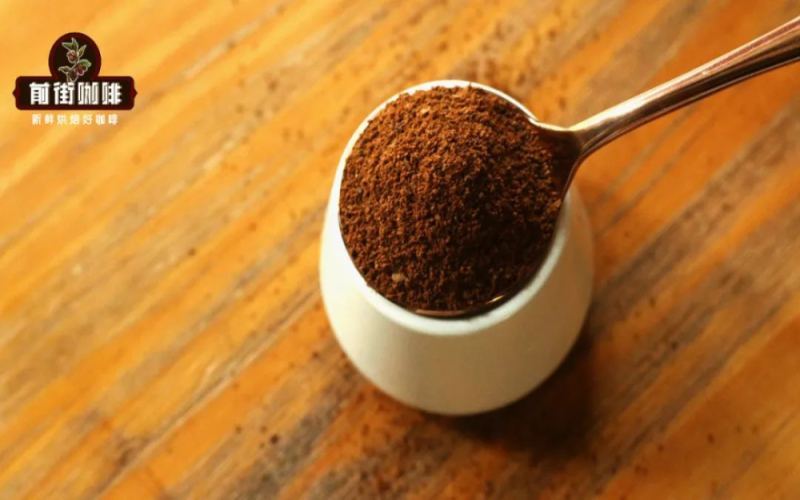
Among the many variables in pour-over coffee, grind size is often the hardest to describe precisely in words. Every enthusiast uses a different grinder, so when baristas communicate with customers, they usually have to rely on everyday seasonings as analogies. Although this approach has its limitations, it is an effective way to quickly establish a brewing framework. This article will systematically sort out the applicable scenarios for four grind reference points—fine salt, fine granulated sugar, coarse granulated sugar, and sea salt texture—and, using a natural-process red cherry coffee as an example with the MAVO Wizard 2.0 manual grinder, demonstrate how to gradually "blind-test" your ideal setting when faced with an unfamiliar grinder by observing the bloom pattern, drawdown time, and coffee grounds condition, helping you find your own cup of good coffee. [more…]
Flavor Story and Tasting Highlights of Starbucks Guatemala Antigua Coffee Beans
Guatemala Antigua coffee has long been celebrated for its elegant and rich layers, where refined acidity, a delicate cocoa-powder texture, and soft spice notes interweave into a stunning balance. This article takes you deep into this coffee beloved by Starbucks buyers: from the terroir of its origin and processing methods to tasting suggestions, we explain why it has become a representative masterpiece of Central American coffee. At the same time, the article also includes a country overview and fun facts, and retains relevant recommendations from the Front Street brand, making it suitable for every coffee lover in pursuit of depth of flavor. [more…]
A Comprehensive Analysis of the Evolution of the SCAA Coffee Flavor Wheel: From the Authoritative Version to Localized and Consumer-Friendly Simplified Versions
The Coffee Flavor Wheel is an important tool in specialty coffee learning. From the first version published by the SCAA in 1995, to the updated version in 2016, to localized adaptations in Taiwan, Indonesia, and elsewhere, as well as simplified versions aimed at consumers, the flavor wheel has continually evolved. This article reviews the characteristics and limitations of each version, explores how to use the flavor wheel to taste and describe coffee more accurately, and examines how cultural differences influence flavor perception. [more…]
Where Does the Flavor of Indonesian Golden Mandheling Come From? An Analysis of PWN Golden Mandheling Coffee's Grade Standards and Wet-Hulling Process
Golden Mandheling has always been a representative of Indonesian specialty coffee. Its rich body and notes of pine and spice have captivated countless coffee lovers, but why is it so much more expensive than regular Mandheling? This article starts with Front Street Golden Mandheling and first clarifies a key fact—only the Golden Mandheling produced by PWN is authentic. It then provides a detailed explanation of Pawani's background, Indonesia's unique wet-hulling process, the G1 grade and triple hand-sorting quality control standards, and the classic Mandheling flavor brought by dark roasting, giving you a comprehensive understanding of what makes this high-end Indonesian coffee bean so unique. [more…]
Front Street Yirgacheffe Natural Aricha G1 Green Beans: 2015 New Batch Flavor and Origin Analysis
Front Street Yirgacheffe Natural Aricha comes from the Gediyo region of Yirgacheffe, Ethiopia, graded G1, at an altitude of 1,900–2,100 meters, using natural processing and heirloom varieties. This lot is produced by the Kebel Aricha processing station, where about 650–700 surrounding smallholder farmers deliver ripe cherries in exchange for cash; after drying on raised beds with regular turning for four to six weeks, the pulp is removed and the beans are transported to Addis for storage, and only hulled before export to preserve quality. It is graded G1 by ECX, and the green beans perform excellently in appearance, consistency, freshness, and dry/wet aroma. The flavor profile shows light fermented wine notes, sweet orange, and honey sweetness, accompanied by pit dates, dark berries, lychee, star fruit, peach, longan and red date aroma, cocoa, and a hint of spice; the body is thick and the finish is long. At the end, the article also introduces Sasa Sestic’s Project Origin green coffee sourcing project and its practice of working with farmers and purchasing at 20% above fair trade prices. [more…]