







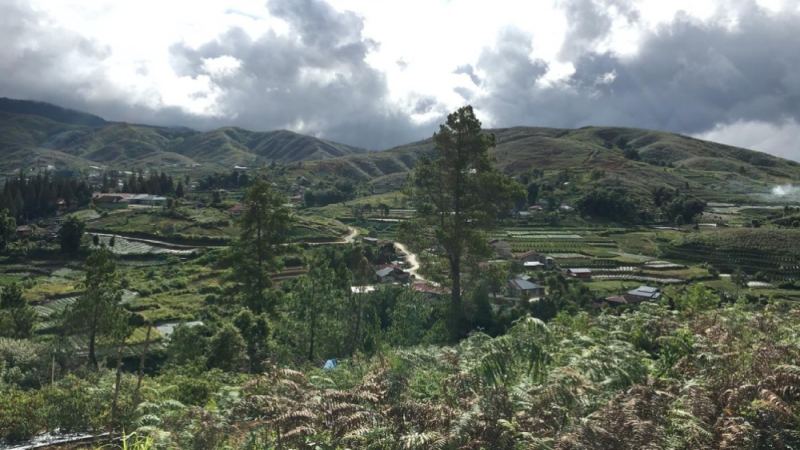
Mandheling is the flagship Arabica coffee produced on the Indonesian island of Sumatra, known for its spice, herbal notes and full-bodied mouthfeel. This article will start with the origin of the variety's name and the differences between PWN Golden Mandheling and Lintong Mandheling, then take a deep dive into how the wet-hulling process shapes the flavor, and finish with Front Street Coffee's KONO dripper brewing parameters and step-by-step instructions to help you fully unlock this bean's nutty, chocolatey and caramel sweetness.
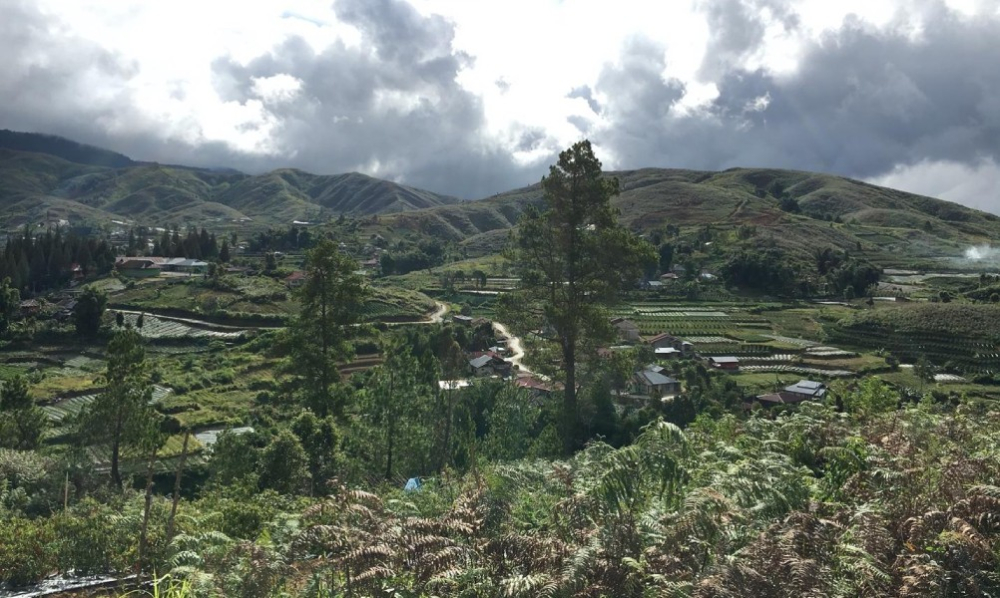
Among Indonesian specialty coffees, Mandheling stands out as one of the most distinctive. It carries a unique spice and herbal character, rich and deep—those who love it are captivated, while those who don't keep their distance. Today, Front Street Coffee will help you get to know this highly individual coffee properly.
Indonesian Mandheling Coffee
Mandheling comes from the Indonesian island of Sumatra. Indonesia is located in Southeast Asia, and the Dutch had already introduced coffee to Java as early as 1696. Since then, Indonesia has become a force to be reckoned with on the global coffee map. Most coffee grown locally is the robust Robusta, used mainly for espresso blends or instant products, while Mandheling is one of the few Arabica varieties in Indonesia.
Unlike most specialty coffees, which are named after their variety or region, Mandheling's name comes from an anecdote dating back to World War II. During the Japanese occupation of Indonesia, a Japanese soldier drank a particularly aromatic cup of coffee in a café and asked the owner what coffee it was. The owner, misunderstanding the question as "Where are you from?", casually replied: "Mandailing." After the war ended, the soldier recalled the coffee he had drunk in Indonesia and called it "Mandheling," and from then on, Arabica beans from Sumatra became collectively known as Mandheling.
Later, driven by strong demand from the Japanese market, that café owner began exporting Mandheling coffee beans to Japan and established a strict set of green bean screening standards to improve quality. This owner was the founder of Indonesia's PWN company (Pwani Coffee Company).
PWN Golden Mandheling Coffee
PWN seized the business opportunity keenly and was the first to register the "Golden Mandheling" trademark. As a result, only Mandheling coffee purchased, produced and sold by PWN is eligible to bear the name "Golden Mandheling."
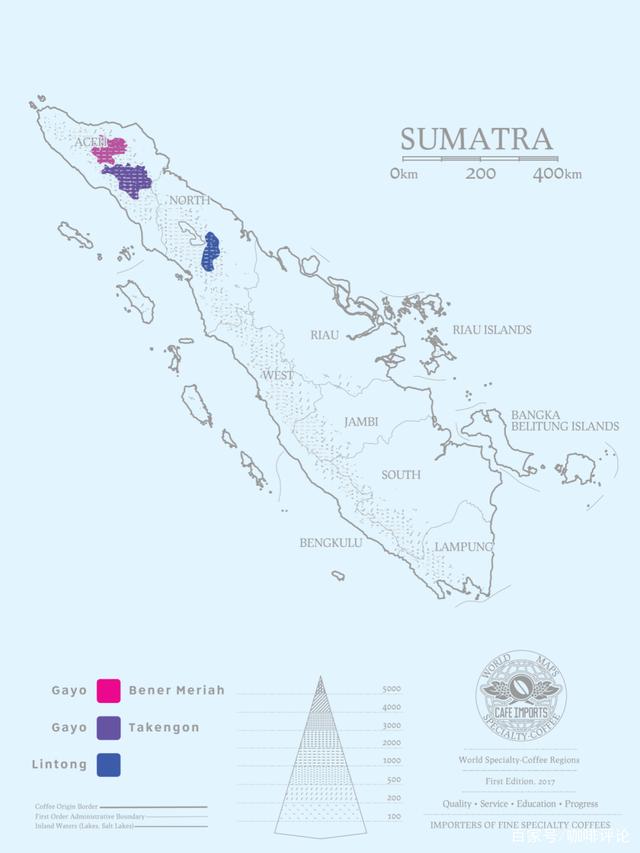
The Golden Mandheling beans selected by Front Street Coffee come from the Lake Tawar region beside Mount Gayo, northwest of Sumatra. The green bean screening process is rigorous at every stage: PWN only purchases Mandheling green beans of 18 screen size or above, and requires that a 300-gram sample contain no more than 3 defective beans, meeting the G1 grade—the highest standard for Indonesian green beans. After that, defective beans are removed by hand three times according to protocol, ensuring the beans are uniform in color, shape and size. Because of this, Front Street's PWN Golden Mandheling is cleaner and more transparent on the palate, with even more pronounced body and sweetness.
Front Street Coffee: Front Street PWN Golden Mandheling Coffee Beans
Region: Sumatra, Indonesia
Grade: G1, triple hand-sorted
Altitude: 1100m——1600m
Variety: Ateng
Processing method: Wet-hulled
Flavor: Baked toast, nuts, pine, herbs, nuts
Wet-Hulling Process
Sumatra has a typical tropical rainforest climate—hot, humid and rainy, with year-round high humidity—making sun-drying of coffee beans very difficult. Local coffee producers therefore developed a unique green bean processing method suited to the environment: the wet-hulling process.
The wet-hulling process goes like this: first, coffee beans with the skin and pulp removed are placed in fermentation tanks, then the mucilage is washed off—this step is the same as the washed method. Next, the beans still in parchment are sun-dried for 2 to 3 days, and when the moisture content drops to 20%–24%, the parchment is removed. At this point the beans are still soft and deform slightly under pressure, which is why Mandheling green beans look like sheep's hooves. Finally, the beans are moved indoors to continue drying under constant temperature and humidity, and once the moisture content is down to just 12%–13%, they can be bagged and stored.
Mandheling processed by the wet-hulling method has its acidity greatly reduced, its sweetness made more vivid, and the fermentation process adds spice notes to the green beans. The Lintong Mandheling everyday beans offered by Front Street also use the wet-hulling method, letting beginners experience the basic flavor profile of Indonesian Mandheling at the lowest cost.
Lintong Mandheling coffee beans come from the Lintong region of northern Sumatra, right next to Lake Toba. Although wet-hulled Lintong Mandheling hasn't undergone multiple rounds of defect screening like Golden Mandheling, it still has the classic Mandheling style: spice, nut and chocolate notes, with low, gentle acidity and body taking the lead.
Front Street Coffee: Indonesian Lintong Mandheling Coffee Beans
Region: Sumatra, Indonesia
Grade: G1
Altitude: 1100m——1600m
Variety: Ateng TimTim
Processing method: Wet-hulled
Flavor: Herbs, dark chocolate, nuts, caramel
Brewing Reference
To brew out the rich aroma of Golden Mandheling, Front Street Coffee believes that freshly roasted coffee beans are the first prerequisite. Coffee's aroma changes with storage conditions and time, and once the optimal tasting period is missed, the aroma fades more quickly. Front Street understands the importance of freshness, so all coffee beans shipped are freshly roasted within 5 days, arriving just right for opening and brewing.
Mandheling's flavor is dominated by nut and chocolate notes, so Front Street's roasters choose a medium-dark roast. The darker the roast, the more porous the bean, and the easier it is to extract during brewing, so Front Street uses a lower water temperature to avoid over-extraction and unpleasant bitterness.
Dripper: KONO dripper
Water temperature: 87℃
Coffee dose: 15 grams
Coffee-to-water ratio: 1:15
Grind size: Medium-coarse (70% passing a Chinese standard No. 20 sieve)
First, rinse the KONO dripper with hot water so the filter paper fits more snugly against the dripper. Pour out the water in the server, then add 15 grams of ground coffee and pour in 30 grams of water for a 30-second bloom. Then, starting from the center, pour in a thin stream in small circles, pausing at 125 grams for a staged pour; once the coffee bed has dropped to the halfway point of the dripper, pour the second stage in the same manner until reaching 225 grams. Once all the dripping is complete, remove the dripper.
The ground Golden Mandheling coffee powder gives off aromas of nuts and toasted bread, and during brewing you can smell caramel sweetness. The brewed Mandheling has spice and dark chocolate flavors on the palate, a rich and clean mouthfeel, obvious sweet aftertaste, and a long finish.
For professional coffee knowledge exchange and more coffee bean information, please follow Coffee Workshop (WeChat official account cafe_style)
For more specialty coffee beans, please add the private WeChat of Front Street Coffee, WeChat ID: qjcoffeex
The above content is compiled by CoffeeHunters, a coffee news website.


