








How does golden mandheling differ from Lintong Mandheling?
Sumatra Mandheling, introduced during the 17th-century Dutch colonial period, is known for low acidity, full body, and herbal spice notes. The main practical difference between Golden Mandheling and Lintong Mandheling lies in sorting and grading: Golden Mandheling goes through stricter selection, giving a cleaner cup, while Lintong reflects its specific growing area.
Mandheling trees in Sumatra are typically planted between 600 and 1,200 meters. The lower altitude and tropical rainforest climate shorten cherry ripening, so sugars and acidity develop less fully and herbal, spice-like flavors dominate. Frequent rain also limits natural processing, which is why wet hulling became the local method. Indonesia's green bean grading system helps buyers judge freshness and value.
Sumatra Mandheling coffee from Indonesia occupies a unique position in the global specialty coffee landscape. From its introduction during the 17th-century Dutch colonial period to the present day, the coffee nurtured by this volcanic soil is renowned for its low acidity, full body, and herbal spice notes. Yet with the bewildering array of Mandheling products on the market, how do you discern freshness, cleanliness, and value for money? And what are the substantive differences between Lintong Mandheling and Golden Mandheling? This article systematically breaks down the flavor origins of Mandheling, Indonesia's green bean grading system, and—combined with Front Street Coffee's brewing method—helps you find the Mandheling that suits your taste.
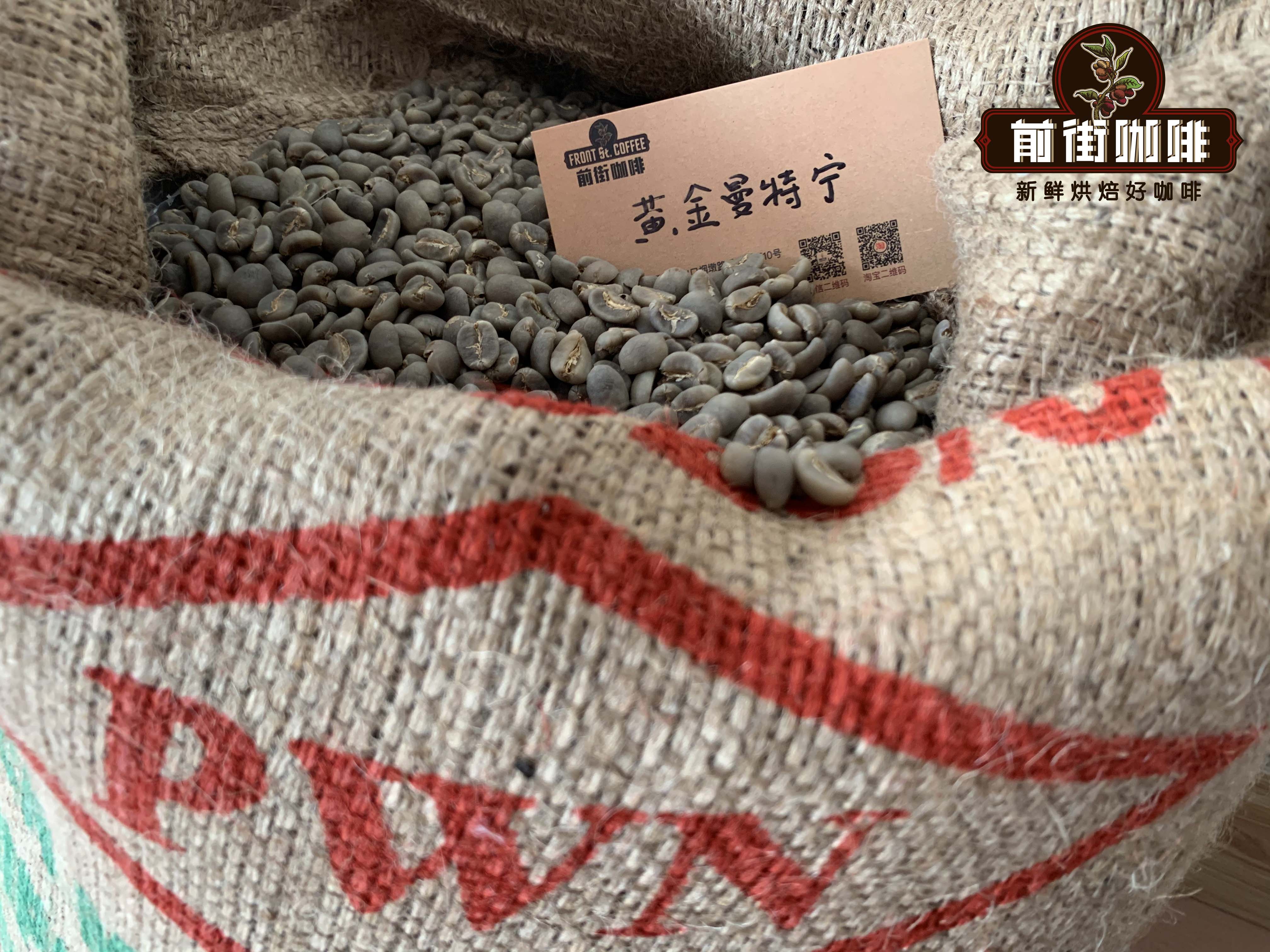
Indonesia's coffee-growing history can be traced back to the 17th century, when Dutch colonizers introduced coffee trees, and from that time to today, Indonesian coffee has always played an important role in the global market. When it comes to Indonesia's flagship specialty coffee, most people's first thought is Sumatra Mandheling. So what exactly is Mandheling? How does it taste? And how should consumers choose a Mandheling with excellent value for money?
What Exactly Is Mandheling? How Does It Taste?
Among Asian coffee-producing regions, the best known are the major islands of the Malay Archipelago: Sumatra, Java, and Kalimantan. Sumatra's Mandheling coffee enjoys the highest profile, and precisely for this reason, Mandheling is sometimes simply called "Sumatra coffee."
One major advantage of the Sumatra region is its volcanic soil; its rich mineral content helps coffee cherries accumulate more nutrients and aromatic compounds. Local farmers typically plant coffee trees at moderate elevations, roughly between 600 and 1,200 meters. The lower altitude, combined with a tropical rainforest climate, shortens the cherry ripening cycle, so sugars and acidity do not develop fully; as a result, coffee from this region tends to show more herbal and spice-type flavor characteristics.
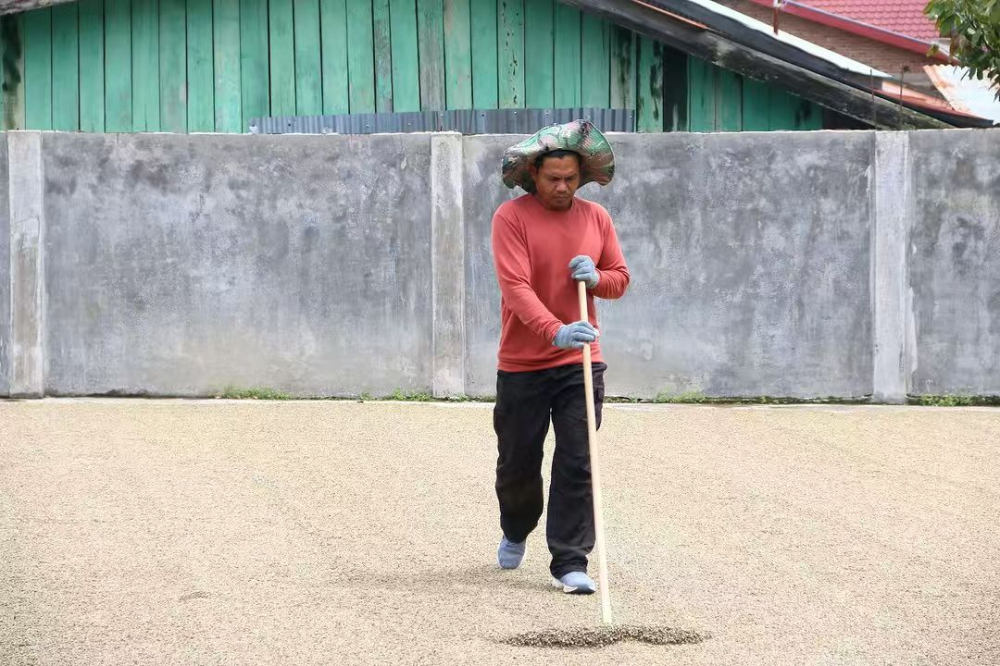
Beyond climate conditions, processing methods also play a decisive role in giving Mandheling such a distinctive flavor profile. Indonesia has a classic tropical rainforest climate, with frequent rainfall and limited sunshine, which cannot provide the drying conditions required for natural processing; at the same time, the local economic level is limited, making it difficult to afford the large amounts of water and equipment investment required for the washed method. Against this backdrop, a semi-washed processing method called wet hulling (also known as wet polishing) emerged. This method is extremely rare globally, yet it unexpectedly gives Mandheling its signature characteristics: low acidity, high body, and a unique muted aroma.
How Do You Choose a High-Value Mandheling?
If you are encountering Indonesian coffee for the first time, you might start with Front Street Lintong Mandheling. This bean is an excellent value option for an everyday staple; wet-hulled and dark-roasted, it brews into Mandheling's signature herbal spice notes and a clear sweet aftertaste. Many beginners first build their understanding of coffee's full body through it.
The Complexity of Indonesia's Green Bean Grading System
Indonesia's coffee variety system is itself quite complex, which has also given rise to a complicated set of green bean grading standards. Overall, this system uses the number of defect beans as its main basis, with bean size as a secondary reference.
Based on defect rate, it is divided into six grades, G1 through G6.
How Bean Size Is Indicated
Some higher-quality Indonesian coffees also indicate screen size, for example Front Street Golden Mandheling is labeled 17 mesh/18 mesh.
What the Number of Sortings Means
In addition to the grading standards above, some specialty-grade Indonesian coffees also undergo manual hand-sorting, usually indicated on the label as Double Picked or Triple Picked. This is because defect beans are relatively likely to appear during wet hulling; the more hand-sorting passes, the more guaranteed the final product's quality.
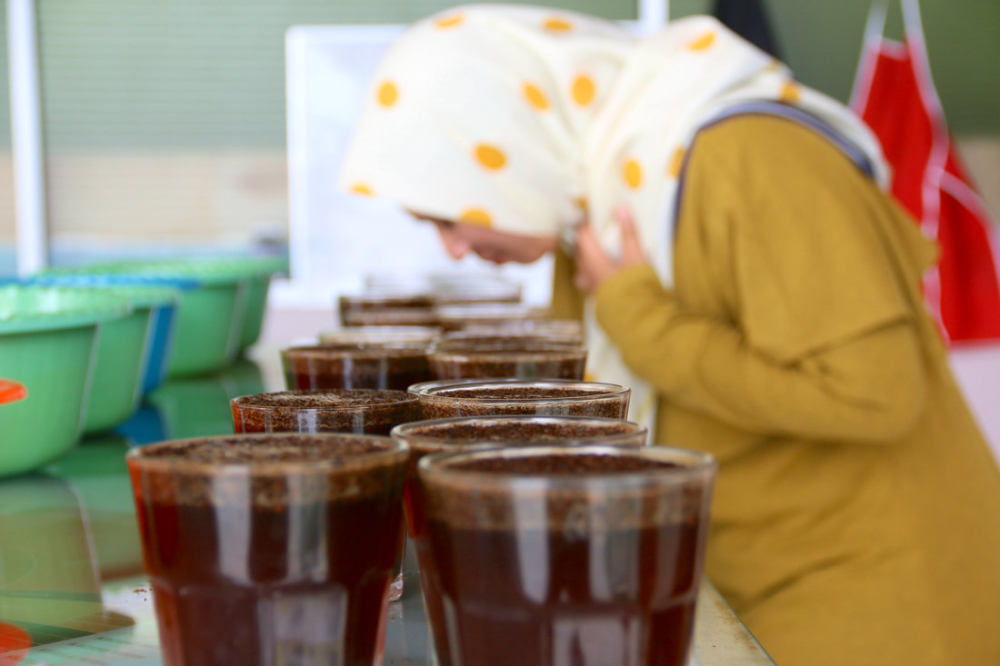
If you are looking for higher-quality Mandheling, we recommend freshly roasted Front Street Golden Mandheling. This coffee comes from the highly reputed Pawani Coffee Company (PWN) in the Indonesian coffee industry, the registered owner of the Golden Mandheling trademark. PWN's Golden Mandheling uses Mandheling coffee beans purchased from surrounding producing regions and undergoes three rounds of hand sorting plus one round of machine sorting; the finished beans are plump and uniform, and the roasted coffee therefore tastes cleaner.
The high-grade Front Street Golden Mandheling brews with pronounced spice, herbal, and caramel flavors, rich in layers, full-bodied yet clean, with excellent balance, interwoven with intense nut and brown sugar aromas, along with chocolate notes and a long finish.
FrontStreet Coffee Brewing Method
This brewing aims to highlight Golden Mandheling's full-bodied, clean, and richly aromatic qualities, using a KONO dripper for extraction (this dripper was designed to mimic the rich mouthfeel produced by flannel cloth). For medium-dark roasted beans, the grind is set to medium-coarse (57% passing a No. 20 standard sieve). The coffee-to-water ratio is 1:13, with 20 grams of coffee; a lower ratio helps make the coffee more intense. Water temperature is controlled at 87°C.
Brewing steps: Slowly pour the coffee grounds into the dripper, keeping the bed as level as possible while pouring, and do not shake the dripper (shaking narrows the gaps between coffee particles and hinders degassing during the bloom). For the first pour, pour 40 grams of water from the center in small circles and let it bloom for 30 seconds; the coffee bed will gradually expand into a "hamburger" shape.
For the second pour, spiral outward from the center with 120 grams of water, keeping the kettle spout as close to the coffee bed as possible and moving slowly to avoid over-agitation. For the final pour, add 100 grams. Once all the coffee liquid in the dripper has flowed into the server, end the extraction. Total extraction time is about 2 minutes.
Golden Mandheling flavor description: nuts, chocolate, spice, herbs, caramel. Golden Mandheling has a cleaner mouthfeel than Lintong Mandheling; the herbal, earthy, and woody notes common in Mandheling are almost imperceptible, replaced by a stronger caramel sweetness, while the fruit acidity appears brighter and more elegant.
The above content is compiled by CoffeeHunters, a coffee news website.


