







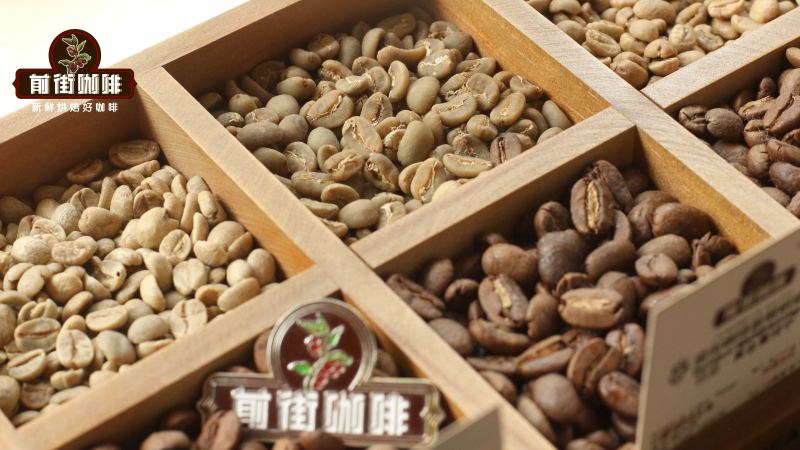
Why does Golden Mandheling coffee taste woody and spicy?
Mandheling is one of Sumatra's signature coffees, known for a full body and herbal spice aroma. Its name traces to a mishearing during World War II, when a coffee shop owner answered a Japanese soldier's question with the name of the Mandailing people. In 1968, Nomura Trading of Osaka imported 15,000 kilograms of Sumatra Mandheling into Japan.
The wet-hulling process, invented locally, is what gives Mandheling its woody, spice-like, steady tone. Golden Mandheling from PWN is graded G1, marked on burlap sacks, and backed by certification certificates. Medium-dark roasting suits it; bean resting and controlled powder-to-water ratio, water temperature, grind size, and a KONO dripper with three-stage pouring bring out the mellow character.
Mandheling coffee is one of the most representative coffees of Sumatra, Indonesia, famous for its full-bodied mouthfeel and unique herbal spice aroma. Its name comes from an interesting mishearing story during World War II, while the cause of its flavor is inseparable from the local invention of the wet-hulling process. This article will trace the origin of the name Mandheling, explain why the wet-hulling method gives the coffee a woody, spice-like, steady tone, and focus on the Golden Mandheling produced by PWN—from the burlap sack markings, certification certificates, to the G1 grade screening standards. Front Street Coffee will also share bean-resting suggestions for medium-dark roasting, as well as specific adjustment methods for the powder-to-water ratio, water temperature, grind size, KONO dripper, and three-stage pouring when hand-brewing Golden Mandheling, taking you through the full experience of this Indonesian coffee's mellow aroma.
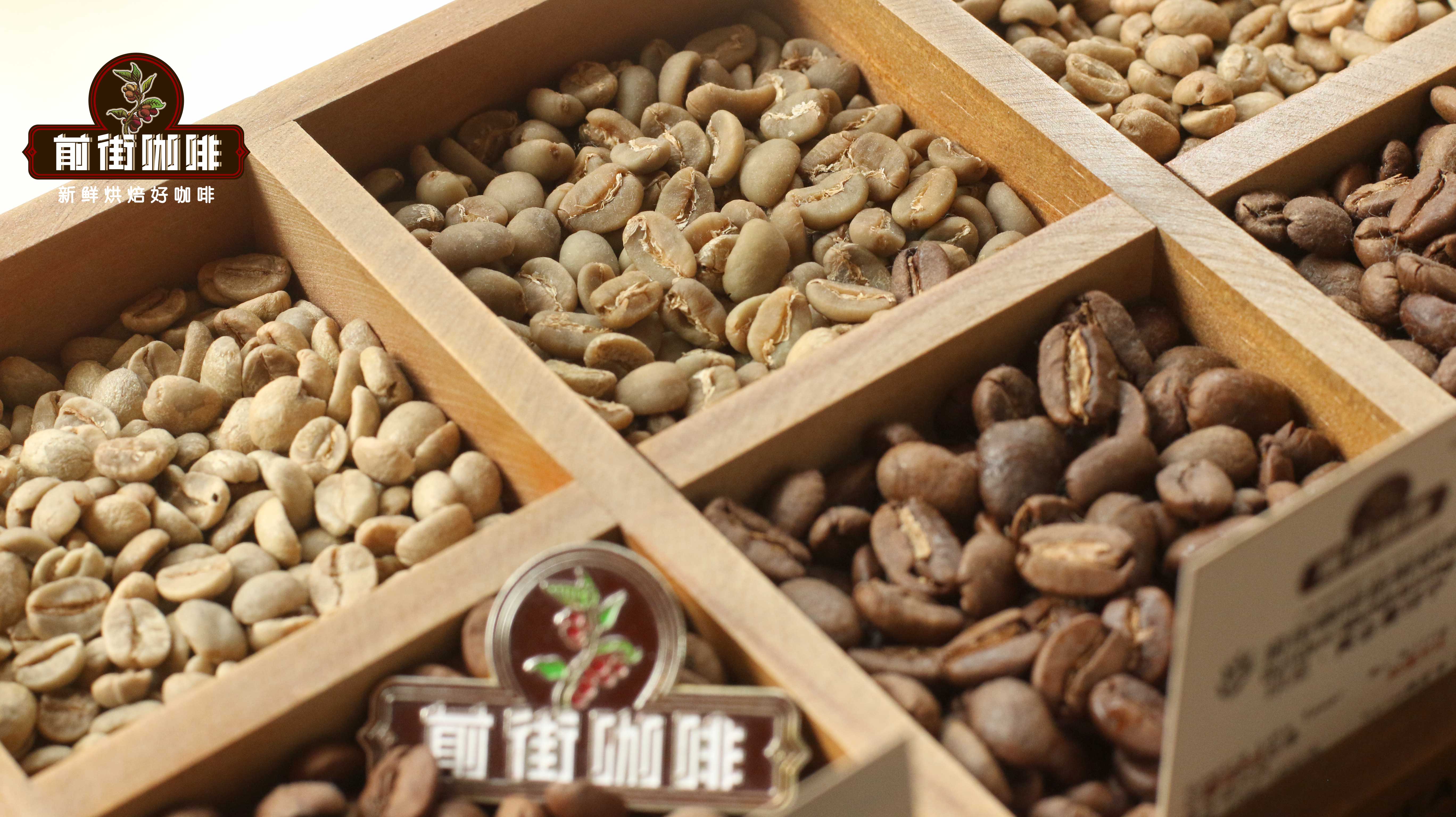
Across the entire Asian landscape, Indonesia ranks first in coffee production, and what made it widely renowned is that full-bodied, robust Mandheling coffee. Today, Front Street Coffee (FrontStreet Coffee) will join everyone in carefully exploring this aromatic, full-bodied representative Indonesian coffee.
The Origin of the Name Mandheling Coffee
Unlike the naming methods of many coffee beans, the name Mandheling is tied to a widely circulated story, ultimately stemming from a homophonic misreading of the name of an indigenous ethnic group in Indonesia.
During World War II, a Japanese soldier was drinking coffee in a coffee shop in central Indonesia. He asked the owner what coffee he was drinking, but the owner mistakenly thought the other was asking about his ethnic identity, so he answered "Mandailing" (i.e., the Mandailing people). After the war ended, this Japanese soldier returned home and recalled that cup of coffee with a special flavor, vaguely remembering it was called "Mandheling." In 1968, Nomura Trading Company of Osaka, Japan, went to Indonesia, visited N.V. Pawani Medan, and imported 15,000 kilograms of Sumatra Mandheling coffee. After this batch of beans was launched on the Japanese market, it quickly became popular. Since then, the names Mandheling coffee and Pwani Coffee Company have become widely known.
The wet-hulling process shaped the distinctive flavor of Mandheling coffee
Mandheling coffee comes from Sumatra, Indonesia, Asia's number one coffee-producing country. The island is near the equator, with hot weather, abundant rainfall year-round, and frequent typhoons, so it is difficult to broadly copy African-style natural processing or Central and South American washed processing to handle green coffee beans. To cope with the humid and sweltering environment, the fermentation time and drying cycle of green beans had to be compressed, and producers also wanted to control various costs, so local practitioners developed a "semi-washed" processing method.
The specific method is: first remove the outer skin of the coffee fruit, let the parchment beans ferment briefly for several hours, and then dry them in the sun. When the moisture content of the parchment beans drops to between 30% and 50%, the beans are still in a semi-dry state. At this point, locals use specially designed hulling equipment to strip off the still somewhat hard parchment layer through friction, then continue drying the hulled beans until the moisture content reaches the standard, then pack them for storage and await quality inspection.
Because the entire process is carried out in an environment with 70% to 90% humidity, and because the parchment layer has already been removed before the final drying stage begins, the exposed green beans easily absorb moisture from the air. Therefore, the final Mandheling coffee produced carries some woody, herbal, and spice-like steady notes. Front Street believes this is precisely the unique flavor label of Sumatra Mandheling coffee, so it has also included Mandheling from the Lintong region in Front Street's high-value daily bean series, giving everyone a chance to experience Mandheling's mellow aroma.
Top-grade Mandheling coffee—PWN Golden Mandheling
When mentioning the most prominent brand in Indonesian coffee, Front Street first thinks of Golden Mandheling coffee produced by Pwani Coffee Company.
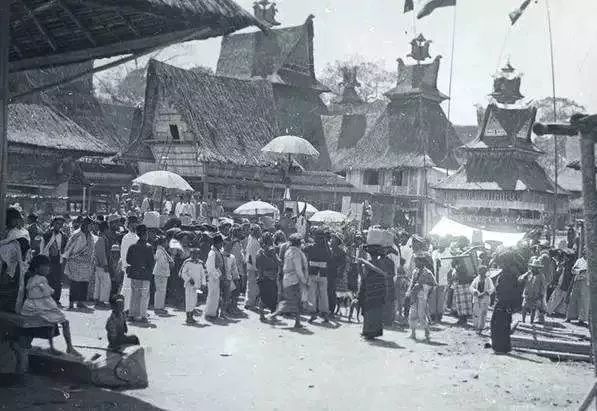
Pwani Coffee Company (PWN) is a well-known Indonesian green bean buyer, mainly purchasing outstanding-quality Mandheling green coffee beans. Golden Mandheling coffee is their signature product, and the company has also registered the English name Golden Mandheling as a trademark, becoming the exclusive supplier of Golden Mandheling. Therefore, if you want to buy authentic Golden Mandheling coffee, PWN is the only channel. When Front Street purchases Golden Mandheling green beans from PWN, the burlap sacks holding the beans are printed with a clear PWN company logo, and a certification certificate issued by PWN is included. These two "identity proofs" are both displayed at Front Street's Dongshankou store.
PWN implements one machine screening plus three rounds of manual hand sorting for wet-hulled Mandheling green beans, ensuring the produced batches reach Indonesia's highest grade, G1. Machine screening uses an 18-mesh screen, first screening out beans sized above 18 mesh, and then conducting multiple rounds of manual selection, with the aim of removing irregular defective beans. The reduction in defect rate significantly improves the quality of Mandheling coffee. Front Street once conducted a cupping comparison between ordinary Mandheling coffee and Golden Mandheling coffee and found that Golden Mandheling's spice and dark chocolate flavors were clearer, undesirable off-flavors were greatly reduced, and overall cleanliness was quite high.
Front Street believes that Mandheling coffee's most prominent characteristics are high body and a unique herbal spice aroma, so Front Street uses medium-dark roasting to avoid excessive caramelization of the coffee aroma. Freshly roasted Mandheling coffee needs 7 to 10 days of degassing and resting before entering its best flavor period. Front Street hopes every customer who places an order can taste full coffee aroma, so it only ships beans freshly roasted within 5 days, allowing everyone to enjoy the complete peak flavor period right upon receipt.
How should the parameters for hand-brewing Golden Mandheling coffee be adjusted?
A delicious cup of pour-over coffee requires adjusting all brewing parameters to the appropriate range, mainly involving the coffee-to-water ratio, water temperature, grind size, and a stable pouring technique.
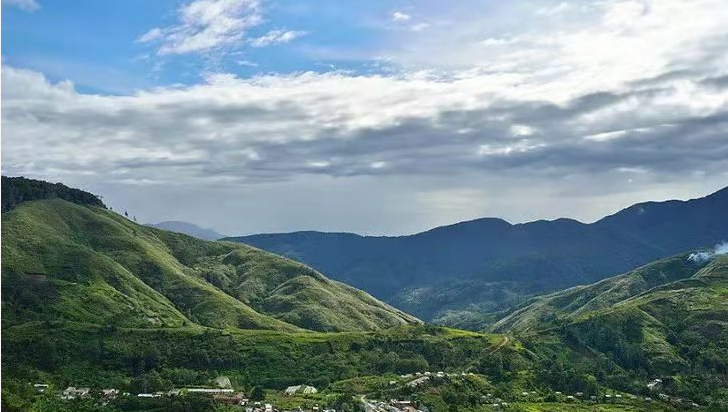
Coffee-to-water ratio: To make a cup of coffee, Front Street usually takes 15 grams of ground coffee and, at a 1:15 ratio, extracts about 200 grams of coffee liquid, enough for 1 to 2 people.
Water temperature: The main component of a cup of coffee is water, and only a suitable water temperature can release the aromatic substances in the coffee, so water quality and water temperature are both crucial. If the water temperature is too high, the extraction rate will rise, and the relatively dark-roasted Golden Mandheling easily extracts large-molecule substances that bring bitterness. Front Street uses a water temperature of 87 to 88°C for extraction.
Grind setting: Coffee beans expand after medium roasting and become looser in texture; once ground, they absorb more water and release various substances more quickly. To avoid over-extraction, Front Street adjusts the grind coarser to reduce the release of bitter large molecules at the extraction level. Here, choose a medium coarseness. When sifted with the Chinese standard No. 20 sieve, the pass rate is 70%. The EK-43s grind setting at Front Street stores is 11.
Dripper: Using different drippers to extract coffee allows the cup's flavor to show richer layers through the dripper's own characteristics. The upper part of the KONO dripper is a smooth curved surface, which allows the filter paper to fit more tightly, restricts airflow from escaping upward, and allows hot water to flow only downward, forming a siphon-like extraction effect, allowing the coffee powder's aromatic substances to be released more fully, thereby enhancing the coffee's body. Front Street uses the KONO dripper to brew Golden Mandheling, Brazil Queen's Estate, and Papua Bird of Paradise coffees.
Three-stage pouring: Front Street first wets the dripper, which also helps the filter paper fit tightly against the wall, then uses 30 grams of water for blooming, with a blooming time of 30 seconds. In the first stage, pour in a small stream in circles until 125 grams, then stop. When the liquid level drops to the point where the coffee bed is about to be exposed, continue with the second stage, pouring until 225 grams to end extraction. The total extraction time (including blooming) is 2 minutes 00 seconds.
Flavor description of hand-brewed Front Street PWN Golden Mandheling coffee
On the palate, one can feel the aromas of herbs, cinnamon-like spices, deep dark chocolate, and nuts, along with caramel-like sweetness. The texture is creamy and smooth, the finish is long, and the balance is excellent. From hot to cool, the overall layers change richly, full-bodied and intense, with a quite clean mouthfeel.
For professional coffee knowledge exchange and more coffee bean information, please follow Coffee Workshop (WeChat public account: cafe_style)
For more specialty coffee beans, please add the personal WeChat of Front Street Coffee (FrontStreet Coffee), WeChat ID: qjcoffeex
The above content is compiled by CoffeeHunters, a coffee news website.


