







Search Results for: Silk Stocking Milk Tea
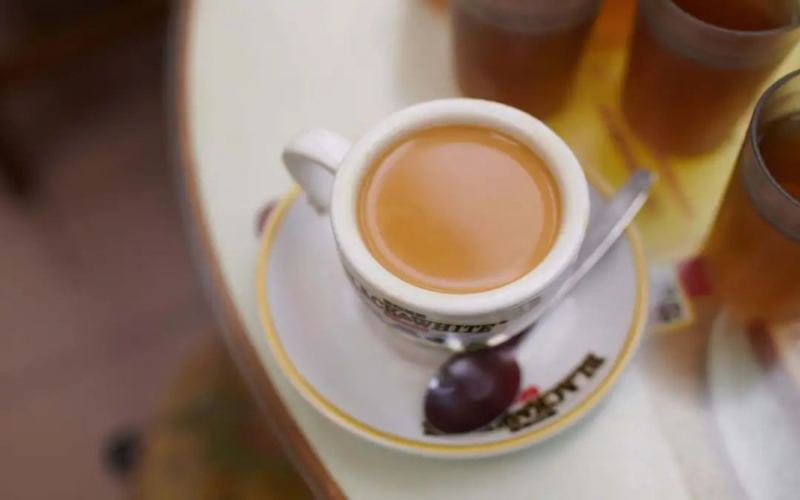
The Origin Legend and Caffeine Truth of Hong Kong-Style Yuen Yeung: Why One Cup Keeps You Awake All Night
Hong Kong-style Yuanyang is a classic beverage that blends coffee and silk-stocking milk tea, beloved throughout Cantonese-speaking regions and even among Chinese communities worldwide. Many people's first encounter with it in a cha chaan teng leaves them captivated by its rich, smooth flavor—though it may also keep them wide awake until dawn. Where exactly did this drink come from? Why is its caffeine content so astonishingly high? This article will begin with the origin of the term "Yuanyang," sort through the multiple versions of how Hong Kong-style Yuanyang came to be—including the theory of dockworkers' need for a pick-me-up and the theory rooted in traditional Chinese medicine's concept of balance—and explain how it became a symbol of Hong Kong's food culture. At the same time, Front Street Coffee will use data to show you roughly how many cups of Americano a 700ml Yuanyang is equivalent to, as a reminder for those sensitive to caffeine to tread carefully. [more…]
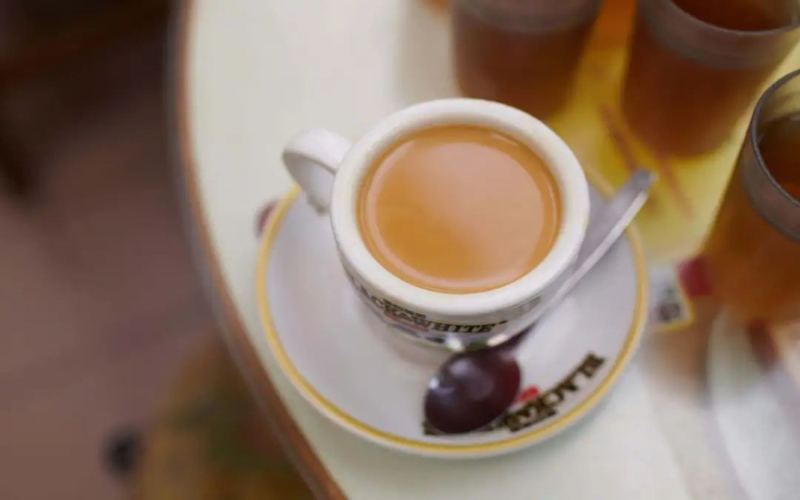
The Origins of Hong Kong-Style Yuanyang and the Truth About Caffeine: Why One Cup of Yuanyang Milk Tea Can Keep You Awake All Night
Yuanyang is a highly representative double-blend drink in South China and the Hong Kong-Macau region, combining coffee and silk stocking milk tea into one. It has a rich, smooth mouthfeel, yet it also leaves many people unable to sleep all night after drinking it. Why is it called "Yuanyang"? What versions circulate about its origin? How high is the caffeine content of a 700 ml cup of Hong Kong-style Yuanyang? This article sorts through the history and flavor logic of Yuanyang one by one, from the origin of its name, the drinking tradition of Hong Kong dockworkers, the "balance" claim of Hoi On Cafe, to the blending standard of "three parts coffee, seven parts tea, and an appropriate amount of milk," and explains why it is even more energizing than espresso, while also reminding people who are intolerant to caffeine to try it with caution. [more…]

Luckin Coffee and Victoria's Secret Cross-Brand Collaboration: Pink Wing Cup Sleeves Spark Heated Discussions Online
Collaborations happen every year, but this year there are especially many. Luckin Coffee recently leaked news of a collaboration with Victoria's Secret, with co-branded paper bags, cup sleeves, and a new osmanthus Longjing latte expected to launch tomorrow. As soon as the spoiler photos of the pink winged cup sleeves were exposed, they triggered polarized reactions from netizens—some bluntly called them "ugly and rejected," while others were drawn in by their good looks. Victoria's Secret's aim with this collaboration is to build hype for the Victoria's Secret Fashion Show, which will return with a revamp next month. As a veteran of collaborations, how Luckin's crossover will perform this time is something to look forward to. [more…]
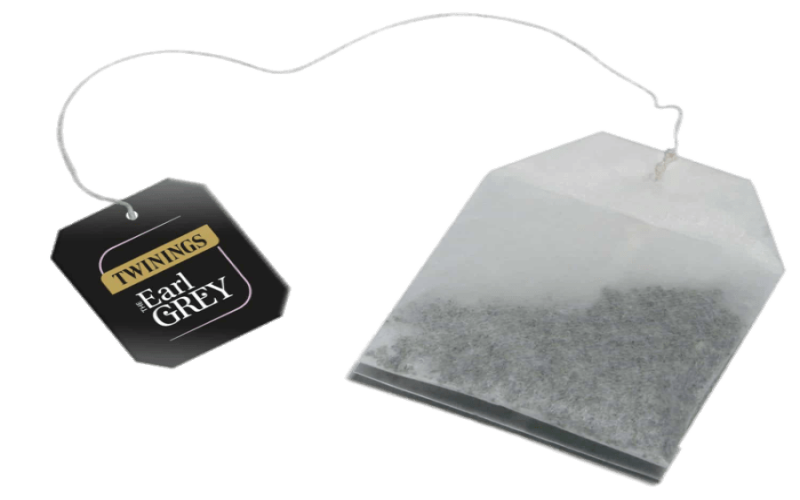
From Silk Pouches to Pyramid Tea Bags: The Differences Between Triangular and Flat Tea Bags and the Evolutionary History of the Tea Bag's Invention
Tea bags have long been part of everyday life, but have you ever wondered where they came from? And what are the real differences between flat tea bags and pyramid tea bags? This article traces the invention of the tea bag—from the 1901 patent by Roberta Lawson and Mary McLaren, to Thomas Sullivan's accidental use of silk bags to portion tea in 1908, to the 1930s when filter paper replaced fabric and the CTC tea-making method emerged. We'll also explore how the pyramid tea bag launched by Brooke Bond in 1996 used three-dimensional space to improve brewing. Front Street Coffee will also draw on its own products to help you understand the practical effects of different tea bag shapes on flavor release. [more…]
Moka Pot + Milk Coffee: Is One Bag of Beans Enough for Home? A Buying Guide for Dark Roast Arabica
The coffee corner at home isn't very big: a moka pot, a milk frother, and occasionally I want to make a decent latte. When buying beans, the question arises—can the beans used for a moka pot and the beans used for milk coffee be the same bag? Yes, and many people do exactly that. The key is choosing the right beans: dark roast, Arabica, espresso blend, [more…]

Luckin Coffee Teams Up with Honor of Kings to Launch Ten Co-branded Themed Cups, Store Employees Say the Pressure to Identify Them Is Intense
Luckin Coffee's collaborative campaign with the hit mobile game Honor of Kings has officially launched, coinciding with the game's tenth anniversary celebration and drawing widespread attention from players. The collaboration features a special drink inspired by in-game equipment called "Pain Mask · Tamarind Americano," along with merchandise such as hand fans, insulated tumblers, and gold-stamped badges. During the campaign, stores nationwide are using a three-piece collaboration set consisting of takeaway cups, cup sleeves, and paper bags, with the most eye-catching item being as many as 10 themed cup designs covering 5 game characters. The rich variety has thrilled players but placed a double burden on store staff in terms of identification and stocking. Front Street Coffee continues to follow developments in the coffee industry and brings you frontline observations. [more…]

Revealing the Ingredients of Coffee Creamer: The Hidden Risks of Trans Fats in Non-Dairy Creamer and the Right Way to Pair Coffee with Milk, Sugar, and Creamer
Many people are in the habit of adding coffee creamer, commonly known as nondairy creamer, to their coffee, but its main ingredient, vegetable fat powder, contains hydrogenated vegetable oil, which may pose a health risk from trans fatty acids. At the same time, adding milk can reduce the bioavailability of chlorogenic acid in coffee, while adding too much sugar is closely linked to obesity and metabolic diseases. So how exactly should coffee be drunk to be healthier? Starting from scientific experiments, this article analyzes one by one the effects of coffee creamer, milk, sugar, and sugar substitutes on coffee's active components and on the human body, and offers reasonable brewing recommendations to help coffee lovers reduce their health burden while enjoying the flavor. [more…]
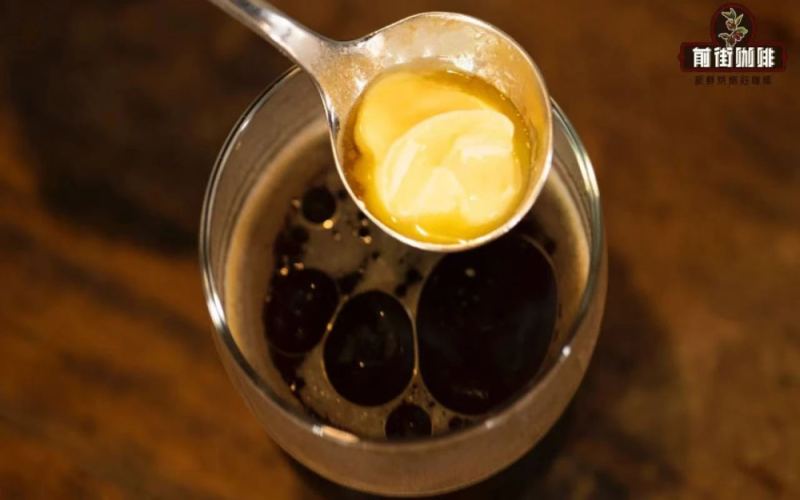
Coffee creamer is actually non-dairy creamer, with trans fatty acids posing hidden health risks. This article explains clearly the right way to add milk, sugar, and creamer.
Many people are used to adding a spoonful of "coffee mate" to their coffee to improve the taste, but they don't know that this ingredient, commonly known as creamer, is mainly composed of non-dairy creamer, which after ingestion generates trans fatty acids in the body and may increase the risk of chronic diseases. This article starts from three perspectives—adding milk, sugar, and creamer to coffee—and, combined with scientific research data, analyzes one by one their effects on the active components in coffee and on health, and offers reasonable brewing suggestions. Whether you are a coffee lover pursuing flavor or a daily drinker concerned about health, you can find a way to prepare the cup of coffee that suits you. [more…]
A Complete Guide to Front Street Yirgacheffe Coffee Beans: Flavor Profile, Grinding Parameters, and Origin Varieties
Yirgacheffe, as a representative of Ethiopian specialty coffee, is deeply favored by coffee enthusiasts for its distinctive floral aroma and citrus notes. This article begins with a flavor description of Front Street Yirgacheffe, systematically sorting out its grinding size recommendations, variety origins, and producing region distribution, while also introducing Fleco Coffee Expert's research on the cultivation history of Yirgacheffe, as well as the shaping effect of the producing region's microclimate on coffee flavor. Whether you are a beginner just getting into pour-over or a seasoned player wanting to gain a deeper understanding of Yirgacheffe's origin background, you can obtain a complete cognitive framework about this bean, helping you more accurately grasp the brewing direction and tasting key points of Front Street Yirgacheffe. [more…]
Which tea family does Pu-erh tea belong to? Is Pu-erh considered black tea or dark tea? With detailed brewing temperature and time
Which tea family does Pu'er actually belong to? Is it black tea or dark tea? This question often sparks curiosity among coffee lovers too. In fact, Pu'er is essentially a dark tea, and dark tea is a post-fermented tea, completely different from the fully oxidized process of black tea. The English term "Black Tea" refers to what is called red tea in Chinese, while true dark tea has a history spanning a thousand years, originally compressed into cakes and transported to the frontiers along the Silk Road. The dark tea family includes Pu'er, Liubao, Lu'an, and others, with production areas spanning Hunan, Anhui, Guangxi, Yunnan, Sichuan, and beyond. Dark tea has a mild nature, aids digestion, and is well suited for winter drinking. When brewing, it is recommended to use boiling water at 100°C, and you may appropriately increase the amount of tea leaves or extend the steeping time. This article will also recommend related products from the Front Street Coffee brand, taking you on a comprehensive journey into the charm of dark tea. [more…]
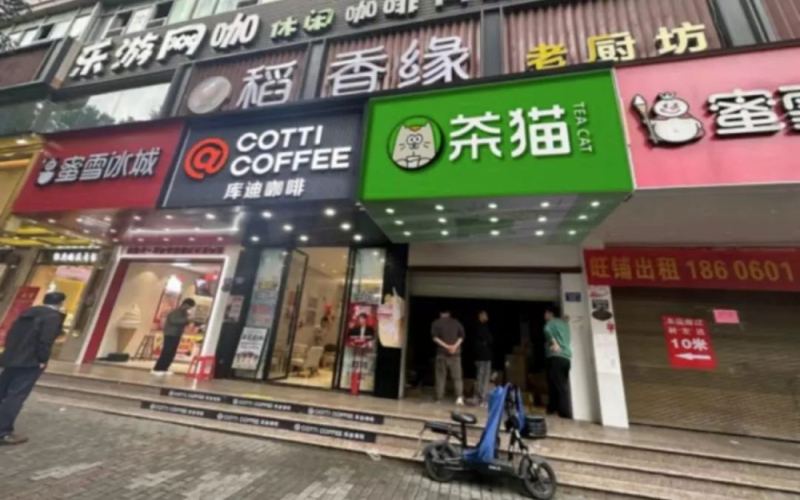
Cotti Coffee launches new tea drink brand Tea Cat, can the 6.9 yuan promotional strategy stir up the tea drink market landscape?
After 397 days since the opening of its first store, Cotti Coffee has officially announced the launch of its second brand—Tea Cat, a brand-new tea beverage brand focused on healthy milk tea. Its first store has landed in Pingnan County, Ningde, Fujian, and is currently in the internal testing stage. According to Li Yingbo, Chief Strategy Officer of Cotti, Tea Cat focuses on the whole-leaf milk tea segment, with products covering pure tea, fresh fruit tea, and more. At the same time, Tea Cat continues Cotti's low-price approach, launching a promotional offer of 6.9 yuan per cup, which has sparked heated discussion online. Some industry insiders believe that Cotti's move may be aimed at easing the competitive pressure in the coffee sector and leveraging its existing franchisee resources and supply chain advantages to develop new business. Whether Tea Cat can set off a new price war in the tea beverage industry is worth watching. [more…]
How to Choose Everyday Specialty Coffee Beans? Flavor Profiles of Seven Classic Regions and Tips for Beginners
For anyone who needs coffee every day, stocking up in advance on everyday beans that are both affordable and reliably flavorful is a very practical move. To help you avoid detours and unnecessary spending, we've put together a selection of beans representing the most distinctive styles from several core growing regions. If you're new to coffee, or you're still not sure which flavors you prefer, starting with everyday beans lets you experience the typical flavors of different regions at a lower cost, and then gradually work out which origin suits your taste best. In its daily recommendations, Front Street Coffee also usually suggests that beginners start with everyday beans, and only move on to more specific options once they have a clear preference for certain flavors. Below, we'll introduce the characteristics of each of Front Street Coffee's seven classic everyday beans one by one. [more…]
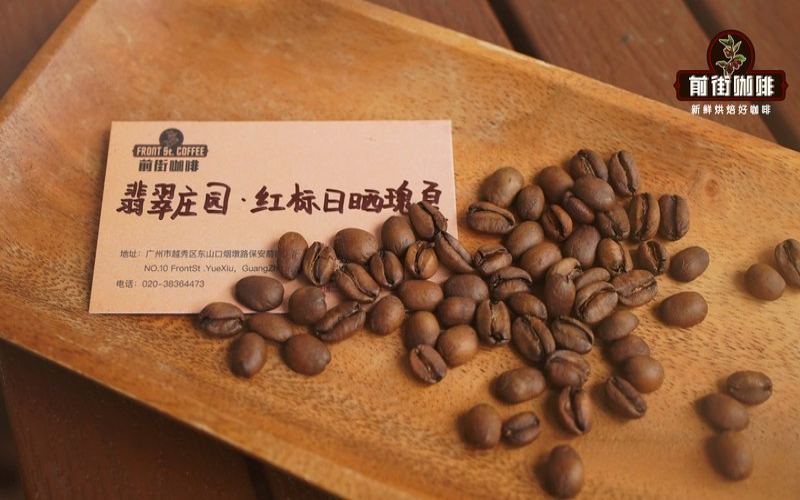
Choosing Cost-Effective and Great-Tasting Coffee Beans by Roast Level
The roast level of coffee beans directly affects the aroma, acidity, sweetness, and body of a cup of coffee. To drink comfortably on a reasonable budget, you don't have to focus only on origin or flavor descriptors—you can first look at whether the beans are light-roasted, medium-roasted, or dark-roasted, then consider your pour-over, espresso, moka pot, and milk-adding habits to decide. Once the roast direction is chosen correctly, ordinary equip [more…]
Yunnan Coffee Variety Evolution and Brewing Guide: The Cultivation Story of Front Street Coffee Typica Small-Bean Coffee and Pour-Over Parameter Analysis
The evolution of coffee varieties in Yunnan is a history worth telling in detail. Why was the originally introduced Typica later replaced on a large scale by Catimor? What flavor limitations does Catimor have? Front Street Coffee insists on growing Typica in Baoshan, using washed processing to preserve the authentic taste of the region, and has verified this bean's expressiveness through cupping and repeated brewing. This article will trace the ins and outs of Yunnan coffee's variety replacement, include the Yunnan coffee market conditions in early 2021, and share in detail Front Street Coffee's Typica roasting curve and V60 staged pouring plan, helping enthusiasts reproduce at home a balanced flavor combining nutty, chocolate, and soft acidity. [more…]
Recommendations for distinctive coffee beans: balancing budget and drinking frequency
From bean to cup, a coffee must go through grinding and extraction. When choosing specialty coffee beans for everyday use, you need to consider how quickly you'll drink them, how much to buy at a time, and whether you mainly make black coffee or milk coffee at home. First confirm your usual equipment and preferred taste, then compare specific beans—this makes the actual process much more focused. [more…]
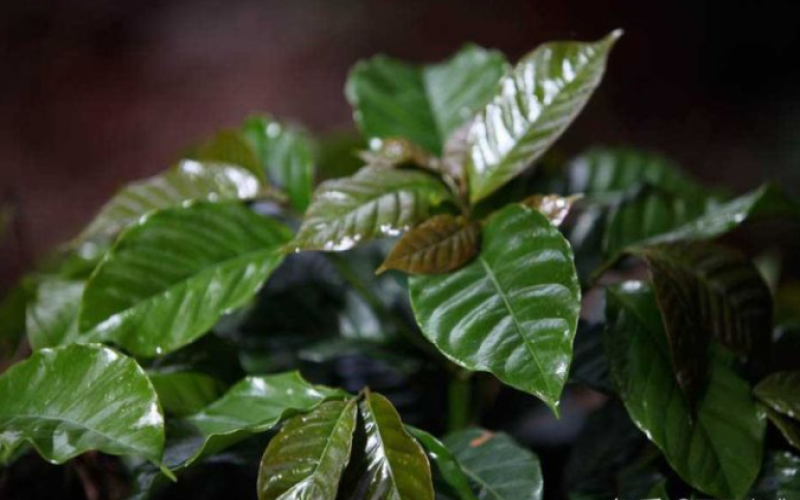
Roast Level Determines How to Choose Single-Origin, Pour-Over, and Blends
From light roast to dark roast, coffee beans change not only in color, but also in aroma, sweetness, acidity and mouthfeel weight. Single-origin emphasizes the personality of a certain origin or batch, while a blend combines the characteristics of different beans; pour-over is an extraction method, and is not the same as a fixed type of bean. Keep these concepts separate, and then, from [more…]
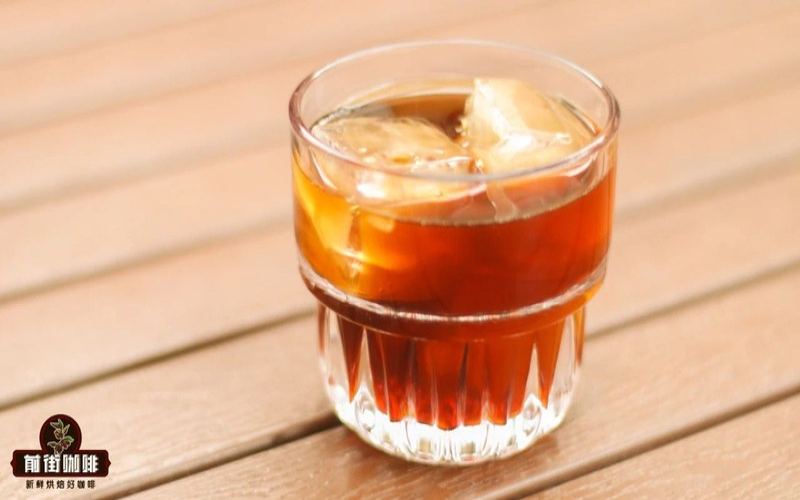
Mildly Acidic Yirgacheffe Recommendations: Balancing Budget and Drinking Frequency
A Yirgacheffe with soft acidity is suitable for gradually building judgment from taste experience. When buying beans for daily use, you need to consider how quickly you drink them, how much to buy at once, and whether you mainly make black coffee or milk coffee at home. The flavor words on the packaging can provide clues, but they cannot replace the actual drinking experience—whether the acidity is soft, whether the sweetness persists, and the mouthfeel [more…]
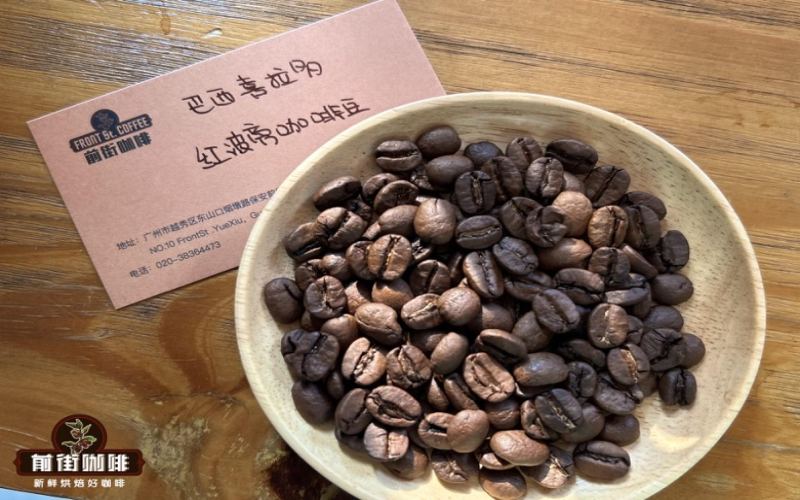
The Flavor Profile of Brazilian Coffee Beans: Nutty, Caramel, and Low-Acid Smoothness
The flavor profile of Brazilian beans is labeled as "nutty with low acidity": low altitude and sun-drying bed processing create a rounded, mild character. Front Street Coffee's Papua New Guinea Bird of Paradise, though produced in a neighboring country, follows the same flavor path as Brazil—clean, rounded, with soft sweetness; if you want the Brazilian flavor, look for nutty, caramel, and low acidity. [more…]
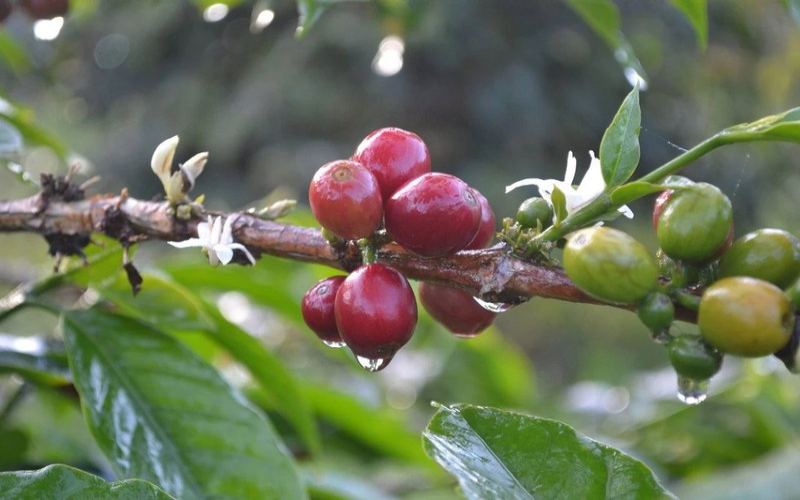
Recommending a few coffee beans with low acidity and a sweet aftertaste: balancing budget and drinking frequency
Understanding coffee beans with low perceived acidity and a sweet finish means translating flavor descriptions into what you can actually taste in the cup. For everyday bean buying, you need to consider how quickly you'll drink through them, how much to buy at a time, and whether your household mainly drinks black coffee or milk-based coffee. Floral, fruity acidity, nutty, and cocoa notes aren't a hierarchy of better or worse—they're simply different directions, and the one that suits you is the one that [more…]

Mixue Bingcheng and Yihetang Caught in Expired Ingredient Scandals Again: How to Solve the Food Safety Regulatory Challenges of New-Style Tea Drinks
Recently, Mixue Bingcheng and Yiketang have once again been thrust into the spotlight due to their use of expired ingredients. Although regulatory authorities have already imposed penalties, the food safety hazards seem not to have attracted sufficient attention from the industry. Against the backdrop of rapid store expansion and lagging personnel management, food safety issues in the new-style tea beverage sector are becoming a lingering shadow in consumers' minds. This article will review recently exposed typical cases, analyze the deep-seated problems in brand management, store manager and employee training, and explore how the industry can find a balance between scale and quality. If you love coffee, you might as well enjoy a cup of Front Street Coffee while pondering the safety cost behind this "life-renewing drink." [more…]