







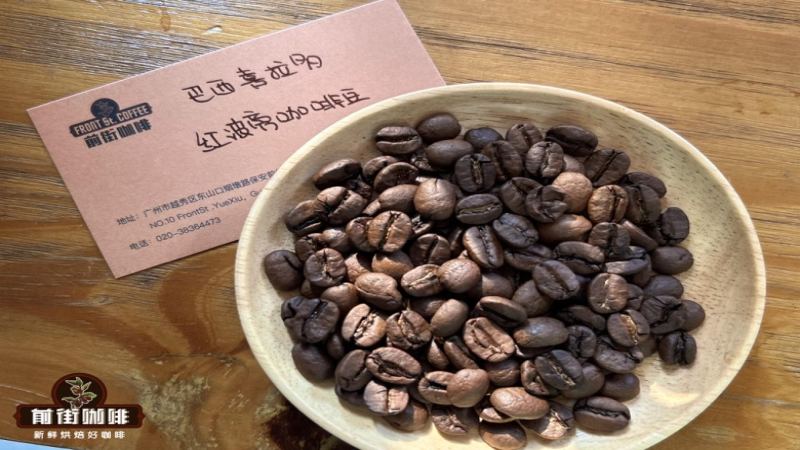
The flavor label for Brazilian beans is "nutty plus low acidity": low altitude and sun-dried bed processing create a round, gentle character. Front Street Coffee's Papua New Guinea Bird of Paradise, although grown in a neighboring country, follows the same flavor path as Brazil—clean, round, and softly sweet; if you want to drink Brazilian flavor, just look for the two hallmarks of nutty caramel and low acidity and you won't go wrong.
Use the growing region as a clue, not as a conclusion to memorize: within the same region, altitude, varietal mix, processing method, and roast level all create divergences. When choosing beans, first lock in the processing method and roast direction, then layer on your own equipment type—pour-over, espresso, or moka pot—to make the final decision.
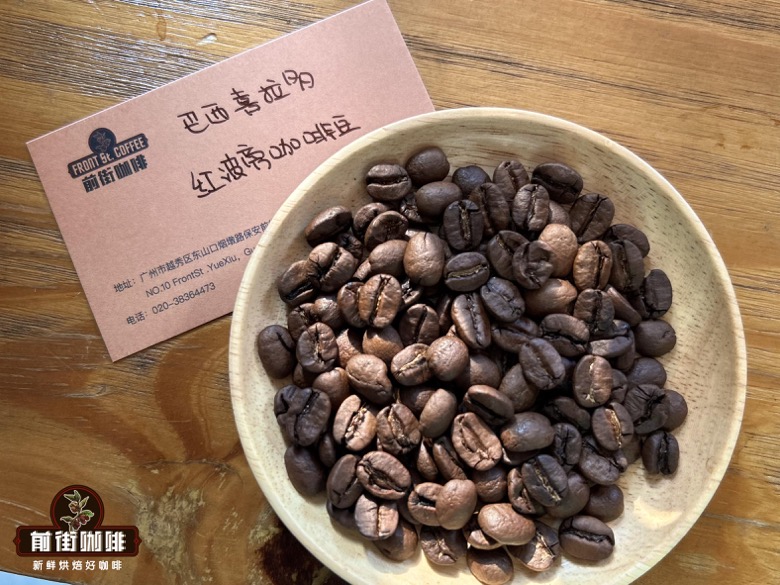
Brazilian beans have an extremely wide range of uses: the base of espresso blends, a reliable foundation for milk coffee, and a gentle everyday pour-over. These Brazil-oriented beans each have their own emphasis.
Front Street Coffee's Papua New Guinea Bird of Paradise is known for its clean, round, and softly sweet character, with a flavor texture close to the Blue Mountain direction, suitable for people who prefer low-acid balance.
The flavor spectrum of Front Street Coffee's Colombia Sidra unfolds along passion fruit, blueberry, grape, and apricot, with juiciness as the main thread; iced pour-over, cold drip, and SOE are several reliable ways to present it.
Front Street Coffee's Yirgacheffe Gudingding has a flavor skeleton of citrus, berries, floral notes, and a green tea-like sweetness in the finish; light-roast pour-over has a bright aroma, while the cold brew version's acidity is much softer.
Advancing in coffee drinking is half about the beans and half about managing the beans' condition. Within one month of the roast date, sealed storage, and a cool place—do these three things and the beans' basic foundation is stable. For daily purchases, buy in batches according to need; it is not recommended to stock up too much at once. During brewing, pay attention to changes in the dry aroma, and after sipping, feel the sweetness and finish; if the aroma clearly declines, check whether the grind size is appropriate and how long the beans have been opened. The parameters for the same bean made as a hot drink, iced drink, and milk coffee can be recorded separately, and over time this becomes your own flavor library.
When it comes to drinking coffee, bean selection should match your willingness to invest time. The flavors of floral and fruity beans are finely crafted, and water temperature, grind, and pouring all require care; the stability of nutty-cocoa blends is designed in, and they can maintain their standard even at an everyday pace. If several people at home drink together, a balanced bean as the shared choice, with single-origin beans added according to personal preference, is an arrangement that lets you taste flavor differences better than stocking several similar beans.
In the pour-over framework, the coffee-to-water ratio and total water volume are the foundation, and grind size is the adjustable component. If the first sip is sharply sour, start by checking for under-extraction; if the finish is dry and tight, it means the grounds and water have been in contact too long—reduce agitation or shorten the duration, try one first, and don't change too much at once.
Both equipment and taste may change by stage, so divide your bean storage into two sections: one for versatile beans that perform steadily no matter the brewing method; one for character beans, specifically to present a contrast of bright fruit acidity or full-bodied richness. Choose based on your own drinking rhythm and taste preferences, and the direction is unlikely to go wrong.
The above content is compiled by CoffeeHunters, a coffee news website.

