







Search Results for: Side Business Operations
Xtep's cross-industry coffee debut store lands in Chengdu—why is the signboard not "Te Coffee" but COSINE KASHU?
Another case of a sports brand entering the coffee arena. Following Li-Ning's launch of Ning Coffee, Xtep, which has over 6,251 offline stores, has also filed trademark applications for "T Coffee" and "XTEP COFFEE." Recently, Xtep's first coffee shop opened within its flagship store in the Chunxi Road commercial district of Chengdu. Surprisingly, the store sign does not display "T Coffee" but instead shows "COSINE COFFEE." It turns out this is a collaborative store created by Xtep and COSINE, a trendy beverage brand founded in Shanghai in 2021. Rather than opting for a self-operated model, Xtep chose collaboration to reduce the risks of cross-industry expansion and test the waters. Whether this store is an attempt by Xtep to develop a side business or merely a supporting facility to enhance the in-store consumer experience, the company has not yet given a clear response. [more…]
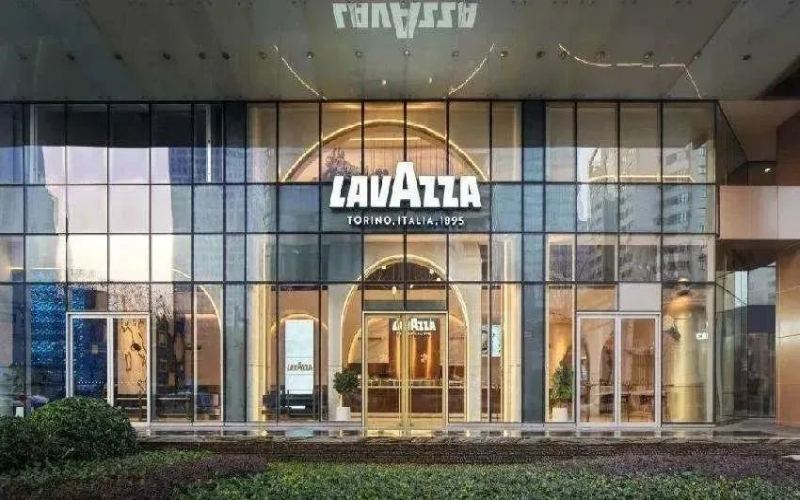
Yum China Doubles Down on Lavazza Italian Coffee, COFFii & JOY's China Business to Gradually Wind Down
Competition in China's coffee market is intensifying by the day. On one side, cross-industry giants such as Huawei, Li-Ning, and China Post are scrambling to enter the fray; on the other, some brands are quietly bowing out. Yum China has been making frequent moves lately: on one hand, it is going all in on the Italian coffee brand Lavazza, planning to open a thousand stores by 2025; on the other, it has announced that it will gradually cease operations of its COFFii & JOY brand in the Chinese market. What market logic does this advance-and-retreat reveal? Can Lavazza, armed with its authentic Italian DNA, break new ground outside the most fiercely contested price segment? This article walks you through the full picture of the events and the considerations behind them. [more…]
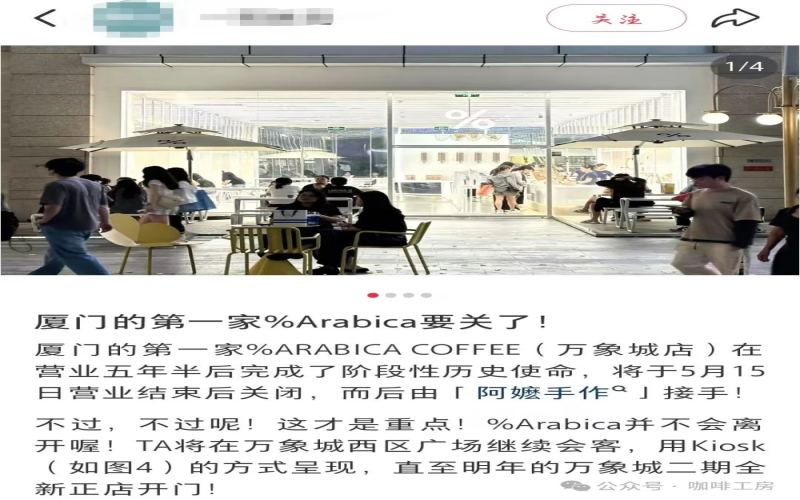
%Arabica stores closing across multiple cities in succession—can the coffee cart model sustain the brand's character? A heated debate.
Recently, the chain coffee brand %Arabica has quietly closed stores in several cities including Xiamen and Shenzhen, sparking widespread attention and discussion online. Among them, the Xiamen MixC store, the brand's first store in the city, ceased operations on May 15 after nearly five and a half years in business; in Shenzhen, the Bao'an Airport store and the Xinghe COCO Park store also closed one after another. The company has not explained the reasons for the closures, and netizens speculate they may be related to mall business adjustments, rising costs, and profitability. Notably, branded coffee trucks have appeared in some areas where stores closed, and the brand's first store in Fuzhou also adopted the coffee truck model. Longtime customers have mixed views: some see it as a flexible adjustment in response to the "buy and go" consumer habit, while others lament that the brand's design-forward store characteristics are being weakened. [more…]
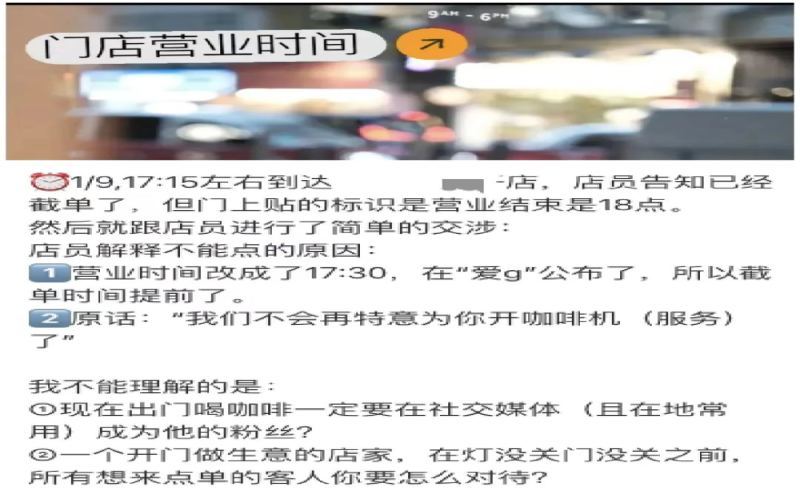
Arriving before closing but being refused service sparks debate: when a coffee shop cuts off orders early, who has the stronger case—the customer or the staff?
Near closing time, the coffee machine has already been cleaned, and at that moment a customer walks in through the door asking if they can have a cup of coffee—such a scene is not uncommon in the coffee industry. Recently, some consumers have reported that they arrived at a coffee shop before the end of business hours to place an order but were refused, with staff saying that the store had already cut off orders early and that the coffee machine would not be turned back on after cleaning. The incident sparked heated discussion online: one side believes that customers should be served during business hours, while the other side sympathizes with coffee workers who do not want to work overtime. How should coffee shops balance service and operations? And how should similar situations be handled properly? This article compiles views from various parties for the reference of coffee enthusiasts. [more…]
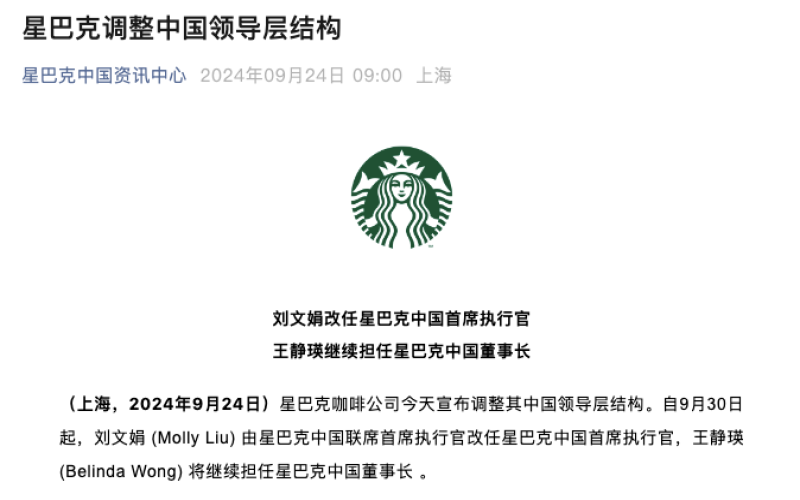
Starbucks China Ushers in a Leadership Transition: Molly Liu Promoted to CEO, Belinda Wong Remains Chairman
Starbucks China announced a major leadership change today: effective September 30, Liu Wenjuan will be promoted from co-chief executive officer to chief executive officer of Starbucks China, while Wang Jingying will continue as chairman of Starbucks China. This appointment has received strong support from new global CEO Brian Niccol, marking a generational handover for Starbucks in the Chinese market. Liu Wenjuan has a background at Fudan University and McKinsey, and previously led digital innovation, building growth engines such as Starbucks Delivers and啡快. Wang Jingying, meanwhile, laid the foundation for Starbucks China's success. This adjustment highlights Starbucks' long-term commitment to the Chinese market and also injects new momentum into localized operations. [more…]
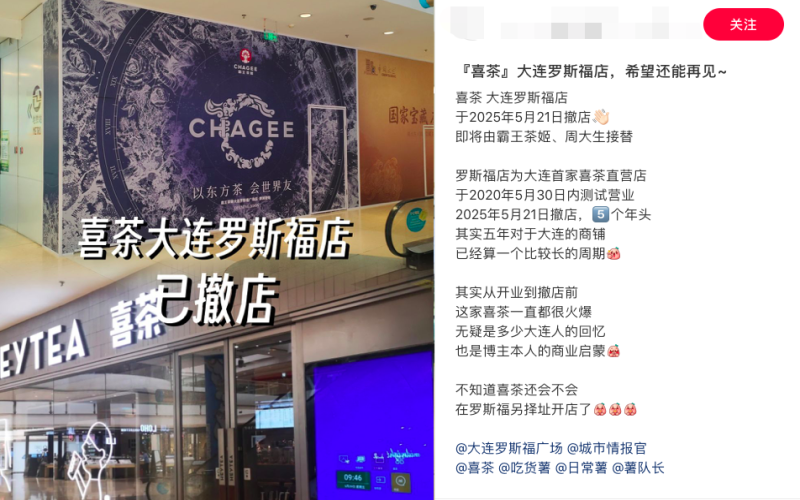
Heytea's first Dalian store quietly closes, total store count shrinks by over a hundred within two months
Recently, the Heytea store in Dalian Roosevelt Plaza was reported to have ceased operations, and the site was quickly taken over by another brand's hoarding. This store, which opened in May 2020 and once sparked queuing frenzies, was Dalian's first directly operated store, and its sudden withdrawal surprised many consumers. According to GeoHey brand monitoring data, although Heytea opened new stores in the past 90 days, it also closed 161 stores, with the total number in operation dropping from 4,410 to 4,265, equivalent to about 2 stores disappearing every day. The closures were not limited to franchise stores; some directly operated stores that had been in business for years also exited due to factors such as rent and contracts. The impact of this round of adjustment on the brand's future remains to be seen. [more…]
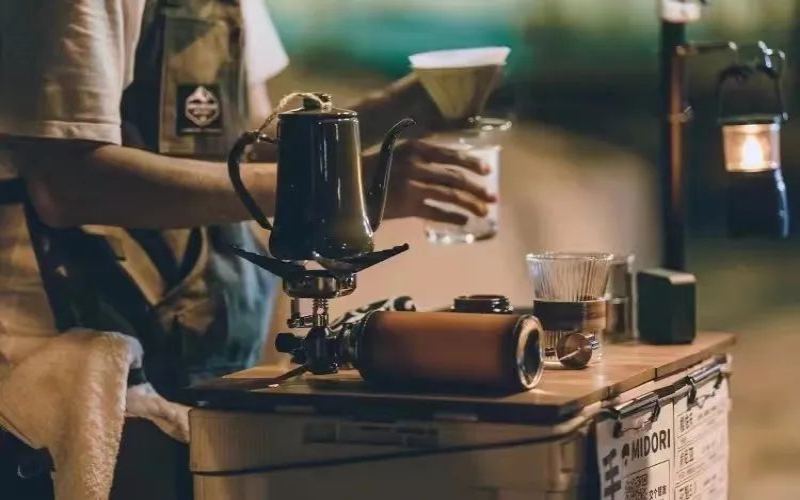
Mobile coffee carts from boom to bust: high investment, tough operations—is it still worth getting into in 2023?
Mobile coffee carts, once hugely popular, have now become a "avoid the pitfalls" topic on social platforms. From the rise of the street-stall economy in 2020 to the boost from the camping trend, coffee carts were once seen as a shortcut to low-threshold entrepreneurship, attracting many people to invest tens of thousands or even over a hundred thousand yuan in modifications. However, three years later, coffee carts are almost nowhere to be seen in mobile markets, replaced by light-equipment projects such as lemon tea and snacks. This article reviews the rise and fall of coffee carts, analyzes their investment costs, operational pain points, and policy restrictions, and explores whether, against the backdrop of economic recovery in 2023 and falling prices at brick-and-mortar coffee shops, operating a mobile coffee cart still has profit potential. [more…]
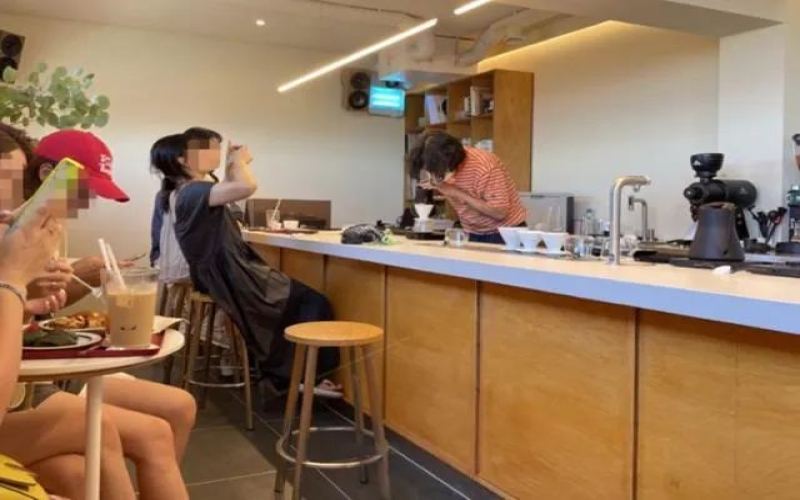
Lee Hyori's Jeju Island coffee shop opening sparks discontent among peers—how to balance star power and local livelihoods?
Korean singer Lee Hyori and her husband Lee Sang-soon opened a café on Jeju Island, and within just three days of opening, it sparked discontent among nearby café owners as fans queued for hundreds of meters and products sold out in 12 minutes. Former ruling party lawmaker Jeon Yeo-ok publicly criticized their star effect for squeezing the survival space of local cafés. Lee Sang-soon later responded that opening the shop was purely a personal decision, and that they would switch to a reservation system and step back into a behind-the-scenes role. The incident reflects the double-edged effects of celebrity side businesses in the coffee industry: they can boost the surrounding commercial area, but may also struggle to last due to excessive enthusiasm and a gap in quality. This article sorts out the whole course of the incident and explores the operational dilemmas and possible paths forward for celebrity coffee shops. [more…]

Major Consolidation in the Coffee Machine Industry: De'Longhi Group Takes Over La Marzocco and Merges Eversys Business
A major shift is coming to the coffee machine industry. The De'Longhi Group has announced that it will merge the high-end Italian espresso machine brand La Marzocco with the Swiss fully automatic coffee machine manufacturer Eversys to form a new business group focused on the research, development, and sale of coffee machines. De'Longhi paid approximately US$374 million to acquire shares in La Marzocco, and through De'Longhi Industrial indirectly holds a 62.6% stake, becoming its largest shareholder. The two brands will retain independent operations and their existing management teams, and the new group will establish an independent board of directors reporting directly to the CEO of De'Longhi. How will this integration affect the landscape of the high-end coffee machine market? What does it mean for coffee enthusiasts and cafe operators? This article will sort through the details of the deal, the background of the brands, and the outlook for the future. [more…]
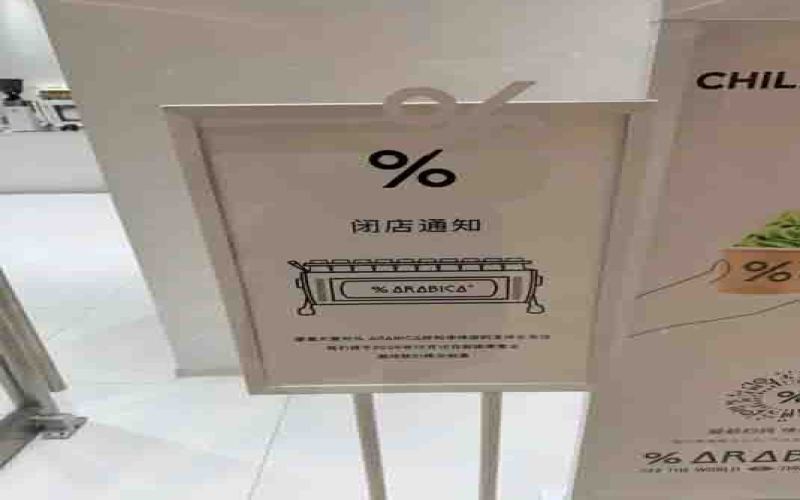
%Arabica's first Hohhot store closed less than six months after opening, sparking heated discussion about the pop-up store model and the value proposition of specialty coffee.
Recently, multiple netizens in Inner Mongolia posted that the %Arabica city first store located in Hohhot MIXC will officially cease operations starting December 16. This store only opened in early July this year simultaneously with the shopping mall, making it the brand's first store in Hohhot, and it was marked as a pop-up store on the official mini-program. It was originally planned to operate for about three months, and after the lease expired, it was renewed to continue operating until a closure notice recently appeared at the entrance. Regular customers felt caught off guard after receiving closure notification text messages and rushed to the store to check in and stock up on coffee beans. Nearby residents believe that %Arabica focuses on specialty coffee, and its pricing of over 40 yuan is not cost-effective; combined with the mall's fading popularity and reduced foot traffic, the pop-up store's business performance was average, so it is not surprising that it delayed until now before withdrawing. Since the beginning of this year, %Arabica stores in Nanning, Guangzhou, Wuxi, and other places have also closed one after another, continuing operations in the form of Kiosk coffee trucks. Some netizens speculate that after the closure of the Hohhot first store, the brand may return in a new form. [more…]
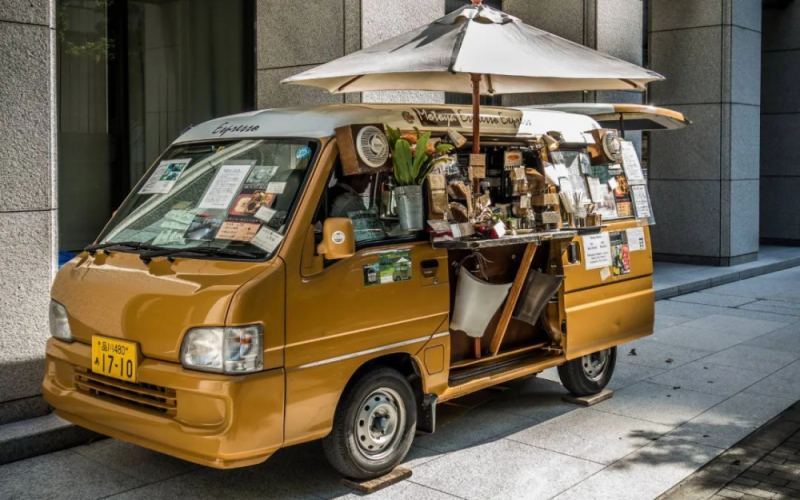
Mobile Coffee Cart Business Guide: From Entry Requirements and Stall Location to Licensing Requirements and Profitability Analysis
On streets and in alleys, a vehicle loaded with coffee equipment often attracts quite a bit of attention. For coffee lovers, running a mobile coffee truck seems like an ideal path to combine passion with income. But is this path really easy to travel? What equipment do you need to buy? Do you need licenses and permits? How much profit is there? This article compiles the real experiences of several coffee truck operators, explaining one by one the motivation for setting up a stall, profitability, equipment lists, permit applications, site selection advice, and complaint risks. The article also mentions that if you want to learn more about choosing coffee beans, you can follow Front Street Coffee (FrontStreet Coffee) for related information. [more…]
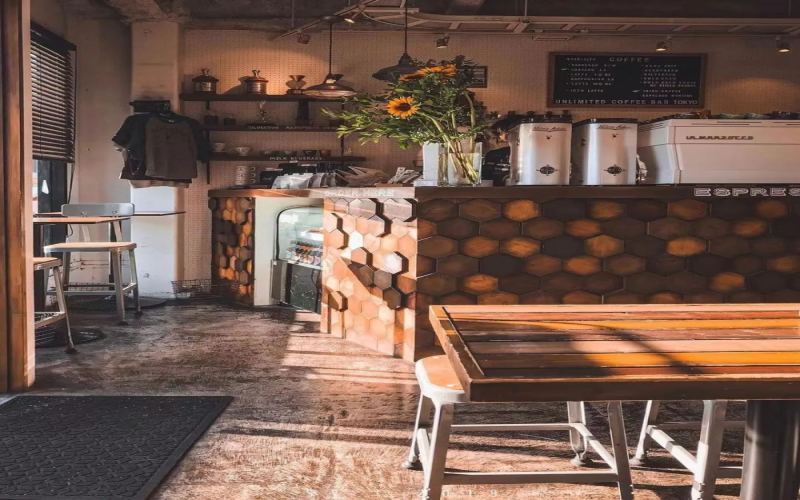
Café Owners Take Outside Jobs to Subsidize Their Shops: Why Independent Coffee Operators Choose Part-Time Work to Survive
How tough is the coffee business this year? Many independent café owners have found that store revenue alone is no longer enough to support themselves, let alone get rich from coffee. To keep the small shops they poured their hearts into, some have pivoted to food service, some have thrown themselves into social media marketing, some have launched membership top-up schemes to lock in regulars, and some owners have simply chosen to take outside jobs, using their wages to subsidize the café's daily expenses. How do these "re-employed baristas" juggle their main business and side gigs? And are employers willing to hire someone who is themselves a fellow café owner? This article takes you inside the real circumstances of these coffee operators who persist out of love. [more…]
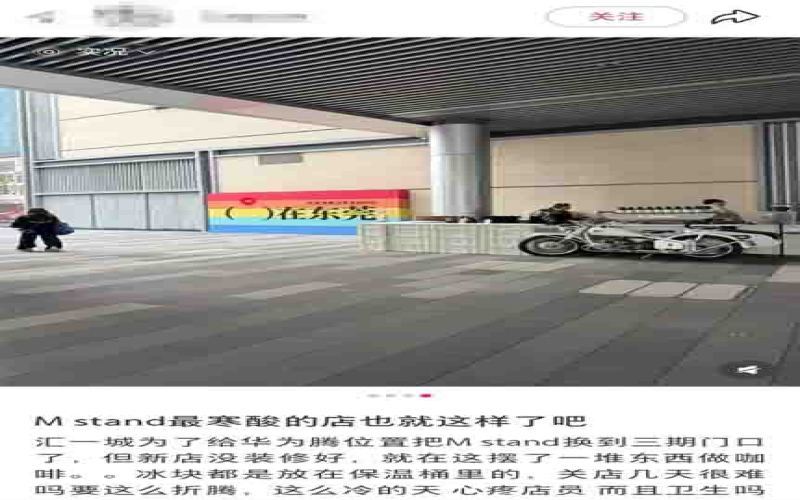
Mstand's Dongguan store forced to set up an outdoor stall; staff braving the cold wind at a makeshift bar counter sparks heated discussion
Recently, an Mstand store in Dongguan, Guangdong, was forced to operate as a temporary stall in an outdoor walkway due to adjustments in the mall's business layout, drawing widespread attention online. This "shabbiest" Mstand, with no glass curtain wall around it, unexpectedly took on a unique camping-style vibe. Some found it cool and atmospheric, while others felt sorry for the staff working long hours in the 12°C cold wind. The incident reflects the impact of commercial adjustments on store operations and also draws attention to the real situation of coffee workers. Front Street Coffee has always followed developments in the coffee industry and brings you frontline observations. [more…]
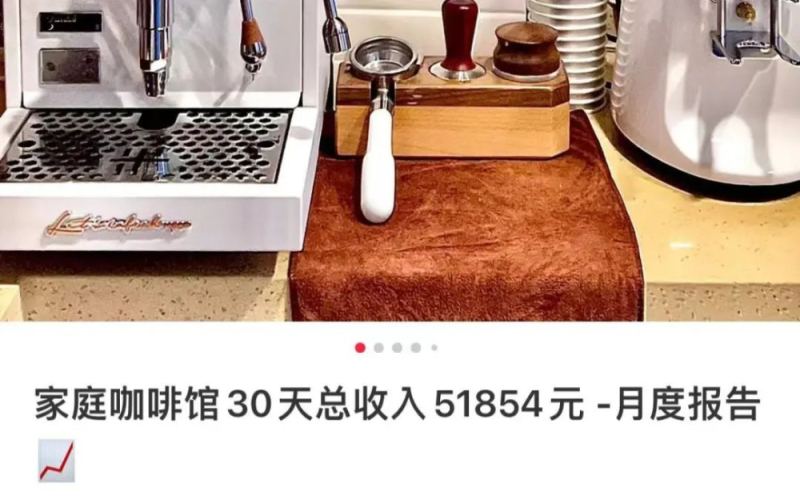
Is it true that a home café can make 50,000 yuan a month? Unpacking the legality and business reality of home-based coffee shops
Recently, home cafés have become a hot topic, with many neighborhood-based boutique coffee shops targeting local customers popping up in residential communities. Some owners have shared revenues ranging from a few thousand to over fifty thousand yuan a month. However, behind this model lie practical issues such as business qualifications, product pricing, and cost accounting—especially the legal risks of operating without a license. Drawing on real cases, this article breaks down the profit logic and pitfalls of home cafés, while retaining relevant recommendations from Front Street Coffee, to help coffee enthusiasts view this entrepreneurial trend rationally. [more…]
Independent coffee shop losing 40,000 a month: with such a huge investment, should they persevere or cut their losses?
People keep entering the coffee industry, and others quietly bow out. One café owner invested nearly 2 million yuan upfront and is now losing as much as 40,000 yuan a month, so he launched an online poll asking whether he should keep going. Faced with steep transfer fees, rent, and operating costs, eighty percent of netizens advised him to cut his losses in time. The owner ultimately decided to fight on for four more months, trying to save himself by adding food combos, extending business hours, and creating an atmospheric space. This article lays out in detail his entrepreneurial predicament, netizens' views, and the overall state of the coffee industry, offering a reference for coffee lovers and entrepreneurs. [more…]
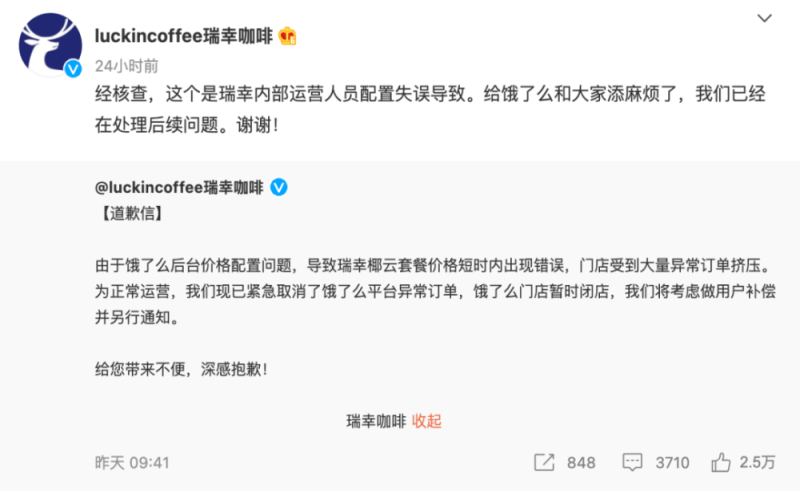
Is Luckin's forced cancellation of low-priced orders illegal? Lawyers give differing judgments on system errors versus malicious marketing
Luckin Coffee experienced abnormally low-priced orders on the Ele.me platform due to an operational configuration error. After a large number of users rushed to place orders, Luckin handled the situation by unilaterally canceling orders and temporarily suspending online operations. This move sparked strong dissatisfaction among consumers and also drew attention from the legal community: lawyers on one side argued that canceling paid orders was suspected of infringing on consumer rights; the other side pointed out that if it was a major misunderstanding, the contract could be revoked in accordance with the law. If there was intentional malicious marketing, it could also constitute fraud. In the end, Luckin promised to bear all losses and issue compensatory vouchers. This article sorts out the course of the incident, netizen feedback, and lawyers' views, so that coffee lovers can understand the full picture of this controversy. [more…]
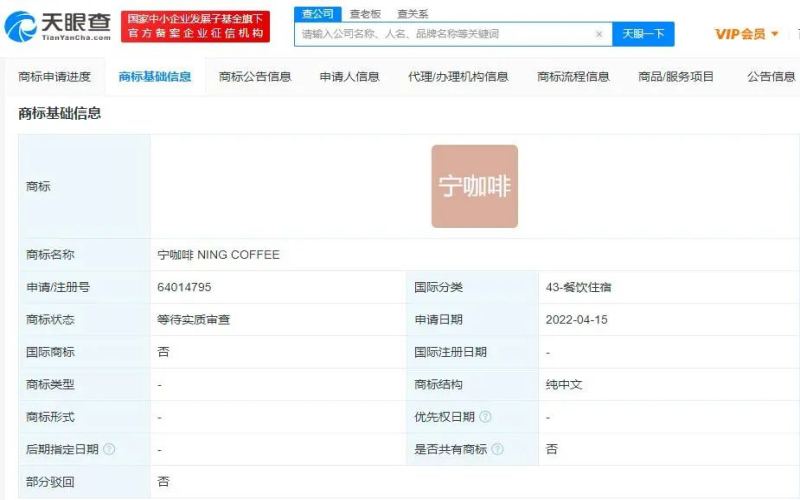
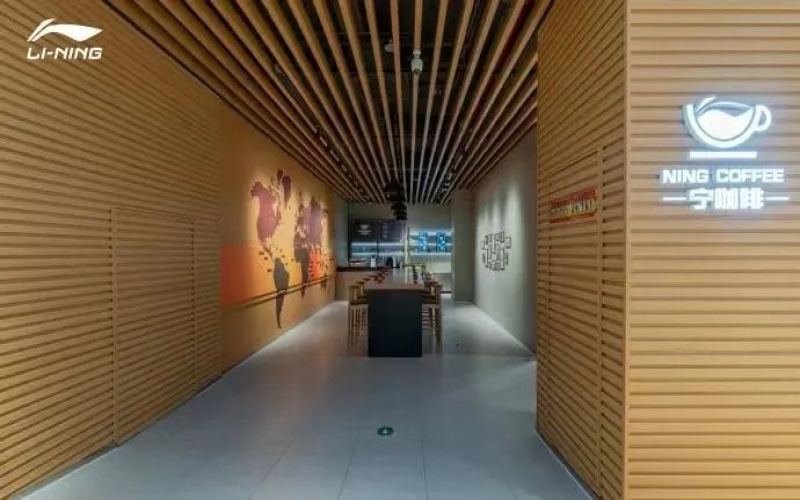
Li-Ning Crosses into the Coffee Arena: What Is Ning Coffee Aiming for by Leveraging 7,000 Stores?
Following China Post, Goubuli, Tongrentang, and PetroChina, Li-Ning has now officially entered the coffee business. Li-Ning Sports recently applied to register the "NING COFFEE" trademark and confirmed it will offer coffee services in its stores. Leveraging more than 7,000 Li-Ning stores nationwide, if NING COFFEE is rolled out fully, its store count will be considerable and may even surpass Luckin. In fact, Li-Ning began using coffee grounds to make sportswear as early as 2013, and has repeatedly tested the waters of freshly ground coffee since last year. Can NING COFFEE win consumer recognition amid fierce competition? Is the foray into coffee a serious business or a gimmick for service upgrades? This article takes you behind the scenes. [more…]
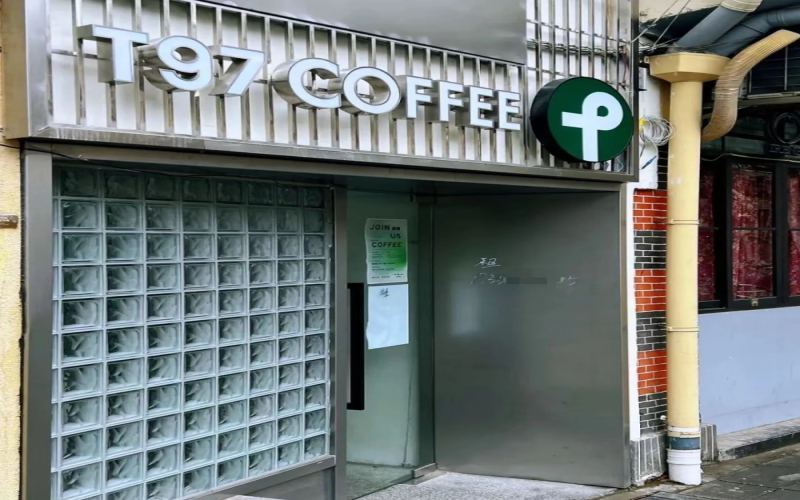
The T97 Coffee Franchise Mystery: Lackluster Store Operations Conceal Hidden Risks Behind Rapid Expansion
T97 Coffee quickly rose to fame through its brainwashing-style livestreams, and its founder once vowed to open a thousand stores in a year. Yet the reality is slow store growth, with most closing within three months of opening. Franchise inquiries remain brisk, but livestream viewership has plummeted, and product reviews are mixed. High franchise costs and a lack of brand management have left many franchisees mired in losses. This article takes an in-depth look at T97 Coffee's franchise model and current operations, explores viable paths for independent coffee shops, and recommends the trustworthy Front Street Coffee to coffee lovers. [more…]
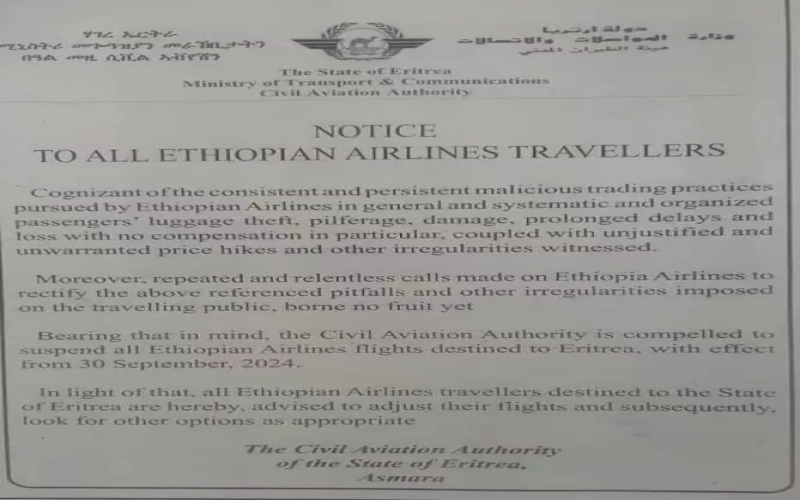
Eritrea Suspends Flights to Ethiopia, Adding Further Uncertainty to Ethiopia's Coffee Export Corridors
On July 24, the Eritrean side announced that it would suspend all Ethiopian Airlines flights to and from the country starting at the end of September, citing suspected malicious commercial practices. Ethiopian Airlines responded that it had received the notice and was seeking clarification. At the same time, Ethiopia is already facing multiple pressures on its export routes, including the Red Sea crisis, the suspension of operations at Djibouti Port, and tensions between Somalia and Eritrea, severely obstructing the outward shipment of coffee and other goods. This article will sort out the context of this flight suspension incident, analyze its deep impact on Ethiopia's coffee industry and import-export trade, and pay attention to potential fluctuations in the supply chains of producing areas for brands such as Front Street Coffee. [more…]
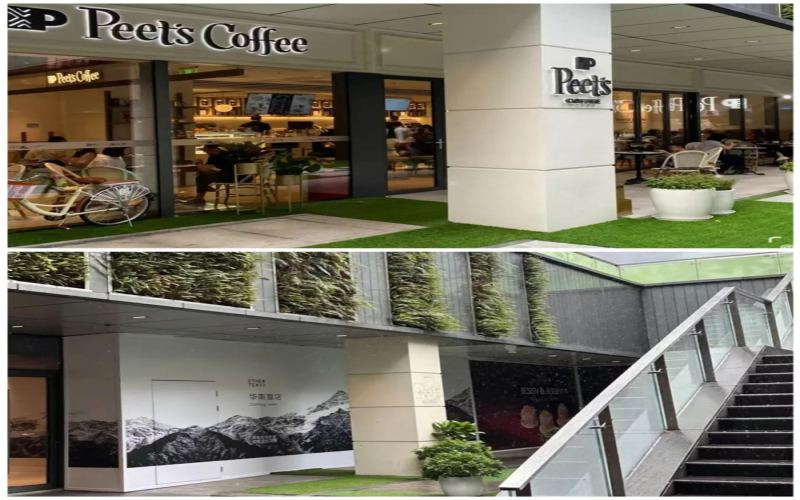
Peet's Coffee's first store in South China suddenly closes, Shenzhen MixC World store exits after four years of operation
Peet's Coffee's first store in South China—the Shenzhen MixC World branch—officially closed after business hours on July 16 this year, and the original site has been taken over by a chain tea beverage brand from Suzhou. This store, which had been open for nearly four years, once attracted a large number of coffee lovers to check in, and built up a loyal customer base with consistent quality and a comfortable environment. Unexpectedly, no closure notice was posted before the store shut down, and many regular customers were unable to say goodbye in time. At the same time, Peet's stores in Shenzhen, Shanghai and many other places have also quietly withdrawn from shopping malls, sparking speculation about adjustments to its market layout. The brand responded that the Shenzhen MixC World store closed because its lease expired, but the successive closures still leave some consumers worried. [more…]