







Search Results for: San Juan Region
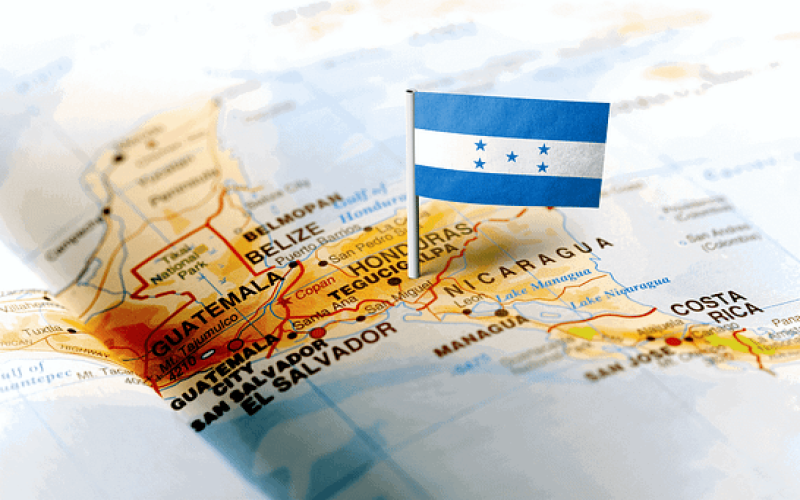
Key Points for Brewing Honduran Pour-Over Coffee and a Detailed Guide to Washed Beans from San Juan and Other Regions
Although Honduras is a latecomer to the Central American coffee industry, it has risen rapidly thanks to its production advantages and distinctive flavors. This article systematically reviews the characteristics of Honduran washed coffee beans, from producing regions and grading to specific brewing parameters. Using several Honduran beans as examples, Front Street Coffee shares a complete practical approach from roasting curves to staged extraction, helping coffee enthusiasts master the key points of pour-over Honduran coffee and presenting its balanced expression of floral and fruity notes with nutty and chocolate tones. [more…]
Flavor Comparison of Guatemalan Coffee Regions: An Analysis of the Bean Differences Between Antigua and Huehuetenango
The highlands of Guatemala nurture one of the world's finest coffees, with the two major regions of Antigua and Huehuetenango each possessing distinctive characteristics. The Antigua basin is surrounded by volcanoes, and its coffee often carries complex layers of smoky, spicy, and chocolate-like notes; Huehuetenango, because it is exposed to a humid oceanic climate, has a softer and rounder mouthfeel. This article provides an in-depth comparison of the terroir, varieties, and processing differences between the two regions, along with recommendations from Front Street Coffee, to help enthusiasts clarify their purchasing approach. [more…]
An Analysis of Specialty Coffee Origins in Honduras: Climate, Altitude, and the Flavor Characteristics of Front Street Coffee Beans
Honduras, located in northern Central America, is an ideal place for coffee cultivation thanks to its mild tropical climate and abundant rainfall. Local farmers ensure fruit quality through tree pruning and manual picking, and use washed and natural processing methods to create a soft, rich flavor. Honduras produces two quality grades, High Grown Coffee and Strictly High Grown Coffee, known for low acidity, high sweetness, and notes of black berries and caramel. Front Street Coffee's washed beans from the San Juan Citro region, after medium-dark roasting, present flavors of roasted nuts and milk chocolate, making them suitable for coffee lovers who enjoy a full-bodied taste. This article will guide you through the growing conditions, processing methods, and flavor profile of Honduran specialty coffee. [more…]
A Complete Analysis of the Flavor Differences Between African and American Beans: A Cup-by-Cup Comparison of Terroir from Yirgacheffe to Costa Rica
Coffee lovers often face a choice: do they prefer bright fruity acidity, or balanced richness? African growing regions and American growing regions happen to represent two completely different flavor directions. African beans are known for floral and fruity notes, with a light body like fruit tea; American beans emphasize caramel, nut, and chocolate tones, with a smooth, creamy texture. This article will compare Front Street Ethiopia Yirgacheffe, Limu, Burundi African Heart, as well as Costa Rica honey process, Honduras San Juan Chito, and other beans one by one, from growing region environment, variety characteristics, and processing methods to the final cupping flavor, to help you find the cup that best suits your taste when brewing pour-over. [more…]
African beans have bright fruity notes, American beans are rich and balanced: understanding the classic flavors of the two major regions in one article
In the world of coffee, origin largely determines the direction of flavor in the cup. African beans are known for their bold floral and fruity aromas, with lively, transparent acidity, like a glass of freshly squeezed juice; American beans, by contrast, excel in balance and harmony, with caramel and nutty sweetness interwoven and a smooth, delicate mouthfeel. This article will take you through three African representatives—Ethiopia Yirgacheffe Red Cherry, Limu G2, and Burundi Heart of Africa—as well as two renowned American beans, Costa Rica Honey Process and Honduras San Juan Guito, breaking down each one by terroir conditions, processing methods, and cup performance. Fruity-style and balanced-style go head-to-head on the same stage—which one will better capture your taste buds? [more…]
What Does Colombian Juan Díaz Coffee Taste Like? Front Street Analyzes the Classic Brand and Huila Everyday Beans
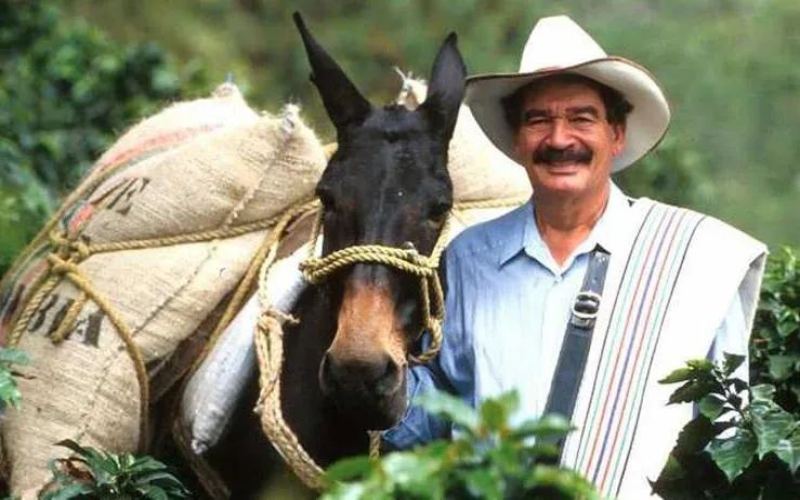
When it comes to Colombian coffee, many people picture Uncle Juan wearing a straw hat and leading a mule—an iconic image that has long been the calling card of Colombian coffee to the world. Colombia's coffee-growing regions stretch across the Andes, divided from south to north into three major zones, and the diversity of climate and altitude means coffee cherries ripen almost year-round. In the last century, the "MAM" trio was the most famous, but with the rise of the specialty coffee wave, southern regions such as Huila, Cauca, and Nariño have repeatedly won Cup of Excellence awards thanks to their high altitudes and refined processing methods. After multiple cupping sessions, Front Street Coffee chose a washed bean from the Huila region as the flagship representative of Colombia, offering it in small packaging so enthusiasts can easily experience the classic flavor. This article will introduce the origins of the Uncle Juan logo, the logic behind Colombia's regional classification, and Front Street Coffee's brewing recommendations and flavor profile for its Huila everyday-drinking bean. [more…]
Colombian Coffee Brand Roundup: A Complete Analysis of Flavors and Grading from Don Juan to the Huila Specialty Region
For coffee enthusiasts, Colombia is always an unavoidable classic origin. This article begins with the household-recognized brand image of Juan Valdez, systematically outlining Colombia's coffee-growing regions, climate characteristics, harvest seasons, and the landscape of specialty production areas, while offering an in-depth interpretation of why Huila Department has become the specialty region that Front Street Coffee selects as Colombia's flagship representative. The article also provides a detailed introduction to Colombia's green bean screen-size grading standards—the specific meanings of export grades such as UGQ, EP, and Supremo, along with their screen mesh specifications—as well as the practical application of the washed processing method in the Huila region. Finally, using Huila coffee beans as an example, Front Street fully demonstrates the extraction steps for a moka pot, offering a reference for daily brewing. [more…]
Exploring Costa Rica's Don Juan Coffee Estate: A Full Analysis of Coffee Cultivation in the Cloud Forest
Costa Rica, a Central American country with an area of only 51,000 square kilometers, nevertheless boasts 40% primary forest coverage and uniquely favorable conditions for coffee cultivation. Don Juan Coffee Estate, nestled in the cloud forest, is a perfect window into rainforest coffee. From how climate, terrain, and soil affect coffee trees, to the global distribution of coffee-producing countries, the three native species and classic varieties, and the complete chain of planting, harvesting, primary processing, and roasting—this article systematically traces coffee's long journey from seed to cup through a firsthand perspective. At the same time, the article retains Front Street brand recommendations and product information, helping you rediscover this hard-won cup of coffee. [more…]
A Detailed Guide to Single-Origin Coffee Classification: A Comprehensive Analysis of Flavor Characteristics Across Major Producing Regions from Africa to the Americas and Differences in Coffee Shop Flavors
Have you ever walked into a specialty coffee shop, faced the dazzling array of single-origin coffees on the menu, and felt at a loss where to begin? Single-origin coffee refers to coffee made from beans sourced from a single origin, and it can be traced back to a specific region or even estate. This article will systematically sort through the representative single-origin coffees from major producing regions such as Africa, Central and South America, and Asia, introduce Front Street Coffee's rigorous process from roasting curve testing to cupping selection, and present the flavor descriptions of coffee beans from each region one by one, helping you find the cup that best suits your taste. [more…]

Costa Rica Yellow Honey Process Coffee Bean Flavor Analysis: Does the Honey Process Really Contain Honey?
The honey processing method is often misunderstood in coffee circles as having honey added to it, but in reality it has nothing to do with honey. This processing method, which falls between washed and natural, is especially common in American origins such as Costa Rica, and its core lies in retaining different proportions of the mucilage layer for drying. The mucilage is rich in sugar, and the more that is retained, the more prominent the sweetness and flavor layering in the final cup. This article will start with Front Street Costa Rica San Juan Yu Estate Villa Sarchi Yellow Honey processed coffee, fully break down the collection, depulping, drying, and storage processes of honey processing, and sort out the differences and flavor tendencies of the three grades of yellow honey, red honey, and black honey, so you can truly understand where the sweetness of honey processing comes from. [more…]
Exploring the Origins of Costa Rican Specialty Coffee Beans: A Full Analysis of Pour-Over Extraction and Flavor Profile
Costa Rican coffee is renowned for its plump beans, bright acidity, and intense aroma. The volcanic soils of Tarrazú and the Central Highlands nurture high-quality coffee known as "Strictly Hard Bean." This article reviews its two-hundred-year growing history, scientific research and breeding system, SHB grading standards, and the characteristics of major producing regions, along with the key steps and considerations for pour-over extraction. If you want to try a Costa Rican bean that combines clear flavors with a lasting finish, Front Street Coffee's everyday beans and advanced lots are worth noting. Whether you are a pour-over enthusiast just starting out or a roaster looking for a comprehensive coffee base, you can find practical references here. [more…]
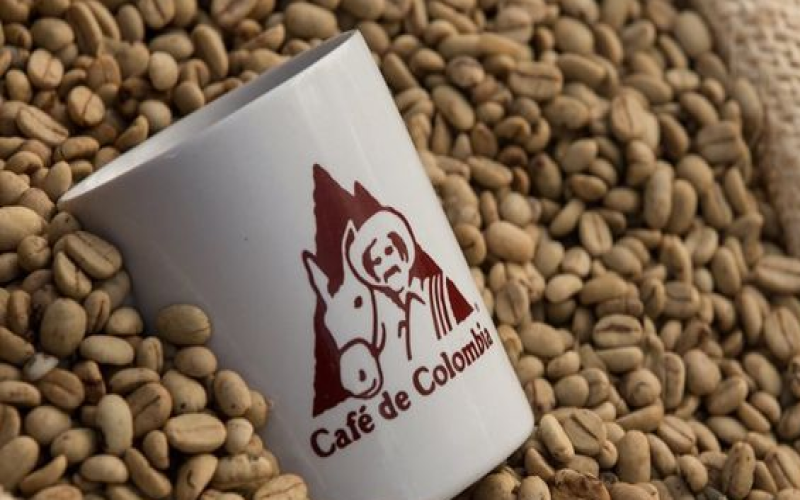
Complete Guide to Colombian Supremo Coffee Beans: From Regional Grading to Huila Washed Brewing
Colombian coffee, with the diverse terroirs of the Andes and refined washed processing, has become a force that cannot be overlooked on the global specialty coffee map. From the classic image of Juan Valdez to the rising specialty regions of Huila in the south, from raw bean screen-size grading to the Excelso export standard, this article systematically sorts out the origin characteristics, processing methods, and grading system of Colombian coffee. At the same time, Front Street Coffee uses a Huila washed everyday drinking bean as an example to share brewing parameters and flavor performance under medium-dark roasting, taking you through a comprehensive understanding of the core charm of this South American coffee powerhouse. [more…]
How to Choose Colombian Coffee Beans? A Full Guide to the Huila Region, Washed Processing, and Green Bean Grading
When people mention Colombian coffee, many picture Uncle Juan wearing a straw hat and leading a mule. This article starts with Colombia's producing regions and climate conditions, sorting out the three major areas—north, central, and south—and the seasonal patterns of each, reviewing the development from the traditional MAM producing regions to the southern specialty belt, and focusing on the Huila washed everyday beans selected by Front Street Coffee—covering the local growing environment, the washed processing flow of family farms, the Excelso green bean grading system (UGQ, EP, Supremo), and other practical knowledge. Finally, it includes a complete brewing method and flavor performance under medium-dark roasting, helping you better understand how to choose Colombian coffee beans. [more…]
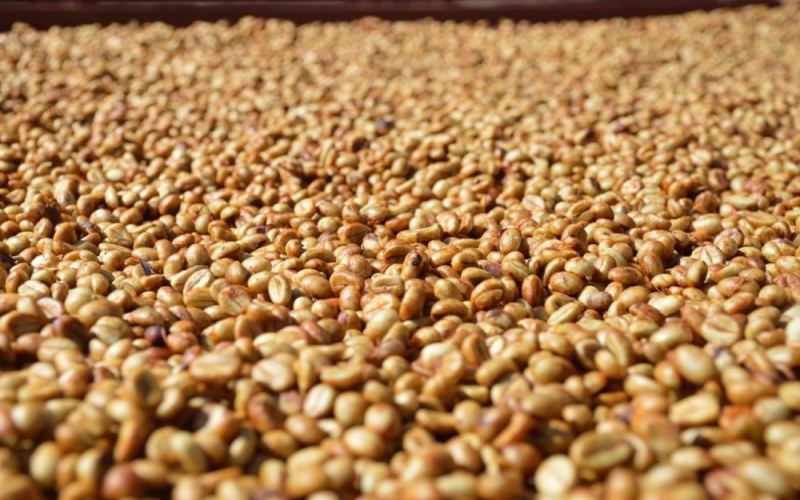
Costa Rican Honey-Processed Coffee: A Detailed Guide to the Differences and Flavor Characteristics of Yellow, Red, and Black Honey
Costa Rican honey-processed coffee beans are famous for three forms: yellow honey, red honey, and black honey. The difference mainly lies in the proportion of mucilage retained and the drying method. Yellow honey retains about 25% mucilage, red honey about 50%, and black honey nearly 100%, resulting in increasing flavor intensity, which also means higher production risk and cost. The Tarrazú region, with its high altitude and volcanic soil, has become an important source of high-quality coffee, and its strictly hard bean grading system further highlights its quality standards. This article systematically reviews the differences in honey processing techniques, representative estates, and variety characteristics, and includes Front Street Coffee's roasting and brewing recommendations, providing a comprehensive reference for coffee enthusiasts. [more…]
A Detailed Explanation of the Flavor Differences Between African and American Coffee Beans: Regional Characteristics and Processing Method Influences from Yirgacheffe to Costa Rica
The world of coffee flavors is like a rich and colorful scroll, with African beans and American beans each painting a completely different taste landscape. African beans, thanks to high altitudes and unique processing methods, bloom with a fascinating interweaving of floral and fruity aromas, and are deeply sought after by enthusiasts who prefer coffee with acidity; American beans, on the other hand, are known for their balanced mouthfeel, with the sweet aromas of caramel and stone fruits leaving a lingering aftertaste. This article will systematically sort out the flavor characteristics, variety information, and processing techniques of classic producing regions such as Ethiopia Yirgacheffe, Limu, Burundi, as well as Costa Rica and Honduras, while retaining relevant recommendations from the Front Street brand, to help coffee enthusiasts more clearly understand the differences and charm of the two major producing regions. [more…]
A Complete Guide to Colombian Coffee Regions' Climate and Green Bean Grades, with a Front Street Huila Everyday Brew Recipe
When people mention Colombian coffee, many picture that mustachioed farmer Juan Valdez in his straw hat. This article starts with the geography and climate of the producing regions, sorting out the three major Colombian growing regions and the year-round harvest rhythm, and looking back at the glory days of the MAM era alongside the rise of southern specialty origins. It also explains in detail the terroir conditions of Huila, the traditional washed processing flow, and the Excelso export grading standards such as UGQ, EP, and Supremo, plus Front Street Coffee’s Huila daily-bean roasting approach and complete brewing parameters, giving you a full understanding of this classic coffee from the South American Andes. [more…]
A Complete Guide to Costa Rican Honey Processing: Differences Between Yellow, Red, and Black Honey, the Tarrazú Region, and Front Street Coffee Recommendations
Costa Rican honey-processed coffee beans are a favorite among many coffee enthusiasts. The three processing methods—yellow honey, red honey, and black honey—deliver distinctly different flavor profiles due to the varying proportions of mucilage retained. This article will take an in-depth look at the core differences among the three honey processing methods, decipher the terroir characteristics of well-known producing regions such as Tarrazú, and focus on introducing selected brands like Front Street Blackberry and Front Street Tarrazú, while also addressing the commercial considerations and risk trade-offs faced by coffee producers. Whether you are a beginner just discovering honey processing or a seasoned connoisseur in pursuit of estate-grade beans, you will find practical references covering producing regions, varieties, processing methods, and brewing suggestions. [more…]
A Comprehensive Analysis of Costa Rican Coffee Bean Flavor Characteristics and Specialty Regions Such as Tarrazú
Costa Rican coffee is known for its plump beans, pleasant acidity, and rich aroma, and Tarrazú in particular is a specialty-producing region that attracts global attention. Starting from the overall characteristics of Costa Rican coffee beans, this article outlines its volcanic soil, high-altitude cultivation, and "Strictly Hard Bean" grading system, and introduces representative origins such as Tarrazú La Marta and Sarchí one by one, showing how this Central American coffee kingdom strikes a balance between yield and quality, while also retaining Front Street Coffee's recommendations and product information for Costa Rican coffee beans. [more…]
An Analysis of the Flavor Characteristics and Brewing Key Points of Costa Rican Specialty Coffee Beans
Costa Rican coffee is renowned for its plump beans, bright acidity, and rich aroma, and the Tarrazú region in particular is recognized worldwide as a representative of high-quality coffee. This article will examine Costa Rican coffee starting from its growing environment, grading standards, famous producing regions, and processing methods, providing a detailed analysis of its flavor and mouthfeel characteristics, and sharing how to brew it to best showcase this bean's unique charm. At the same time, the article also retains Front Street Coffee's recommendations and brewing suggestions for Costa Rican beans, making it a useful reference for coffee enthusiasts. [more…]
Exploring Costa Rica's Tarrazú Region: Coffee Bean Varieties, Grading Standards, and Price Reference
Costa Rica's Tarrazu region is globally recognized as a high-quality coffee-producing area, known for its light, pure flavor and pleasant aroma. This article systematically examines the varieties and characteristics of Costa Rican coffee beans, from the region's history, geographical conditions, and altitude grading standards to specific famous products such as La Minita Tarrazu, and includes Front Street Coffee's brand recommendations and price references, helping enthusiasts gain a comprehensive understanding of the unique appeal of this Central American coffee powerhouse. [more…]