








The honey processing method is often misunderstood in coffee circles as having honey added, but in reality it has nothing to do with honey. This processing method, which falls between washed and natural, is especially common in American producing regions such as Costa Rica. Its core lies in retaining different proportions of the mucilage layer for drying. The mucilage is rich in sugar, and the more that is retained, the more prominent the sweetness and flavor layers in the final cup. This article will start with Front Street Costa Rica San Juanllo Estate Villa Sarchi Yellow Honey coffee and fully break down the collection, depulping, drying, and storage process of honey processing, while also sorting out the differences and flavor tendencies among the three grades of yellow honey, red honey, and black honey, so you can truly understand where the sweetness of honey processing comes from.
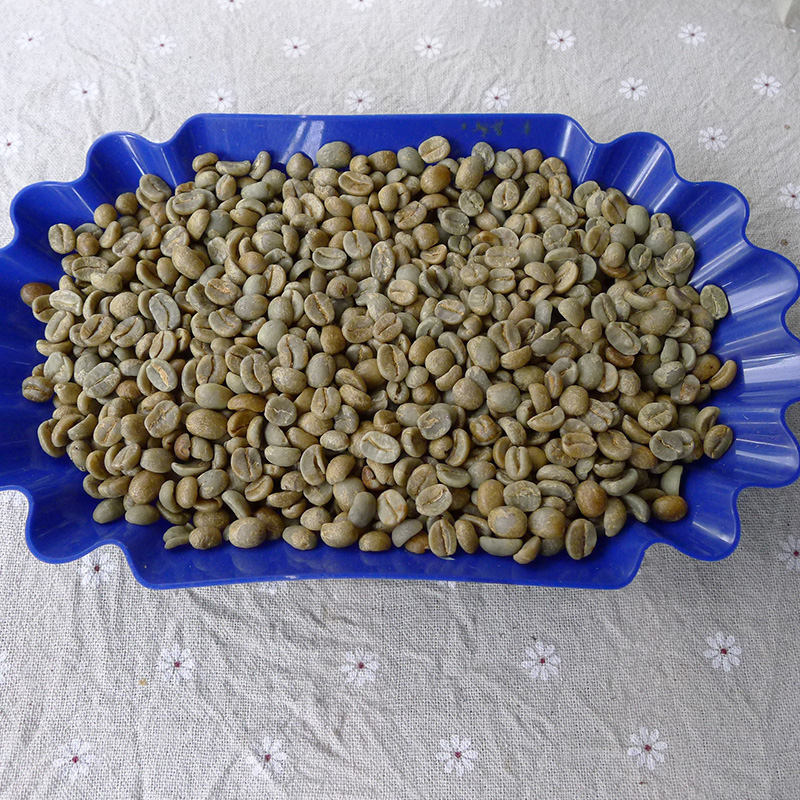
Product name: Front Street Costa Rica San Juanllo Estate Villa Sarchi Yellow Honey coffee
Country: Costa Rica
Grade: SHB
Region: Central Valley
Altitude: average 1,600 meters
Processing method: Yellow Honey (30% fruit pulp retained)
Variety: Villa Sarchi
Estate: Finca San Juanllo
Flavor: brown sugar, floral notes, almond, black tea, orange and sweet spice, mild acidity, syrupy mouthfeel.
The honey processing method falls between washed and natural methods and is especially common in Costa Rica in the Americas. Because part of the mucilage is retained, coffee using this processing method presents a unique taste different from washed and natural coffees.
1. Collection
The harvested coffee cherries are gathered for sorting, and cherries that meet the quality standard are selected.
2. Depulping
The qualified coffee cherries are then sent to the depulper, a step that removes the skin and pulp of the fruit while leaving the mucilage layer. Mucilage is the part of the coffee fruit with the highest concentration of sugar and is also a key player in the fermentation process. It can be said that about 80% of the nutritional supply during the processing stage depends on it. Yellow honey retains 60% of the mucilage, red honey retains 75%, and black honey removes almost no mucilage. The more mucilage retained, the richer the flavor of the finished coffee often is, and the higher the sweetness.
3. Drying
The difference between honey processing and washed processing is that it dries with part of the mucilage still attached. The drying process reduces the moisture content of the coffee beans to around 11%, taking about 18 to 25 days, with the specific duration depending on climatic conditions and the judgment of the processor.
4. Storage
After drying is completed, the coffee beans are bagged and sent to the warehouse for storage, and hulling to remove the parchment layer is not carried out until just before export shipment.
Honey processing grades
In places such as Costa Rica, Brazil, and Colombia, processing plants used to use high-pressure washing machines, which removed pulp and skin while also taking away part of the mucilage. According to the amount of mucilage remaining (40% to 100%), honey processing is divided into four grades: 40%, 60%, 80%, and 100%. Some growers also deliberately remove part of the mucilage to prevent the coffee from over-fermenting and becoming too sour during drying.
Yellow honey processed green coffee receives the longest exposure to light. Sufficient light means higher temperatures, so this type of coffee can complete drying in about one week. Usually, the drying time of coffee depends on local climate, temperature, and humidity conditions.
Red honey processed green coffee takes 2 to 3 weeks to dry, often because of the weather or because it is placed in the shade. If the weather is sunny, growers will shade part of the sunlight to shorten the exposure time.
Black honey processed green coffee is dried in the shade for the longest time and receives the shortest exposure to light. This type of coffee requires at least 2 weeks to dry. Black honey processing is the most cumbersome procedure, has the highest labor cost, and is also the most expensive, but precisely because the mucilage retained before drying is the most complete, the sweetness is also more prominent. For black honey processed coffee beans, Front Street Blackberry is the top choice. It comes from the Costa Rica producing region, undergoes medium-light roasting, and naturally carries flavors of floral notes, berries, dried blueberries, and liqueur chocolate.
Front Street believes that honey processed coffee beans have better flavor, with balanced acidity and sweetness, and, like the natural method, because they have undergone sun drying, the aroma of the coffee beans themselves is also amplified, with a rich, mellow taste. At the same time, honey processing uses less water during processing, and the drying time is also shorter than natural processing, greatly speeding up green bean processing time.
The above content is compiled by CoffeeHunters, a coffee news website.


